At the end of the 19th century, a German psychologist named Hermann Ebbinghaus invented a method to study human memory using his own mind as the only resource. For hours, he memorized meaningless three-letter words called “trigrams,” each composed of a vowel between two consonants, for example DAX, REN and VAB. He found that he could only memorize 64 trigrams in each 45-minute session before his mind gave out. His efforts revealed fundamental aspects of human memory, including the concept of the “forgetting curve,” which represented for the first time how quickly we forget information.
This story is included in the book Why We Remember by neuroscientist Charan Ranganath.Ranganath is a pioneer in using functional magnetic resonance imaging (fMRI) to study how we remember past events. In his work, he addresses an essential and enigmatic question that Hermann Ebbinghaus raised more than a century ago: “Much of what we experience today will be lost in less than a day. Why?”
Question. In Why We Remember, you argue that the brain is programmed to forget. What is the logic behind this evolutionary mechanism?
Answer. Our brains are neurobiologically predisposed to form and retain memories for information that is important. The brain preferentially forms episodic memories during events associated with surprise, curiosity, joy, desire, love, fear, anger, or stress. These emotional states are associated with the release of neuromodulators — brain chemicals like dopamine, noradrenaline, serotonin, and cortisol — that promote plasticity, meaning that they allow neural circuits to be shaped during learning, ensuring that those memories can stick around.
That can’t be the whole story, however. Memories compete with one another. For instance, we have trouble remembering where we put our keys because we have put our keys in many different places in the past. That competition between old memories and the new one you are trying to form can lead to forgetting — we call that “interference.”
Q. Is it possible to overcome this “interference”?
A.Interference can be overcome. We know that people can feel like they have forgotten something, but then the memories can come back when someone is given the right cues in the right context. For instance, many of us have had the experience of hearing a song, or being in a place, or smelling food that brought us back to a past place and time, opening us up to memories.
Q. Like Proust’s madeleine.
A. Exactly.
Q. Are there psychological or neurological benefits to remembering sad or traumatic events?
A. There can be benefits to remembering painful events if we can learn from them — sometimes you can learn from mistakes that you made in the past, and sometimes the lesson is that you are resilient and able to overcome adversity. And sometimes when we experience terrible events, we can later get enjoyment in telling humorous stories about how badly things went.
Q. Is nostalgia necessarily negative?
A. Nostalgia can be good, in the sense that recalling positive events can make you feel better in the here and now.Nostalgia is only bad when it distorts your view of the past and the present.When we engage in nostalgia, we often overlook the negative events that took place in the past or remember them in a more positive light. That can give you the misleading impression that our lives were better in the past than they are at present.And at the collective level, authoritarian leaders all over the world distort history and weaponize nostalgia in order to gain power and manipulate people. So, nostalgia can be healthy, but we need to be mindful of the potential for it to turn ugly.
When we are feeling angry with someone, we have a natural bias to recall information that reinforces our negative feelings.
Q. After a breakup, why is it common for it to be initially difficult to remember the happy moments? Why do we only remember the sad ones?
A. When try to recall past events, research shows that we are biased to find memories that are congruent with how we feel and think in the present. Our emotions form a powerful part of our mental states, so when we are feeling angry with someone, we have a natural bias to recall information that reinforces our negative feelings, and we are less likely to recall the happy moments.
Q. Recent advances in neuroscience have revealed that it is possible to selectively “erase” traumatic memories in animal models. Based on these findings, what is your perspective on the ethical and practical implications of applying similar techniques in humans to treat disorders such as PTSD (Post Traumatic Stress Disorder)?
A. It’s not clear how well the neuroscience research that is done in rats can generalize to humans. A lab rat remembering that they got an electric shock in a box is probably not comparable to the traumatic memories of a soldier who spent a year in combat or a girl who was repeatedly abused by her parents throughout her childhood. So it is not surprising to me that the results in neuroscience have been hard to translate to PTSD treatment.
But if the barriers can be overcome, we need to think carefully about the goal.I do not think that we should delete memories of negative events, even if they are quite traumatic. However, treatment should be focused on changing the most distressing components of those memories — the parts that lead us to feel the painful emotions every time we remember. We are seeing hints that psychedelic therapies for PTSD might have this effect, by allowing people to remember traumatic memories without the severe pain, fear, and shame.
Q.Therefore, in your opinion, we should not try to erase memories that cause us pain.
A. Our memories of what happened in the past are different from the way in which we feel when we remember those events. I would advise people that, rather than ridding themselves of the memory, it is better to focus on changing your perspective and questioning your beliefs about the event.So I recommend sharing memories in the context of supportive, trusting relationships. When we get outside perspectives, such as what happens in psychotherapy and support groups, it gives us a chance to transform our memories, so that we can see the past in a way that is less distressing.
Q. Why do we sometimes forget what we were going to do when we enter a room or even why we are even there?
A. This happens because our memories are tied to a sense of the place, time, and your mindset during that event (which we call the “context”).When our context changes, such as when we leave the room, or change the topic of conversation, memory researchers would call that an “event boundary,” meaning that the brain forms different memories for the events that took place before and after the context changed.
Suppose you are in your bedroom and you realize that you left your phone in the kitchen. Once you walk out of the room and down the hallway, your context (i.e., your sense of where you are) has changed. So, when you get to the kitchen, the memory for why you went to the kitchen is associated with your memory of being in the bedroom. This means you have to mentally traverse that event boundary in order to pull up the memory from back when you were in the bedroom.
By attempting to record every moment, we do not focus on any aspect of the experience in enough detail to form distinctive memories that we will retain.
Q. In the digital age, we document our lives with our cell phones in minute detail. Does this have any impact on our natural ability to remember?
A. Digital documentation can enhance memory if it is used consistently with principles that help us remember, but we often use it in mindless ways that impedes our natural ability to remember.We often focus on documenting at the expense of experiencing. For instance, when people take pictures at “Instagram walls” or they go to a concert and record it on their phones, their attention is directed to what is happening, but it takes them away from what is distinctive in the moment — the sights, sounds, smells, and feelings that make an experience unique and memorable. By trying to record every moment, we don’t focus on any one facet of the experience in enough detail to form distinctive memories that we will retain. So even if you look back at those pictures and videos that you have taken (and most of us do not), they won’t evoke the same warmth or joy as they would have if you’d kept your phone in your pocket and immersed yourself in the moment.
Q.What would be the correct way to use technology?
A. Thoughtfully taking pictures or videos at opportune moments can orient us to what is interesting and distinctive around us. My daughter, for instance, likes to selectively photograph plants and flowers that catch her eye on our nature walks, which allows her to pause and fully take in those aspects of the scenery at that moment. And later on, if you take a moment to use those photos to cue you to recall that event, you will find that the event will become more memorable and easier to pull up again and again.
Q.Compared to the storage and recall capabilities of digital memory, is human memory becoming obsolete? How do the two compare?
A. The two are very different. I like to say that, “My phone has a photographic memory, but I don’t, and that’s ok.” Digital devices record every bit of information that comes in, but the human brain records memories that prioritize the most novel, surprising, or emotionally significant parts of our experiences. The human brain has also evolved in a way that allows us to learn quickly, but also to be flexible and rapidly adjust our behavior when situations change.And these characteristics help explain why powerful AI systems like ChatGPT, which have a massive carbon footprint and require a massive amount of data, cannot solve certain tasks accomplished by the human brain using enough energy that would be barely enough to power a light bulb.
Q. What do you consider to be the main disadvantage or limitation of human memory?
A. As we have worked on computational models of the brain, I have come to learn that it is very hard to judge a brain system as being good or bad, or having strengths or weaknesses — there is no way to optimally design a brain for every possible goal, any more than you could design a car that has perfect fuel economy, high speed, and the ability to carry a massive amount of cargo. So there are always tradeoffs.
That said, I believe that our greatest limitation is the bias to remember events in a way that conforms to our beliefs. That bias gives us overconfidence in our abilities, leaves us open to prejudice, makes us vulnerable to misinformation, and deprives us of opportunities to learn from our mistakes.
Q. Another limitation of human memory is the general absence of memories from our early years of life.
A. The research shows that a child has no episodic memories, which is known as “infantile amnesia.” During the next two years, a child can form episodic memories, but they are fragmented and blurry, and this is called “childhood amnesia.” During this period, the brain is reorganizing at a rapid rate. The hippocampus and prefrontal cortex, two areas critical for episodic memory, are at very early stages of development. As a result, memories are being built on top of sand that is constantly shifting.
Q. What do you recommend to maintain good brain health and what factors can negatively affect it?
A. There are many factors, and more and more information is coming in about brain health. The biggest advice I can give is that your mind, brain, and body are all connected. So, pretty much anything you can do to take care of your mental and physical health would be a good investment towards brain health.
Some protective factors along these lines are a healthy diet, exercise, social engagement, and sleep. Factors that can negatively affect brain health include common health issues like diabetes and vascular disease, chronic stress, insomnia, depression, alcohol abuse, infectious diseases like long Covid, and even gum disease. Fortunately, unlike the United States, many people in Spain engage in regular exercise by walking and cycling, and many adopt a variant of the “Mediterranean diet,” which has been shown to be very effective in promoting brain health.
Q. After so many years researching human memory, what do you think is the big question that still remains to be answered?
A. This is the hardest question of all! I feel that every real discovery leads us to more questions that we hadn’t thought of asking before. The question I like to ask is: what is the best way to challenge my beliefs about how memory works? The biggest mysteries concern how we use memory in the real world — how we navigate from place to place or understand what is going on in a basketball game or manage to follow what is going on during a stressful conversation. Humans seem to have this extraordinary ability to be able to use our past to build an extraordinary understanding about how everything and everyone is connected. That ability, which allows us to draw a seamless line from the past to the present and the future, is what I want to understand.
Sign up for our weekly newsletter to get more English-language news coverage from EL PAÍS USA Edition
The Netherlands reported the first case of euthanasia of a minor due to extreme suffering from a mental disorder. The recent announcement didn’t reveal the gender of the adolescent, who was between 16 and 18 years old and no longer required parental consent by law. The parents were informed and supportive of their child’s decision. Requests for euthanasia due to insurmountable suffering have been rising since 2011, with 138 cases in 2023, a 20% increase over the previous year. But it has ignited a debate in the Netherlands over mental health care.
The report of this minor’s assisted death was posted on the website of the Regional Commissions (RTE) that oversee all euthanasia cases. Without delving into specifics to protect the patient’s privacy, the report confirmed that experts reviewed the request and verified that it was sound, voluntary and met the criteria for severity and lack of alternative solutions. As a result, they determined that the doctor who treated the patient acted within the expected standard of care. In 2023, there were 9,068 euthanasia cases, a 4% increase over 2022. These cases accounted for 5.4% of the country’s total deaths last year (169,363).
The Dutch euthanasia law, enacted in 2002, treats both physical and mental suffering equally. Initially, psychiatric cases were rare until 2011. The Expertisecentrum Euthanasie center of expertise for euthanasia was opened in 2013 to support physicians who are helping patients with a request for euthanasia. It also centralized all the requests and immediately noted an increase. In the 20 years since the euthanasia law was passed, patients have increasingly sought more autonomy in end-of-life care.
Psychiatrists face the difficult challenge of balancing the key task of suicide prevention with requests for euthanasia. It’s crucial for them to ensure that the criteria of unbearable suffering is met and euthanasia is the last resort. “In cancer patients with metastasis in the final phase, euthanasia aims to prevent a distressing death. In psychiatric cases, it ends a distressing life,” said Sisco van Veen, a psychiatrist and researcher at Amsterdam University Medical Center. He notes that Dutch studies show rising mental health issues in youth, with unclear causes. “It’s not just in this country. All we can do now is guess how people must be feeling in a world so full of uncertainty.”
Van Veen thinks that preventing pain can be more important than saving a life in special situations. “Overall, what we’re noticing is a shift where it’s becoming more about death as a personal choice and less about suffering.” He believes that as healthcare becomes more managed overall, the idea of managing death doesn’t seem illogical.
Social acceptance
Surveys consistently indicate a high level of social acceptance of euthanasia in the Netherlands — typically around 87%, even for cases involving psychological suffering. Van Veen highlighted that psychiatrists also support euthanasia, and that “in cases of immense suffering, patients may request an expedited assisted death. We are committed to helping patients recover and find hope amid profound suffering.” He also offered some context for the 138 euthanasia cases for mental disorders. “With 4,000 practicing psychiatrists in the country, you might end up being part of one euthanasia case in your career. Euthanasia isn’t something you do every day, but it’s important to know how to handle it effectively.”
The story of Zoraya ter Beek, a 28-year-old Dutch woman, is currently circulating on social media and in the news. She shared a video announcing her impending euthanasia due to mental health issues. Young patients with psychiatric issues typically experience them from a young age, says van Veer. “They may have trauma, depression, eating problems or personality disorders. Their distress is real.” The available treatments don’t always work. “There’s a common belief that mental issues can always be resolved, and indeed, psychiatrists do see patients recovering, even after enduring years of severe psychiatric struggles,” he said. “But psychiatric problems are not only medical, there are also social and psychological factors that are often invisible… Telling someone with depression to play sports or cheer up shows a lack of understanding of their pain.”
Van Veen notes that the euthanasia process in the Netherlands is thorough, involving safeguards and multiple opinions. “In addition to the coroner, there may be five to six doctors involved.” Still, receiving his first request for euthanasia was a shock for van Veen, who thinks laws should “balance patient autonomy and protection.” He believes the Dutch law achieves this balance, and that there are secular (non-religious) reasons to be skeptical about expanding end-of-life options further.
Five legal cases
Dutch doctors must report to the Regional Commissions. The latest 2023 report, released in April, reveals five negligence cases under review by prosecutors and public health officials. “In these five cases, the doctors were unfamiliar with the proper rules or protocol to follow. This highlights the importance of seeking the mandatory second opinion before proceeding with euthanasia,” said RTE president Jeroen Recourt, who acknowledged the euthanasia of the teenager with a psychological disorder.
The Dutch euthanasia law requires the patient to make a voluntary, conscious and repeated request. The doctor must verify that the suffering is unbearable and that there are no options for treatment, cure or improvement. Subsequently, an independent colleague reviews the case and consults with the patient alone to confirm the severity of the situation. “This is the only way to move forward. A second opinion is crucial. It provides guidance to doctors performing euthanasia, ensuring adherence to regulations,” said Recourt.
Dutch law permits both active euthanasia conducted by physicians and assisted suicide, with doctors exclusively entrusted with this duty and exempted from the Penal Code. Violations can result in imprisonment for up to 12 years. The 2023 RTE report notes that while euthanasia is handled very carefully, it remains emotionally taxing for medical practitioners.
Sign up for our weekly newsletter to get more English-language news coverage from EL PAÍS USA Edition
‘I am prepared to die’: Mandela’s speech which shook apartheid
Sixty years ago during the Rivonia Trial in South Africa, Nelson Mandela delivered one of the most famous speeches of the 20th century. He expected to be sentenced to death but instead lived to see his dream ‘of a democratic and free society’ realised.
A 1995 photograph of President Nelson Mandela, left, with Percy Yutar, the prosecutor in the 1963-1964 Rivonia treason trial, in which Mandela was sentenced to life in prison [File: Louise Gubb/Corbis Saba via Getty Images]
“Accused number one” had been speaking from the dock for almost three hours by the time he uttered the words that would ultimately change South Africa. The racially segregated Pretoria courtroom listened in silence as Nelson Mandela’s account of his lifelong struggle against white minority rule reached its conclusion. Judge Quintus de Wet managed not to look at Mandela for the majority of his address. But before accused number one delivered his final lines, defence lawyer Joel Joffe remembered, “Mandela paused for a long time and looked squarely at the judge” before saying:
“During my lifetime, I have dedicated my life to this struggle of the African people. I have fought against white domination, and I have fought against Black domination. I have cherished the ideal of a democratic and free society in which all persons will live together in harmony and with equal opportunities. It is an ideal for which I hope to live for and to see realised. But, my Lord, if it needs be, it is an ideal for which I am prepared to die.”
After he spoke that last sentence, novelist and activist Nadine Gordimer, who was in the courtroom on April 20, 1964, said, “The strangest and most moving sound I have ever heard from human throats came from the Black side of the court audience. It was short, sharp and terrible: something between a sigh and a groan.”
This was because there was a very good chance that Mandela and his co-accused would be sentenced to death for their opposition to the apartheid government. His lawyers had actually tried to talk him out of including the “I am prepared to die” line because they thought it might be seen as a provocation. But as Mandela later wrote in his autobiography, “I felt we were likely to hang no matter what we said, so we might as well say what we truly believed.”
Nelson Mandela and his fellow defendants from the Rivonia Trial in 1994 revisit the lime quarry where they worked while imprisoned at Robben Island after the 1963-1964 trial in Pretoria [File: Louise Gubb/Corbis Saba via Getty Images]
‘The trial that changed South Africa’
The Rivonia Trial – in which Mandela, Walter Sisulu, Govan Mbeki and seven other anti-apartheid activists were charged with sabotage – was the third and final time Mandela would stand accused in an apartheid court. From 1956 to 1961, he had been involved in the Treason Trial, a long-running embarrassment for the apartheid government, which would ultimately see all 156 of the accused acquitted because the state failed to prove they had committed treason.
And in 1962, he had been charged with leaving the country illegally and leading Black workers in a strike. He knew he was guilty on both counts, so he decided to put the apartheid government on trial. On the first day of the case, Mandela, known for his natty Western dress, arrived in traditional Xhosa attire to the shock of all present. He led his own defence and did not call any witnesses. Instead, he gave what has been remembered as the “Black man in a white court” speech, during which he asserted that “posterity will pronounce that I was innocent and that the criminals that should have been brought before this court are the members of the Verwoerd government,” a reference to Prime Minister Hendrik Verwoerd.
The 156 accused in the Treason Trial, Including Nelson Mandela (third row, eighth from the right), Walter Sisulu and Olivier Tambo. All 156 were acquitted after the state failed to prove they had committed treason [File: Keystone-France/Gamma-Keystone via Getty Images]
The Rivonia Trial, which kicked off in October 1963, was named after the Johannesburg suburb where Liliesleaf Farm was located. From 1961 to 1963, the Liliesleaf museum website notes, the farm served “as the secret headquarters and nerve centre” of the African National Congress (ANC), the South African Communist Party (SACP) and Umkhonto we Sizwe (MK, the military wing of the ANC). On July 11, 1963, acting on a tip-off, the police raided Liliesleaf, seizing many incriminating documents and arresting the core leadership of the underground liberation movement. Mandela, who was serving a five-year sentence on Robben Island from his conviction in the 1962 trial, was flown to Pretoria to take his place as accused number one.
Nelson Mandela wore traditional Xhosa attire to his trial in 1962 [Eli Weinberg/Universal History Archive/Universal Images Group via Getty Images]
Instead of charging the men with high treason, State Prosecutor Percy Yutar opted for the easier-to-prove crime of sabotage – the definition of which was so broad that it included misdemeanours such as trespassing – and which had recently been made a capital offence by the government. Thanks to the evidence seized from Liliesleaf, which included several documents handwritten by Mandela and the testimony of Bruno Mtolo (referred to as Mr X throughout the trial), a regional commander of MK who had turned state witness, Yutar was virtually assured of convictions for the main accused.
In his autobiography, Mandela explains their defence strategy: “Right from the start we had made it clear that we intended to use the trial not as a test of the law but as a platform for our beliefs. We would not deny, for example, that we had been responsible for acts of sabotage. We would not deny that a group of us had turned away from non-violence. We were not concerned with getting off or lessening our punishment, but with making the trial strengthen the cause for which we were struggling – at whatever cost to ourselves. We would not defend ourselves in a legal sense so much as in a moral sense.”
The accused and their lawyers decided that Mandela would open the defence case not as a witness – who would be subject to cross-examination – but with a statement from the dock. This format would allow him to speak uninterrupted, but it carried less legal weight.
A view from the museum at Liliesleaf Farm In Rivonia, South Africa, which served as the headquarters of the ANC and was the namesake of the trial in Pretoria in 1963 and 1964 [View Pictures/Universal Images Group via Getty Images]
Mandela writes that he spent “about a fortnight drafting [his] address, working mainly in my cell in the evenings”. He first read it to his co-accused, who approved the text with a few tweaks, before passing it to lead defence lawyer Bram Fischer. Fischer was concerned that the final paragraph might be taken the wrong way by the judge, so he got another member of the defence team, Hal Hanson, to read it. Hanson was unequivocal: “If Mandela reads this in court, they will take him straight to the back of the courthouse and string him up.”
Sign up for Al Jazeera
Weekly Newsletter
The latest news from around the world. Timely. Accurate. Fair.
Please check your email to confirm your subscription
“Nelson remained adamant” that the line should stay, wrote George Bizos, another member of the defence team. Bizos eventually persuaded Mandela to tweak his wording: “I proposed that Nelson say he hoped to live for and achieve his ideals but if needs be was prepared to die.”
On the evening of April 19, Bizos got Mandela’s permission to take a copy of his statement to Gordimer. The respected British journalist Anthony Sampson, who knew Mandela well, happened to be staying with her and he retired to Gordimer’s study with the text. “What seemed like hours” later, Bizos wrote, Sampson “eventually returned, obviously moved by what he had read”. Sampson made no major changes to the text, but he did advise moving some of the paragraphs because he felt journalists were likely to read the beginning and the end properly and skim over the rest.
Gordimer does not seem to have suggested changes to the address, but she did see several drafts. She, too, was happy with the final version.
(Al Jazeera)
The statement from the dock
Yutar, who had been hoodwinked by the defence team’s constant requests for court transcripts into spending weeks preparing to cross-examine Mandela, was visibly shocked when Fischer announced that Mandela would instead be making a statement from the dock. He even tried to get the judge to explain to Mandela that he was committing a legal error. But the usually stone-faced judge laughed as he dismissed the request. Mandela, himself a lawyer, was represented by some of the country’s finest legal minds. He knew exactly what he was doing.
“My Lord, I am the first accused,” Mandela said. “I admit immediately that I was one of the persons who helped to form Umkhonto we Sizwe and that I played a prominent role in its affairs until I was arrested in August 1962.” Thanks to the recent recovery of the original recordings of Mandela’s statement, we now know that he spoke for 176 minutes, not the four and a half hours regularly cited.
As Martha Evans, author of Speeches That Shaped South Africa, explained, Mandela “candidly confessed some of the crimes levelled against him before giving a cogent and detailed account of the conditions and events that had led to the establishment of MK and the adoption of the armed struggle”.
Nelson Mandela gives a speech in 1961, three years before he was sentenced to life in prison during the Rivonia Trial [File: Keystone-France/Gamma-Keystone via Getty Images]
He spoke at length of the ANC’s tradition of nonviolence and explained why he had planned sabotage: “I did not plan it in a spirit of recklessness nor because I have any love for violence. I planned it as a result of a calm and sober assessment of the political situation that had arisen after many years of tyranny, exploitation and oppression of my people by the whites.”
The final section of the address focused on inequality in South Africa and humanised Black South Africans in ways that Mandela argued the country’s white population rarely acknowledged:
“Whites tend to regard Africans as a separate breed. They do not look upon them as people with families of their own. They do not realise that we have emotions, that we fall in love like white people do, that we want to be with our wives and children like white people want to be with theirs, that we want to earn money, enough money to support our families properly.”
And: “Above all, my Lord, we want equal political rights because without them our disabilities will be permanent. I know this sounds revolutionary to the whites in this country because the majority of voters will be Africans. This makes the white man fear democracy. But this fear cannot be allowed to stand in the way of the only solution which will guarantee racial harmony and freedom for all.”
Interestingly, Gordimer noted that the speech “read much better than it was spoken. Mandela’s delivery was very disappointing indeed, hesitant, parsonical (if there is such a word), boring. Only at the end did the man come through.”
The ANC’s Freedom Charter preamble is written on the wall at the Palace of Justice in Pretoria, South Africa [Theana Breugem/Foto24/ Gallo Images/Getty Images]
Hanging by a thread
After Mandela’s address, several of the accused subjected themselves to cross-examination. Gordimer was particularly impressed by Walter Sisulu: “Sisulu was splendid. What a paradox – he is almost uneducated while [Mandela] has a law degree! He was lucid and to the point – and never missed a point in his replies to Yutar.”
The defence team enjoyed a number of minor victories with Judge de Wet fairly regularly telling the court that Yutar had failed to prove one point or another. After final arguments were heard in mid-May, court was adjourned for three weeks for the judge to consider his verdict.
For the main accused, that verdict was always going to be guilty. Avoiding the noose became the defence team’s number one priority. In the courtroom, this entailed asking Alan Paton, a world famous novelist who was leader of the vehemently anti-apartheid Liberal Party, to give evidence in mitigation of sentence.
But the real action happened outside the court, Sampson wrote in his authorised biography of Mandela: “The accused had been buoyed up by the growing support from abroad, not only from many African countries but also, more to Mandela’s surprise, from Britain. … On May 7, 1964, the British Prime Minister, Alec Douglas-Home, offered to send a private message to Verwoerd about the trial. But Sir Hugh Stephenson [Britain’s ambassador to South Africa] recommended that ‘no more pressure should be exerted’ and, contrary to some published reports, there is no evidence the message was sent. When the South African Ambassador called on the Foreign Office that month, he was told that the government was now under less pressure to take a stronger line against South Africa, though death sentences would bring the matter to a head again.”
The recordings of the Rivonia Trial seen stored in a file. In 2016, the Department of Arts and Culture reached an agreement with France’s National Audiovisual Institute to digitise the court proceedings of the proceedings [File: Theana Breugem/Foto24/ Gallo Images/Getty Images]
A week before the verdicts, Bizos visited British Consul-General Leslie Minford at his Pretoria home. “As I was leaving, Leslie put his arm around my shoulders and said, ‘George, there won’t be a death sentence.’ I did not ask him how he knew. For one thing, he had downed a number of whiskies. Certainly, I felt I could not rely on the information nor could I tell the team or our anxious clients.”
Upping the stakes further was the decision by Mandela, Sisulu and Mbeki to not appeal their sentence – even if it were death. As he listened to sentencing arguments, Mandela clutched a handwritten note that concluded with the words: “If I must die, let me declare for all to know that I will meet my fate as a man.”
Paton and Hanson spoke in mitigation of sentence on the morning of June 12, 1964. Bizos noted, “Judge de Wet not only took no note of what was being said but he appeared not to be listening.” He had already made his mind up, and when the formalities were over, he announced: “I have decided not to impose the supreme penalty, which in a case like this would usually be the penalty for such a crime. But consistent with my duty, that is the only leniency which I can show. The sentence in the case of all the accused will be one of life imprisonment.”
Professor Thula Simpson, the leading historian of MK, told Al Jazeera, “There is no evidence that De Wet was leaned on by the state. I don’t believe there’s any evidence for this being a political rather than a judicial judgement.”
Professor Roger Southall, author of dozens of books on Southern African politics, agreed. “At the time, there was a lot of speculation about whether there was pressure on the SA government to ensure that capital punishment was not imposed,” he told Al Jazeera. “But there is also no proof that the SA government intervened. That remains an unanswered question. We have to presume that the judge knew the international and local climate.”
President Jacob Zuma, third from right, and former South African President Nelson Mandela during a lunch for Rivonia Trial defendants and political veterans in 2010 in Cape Town, South Africa [File: Foto24/Gallo Images/Getty Images)
Business as usual?
“Rivonia got a lot of global publicity,” Southall said. “But once the trial ended, it seemed like Mandela had been forgotten.” Mandela and other senior ANC figures were either locked up on Robben Island or were living in relative obscurity in exile. “Capital came pouring into South Africa at a rate that’s never been equalled since,” Southall continued. “The apartheid government seemed totally in control. The resistance was dead. It was a thoroughly grim period for the ANC.”
This only started to change in 1973, Southall said, “with the Durban strikes and the revival of the trade union movement”, which had been battered into submission. The rebirth of the Black trade union movement signalled the beginning of a new phase of opposition politics. Things ratcheted up several notches on June 16, 1976, when apartheid policemen opened fire on a peaceful protest of schoolchildren in the Black township of Soweto, killing 15 people. In the eight months that followed, violence spread across South Africa, killing about 700 people.
The resuscitation of Black opposition to apartheid under a new band of leaders coincided with the decline of the economy.After the Soweto uprising, foreign investors fled South Africa in their droves, laying bare the fundamental flaws of the apartheid government’s dependence on cheap labour and mining and its point-blank refusal to meaningfully educate people of colour. The apartheid government spent about 12 times more per child on white schoolchildren than it did on Black ones.
Police horse-whip demonstrators to break up a march to Nelson Mandela’s prison in 1985 [File: David Turnley/Corbis/VCG via Getty Images]
By the 1980s, even the apartheid government could see something had to change, and in 1983, Prime Minister PW Botha announced plans to include multiracial and Indian South Africans, but not Black South Africans, in a new “tricameral” parliament. His plan backfired spectacularly, uniting the opposition like never before under the newly formed United Democratic Front (UDF). One of the UDF’s key demands was the unconditional release of all political prisoners, especially Mandela. Soon after its launch in August 1983, the UDF numbered almost 1,000 different organisations from all segments of South African society. Botha didn’t know what had hit him.
When, in 1984, Oliver Tambo, the ANC’s exiled leader, asked his supporters to “make South Africa ungovernable”, the townships rose up. Things got so bad in 1985 that Botha declared a state of emergency – but this was also the year in which tentative secret talks with Mandela began.
An icon re-emerges
“In the late 1970s, you started getting occasional demands that Mandela be released,” Southall said. By the mid-1980s, “Free Nelson Mandela” became a constant and global refrain with the “I am prepared to die” statement being quoted at rallies and emblazoned on T-shirts. “On one level, the ANC ‘invented’ this version of Mandela,” Southall said. “Until 1976, the apartheid government had done a very good job of erasing him from public memory.”
What might have happened if Mandela had been sentenced to death at Rivonia? One does not need to look far for a possible answer. The other poster boy of the global anti-apartheid movement in the 1980s was Steve Biko (subject of the Peter Gabriel hit song), the young leader of the Black Consciousness movement, who had been tortured to death by apartheid police in 1977. “You can also have myths develop when you execute people,” Simpson said. “If they had executed Mandela, he would have been a different icon in a different struggle.”
Nelson Mandela gives a speech on his release from prison in South Africa in 1990 [File: Lily Franey/Gamma-Rapho via Getty Images]
A dream realised
On February 11, 1990, Mandela was released from prison. From the balcony of Cape Town City Hall, he addressed his supporters for the first time since Rivonia. He opened his speech by saying: “I stand here before you not as a prophet but as a humble servant of you, the people. Your tireless and heroic sacrifices have made it possible for me to be here today. I, therefore, place the remaining years of my life in your hands.”
He ended by quoting the final lines of his 1964 statement from the dock, explaining that “they are true today as they were then.” Over the course of the next decade, as Mandela first navigated the treacherous path to democracy and then served as the country’s first democratically elected president, he lived out his vision of a “democratic and free society in which all persons live together in harmony and with equal opportunities”.
When the ANC’s Chris Hani was assassinated by an apartheid supporter in 1993, Mandela assumed the moral leadership of the country by urging his incensed supporters not to derail the peace process. After becoming president, he engaged in numerous public shows of reconciliation: He went for tea with the widow of slain apartheid Prime Minister Verwoerd, and he donned the Springbok rugby jersey (for many, a symbol of white supremacy) when he presented the almost entirely white South African team with the World Cup trophy in 1995.
Former President Nelson Mandela visits a memorial for Hendrik Verwoerd, the slain apartheid prime minister whose widow Mandela visited for tea in 2009 [File: Media24/Gallo Images/Getty Images]
Postscript
When Mandela died in 2013, US President Barack Obama spoke at his memorial, famously – and predictably – quoting the final paragraph of the statement from the dock at Rivonia. By that stage, there were already some in South Africa who felt that Mandela was a “sellout” because he had been too forgiving of whites during the transition.
Now, more than a decade later as inequality continues to plague the country and South Africa stands on the cusp of its most competitive general election in 30 years of democracy, it is common to hear young Black South Africans accuse Mandela of selling out. Southall does not take such claims too seriously: “People who say he’s a sellout are either too young or too forgetful to appreciate how close we came to civil war. Mandela played a huge role in pulling off the peaceful transition.”
“Now, after 30 years of democracy, there is still a tension between white domination and Black domination,” Simpson said. “South Africa is not what Mandela dreamed of. He might be turning in his grave, but we can’t forget that many of the policies that have gone wrong were introduced by him. He might have turned things around, but he might have not.”
“You can’t blame Mandela for where we are now,” Southall said. “There are individual things he got wrong. But he also got a lot of things right.”
Bernie Sanders sees red lights flashing for election
Vermont senator warns of growing income, wealth, and political inequality
Anna Lamb
Harvard Staff Writer
April 17, 2024 5 min read
Vermont Sen. Bernie Sanders sees warning lights flashing in America.
“In our country today, we are moving rapidly toward an oligarchic form of society,” Sanders told a packed room at the Harvard Kennedy School last Friday. “What we are seeing now, and what I think we have never seen before, is a very small number of incredibly wealthy and powerful people who are significantly increasing their power over both our economic and political systems.”
Sanders, a progressive who is an independent but caucuses with the Democrats, was joined by award-winning journalist and current IOP fellow Allison King on Friday to discuss issues facing the nation ahead of the 2024 elections. Sanders, an Institute of Politics fellow in 1989, sought the Democratic presidential nomination in 2016 and 2020, and at the center of his platforms was income and wealth inequality, which he said has gotten worse.
“The very wealthiest people are doing phenomenally. Meanwhile working people all over this country are struggling.”Bernie Sanders
Sanders noted that on a recent trip to Los Angeles he witnessed large numbers of people “sleeping out on the streets,” and he spoke to residents who say they are “paying 50, 60, 70 percent of their limited incomes on housing.” He visited a Black community in Baltimore that was a food desert, without a single grocery store, and older people isolated in their homes.
“The very wealthiest people are doing phenomenally,” Sanders said. “Meanwhile working people all over this country are struggling.”
During his talk, Sanders quoted Federal Reserve statistics showing $50 trillion in wealth has been redistributed from the bottom 90 percent to the top 1 percent over the past 50 years.
The inequity has spilled over into politics, he said. “What you are increasingly seeing is not campaigns between candidate X and candidate Y. You’re seeing campaigns against this super PAC versus that super PAC,” financed by “hundreds of millions of dollars coming in from the billionaire class to defeat candidates who stand with workers and who will support the ruling class in America.”
Sanders’ remedy? “I think what we have to do is create a real political revolution in America, which understands that we have a very formidable and powerful enemy who really are truly greedy people,” he said.
The economy is widely expected to be a major campaign issue, with concerns over consumer prices, which have been moderating in recent months, at the top.
Sanders told the audience the major factor in inflation is corporate greed — that food manufacturers and oil companies can be blamed for high prices hurting American’s pockets at the grocery store and the gas pump.
An audience member captures video of Sanders speaking.
“Workers have not benefited from the increased worker productivity and technology — people on top have,” he said. “So I think it is time that workers benefit from it.”
Sanders’ talk also repeatedly underscored one of his other major congressional agenda items — Medicare for all.
“What is the role of government in society?” Sanders asked. “It would seem to me when you boil it down, it’s to create a society in which people live long, happy, and productive lives … despite this huge expenditure on healthcare, our life expectancy is significantly less than … many, many countries’.”
Sanders did a talk at Harvard’s T.H. Chan School of Public Health earlier in the day, critiquing the nation’s healthcare system and highlighting his belief that healthcare is a human right.
When asked whether he supports President Biden’s bid for re-election, Sanders applauded Biden’s support of issues such as student debt relief, lowering the cost of prescription drugs, and organized labor.
During the talk, Sanders was also asked about his stance on the Israel/Gaza conflict, on which he has taken a humanitarian stance on the side of Palestinians. Sanders has urged the president to cut funding to Israel for weapons and leverage U.S. political power to get aid to Gaza.
“My view was that if somebody invades your country and does terrible things, you have the right to defend yourself,” Sanders said. “But what Israel has done in the past many, many months since that invasion has been engaging in a war not against Hamas, but it has been a war against the Palestinian people.”
And when asked about advice he would give to students looking for jobs after graduation, he said he hoped many of them would “choose to stand on the side of justice, and not on the side of big money.”
“We need strong voices who will stand up for the poor, who will stand up taking on the fossil-fuel industry so our planet is not destroyed, will stand up for a sane foreign policy, who will stand up for military policy to not spent 10 times more than more than the next 10 countries combined,” he said.
“You are getting the best education America can provide. And I think you need to make very fundamental decisions. We are on the Titanic, and it’s going down. And you are about to decide whether or not you can play a role in preventing that destruction.”
Listen to neuroscientist Eleanor Maguire discuss memory failure as part of her Discourse, The Anatomy of Memory followed by respondent Shane O’Mara MRIA, Professor of Experimental Brain Research, Trinity College Dublin
About the discourse
Complaints of memory failure are among the most common in clinical settings and these will continue to rise as life expectancy increases. Accordingly, a desire to improve memory and temper the anxiety associated with its loss, represent significant societal concerns. A distributed set of brain regions supports memory and critical among them is the hippocampus, so-called because early anatomists likened it to a seahorse.
Situated deep in the brain’s temporal lobes, the hippocampi are vulnerable to a range of common pathologies including epilepsy, dementia, encephalitis and anoxia. People who have focal damage to the hippocampi are profoundly amnesic; they cannot form new memories and are unable to recollect experiences from their past.
In this Discourse, Professor Maguire will draw upon evidence from virtual reality, brain imaging and studies of amnesia to show that the consequences of hippocampal damage are even more far-reaching than suspected, not only robbing us of our past, but preventing us from inhabiting our imagination and contemplating the future, changing our sleep, as well as impairing the ability to navigate effectively in the environment, and even altering our perception of the world.
She will argue that in order to leverage the long-standing question of how we recollect the past, we must set aside traditional notions regarding the architecture of memory and embrace instead a broader perspective that can explain the hippocampus’ fundamental contributions to everyday mental experience.
About the speaker
Eleanor Maguire undertook her PhD at University College Dublin, Ireland. She is currently a Wellcome Principal Research Fellow and Professor of Cognitive Neuroscience at the Wellcome Centre for Human Neuroimaging at University College London, UK, where she is also the Deputy Director. In addition, she is an honorary neuropsychologist at the National Hospital, Queen Square, London.
Eleanor’s team uses magnetic resonance imaging, magnetoencephalography and the neuropsychological examination of patients to explore how memories are formed, represented and recollected by the human brain. She has won numerous prizes for contributions to science including the Ig Nobel Prize for Medicine for her study of London taxi drivers and the Royal Society Rosalind Franklin Award. She is an Honorary Member of the Royal Irish Academy, a Fellow of the British Academy, a Fellow of the Academy of Medical Sciences and a Fellow of the Royal Society.
The 2019/20 Discourse Series is sponsored by Mason, Hayes & Curran.
I opened a file and what emerged was an exploration … you see I am constantly wanting to know about the memory and the brain. It appears I wrote to Professor Eleanor Maguire, totally forgotten about) in 2018, most probably because I could identify with what she was saying about damage to the Hippocampus and importantly about the loss of imagination (similar to Aphantasia as revealed by Dr Zeman, Exeter University). Below I can share with you the piece Professor Maguire recommended – it appears I never followed up on same until now.
The hippocampus is one of the most closely scrutinized brain structures in neuroscience. While traditionally associated with memory and spatial cognition, in more recent years it has also been linked with other functions, including aspects of perception and imagining fictitious and future scenes. Efforts continue apace to understand how the hippocampus plays such an apparently wide-ranging role. Here we consider recent developments in the field and in particular studies of patients with bilateral hippocampal damage. We outline some key findings, how they have subsequently been challenged, and consider how to reconcile the disparities that are at the heart of current lively debates in the hippocampal literature.
Memory and Space
Since the 1950s, the hippocampus, a structure located deep in the temporal lobes, has been one of the most intensively studied regions of the brain (Fig. 1), motivating in excess of 100,000 research articles in the past 60 years. There are two principal reasons why the hippocampus came to provoke such interest. Scoville and Milner (1957) reported the case of patient HM who became profoundly amnesic following removal of his temporal lobes, including the hippocampi, for the control of intractable epilepsy. Consequently, the hippocampus became associated with episodic or autobiographical memory, the memory for our personal past experiences. Just over a decade later, O’Keefe and Dostrovsky (1971) working with rats made the (Nobel-prize winning) discovery that there were neurons in the hippocampus that exhibited location-specific firing—place cells. This suggested a primary role for the hippocampus in representing space.
Figure 1. The human hippocampus. Coronal sections from magnetic resonance imaging brain scans: left panel (red box), the arrows indicate the two hippocampi of a healthy control participant. The other panels show scans of patients with bilateral hippocampal damage.
In the following years, these two lines of inquiry into the hippocampus existed largely independently, with few substantial attempts to integrate findings across domains (Burgess and others 2002; Eichenbaum and Cohen 2014). However, this changed in the early 2000s when data emerged that broadened the remit of the hippocampus even further, which in turn spurred on attempts to understand why the hippocampus seems to play a critical role in a wider range of cognitive functions. Specifically, testing patients with bilateral hippocampal damage (Fig. 1), it was found that they not only had autobiographical memory and spatial navigation deficits, but they were also impaired at perceiving scenes (reviewed in Graham and others 2010) and constructing fictitious and future scenes in their imagination (Hassabis and others 2007b). Of note, the patients described the scenes they attempted to construct as fragmented and lacking spatial coherence.
In light of these findings a shift occurred in human hippocampal neuroscience and several new theories emerged, which cast the hippocampus in a different light. What they had in common was viewing the hippocampus not as fundamentally mnemonic or spatial, but instead as providing a process that was required not only by memory and navigation but also by imagining the future (Buckner and Carroll 2007; Schacter and Addis 2007). One perspective of particular relevance here is the scene construction theory (SCT; Hassabis and Maguire 2007; Maguire and Mullally 2013). It posits that a primary function of the hippocampus is to facilitate the construction of scenes by allowing details to be martialled, bound, and played out in a coherent spatial context. In this way scene construction is held to be a vital ingredient not only for episodic memory and imagining the future but also for spatial navigation and scene perception (Zeidman and others 2014). Placing scenes at the center of hippocampal information processing has intuitive appeal. For most people, when recalling the past, thinking about the future, and planning how to get somewhere, this typically involves imagining scenes. SCT also makes clear predictions. For example, because autobiographical memory depends on scene construction, the theory implies that it would be impossible for a patient with intact autobiographical memory to have impaired scene construction. Indeed Squire and others (2010) reported that their patients with hippocampal damage but without pervasive autobiographical memory deficits had intact scene construction ability, in line with predictions of SCT.
Perhaps the most powerful support for SCT comes from studies of boundary extension (BE; Intraub and Richardson 1989). BE is a ubiquitous cognitive phenomenon where we erroneously remember seeing more of a scene than was present in the sensory input, and occurs because when we view a scene, we implicitly and automatically extrapolate beyond the borders to form an extended internal representation of that scene. In the absence of the original visual input, this extended scene is misremembered instead of the original input, causing a memory error (Fig. 2). Of note, BE only occurs in relation to scenes and not single isolated objects (Gottesman and Intraub 2002). BE also depends on scene construction as this is required in order to represent what might be beyond the view. BE is evident in drawings from memory (as in Fig. 2), recognition memory, and boundary reconstruction tasks—even when subjects are blindfolded and tested haptically (Intraub and others 2015). Crucially, Mullally and others (2012b) found that patients with bilateral hippocampal damage and scene construction deficits had attenuated BE on all of these tasks. This resulted in more accurate memory performance by the patients compared with the control subjects and as such the BE findings cannot be explained by the patients’ memory impairment. Subsequently, Chadwick and others (2013) corroborated these findings using fMRI showing that the initial BE effect, where the view is extended at the point of scene perception, is associated with increased hippocampal activity in healthy subjects.
Figure 2. Two examples of boundary extension in drawings. The left column (top) shows a tight close-up of “trash cans by a fence,” which was presented for 15 seconds within a picture sequence. Beneath it is a participant’s drawing from memory, 48 hours later, and below that is a more wide-angled view showing what actually did exist just beyond the picture’s boundaries (based on Intraub and Richardson 1989). The right column (top) shows a tight close-up of “toy bear on steps” that had been presented for 250 ms in a picture sequence. Beneath it is a participant’s drawing from memory minutes later, and below that is a more wide-angled view showing what actually did exist just beyond the picture’s boundaries (based on Intraub and others 1996). Note that drawings from memory included content from beyond the boundaries of the photographs—this anticipatory memory is referred to as boundary extension (BE).
These BE results provide compelling evidence that a core function of the hippocampus may be scene construction. Nevertheless, since we last reported here (Mullally and Maguire 2013), new data have emerged that appear to contest the idea that the hippocampus is more than a pure memory structure, while also calling into question the BE patient findings that are so central to this view. Here we consider three types of challenge in an effort to understand and reconcile current disparities in the literature.
Conceptual Issues
Kim and others (2015) maintain the sole function of the hippocampus is mnemonic. Evidence in support of this view comes from their findings of preserved spatial navigation (Teng and Squire 1999), scene construction, imagining the future (Squire and others 2010) and normal BE (Kim and others 2015) in patients with bilateral hippocampal damage. Moreover, they suggest that scene perception deficits are in fact due to the patients’ underlying memory problem (Kim and others 2011). The difficulty with this position is the substantial evidence from numerous different laboratories of impaired spatial navigation (reviewed in Clark and Maguire 2015), scene construction and imagining the future (reviewed in Maguire and Mullally 2013) and deficits in scene perception (reviewed in Graham and others 2010) in patients with lesions to the hippocampus. There is also a wealth of animal work linking the hippocampus to spatial navigation (Andersen and others 2006) and even recently to imagining the future (Ólafsdóttir and others 2015). It is important to reiterate that SCT and the other new perspectives do not deny that the hippocampus has a vital role to play in memory. But the general consensus in the field currently is that memory, space, scene perception, and scene construction are not mutually exclusive, and there is considerable credible evidence that the hippocampus plays a role in all of these cognitive functions.
There is no easy way for the memory-only model to account for these contrary findings, unless we presume that all of them are in some way due to a memory deficit. It is for this reason the BE findings are particularly important. The memory error here is a constructive memory error involving scenes. This is different from instances of memory loss, for example, in a recognition test for scenes or details recalled (e.g. Kim and others 2015). However, recent BE research with hippocampal patients has provided a seeming counterpoint to Mullally and others’ (2012b) BE patient study.
Whereas Mullally and others (2012b) found that patients who drew simple scenes (as in Fig. 3B) from memory, exhibited less BE than control participants, Kim and others (2015) reported that when their patients drew scenes such as the one in Figure 3D, no difference in BE was observed compared with control participants. Similarly, in a rapid serial presentation task, when boundary memory for photographs each presented for 250 ms were tested after a 250 ms masked retention interval, patients in Mullally and others (2012b) exhibited less BE than the control participants, whereas in Kim and others (2015), again, no difference was observed. Kim and others argued that contrary to SCT, scene construction must be mediated by brain areas other than the hippocampus (perhaps the parahippocampal cortex). How can we reconcile these seemingly contradictory data? Perhaps the nature of the patients and some differences in the methodologies hold clues.
Figure 3. Tight close-ups elicit the greatest boundary extension. (A) A sample range of stimuli for which boundary extension was greatest for the tight close-up, decreased for the prototypic view, and led to no directional boundary error for the very wide-angle view (based on Intraub and others 1992). (B) The three tight close-ups used in the drawing task in Mullally and others (2012b); on average, objects fill 43.4% of the photographs. (D) A photograph used in Kim and others (2015), in which the pair of boots cover about 30% of the photograph (reproduced with permission from Proceedings of the National Academy of Sciences USA). (C) The same photograph with the scope adjusted to create a tighter close-up that falls within the range of Mullally and others’ (2012b) photographs (boots now cover about 39% of the photograph), thus highlighting the change in proximity to the boundaries and amount of background space that differences in scope can make.
The patients studied in Kim and others (2015) were the same as those in the study of Squire and others (2010) where it was reported that these patients did not exhibit the scene construction deficit that characterized Mullally and others’ (2012b) patients. Kim and others (2015) suggested that patients’ lesions in Mullally and others (2012b), were not truly focal to the hippocampus and damage to other areas might have contributed to their impairments. However, using high-resolution MRI scanning and multiple analysis techniques, no other pathology was found in the Mullally patients. Kim and others (2015) also questioned the degree of hippocampal volume loss in Mullally and others’ (2012b) patients. In fact, Kim and others (2015) made a factual error on this point. They incorrectly claimed that two of Mullally and others’ (2012b) patients had hippocampal volume loss greater than 70%. As stated by Mullally and others (2012b), the volumes were reduced to (not by) 68.7% to 78.33% of normal.
Kim and others (2015; see also Squire and others 2010) suggested that pathology arising from limbic encephalitis (LE) is invariably more diffuse compared with aetiologies like anoxia and that this may be an issue where LE patients are included in a cohort (such as in Hassabis and others 2007b and Mullally and others 2012b). However, postmortem studies of certain types of LE document selective hippocampal damage (Dunstan and Winer 2006; Khan and others 2009; Park and others 2007), and even in non-LE patients scene construction deficits have been found. On the other hand, patients who have been described as having selective hippocampal-damage from non-LE pathologies can have wider brain damage (e.g., Kim and others 2015: patient DA, heroin overdose, bilateral globus pallidus lesions; patient KE, toxic shock syndrome, basal ganglia lesions). Arguments about the selectivity of lesions are unhelpful because many pathological processes produce widespread brain damage, but only those rare patients with apparently selective hippocampal lesions are typically included in studies where the prime or sole interest is in the hippocampus (as in Mullally and others 2012b; see Clark and Maguire 2015 for more on this). For these reasons it is difficult to dismiss Mullally and others’ (2012b) results on the basis of their choice of patients.
Methodological Differences
Because Kim and others’ (2015) patients did not exhibit a scene construction deficit (Squire and others 2010), a difference in BE would not necessarily be anticipated. However, in testing for a difference between patients and control participants, it is important that the stimuli and test procedures be at least as sensitive as in the original study by Mullally and others (2012b). This is because, although BE is very robust and readily observed, the size of the error tends to be highly variable across participants and scene stimuli, making it challenging to find group differences. This is particularly true in a small group of rare patients such as those with selective bilateral hippocampal damage where the power to detect such differences is low. To enhance the possibility of detecting a group difference if one is present, it is important to use stimuli that will yield the largest effect and procedures that minimize the impact of other memory distortions (e.g., normalization to the average view; Intraub and others 1992) from interacting with and minimizing BE.
One of the hallmarks of BE, reported first in Intraub and Richardson (1989) and evaluated more closely in Intraub and others (1992), is that BE is greatest for tight close-ups and decreases as more surrounding space is made visible (as in more wide-angle views) until with very wide-angle views, no BE is observed (see Fig. 3A). In subsequent research, drawing from memory, recognition memory, and boundary reconstruction tasks have replicated this hallmark (Hubbard and others 2010; Intraub 2002). Regrettably, Kim and others (2015) did not request any scene stimuli from Mullally and others (2012b) and instead created their own stimulus sets. For the drawing task, whereas Mullally and others (2012b) presented very tight close-ups in which objects filled, on average, 43.4% of the view, minimizing background area as much as they could, Kim and others (2015) presented more wide-angled views in which objects, on average, filled only 30.2% of the photograph. The difference in stimuli between the two studies is apparent in Figure 3. The greater amount of visible background, the smaller the boundary error will be, compressing the possible range of errors, making it more difficult to detect potential differences between groups.
There are other aspects of design that differed between the two drawing studies. The goal in Mullally and others (2012b) was to minimize the number of trials to avoid interference across trials and fatigue. They presented three trials, thereby keeping the number lower than the four trials presented in other studies that used the identical task (Candel and others 2004; Seamon and others 2002). Kim and others (2015) more than doubled the amount, presenting 10 trials. A critical instruction in the drawing task is to tell participants to consider the boundaries of the test window to be identical to the boundaries of the photograph, and to draw the remembered image accordingly. This takes time and concentration, requiring about 2 to 3 minutes to make each drawing (Gottesman and Intraub 1999). By comparison, Kim and others (2015) report that their entire drawing task (presentation and drawing of 10 pictures) required only 11 minutes (rather than 20-30 minutes). The brevity of their drawing task invites questions about possible fatigue with the task or perhaps differences in instructions.
Finally, in the rapid serial presentation task, Kim and others (2015) noted that the disparity between the two studies seemed to rest on differences in the control groups’ performance. Of their own data they reported, “. . . but the effect was weaker than reported previously for control participants . . .” (p. 4772). They suggested that perhaps by chance the participants in their and Mullally and others’ (2012b) control groups might have used different criteria when rating the test picture as showing the same view or a closer or more distant view. This cannot be determined without future research. However, once again, their stimuli were not as tight close-ups as in Mullally and others (2012b). Given a difference between groups, this would be expected to disproportionately affect control participants’ responses, limiting BE. This is especially the case in a rapid serial task such as this when memory is tested only a fraction of a second after stimulus presentation (Chadwick and others 2013; Intraub and Dickinson 2008). For future BE patient research, in light of these considerations, we suggest using stimulus sets that only include very tight close-ups, and objects that fill the space in both the length and width (see Dickinson and LaCombe 2014) to allow the best test of differences in BE. Thus, although on the face of it the data from Mullally and others (2012b) and Kim and others (2015) appear to conflict, disparities between the studies may reflect less about hippocampal function than they do about other factors affecting BE.
Future Directions
Notwithstanding the clear methodological differences in relation to BE patient studies, it is nevertheless the case that there are reports in the literature of apparently preserved scene construction ability following bilateral hippocampal damage that is sustained in adulthood. As already noted, Squire and others (2010) reported that their patients were not impaired at scene construction or imagining the future. However, their patients did not exhibit pervasive autobiographical memory loss (Maguire and Hassabis 2011). As autobiographical memory depends on intact scene construction it is not surprising that when scene construction was tested it was found to be preserved. These same patients also showed normal BE in Kim and others (2015). Again, with their scene construction intact, one would expect normal BE. Likewise, these same patients were unimpaired on tests of scene perception (Kim and others 2011). This particular set of patients stands in contrast to those tested in numerous other laboratories who have truly dense amnesia for autobiographical events often stretching back a lifetime, and also scene construction and future-thinking deficits (reviewed in Maguire and Mullally 2013). That these latter deficits have been replicated by different research groups suggests they have validity and so the question then becomes why is it that some patients with bilateral hippocampal damage seem unimpaired on the tests of interest.
One patient (P01) in the cohort studied by Hassabis and others (2007b) also showed preserved scene construction ability. When scanned using fMRI while constructing scenes the remnant tissue of his right hippocampus was found to activate (Mullally and others 2012a; Fig. 4). This suggests that for some patients the residual hippocampal tissue may retain some functionality, while in others it may not, thus potentially giving rise to discrepancies in the literature. Going forward, we suggest that more fMRI scanning of patients with apparently preserved functions, particularly when this is unexpected given other results in the field, could illuminate the functionality of residual hippocampal tissue.
Figure 4. Intrahippocampus considerations. Top panel shows activation of the residual tissue in the right hippocampus of a patient with bilateral hippocampal damage when he constructed scenes in his imagination (from Mullally and others 2012a). Lower panel shows a three-dimensional rendering of a healthy hippocampus from an example participant in the functional magnetic resonance imaging study of Bonnici and others (2012). The blue area indicates where information about recent memories was detectable (anterior hippocampus) and the red area shows where more information was detectable about remote memories (posterior hippocampus).
The location of damage within the hippocampus may also be important. For instance, Bonnici and others (2012) found that it was possible to decode representations or traces of recent (2-week-old) and remote (10-year-old) autobiographical memories from patterns of fMRI activity in the anterior hippocampus of healthy subjects, while posterior hippocampus contained more decodable information about the remote memories (Fig. 4). This shows that there are functional distinctions within the hippocampus itself that may interact with the location and severity of damage thus leading to different functional outcomes in different patients. The ever-improving resolution of MRI scanning, which is now able to provide information at the hippocampal subfield level, will hopefully start to yield more detailed characterization of intrahippocampal damage which could also inform function.
To conclude, there are heated debates in the field of hippocampal neuroscience in particular surrounding findings in patients with bilateral lesions. On balance, the consensus currently seems to be that the hippocampus may provide computations that are vital for functions such as autobiographical memory, spatial navigation, some aspects of perception and imagining the future. This could involve the construction of spatially coherent scenes that allow for the vivid re-experiencing of memory representations. Science thrives on questioning and critiquing, and it is vital to understand the range of variables that can affect outcomes. Better consideration of methodological details as well as patient characteristics could help minimize or even resolve differences across studies in our quest to understand the hippocampus, which seems so central to our everyday mental experience.
Acknowledgments
Thanks to Larry Squire for providing the sample stimulus in Figure 3.
Declaration of Conflicting Interests
The author(s) declared no potential conflicts of interests with respect to the research, authorship, and/or publication of this article.
Funding
The author(s) disclosed receipt of the following financial support for the research, authorship, and/or publication of this article: EAM is supported by a Wellcome Trust Principal Research Fellowship (WT101759).
References
Addis DR, Wong AT, Schacter DL. 2007. Remembering the past and imagining the future: common and distinct neural substrates during event construction and elaboration. Neuropsychologia 45:1363–77.
Andelman F, Hoofien D, Goldberg I, Aizenstein O, Neufeld MY. 2010. Bilateral hippocampal lesion and a selective impairment of the ability for mental time travel. Neurocase 16:426–35.
Bonnici HM, Chadwick MJ, Lutti A, Hassabis D, Weiskopf N, Maguire EA. 2012. Detecting representations of recent and remote autobiographical memories in vmPFC and hippocampus. J Neurosci 32:16982–91.
Candel I, Merckelbach H, Houben K, Vandyck I. 2004. How children remember neutral and emotional pictures: Boundary extension in children’s scene memories. Am J Psychol 117:249–57.
Chadwick MJ, Mullally SL, Maguire EA. 2013. The hippocampus extrapolates beyond the view in scenes: an fMRI study of boundary extension. Cortex 49:2067–79.
Dickinson CA, LaCombe DC Jr. 2014. Objects influence the shape of remembered views: examining global and local aspects of boundary extension. Perception 43:731–53.
Gottesman CV, Intraub H. 1999. Wide-angle memories of close-up scenes: a demonstration of boundary extension. Behav Res Methods Instrum Comput 31:86–93.
Graham KS, Barense MD, Lee AC. 2010. Going beyond LTM in the MTL: a synthesis of neuropsychological and neuroimaging findings on the role of the medial temporal lobe in memory and perception. Neuropsychologia 48:831–53.
Hassabis D, Kumaran D, Vann SD, Maguire EA. 2007b. Patients with hippocampal amnesia cannot imagine new experiences. Proc Natl Acad Sci U S A 104:1726–31.
Intraub H, Dickinson CA. 2008. False memory 1/20th of a second later: what the early onset of boundary extension reveals about perception. Psychol Sci 19:1007–14.
Intraub H, Gottesman CV, Willey EV, Zuk IJ. 1996. Boundary extension for briefly glimpsed photographs: do common perceptual processes result in unexpected memory distortions? J Mem Lang 35:118–34.
Kim S, Jeneson A, van der Horst AS, Frascino JC, Hopkins RO, Squire LR. 2011. Memory, visual discrimination performance, and the human hippocampus. J Neurosci 31:2624–9.
Kurczek J, Wechsler E, Ahuja S, Jensen U, Cohen NJ, Tranel D, and others. 2015. Differential contributions of hippocampus and medial prefrontal cortex to self-projection and self-referential processing. Neuropsychologia 73:116–26.
Park DC, Murman DL, Perry KD, Bruch LA. 2007. An autopsy case of limbic encephalitis with voltage-gated potassium channel antibodies. Eur J Neurol 14:e5–6.
Race E, Keane MM, Verfaellie M. 2011. Medial temporal lobe damage causes deficits in episodic memory and episodic future thinking not attributable to deficits in narrative construction. J Neurosci 31:10262–9.
Rosenbaum RS, Gilboa A, Levine B, Winocur G, Moscovitch M. 2009. Amnesia as an impairment of detail generation and binding: evidence from personal, fictional, and semantic narratives in K.C. Neuropsychologia 47:2181–7.
Schacter DL, Addis DR. 2007. The cognitive neuroscience of constructive memory: remembering the past and imagining the future. Philos Trans R Soc Lond B Biol Sci 362:773–86.
Seamon JG, Schlegel SE, Hiester PM, Landau SM, Blumenthal BF. 2002. Misremembering pictured objects: people of all ages demonstrate the boundary extension illusion. Am J Psychol 115:151–67.
Squire LR, van der Horst AS, McDuff SG, Frascino JC, Hopkins RO, Mauldin KN. 2010. Role of the hippocampus in remembering the past and imagining the future. Proc Natl Acad Sci U S A 107:19044–8.
‘Harvard Thinking’: Is AI friend or foe? Wrong question.
In podcast, a lawyer, computer scientist, and statistician debate ethics of artificial intelligence
Samantha Laine Perfas
Harvard Staff Writer
April 10, 2024 long read
ChatGPT’s launch in late 2022 heightened the debate about whether recent leaps in artificial intelligence technology will help or hurt humanity — with some experts warning that AI tools pose an existential threat and others predicting a new era of flourishing.
Perhaps we need a bit more nuance in the conversation, argues Sheila Jasanoff, a science and technology expert at Harvard Kennedy School.
“I’ve been struck, as somebody who’s been studying risk for decades and decades, at how inexplicit this idea of threat is,” Jasanoff said in this episode of “Harvard Thinking.” “There’s a disconnect between the kind of talk we hear about threat and the kind of specificity we hear about the promises. And I think that one of the things that troubles me is that imbalance in the imagination.”
Martin Wattenberg, a computer scientist at the School of Engineering and Applied Sciences, said he’s been surprised at some of the ways AI has developed. While Hollywood depictions tend to depict enormous advances in math and science leading to humanity’s demise, what we’ve seen is a rise in creative augmentation through programs like Midjourney and DALL·E.
“In some ways it feels like the cutting edge [of AI] is with astonishing visuals, with humor even, with things that seem almost literary,” he said. “That’s been really surprising for a lot of people.”
Regardless of how AI continues to develop, ethics need to be at the forefront of conversations and integrated into education, said Susan Murphy, a statistician and associate faculty member at the Kempner Institute for the Study of Natural and Artificial Intelligence. One model of how that might be done is Harvard’s Embedded EthiCS initiative to weave philosophy and ethical modules into computer science coursework.
“We all have a responsibility to ensure our research is used ethically,” she said. “Often we go off the trail when someone has an enormous amount of hubris … and then there’s all these unintended consequences.”
In this episode, host Samantha Laine Perfas, Jasanoff, Wattenberg, and Murphy discuss the perils and promise of AI.
AI fairness conversations must include disabled people
Naomi Saphra, Lawrence Weru, Maitreya Shah.Photos by Jon Chase and Kris Snibbe/Harvard Staff Photographers and courtesy of Maitreya Shah; photo illustration by Judy Blomquist/Harvard Staff
Eileen O’Grady
Harvard Staff Writer
April 3, 2024 7 min read
Tech offers promise to help yet too often perpetuates ableism, say researchers. It doesn’t have to be this way.
Third in a four-part series on non-apparent disabilities.
AI researcher Naomi Saphra faced “a programmer’s worst nightmare” in 2015. After a decade of coding and just as she was about to start a Ph.D. program in Scotland, neuropathy in her hands rendered typing too painful.
Seeking a solution, Saphra turned to the very technology she was studying. She began the long process of teaching herself how to code using voice-to-text dictation technologies. Today, a system called Talon, which Saphra has heavily customized to complete specific tasks, allows her to code and to write papers for her research on language models.
“I rely on it completely,” said the research fellow at the Kempner Institute for the Study of Natural and Artificial Intelligence. “I would absolutely not have a career if we didn’t have AI for speech-to-text. These days it’s pretty hard to exist in the world if you’re not able to use a computer much. And as things have advanced, it’s been very important that the word error rate has gotten lower over the years.”
AI technology can be a powerful assistive tool for people like Saphra with non-apparent disabilities — physical or mental conditions that are not immediately obvious to others. But disability advocates say these tools have a long way to go to become truly accessible. Experts say including disabled people in conversations on AI fairness and the development process is key.
“If we’re creating tools that we know are fed with information that can bias against certain groups, and we integrate those into very crucial aspects of our lives, what’s going to be the impact of that?” asks Lawrence Weru, an associate in biomedical informatics at Harvard Medical School.Kris Snibbe/Harvard Staff Photographer
Lawrence Weru, an associate in biomedical informatics at Harvard Medical School, was initially excited when voice-activated AI tools such as Siri and Alexa were released in the early 2010s. As someone who learned to code from a young age on public library computers before personal computers were common, he has long been fascinated by advances in digital technology. But Weru, who has a stutter, quickly found voice-activated technology more frustrating than helpful. When asking Siri for directions, the digital assistant would not understand the question if he stuttered.
While this was hardly a new experience — before AI, Weru remembers the frustration of trying to contact his bank and not being able to get past the automated phone system — it was disappointing to realize that the AI likely had not been trained on data from people with disabilities like his.
“People create things and people always have a vision in mind of who is going to be using their thing,” Weru said. “Sometimes not everybody is included in those personas.”
His experience with Siri makes Weru concerned about the future of voice-activated AI technology, envisioning a world in which critical tasks — making doctor appointments, applying for jobs, accessing education — are powered not by humans, but by technologies that can’t be used by everyone.
“If we’re creating tools that we know are fed with information that can bias against certain groups, and we integrate those into very crucial aspects of our lives, what’s going to be the impact of that?” Weru said. “That’s a concern that I hope people would be having enough foresight to try to address in advance, but historically accessibility is usually something that’s treated as an afterthought.”
“I would absolutely not have a career if we didn’t have AI for speech-to-text,” said Naomi Saphra, a research fellow at the Kempner Institute. Jon Chase/Harvard Staff Photographer
Maitreya Shah, a fellow at the Berkman Klein Center for Internet and Society, recently launched a research project analyzing different schools of thought on “AI fairness,” or movements seeking to mitigate AI bias against people in marginalized groups. Shah, a blind lawyer and researcher, wants to go beyond conversations about accessibility and examine what he believes is the root of the issue: People with disabilities are not being included in conversations about AI, even in conversations about AI fairness.
“A lot of research so far has focused on how AI technologies discriminate against people with disabilities, how algorithms harm people with disabilities,” Shah said. “My aim for this project is to talk about how even the conversation on AI fairness, which was purportedly commenced to fix AI systems and to mitigate harms, also does not adequately account for the rights, challenges, and lived experiences of people with disabilities.”
For his research, he’s interviewing scholars who have studied the issue and evaluating frameworks designed to maintain AI fairness proposed by governments and the AI industry.
Shah said developers often consider disability data to be “outlier data,” or data that differs greatly from the overall pattern and is sometimes excluded. But even when it’s included, there are some disabilities — like non-apparent disabilities — that are overlooked more than others. If an AI is trained on a narrow “definition” of disability (like if data from people who stutter is not used to train a voice-activated AI tool) the outcome will be that the tool is not accessible.
“There is a paradox,” Shah said. “If you don’t incorporate disability data, your algorithms would be open to discriminating against people with disabilities because they don’t fit the normative ideas of your algorithms. If you incorporate the data, a lot of people with disabilities would still be missed out because inherently, the way you incorporate datasets, you divide data on the axes of identity.”
“Do people with autism or other disabilities even want these technologies? No one asks them.”Maitreya Shah
In his own life, Shah uses some AI technologies as assistive tools including “Be My AI,” which describes images, and “Seeing AI,” which provides users with visual information such as text, color, light, and scenery. Blind people were very involved in the development and testing process for both those tools.
But Shah said too often people with disabilities are not included in the high-level decision-making and development processes for AI that is purported to benefit them. He cited, as an example, technology designed to diagnose autism or address learning disabilities.
“The question is: Do people with autism or other disabilities even want these technologies? No one asks them,” Shah said.
In his research, Shah proposes adopting perspectives from disability justice principles, such as participation.
“Let people with disabilities participate in the development and the deployment of technologies. Let them decide what is good for them, let them decide how they want to define or shape their own identities.”
Saphra agrees, which is why she believes any developer creating assistive AI should make it easily customizable, not just by AI experts or coders, but by people who may not be tech experts. That way, users can set up the system to perform specific, essential tasks like Saphra did for writing code.
“It’s very important to make sure that everything you release is hackable, everything is open-source, and that everything has an accessible interface to start with,” Saphra said. “These things are going to make it more useful for the greatest number of disabled people.”
Resources
University Disability Resources serves as the central resource for disability-related information, procedures, and services for the Harvard community.
Students who wish to request accommodations should contact their School’s Local Disability Coordinator.
The 24/7 mental health support line for students is 617-495-2042. Deaf or hard-of-hearing students can dial 711 to reach a Telecommunications Relay Service in their local area.
Navigating Harvard with a non-apparent disability 4 students with conditions ranging from diabetes to narcolepsy describe daily challenges that may not be obvious to their classmates and professors
<__slot-el> 83,717 views 8 Sept 2021 #London#BloombergQuicktake#BehindtheDesign ‘Wayfinding’ systems are the smart design tools that help people navigate from place to place. It’s a universal language that exists everywhere – from the roads we drive, the paths we walk and the airports and malls we traverse. There’s also a natural version in our brains. Without it, we’d be getting lost a whole lot more.
55,743 views 7 Mar 2024″Kids On The Edge” triple episode Ep 1 – Our children are struggling to know how to live in today’s world. Unprecedented numbers are being diagnosed with mental health disorders, medicated, or are facing a crisis of identity. For almost 100 years the Tavistock and Portman has been at the forefront of exploring young minds. This series, with exclusive access to the Trust, goes behind Tavistock’s doors for the first time. Ep 2 – The specialist team of teachers, mental health nurses, therapists and support workers work intensively with its 18 students, many of whom have been excluded from mainstream schools. The programme follows 11-year-old Josh in his last term at the school. He was adopted when he was six, but his traumatic early years have been worked through in his time at the school. Ep 3 – Self-harm and suicide are major public health problems for teenagers. Although boys are by no means immune, one in three UK teenage girls is now said to report symptoms of anxiety or depression. A&Es describe a surge in teenagers who seek treatment for their self-harming injuries, and they are predominantly girls. This episode tells the stories of two teenage girls who have repeatedly harmed themselves, and shows the support they receive from Tavistock clinicians. Twitter: / realstoriesdocs Facebook – / realstorieschannel Instagram – @realstoriesdocs





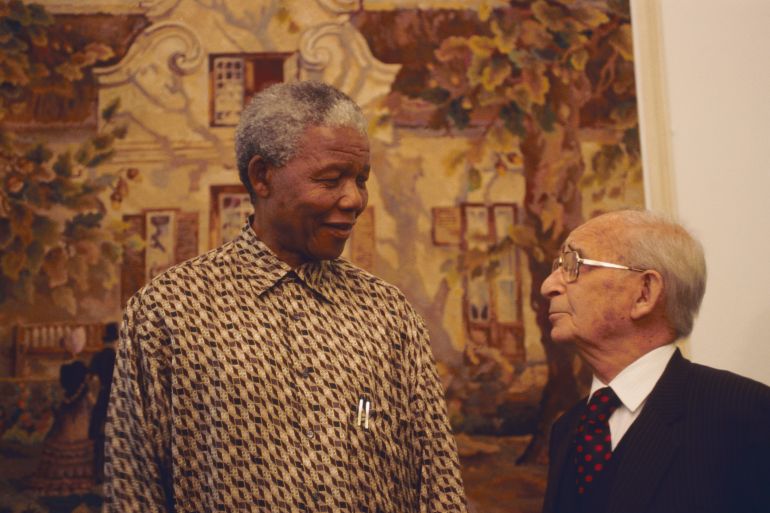


 Please check your email to confirm your subscription