‘What does democracy mean if elections are ignored and journalists are charged as criminals? That is the case today, as western countries descend into crises of their own making and are more blatant in their disregard for the norms they claim to adhere to. They are only devoted to aggression and to silencing dissent.
The nations of the collective west love to brag and to praise themselves as being democracies. They say they abhor authoritarian, autocratic governments and constantly condemn anyone they don’t like as belonging to that club. In reality, the word democracy is used to fool the gullible into accepting actions and policies they ought to reject and also as a weapon meant to disguise evil intent. But the facade is cracking as the dictatorial tendency becomes harder to hide.
Here in the United States, Kamala Harris became the Democratic Party’s presidential nominee after wealthy donors orchestrated a coup against the sitting president they put into office four years earlier. The end run around the primary voting system meant that no one voted for her to become president and yet we are warned that we are at risk of losing democracy unless she wins the election.
The US is not alone regarding democratic fakery. In France, President Emmanuel Macron’s party lost an election to the New Popular Front (NFP) coalition . Under French law, he is bound to appoint a prime minister from that coalition but he has refused to do so, claiming that the coalition won only a plurality and not a majority. Macron is very brazenly violating the letter and the spirit of French law and making a mockery of any claims of having a political system that is in any way superior to others.
Now that same country which has ignored the will of its electorate has arrested a man whose crime is giving people all over the world unfettered access to information and for refusing to give governments a “back door” to his platform.Pavel Durov is the CEO of Telegram. Durov is Russian born and he first founded VKontakte, a platform very similar to Facebook. He was at odds with the Russian government over his commitment to encrypting communication and he left Russia to live in the United Arab Emirates. He was also granted French citizenship in 2021 as an “eminent foreigner ” that is to say, “a French-speaking foreigner who contributes through their eminent action to the influence of France and the prosperity of its international economic relations”.
Millionaire wealth nor French citizenship helped Durov after he was arrested on August 24th in Paris after disembarking from his private jet. The charges against him allege that he allows criminal activity on Telegram, but that claim defies logic.Every social media platform is accessible to people who want to break the law but Telegram is unique, the platform of choice for people all over the world who want to share unfiltered information. Both Russian and Ukrainian soldiers report from the front using Telegram. Israeli soldiers boast of their war crimes on Telegram and Palestinians use it not to celebrate but to alert the world with images of broken bodies and blown-up buildings in Gaza. Ironically, it isn’t “authoritarian” Russia that arrested Durov, but France, which is supposedly among the “free” nations of the world.
Durov is not alone in being persecuted nor is France alone in diminishing legal rights. In the United States, former Marine intelligence officer and United Nations weapons inspector Scott Ritter’s passport was confiscated on June 4 as he was about to board a plane in New York City. Ritter was en route to Russia where he planned to speak at the St. Petersburg Economic Forum. He was given no explanation for the passport confiscation but two months later his home was searched by the FBI, and Ritter was informed that he was under investigation for violation of the Foreign Agents Registration Act (FARA) . According to a New York Times report on Ritter and others, “The Department of Justice has begun a broad criminal investigation into Americans who have worked with Russia’s state television networks, signaling an aggressive effort to combat the Kremlin’s influence operations leading up to the presidential election in November…” In addition to his former roles in the U.S. military and at the United Nations, Ritter is also a journalist who hosts his own podcast and Substack page while also writing for Consortium News and other outlets.
The FBI raid on Ritter’s home was quickly followed by the arrest of British journalist Richard Medhurst on August 15 as he returned to the UK at Heathrow Airport. He was held for nearly 24 hours under Section 12 of the Terrorism Act and was accused of, “expressing an opinion or belief that is supportive of a proscribed organization.” It isn’t clear what if anything Medhurst said or wrote in violation of this stature, but other UK citizens have been arrested for making statements that supported Palestinians’ rights to self-defense.
It is not coincidental that the west has dropped any pretense of democracy in its attacks on journalists and those who provide media access. Julian Assange was recently released in a plea agreement after years in asylum and in prison.The Assange solidarity movement was by and large not taken up by those people who are also allegedly journalists. They joined in attacking him and gave access to Assange’s persecutors to make their case while treating the victim as a pariah unworthy of any consideration.
The years of draconian legislation such as the Terrorism Act in the UK, the Patriot Act, the Espionage Act and the Foreign Agent Registration Act in the US have all been used to shut down any narrative that states find inconvenient. It is ironic that Durov was lionized during the days of his disputes with the Russian government but he has now been rendered invisible by the west’s black hole used to eliminate dissenting information.
One must ask the question, why now?The world has reached a point of very dangerous contradictions. Russia is winning the war in Ukraine but the west insists on prolonging the conflict with an ill-fated incursion into Russia, complete with war propaganda proclaiming victory while Ukrainian soldiers are the casualties. Not only do Israel’s war crimes continue, but it is seeking to instigate a wider regional war against Iran in particular. US incompetence during a lame-duck presidency only increases tensions while corporate media say little or nothing about the many crises facing the world. Even with their smaller audiences Ritter and Medhurst are a threat. Durov will be held a de facto hostage until he agrees to allow surveillance of Telegram users.
Of course, the west is only revealing its true nature. The nations that invaded most of the world and enslaved and colonized and stole resources were never superior. They were just the most powerful and their riches came from exploiting the rest of humanity. When we speak of the plight of Durov and Medhurst and Ritter we must also acknowledge that they fell prey to the worst predators in human history.
Margaret Kimberley’s is the author of Prejudential: Black America and the Presidents. Her work can also be found at patreon.com/margaretkimberley and on Twitter @freedomrideblog. Ms. Kimberley can be reached via e-Mail at Margaret.Kimberley(at)BlackAgendaReport.com.”
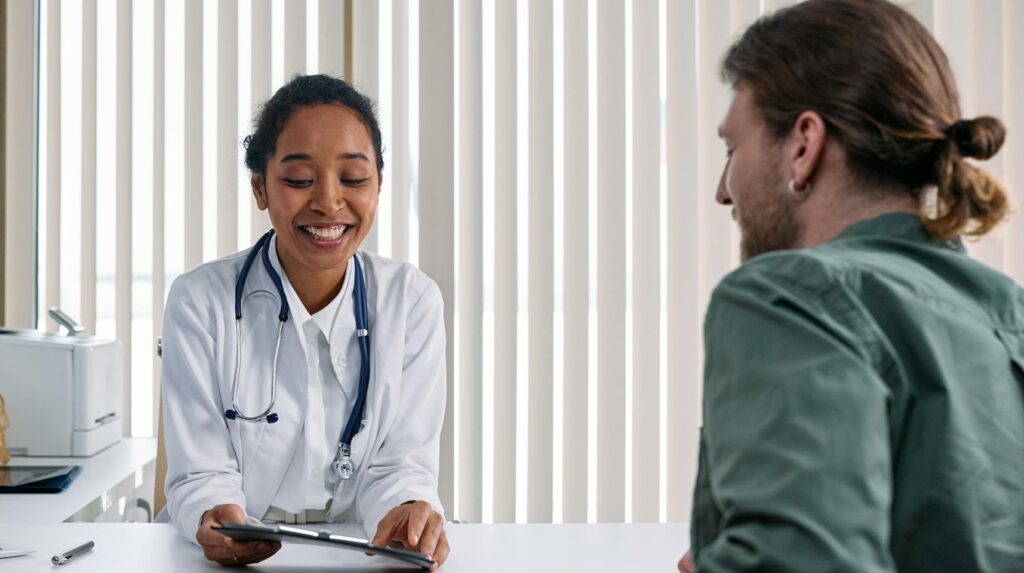
For many people around the world, a doctor’s visit can be exceptionally fraught due to a language barrier in a scenario where accuracy and the ability to understand and be understood are of utmost importance.
But four former and current students of the Technion – Israel Institute of Technology in Haifa have developed a new tool that could mean an end to such situations, with an automatic translation platform that is designed specifically for encounters between patients and their physicians.
“It is a simultaneous translator between doctors and patients who have both language and cultural challenges,” explains CommU CEO Hadar Eliad, MD.
“The objective of CommU is to offer free communication between patient and doctor,” she tells NoCamels.
Israel is a melting pot of citizens from a multitude of countries, and while Hebrew is the primary language, more than 20 percent of the population is Arab and another 15 percent are native Russian speakers.
The startup was established by Eliad along with CFO Efrat Ordan, CTO Hanna Ben-Yehuda and COO Ella Fainitsky. Eliad and Fainitsky were both medical students, while Ben-Yehuda was studying computer science and Ordan electrical engineering.
Crucially, the CommU platform takes into account cultural differences that could both hamper diagnosis and adherence to a treatment regimen.
Eliad gives the example of a Russian-speaking patient who told her doctor that she had pain in her left side.
In Russian, explains Eliad, there is a specific word for the area around the ribs, but which in Hebrew became a more general reference to the left side. Because of this, the doctor did not initially understand that the patient was referring to a specific area on the left side of her body.
The app can be installed on all devices, including smartphones (Photo: BigStock)
The tool comes in the form of an app that can be installed on any device that a doctor uses – phone, tablet or computer – and provides text and voice-based translation.
It is designed primarily for family physicians and emergency room doctors, the two places where patients born in foreign countries are most likely to interact with medical staff.
The four began to work on the translator about a year and half ago, after Eliad had an encounter during an oncology rotation, when the doctor she was with had to inform a patient that her breast cancer had returned.
The patient spoke only Arabic, which the doctor did not speak, Eliad says. As a result, the physician was forced to address her remarks to the patient’s husband, while the patient played no part.
“The patient sat there completely uninvolved in the conversation,” she says. “They were talking about her cancer and she was completely disconnected.”
Eliad asked the patient’s husband if his wife understood anything that was being discussed and he replied that she did not but he could explain it to her later at home.
“It pained me that he had to give this bad news to his wife at home, when it was the job of the doctor, who could also answer any questions she had,” Eliad recalls.
Eliad then brought in a colleague who speaks Arabic as her mother tongue to help translate.
“Suddenly the patient became very engaged,” she says, “asking questions about her treatment and her prognosis and other things she wanted to know.”
Eliad discussed this experience with her co-founders and they decided to create a platform to solve this problem.
They built the app using a number of different AI machine learning models in order to maximize the individual strengths of the various formats.
The team used a number of different AI machine learning models to build the platform (Image: Pexels)
The four then further adapted the new platform to their own needs by adding medical vocabulary and terms.
They worked extensively with anthropologists at the University of Haifa in order to incorporate more than 100 relevant cultural references, and collaborated with the Israeli Ministry of Health and three of the four national health maintenance organizations.
The app supports Hebrew, Arabic, Russian and English – the four most commonly spoken languages in Israel – as well as most European languages. They are working on adding more languages, the four say, but want to ensure that the translation is of the same high standard before making them available.
The startup came through BizTec, the Technion’s entrepreneurship program, and was this summer in the 2024 cohort for MassChallenge Israel’s Early Stage Accelerator Program, a four-month intensive course in Jerusalem that helps entrepreneurs advance their nascent companies.
The team recently completed the development of the app, working with several clinics that treat patients from a wide variety of backgrounds, including Ukrainian refugees.
“The last time I was [at one of the clinics],” says Fainitsky, “there were six patients from six different countries.”
Now, says Eliad, the app is at the “exciting” stage of actually being used by the first adopters, including staff at a neurological rehabilitation center in Haifa, and they hope to expand their reach quickly.
After all, she says, “the patient is the most important thing.”
Jean Lee, a PhD student at Melbourne’s Doherty Institute, inspects the superbug Staphylcocus epidermidis on an agar plate in Melbourne on September 4, 2018.William West/AFP via Getty ImagesJean Lee, a PhD student at Melbourne’s Doherty Institute, inspects the superbug Staphylcocus epidermidis on an agar plate in Melbourne on September 4, 2018.| William West/AFP via Getty Images
Jess Craig is a Future Perfect fellow covering global public health, science, and environment. Previously, she worked as an infectious diseases epidemiologist and global health security adviser supporting various US government agencies, multilateral organizations, and private research institutes.
In November 2012, 18-year-old Meredith Littlejohn was a high school senior eagerly awaiting college acceptance letters, prom, and graduation when she was diagnosed with acute myeloid leukemia, a type of rapidly progressing blood and bone cancer.
Littlejohn underwent four rounds of chemotherapy and went into remission. But by June, her cancer had returned, and she resumed treatment. With her immune system waning due to the chemotherapy, Littlejohn contracted an infection caused by the bacteria Pseudomonas aeruginosa. But the bacteria causing her infection had evolved to evade many common antibiotics that would normally have cured her. Littlejohn’s doctors treated her with colistin, a last-resort antibiotic used for hard-to-treat infections. But even the colistin was not effective against the bacteria.
By October, the infection spread to her lungs and then to her bloodstream. A year after her cancer diagnosis, 19-year-old Littlejohn died from her infection.
Drug-resistant infections like Littlejohn’s are becoming more common. This phenomenon where bacteria evolve to survive antibiotics is called antibiotic resistance, or antimicrobial resistance more broadly because viruses and fungi can also evolve to survive antivirals or antifungals.
Common infections are becoming harder or even impossible to treat, and lifesaving medical procedures from surgery and cesarean sections to chemotherapy are becoming much riskier.
The World Health Organization (WHO) has identified antimicrobial resistance as one of the century’s top global health threats.Already some 2.8 million Americans contract drug-resistant infections each year resulting in 35,000 deaths, according to the Centers for Disease Control and Prevention (CDC). Globally, the death toll is estimated to be just over 1 million.
While antimicrobial resistance is a natural consequence of evolution, researchers believe that we are accelerating this process because antibiotics are so readily used across the globe. Antimicrobials are used not only to treat infections in humans but also to prevent infections in farm animals or sometimes just to rapidly fatten them up.In developing countries or places facing humanitarian crises, infections are more common because of a lack of access to clean water and proper sanitation infrastructure. In some places with poor regulation around pollution, waste from health facilities or pharmaceutical manufacturing is simply dumped into nearby waterways, creating a perfect environment for pathogens to evolve resistance.
Given the wide variety of factors that contribute to the rise of antimicrobial resistance, many solutions — from improving infection prevention and implementing policies that reduce unnecessary antibiotic use — need to be implemented. New antibiotics are also critically needed. But very few pharmaceutical companies are working to develop new ones because they are not profitable. Congress is now mulling renewed legislation to revive the antibiotic research and development field. The bill — called the Pioneering Antimicrobial Subscriptions to End Upsurging Resistance Act, or PASTEUR, a nod to the famous chemist and microbiologist Louis Pasteur – is widely supported by politicians on both sides of the aisle and by many public health organizations. However, some are concerned that the act will restrict access to badly needed antibiotics worldwide further exacerbating global inequities.
What is the Pasteur Act?
The pharmaceutical industry got its start developing antibiotics. But today, few companies are interested in developing new ones. All the major American and European pharmaceutical companies have shuttered their antibiotic development programs and many smaller firms have gone bankrupt trying to develop antimicrobials. Since 2017, the US Food and Drug Administration and the European equivalent have approved only 12 new antibiotics, but 10 of those were similar to existing drugs to which pathogens have already developed resistance.
Pharmaceutical companies don’t want to make antibiotics because they are not profitable in our current economic model for drug development, experts say. Companies typically invest billions of dollars into researching and developing new drugs, which includes covering the cost of large clinical trials required for FDA approval. Companies recoup this investment when a successful drug reaches the market and starts selling to patients and consumers. How much money a drug will make is based on the cost of the drug, the number of people who need the drug, the length of time patients take the drug for, and the amount of the drug they need.
Here lies the problem with antibiotics: They’re generally affordable, and most people aren’t taking them all the time.
Even though humans and animals everywhere are susceptible to infectious diseases, infections occur only periodically and when they do, taking antibiotics for a week or two typically cures the infection — unless, of course, it is a drug-resistant infection. That limited treatment period makes the volume of antibiotic sales too low for companies to turn a large profit or to even recover the cost of drug development, explained Ryan Cirz, the CEO of Revagenix, a pharmaceutical company developing antibiotics.
The alternative, at least in the US, would be to hike the price of antibiotics to thousands of dollars per dose, but that doesn’t go over well with the public or health insurance companies, when the average price is anywhere from $40 to $200 without insurance. (In Europe, governments set the price of medicines.)
Given the risks posed by antimicrobial resistance, many governments are now working to create new models to incentivize and encourage antimicrobial research and development. The Pasteur Act is one of those efforts. Last year, the US Senate proposed a revamped version after a similar bill failed to pass in 2021. The new version of the Pasteur Act has less funding — it’s capped at $6 billion, versus $11 billion.
Essentially, the Pasteur Act would allow the US government to enter into subscription-style arrangements with companies manufacturing antibiotics. Once an antibiotic receives FDA approval, the US government would pay the pharmaceutical company anywhere from $750 million to $3 billion over five years to keep manufacturing the antibiotic, said Erin Duffy, the chief of research and development at CARB-X, a nonprofit dedicated to accelerating antimicrobial development. The US government would then provide that antibiotic to federal health insurance beneficiaries — such as veterans or seniors on Medicare — free of charge. (The act also calls for the Department of Health and Human Services to encourage private health insurance companies to also enter similar subscription-style contracts to procure antibiotics that receive funding through the act.)
“You’re sort of delinking that sales and volume thing,” Duffy said.
The challenge of making new antibiotics
Right now, the US government offers grants to fund early-stage drug research and development; other funders, such as NGOs, step in when promising candidates near final stage clinical trials. But the Pasteur Act uniquely promises to fund select antibiotics at a critical, tenuous time in the pipeline: right after FDA approval.
In that post-approval window, scientists and regulators have evidence that a drug is effective and safe. But there are still several costly hurdles to overcome to get a drug stocked in pharmacies across the country. For one, pharmaceutical companies are legally required to conduct a clinical trial amongst children within five years of FDA approval. That can cost upward of $80 million, according to Cirz. “So that will bankrupt you immediately,” he said.
What is even more costly is scaling up manufacturing capacity. During clinical trials, pharmaceutical companies are making drugs at a research site. But once a company receives FDA approval, it must move production to large-scale commercial manufacturing spaces.This all comes with a huge price tag, in the realm of $100 million, says Cirz. Additionally, many antibiotics being developed now are meant to be given intravenously to treat the most severe infections, which means they must be placed in sterile vials — another pricey expense.
The Pasteur Act aims to provide funding in this critical five-year period. “It’s trying to stabilize the fact that we can’t generate enough revenue to pay our bills at approval,” Cirz explained. Pharmaceutical companies developing antibiotics still won’t see the same kind of profit margins as a drug like Humira, a drug for rheumatoid arthritis, which brought in $21.2 billion in 2022.But that $750 million to $3 billion infusion of funds would be enough for companies to recoup their investment in research and development and to maybe invest in other antibiotics, Duffy said.
The Pasteur Act will not fix the system
While the act has bipartisan support in Congress and hundreds of health organizations to back it, some global health stakeholders, such as Doctors Without Borders, have cautioned against the act’s approach. They warn that antibiotics developed under this model would be more costly and inaccessible in developing countries where the burden of antimicrobial resistance is higher than in the US.
The Pasteur Act will certainly help resolve major hurdles for US pharmaceutical companies — that’s what it’s intended to do. However, antimicrobial resistance is a global problem. The emergence and spread of drug-resistant pathogens in other countries may one day present a threat to Americans. Therefore, some health organizations criticize the proposed legislation for not thinking more about the global implications of such a law
Many other developed countries with established pharmaceutical industries such as Japan, Canada, and the UK have implemented or are working to roll out their own incentives to spur antibiotic development. The Pasteur Act dwarfs these. This could potentially drive pharmaceutical companies to flock to the US market to make drugs deemed important there and not in other places.
“The size of the Pasteur Act is going to be so large that it ultimately draws developers to only focusing on the United States, only developing the drug so that it can be used appropriately in the United States, and only registering the drug in the United States, because that’s ultimately going to be sufficient revenue and incentive for what otherwise is not a very profitable market,” explained Rohit Malpani, a senior policy advisor at the Global Antibiotic Research and Development Partnership, or GARDP.
Cirz added that with a steady influx of Pasteur Act funds, pharmaceutical companies may be less interested in investing additional funds to figure out ways to manufacture their antibiotics more cheaply. Usually companies would continue investing so they can increase their profit margins by lowering manufacturing costs, but if profit margins are set by the US government, then there’s less incentive to make an approved drug cheaper, when it can divert attention to making even more drugs. Without that innovation for affordable production, the act may unintentionally prohibit developing countries such as India from being able to independently manufacture the drug.
Finally, while Americans with federal health insurance plans are guaranteed access to antimicrobials that receive support from the act, the proposed legislation does not provide any stipulations or guidance for ensuring global access to these drugs. Pharmaceutical companies are left to make decisions regarding pricing, manufacturing, and distribution of whatever antibiotics might be funded by the program, argued Ava Alkon, global health advocacy and policy adviser at Doctors Without Borders.
“What the act doesn’t do is attach any meaningful conditions to facilitate affordable access to people outside of those federal programs, and certainly not outside of the US,” said Alkon.
“From our years of work on access issues around the world, this generally results in products being sold to the highest bidder and being inaccessible in many contexts where they’re needed,” she said.
The concern about distribution is rooted in a long history of inequitable access to antibiotics. Between 1999 and 2014, 21 new antibiotics were developed. Only 12 of them were registered in more than 10 countries, most of which were high-income countries in the global north.
However, there is a bit of a tricky dynamic at play here. Because antibiotic use is one major factor accelerating the development of resistance, reducing the use of antibiotics in other countries — for instance, by restricting the sale of antibiotics there — would help preserve the effectiveness of any new antibiotic including those that receive support from the Pasteur Act. Of course, this presents a huge ethical and perhaps diplomatic question: “Is it the job for Congress to do the Pasteur Act to save every other country?” Cirz asks.
If the Pasteur Act were intent on ensuring equitable global access to new antibiotics, then the committee created by the Pasteur Act to select drugs for investment could strengthen global considerations by, for instance, requiring that pharmaceutical companies license their drug in developing countries, as GARDP recommended. Or the committee could designate some funds for antibiotics that will treat drug-resistant infections that may not be prevalent in the US but are common in lower-income countries.
While the Pasteur Act may not solve all the multifaceted challenges around antibiotic development and antimicrobial resistance, it still represents progress in solving one of the most daunting and intractable public health challenges of our time.
“There’s no question it will help me be economically successful as a drug developer,” Cirz said. “Does it fix the system? I worry it doesn’t, and I worry it creates new problems. But, at this point, everyone’s desperate for something to happen.”
You’ve read 1 article in the last month
Here at Vox, we believe in helping everyone understand our complicated world, so that we can all help to shape it. Our mission is to create clear, accessible journalism to empower understanding and action.
If you share our vision, please consider supporting our work by becoming a Vox Member. Your support ensures Vox a stable, independent source of funding to underpin our journalism. If you are not ready to become a Member, even small contributions are meaningful in supporting a sustainable model for journalism.
Consultant Psychiatrist Dr John O’Donovan of Saint John of God Hospital stresses that depression is not a natural end point of getting older and can be treated well following an accurate diagnosis.
Depression in older patients is a common clinical problem affecting at least 3 per cent of community-dwelling older patients and up to 10 per cent of older adults in residential care.
Clinically, it’s characterised by pathological sustained sadness, absence of pleasure in response to normally pleasurable activities, easy fatigue and a constellation of other symptoms including sleep disturbance (both insomnia and hypersomnia can be present), psychomotor changes such as agitation or retardation, feelings of worthlessness or guilt, reduced concentration and recurrent thoughts of death or suicide.
Depression in older adults may present atypically and more often than not will be complicated by comorbidity, polypharmacy and of course the normal challenges of ageing, of which isolation, grief and poverty require special attention. It’s important to identify depression in this population, as available treatments are safe, straightforward and effective.
Diagnostic criteria The DSM-5 criteria for diagnosis of depression requires that symptoms be present for two weeks and are present on a near continuous basis. The two core symptoms are depressed mood and anhedonia. One or other or these symptoms ‘must’ be present.
Depressed mood is a very innocuous sounding symptom and does not adequately convey the mood alteration in severe depression, which may result in self-loathing, profound guilt, ideas of worthlessness, futility and death. It can be an unbearable emotional state for a patient such that death by suicide can seem a rational end.
Anhedonia describes the loss of pleasure in normally pleasurable activities and as with depressed mood exists on a continuum, and it’s important to ask about even partial anhedonia. A total of five symptoms out of nine are required for a diagnosis of depression and one of the five must be either depressed mood or anhedonia.
Pic: Getty Images
The other seven symptoms are listed below. 1. Significant weight loss when not dieting or weight gain (e.g. a change of more than 5 per cent of body weight in a month); 2. Insomnia or hypersomnia nearly every day; 3. Psychomotor agitation or retardation nearly every day; 4. Fatigue or loss of energy nearly every day; 5. Feelings of worthlessness or excessive or inappropriate guilt; 6. Diminished ability to think or concentrate, or indecisiveness; 7. Recurrent thoughts of death, recurrent suicidal ideation.
There are a couple of other caveats, which are broadly speaking that symptoms cause functional impairment and they are not better accounted for by an alternative explanation, such as substance misuse or a different psychiatric illness.
Applying the DSM-5 criteria to the older patient It is interesting to consider how the above criteria apply to an older patient. Older patients are often stoic and reluctant to complain about emotional distress. This co-exists with long-standing social beliefs defining old age as a time of illness, reduced functional ability, loss and unhappiness. But it is important to challenge these beliefs, and generally speaking more so for patients than doctors. Depressive comments from older patients indicate depression. Depression is not a natural consequence of ageing.
Anhedonia is generally best gauged by asking about normal pleasurable activities such as watching television, sporting occasions, meeting family members such as children and grandchildren and whether these activities still currently provide a normal response, and that the response is not attenuated.
Caution needs to be exercised in analysing the biological features of depression in the elderly. Sleep, physical energy, appetite and fatigue are especially prone to be disturbed due to a multitude of common problems in later life, such as heart failure, nocturia, malnutrition, medication effects and nearly all serious physical illnesses.
Feeling worthless or guilty is a very sensitive symptom that really is age independent, but poor concentration or indecisiveness can be related to cognitive problems such as early dementia or delirium, and thinking about dying is not always pathological in older patients, particularly so if they have an incurable or terminal illness.
Figure 1. Click to enlarge
The proviso for functional impairment can also be troubling. For example, if a patient is severely functionally impaired due to combined arthritis, left ventricular failure and early cognitive decline requiring full nursing care, how then does one determine functional decline?
The answer is, of course, that there may not be measurable functional decline, but there may still be profound depression and a ‘tick box’ approach to symptoms does not work well in older patients.
Each individual symptom needs to be considered as whether it’s truly due to depression or an alternative cause and this must ultimately come to a diagnostic decision as to whether depression is the problem or not.
This decision is very much a global impression, which takes into account alteration from normal functional performance, personality, and collateral information from spouse or carers and simultaneously rules out the common mimics.
How to distinguish between delirium, depression and dementia Delirium, dementia and depression can look identical on a single cross-sectional assessment and teasing them out at the bedside with limited time can be a difficult task.
Delirium will tend to have a clinical triad of poor attention, sleep wake cycle disturbance and an underlying physical problem of some type and will, of course, tend to begin more abruptly and fluctuate more widely during a 24-hour cycle.
The distinguishing features of dementia tends to be the primacy of cognitive problems leading to progressive functional decline and, unlike delirium, this is a slow process, which evolves over months and years. Time course and clinical setting can also be useful diagnostic pointers as outlined in Figure 1. Taking the history Core questions that should always be asked are a combination of open and closed questions about mood such as “how are you feeling?” and “Are you feeling sad or unhappy recently?” and specific questions about anhedonia such as “Are you enjoying things?”, or perhaps more effectively to ask about favourite interests, company and hobbies and find out if they are still enjoying these to the same extent.
Questions about self-esteem such as “Are you feeling confident?” and guilt “Are you worried that you have let anyone down?” are all important topics to explore, as are beliefs about the future such as “How does the future seem to you?” All of these questions relate to the core emotional aspects of depression including sadness, futility, self-esteem, guilt and the person’s belief about the future.
Vegetative features need to be interpreted with an appropriate knowledge of the person’s physical state and clearly if the core emotional aspects of depression are not present, vegetative features need to be interpreted cautiously.
Finally, thoughts of dying and suicide must always be asked about and can usefully be sub-divided into an increased level of risk as seen in Figure 2.
At the lowest level are fleeting thoughts of not being present or of death presenting an escape with no true plan or intent of suicide. This is quite a common presentation in even significant depression.
The next level is considering harm to oneself and perhaps turning over different scenarios and plans.
As the plans become more specific and definite, the risk elevates and patients may think about different methods over a long time before actually escalating to actions such as overdose, cutting, hanging, drowning etc.
Figure 2. Click to enlarge
Older patients are statistically far less likely to self-harm than younger patients and any suicidal act in an older patient should be treated as a true suicidal attempt until proven otherwise.
Prior history of depressive episodes should also be enquired about, family history of depression and critically any episodes of mania in the patient or in the patient’s family.
The presence of a prior manic episode immediately alters the diagnosis from that of depression into bipolar disorder, which means a significantly different treatment approach with use of mood stabilisers rather than antidepressants.
Substance misuse needs to be enquired about with the commonly abused substances being alcohol and benzodiazepines.
Severity of depression and treatment The best guide for severity of depression is functional impairment. Mild depression causes minimal impairment of function, moderate depression will impair function significantly and severe depression will have near total functional impairment, where basic tasks such as getting dressed, eating and drinking may be neglected. Severely depressed older patients may require hospitalisation and full nursing care until their depression is treated.
Physical illness and depression in later life Important things to look out for during the physical examination are evidence of acute physical illness, thus suggesting a delirium, and hypoactive delirium can be very hard to distinguish from depression with psychomotor retardation.
Certain physical illnesses are strongly associated with depression including pancreatic cancer, Cushing’s syndrome, Parkinson’s disease, stroke, dementing illnesses and of course any illness resulting in chronic pain or significant functional disability.
In practice, the most common confounding physical illnesses are dementia, stroke disease, cardiac disease, arthritis and Parkinson’s, and as the population ages it is now increasingly the case that the older depressed patient will have several physical illnesses and be on multiple pharmaceutical agents. Treatment The purpose of the history and examination is to establish a clear diagnosis, identify any immediate or urgent problems (delirium, acute illness, suicide risk) and plan effective treatment.
Depression in later life is not uniform, and each patient will present his or her own particular set of circumstances and require individualised treatment with a different balance of biological treatments, social interventions and psychological interventions. Antidepressant use in the elderly patient Antidepressant medication is a safe and effective treatment for depression in the elderly.
However, no single anti-depressant is clearly superior to others in terms of efficacy.
International guidelines generally suggest first-line treatment with one of the SSRIs and if this fails moving on to an SNRI or alpha-2 antagonist.
Common side-effects of the SSRIs as a group are nausea, headache and an initial increase in anxiety. These effects can be reduced by starting with low doses and taking them with food, and it’s sensible to warn patients of these side-effects and reassure them that these tend to pass within four-to-five days.
Sexual side-effects for both men and women are also common, occurring in up to 20 per cent of patients taking SSRIs, and need to be enquired about directly as the patient may not volunteer this information due to embarrassment.
Serious side-effects include hyponatremia, prolongation of the QTc and serotonin syndrome (Figure 3).
Serotonin syndrome is characterised by hyperthermia, hyperreflexia with clonus and a delirious state.
The true prevalence of this is unknown and it probably exists as a broad phenotype ranging in severity from mild agitation and confusion to a severe illness, which can result in death.
Prolongation of the QTc is associated with antidepressant use from several classes and is a particular problem with citalopram and escitalopram at higher doses. However, it is not clear that the prolonged QTc translates neatly into higher rates of sudden death from torsades de pointes.
Hyponatremia with SSRI use is a common clinical problem in older patients and is more likely to occur in thin, physically ill, older women on antihypertensives.
The clinical presentation is varied but classically a hypoactive delirium with prominent nausea and myoclonus or tremor.
As a simple rule of thumb, transient nausea, headache and anxiety are very common, self-limiting and do not cause longer-term harm.
Figure 3. Click to enlarge
QTc prolongation is most strongly associated with citalopram and escitalopram and therefore a patient with known or suspected cardiac rhythm problems or a baseline ECG with a prolonged QTc should probably not be prescribed one of those agents.
Hyponatremia can happen within days of starting treatment and should be the first consideration in an older patient who becomes confused within three to seven days of starting antidepressants.
Treatment of SSRI related SIADH is to stop the medication and fluid restrict.
Patients tolerate SSRIs well and there is little to choose between them. Older patients may require longer to respond and a period of between four to six weeks is the correct time to wait.
If patients do not respond to the initial treatment, the correct option is to switch to another agent. This may be another SSRI or an antidepressant from a different class and a common strategy is to switch to an SNRI such as venlafaxine or duloxetine or an alpha-2 antagonist such as mirtazapine.
Once again, these medications should be taken at effective doses for another four-to-six weeks and the patient reviewed.
A patient who does not respond to two adequate trials of two different antidepressant classes may need referral to a specialist for treatment.
Psychotherapy Psychotherapy of all types is helpful in treating later-life depression and for some patients is the treatment of choice.
Matching the patient to the correct psychotherapy and therapist is important and independent of the type of therapy employed, the skill and experience of the therapist remains a key variable.
It is important also to make sure that the patient is physically and cognitively well enough to engage in the process.
A patient with cognitive impairment and depression may not manage to attend sufficiently to make psychotherapy worthwhile.
Social and other treatments Very often the most effective treatments in later-life depression are practical. Increased social support at home, meals on wheels, addressing pain through adequate analgesia, making sure that the patient is warm, has enough to eat, has company, is not in physical pain, does not suffer from sensory deprivation and has a sense of purpose in the day and a meaningful future.
Carer burden is an important stress to consider in older patients and treatment of isolation is crucial.
Attendance at a day centre or day hospital for social interaction and communal meals is often the key difference between living at home in the community and crisis admission to a general hospital or residential home setting.
In conclusion, depression in the elderly is a common clinical problem, which can be diagnosed accurately by taking a good history and focusing on the core features of unhappiness and loss of pleasure in life.
It’s important to rule out common mimics such as delirium or dementia and consider the risk of suicide at all stages.
Treatment is broad based and relies on correct use of medication allied to other interventions, which aim to improve the patient’s comfort, purpose and sense of self.
With good treatment, depression remits. Depression is not a natural endpoint of getting older and the treatment of depression in the older person is rewarding for both patient and doctor.
Dr John O’Donovan, MRCPI, MRCPsych, Consultant Psychiatrist, Saint John of God Hospital, Stillorgan, Co Dublin.
Wes Streeting kept his word. One of the first phone calls he made the day after Labour won its landslide victory in July was to the doctors’ union, the British Medical Association (BMA). Within a few weeks he had negotiated a deal that looks likely to end the long-running junior doctors’ dispute in England. On 1 August GPs began their own work-to-rule industrial action, in which doctors are reducing some services or capping the number of patients seen each day. Despite apparently constructive talks with Dr Katie Bramall-Stainer, chair of the BMA’s GP committee, a resolution to this dispute seems further off. Streeting will argue that he does not have the resources immediately available to reverse a decade of underfunding and neglect of primary care. But he is strongly signalling his desire to “reset” the relationship between government and the medical profession to one of collaboration rather than conflict.
To achieve this reset, the Health Secretary will have to confront the fundamental crisis engulfing the medical world – a crisis that won’t be fixed by upping pay or magicking measures to render workloads manageable again, and about which he has been largely silent to date. The drums of discontent have been sounding with escalating tempo and volume for the past year, and a state of war has ostensibly now broken out between grassroots doctors and the medico-political establishment.
There have been casualties already. Several medical royal colleges – august institutions that have traditionally safeguarded and promoted the highest standards of practice in their particular branch of medicine – have faced revolts from their rank-and-file members. Members of the Royal College of Physicians of London’s senior leadership team have resigned and its president has been defenestrated. The medical regulator, the General Medical Council (GMC), is facing two lawsuits, one on the part of the BMA, the other a crowded-funded action by a group of anaesthetists called Anaesthetists United.
The conflict has erupted over the introduction of a new role into the health service, the medical associate professional (MAP).There are various types, but MAPs are usually degree holders who have undergone a two-year condensed and abridged programme of clinical studies, equipping them with a basic understanding of the commonest aspects of medical practice.
The first MAPs started working in the NHS 20 years ago. They were originally envisaged as assistants, relieving doctors of routine and administrative tasks, something that would have been uncontroversial and helpful. But over the past ten years, the role has transmogrified into something very different, with health service leaders looking to MAPs to take on what might be deemed medically “simple” cases, escalating only the more challenging patients to their supervising doctors.
There are currently over 4,000 MAPs in the NHS: 3,500 physician associates (PAs), assessing and treating patients in various settings; around 150 anaesthesia associates (AAs), administering anaesthetics to lower-risk cases; and approximately 600 surgical care practitioners (SCPs), undertaking low-risk surgical procedures. The NHS Long Term Workforce Plan, published in June 2023, revealed explicitly for the first time the ambition for the role, aiming to increase these numbers to 10,000 PAs and 2,000 AAs by 2036-37. The theory goes that the more MAPs there are taking on the “simple” workload, the fewer doctors will be required in the future system overall.
At one level the controversy over the introduction of MAPs can be construed as a turf war: members of an established profession resisting incursion on to their traditional territory. This is certainly how proponents of the MAP project, such as the former health secretary Steve Barclay and erstwhile health minister James Bethell, have attempted to frame the dispute. But that is a political obfuscation designed to minimise sincere misgivings on the part of many doctors.
In order to understand the issues, it can be helpful to envisage the NHS as a complex ecosystem, populated by various species of healthcare professional – doctors, nurses, physiotherapists, pharmacists, paramedics, radiographers and so on – working in concert in the cause of patient care. Each profession has its own area of expertise, new entrants must satisfy the training and qualification requirements of their chosen field, and all practitioners are accountable to a regulator for the quality and safety of their work.
The NHS ecosystem today looks very different to how it did 30 years ago. The professional titles might be the same, but responsibilities have evolved beyond all recognition.Many nurses, for example, now undertake advanced training to be able to perform tasks that would have been the preserve of doctors a generation ago. There have been several drivers behind this process, but the two most important are productivity gains – in general, professions that have taken on new responsibilities are less expensive to train and employ – and career development: an experienced casualty nurse, for example, will become intimately familiar with the management of typical cases and might relish the opportunity to put extended skills into practice. The ecosystem has adapted over time to deliver its end goal with ever greater cost-efficiency.
The MAP project – fundamentally about achieving further productivity gains – has been different and can best be understood as the abrupt, external introduction into the ecosystem of an entirely new species. For it to succeed and thrive, this new species must carve out a niche for itself. In the case of MAPs this would be undertaking those “simple” cases alluded to earlier.
Had MAPs been introduced as doctors’ assistants as originally intended, the role may well have evolved organically in the way many others have. But the Tory government was in a hurry. Wages account for roughly 45 per cent of the total NHS budget and after top managers, senior doctors are the health service’s highest-paid employees. The rapid introduction of new, less-expensive personnel was seen as an urgent necessity to help mitigate the projected inexorable rise in health service spending.
A programme of wholesale role substitution like this might be expected to attract scrutiny. Is it safe? Does it actually reduce costs? Is the quality of care maintained? What limits are there to what MAPs can reasonably do? How much supervision is required and how can it be funded and resourced? What is the impact on the next generation of doctors who will be expected to provide that supervision? Such questions would take time to research thoroughly, and there is always the risk that the answers might not be as hoped.Far easier to do what the Conservative government did: create the conditions under which hospital departments and general practices would seize upon these new pairs of hands and develop the roles away from public or indeed regulatory gaze.
The prerequisite was an ecosystem starved of the very species MAPs are intended partially to replace. We are constantly told that the NHS is short of doctors: long waiting lists for hospital care and difficulties getting GP appointments are adduced in evidence. Yet paradoxically there is no shortage of medical manpower. Rather, the opportunities available for doctors to progress their careers have been inexorably squeezed. Postgraduate training places and substantive posts have been curtailed in anticipation of proportionately fewer specialists and GPs being required in the future. Funding has been diverted to the training and employment of MAPs instead.
This has resulted in demoralising bottlenecks at every stage of medical careers, with many doctors left languishing in “holding” posts or facing the need to find alternative work outside of medicine. According to the BMA, there are at least 1,500 fully trained GPs in England struggling to find work, while patients are crying out for access. Practices, subject to years of real-terms cuts, can no longer afford to employ them. But there is a special fund known as ARRS (additional roles reimbursement scheme), ring-fenced by the previous government, that enables surgeries to recruit MAPs at no cost to individual practices. The only string attached is that the practices must deploy them to do what GPs have always done, assessing undifferentiated patients – the great swathes that come to general practice each day with every type of problem from the trivial to the deadly serious.
In July 2023, a coroner’s report was published on the tragic case of Emily Chesterton, a 30-year-old actress who died from a blood clot on the lung (a pulmonary embolism). Chesterton had attended her local surgery twice, complaining of calf pain and breathlessness. She had been told that she had strained a leg muscle and was anxious. Shortly after the second consultation, she collapsed and died.
Although Chesterton believed she’d seen a GP, her appointments had in fact been with an MAP: in this case a physician associate, or PA. The conjunction of leg pain and breathing difficulty should make any doctor instantly think of a pulmonary embolism, an eminently treatable condition. The coroner ruled that had Chesterton seen someone medically qualified it is likely she would have lived. The needless death of a young woman was shocking enough, but what it implied about the level of PA training and competence, and the mismatch with the degree of autonomy some were being given, caused collective disbelief.
The Chesterton case could have proved to be a tragic one-off, but it was not. Front-line doctors in both general practice and hospital medicine began circulating on social media other examples of PAs allegedly mismanaging patients with conditions as diverse as cancer, heart failure and stroke.Numerous instances of PAs replacing doctors on hospital rotas were disclosed; likewise, examples emerged of usually inner-city general practices where PAs conduct almost all the clinical work. Patients were frequently unaware of the qualifications of the practitioners treating them.
MAPs, with their very basic training, are supposed always to be supervised by experienced senior doctors, yet this was simply not happening in services stretched beyond their limits and seizing on any way of plugging gaps. Earlier this year, Joanne Kearsley, senior coroner for Manchester North, issued an official alert following the inquest into the death of 77-year-old Susan Pollitt in 2023 after a PA mismanaged an invasive procedure at Royal Oldham Hospital. Kearsley’s report echoes the concerns being repeatedly raised by the medical profession: “There is no national framework as to how physician associates should be trained, supervised and deemed competent. This is placing both patients, physician associates and their employers at risk.” She goes on to say: “There remains limited understanding and awareness of the role of a physician associate both amongst medical colleagues, patients and their families… The title ‘physician’ gives rise to confusion as to whether the practitioner is a doctor.”
Beyond the patient safety concerns, the impact of the MAP project on medical training has also become plain.Social media has reverberated with examples of MAPs being prioritised for educational opportunities, while doctors-in-training are missing out. Competition to study medicine is intense, and students typically incur £100,000 of debt by the time they graduate. At every stage of their postgraduate careers they must pass exacting examinations and continuous workplace assessments in order to progress. To see unregulated MAPs with far less rigorous and comprehensive training being fast-tracked for advancement with no standardised assessments of competence, and whose pay eclipses that of younger junior doctors, is having a devastating impact on medical morale.
Then there is the question of ultimate responsibility. Traditionally, this has rested with doctors. The GMC holds medically qualified practitioners accountable for the decisions made and the care afforded to their patients. If aspects of that care are delegated to other professionals, then the doctor retains responsibility for ensuring the safety and appropriateness of the delegation.
In 2017 the first case to test the relationship between MAPs and their supervising doctors came before the GMC. A medical registrar, Dr Steven Zaw, was criticised by the tribunal for not having repeated the assessment of a patient with suspected meningitis that had been carried out by a PA in his department – part of a verdict that led to his suspension from the medical register for 12 months. MAPs have been let loose in the NHS without regulation and with no definition of the scope or limitations of their practice – a situation that has been described by medics as the “Wild West”. When things go wrong, it is patients who suffer, and doctors who ultimately carry the can.
Neither NHS leadership, nor the GMC, nor the several medical royal colleges that have been revealed as having cooperated with the MAP project are prepared to define the boundaries within which MAPs should work, insisting instead that this is a local matter for their employers – this despite overwhelming evidence that those employers frequently deploy MAPs in unsafe and inappropriate ways. The BMA has stepped in to fill the vacuum, publishing guidance to protect doctors who are required to supervise MAPs. The BMA stipulations curtail many of the activities MAPs have until now been carrying out, such as attempting to diagnose undifferentiated patients like Emily Chesterton.
The battle lines have been drawn. Anecdotal indications are that doctors are heeding the advice of their union, and the potentially dangerous ways in which some MAPs have been practising to date are being halted piecemeal. The medical royal colleges that the government had involved with the project are following suit.
The MAP project has descended into farce, with NHS England and the GMC insisting it was never about replacing doctors, despite a plethora of documentary evidence to the contrary dating as far back as 2015.Caught up in the chaos are several thousand well-intentioned MAPs who have trained in this new type of healthcare-practitioner role; an unknown number of patients whose care may have been affected; a generation of doctors who feel their rigorous training – involving considerable personal and financial sacrifice – is viewed as essentially irrelevant by those leading the NHS.
The MAP project is just the latest instance of the marginalisation of medical expertise in the NHS. Doctors are deemed by health service leaders to be too expensive to be doing anything other than dealing with complex cases. We have seen this unfold in the GP out-of-hours setting over the past 15-20 years. A service that used to be fully staffed by GPs and triage nurses has been gradually eroded by the advent of 111, in which call handlers without clinical training use algorithmic software to assess patients.
The core problem – whether in general practice, hospital medicine or the administration of anaesthesia – lies in the concept of the “simple” case. Which cases are simple can only be determined after the fact. Most chest pain is trivial, but some instances herald major heart or lung pathology. Most headaches are migraine or tension, but some can reflect serious disease of the brain. Leg pain and breathlessness might indeed be due to muscular injury and anxiety, but some will be due to pulmonary embolism.
To reduce the chance of a “simple” case proving to be anything but, the 111 algorithms are designed to be highly risk averse. Huge numbers of patients are pushed into the ambulance service and A&E departments, the majority of whom would have been safely and effectively managed in the community were GP capacity to have been maintained.The system may look cheaper on paper – doctors are more expensive than call handlers and computers – but the escalation in overall costs has been ruinous, and the quality of patient care and experience has been dramatically degraded.
The same is now happening with daytime primary care, with MAPs and other allied health professionals replacing GPs, and with integrated care boards in various areas experimenting with impersonal “hubs” to replace traditional doctors’ surgeries. Alongside the patient-safety incidents and impacts on doctors’ training, a third concern about MAP practice has come from consultants whose departments have been swamped by requests from PAs for investigations or opinions that GPs would ordinarily have managed without referral. Healthcare needs that aren’t met in primary care will inevitably turn up in the hospital sector, hugely amplifying system costs.
This is the crisis that Wes Streeting inherits, and which he will have to resolve if he is to rebuild a health service fit for the future. His key mission is to rebalance the NHS away from expensive hospital and specialist activity in favour of more care being delivered more cost-effectively in the community. To achieve this, he will need around 8,000 more GPs in England to bring numbers of patients per doctor back down to the levels last seen in 2015.
The devaluation of medical expertise in the NHS is creating a brain drain.UK-trained doctors are internationally sought-after, and countries such as Australia, New Zealand, Canada and Ireland are energetically recruiting from the demoralised ranks. John Burn-Murdoch, chief data reporter at the Financial Times, has written that an estimated 18,000 UK-trained doctors are now working abroad – an increase of 50 per cent on 2008.That represents one in seven of the home-grown workforce and is almost three times the rate among peer countries.
The trend is continuing. In April, the General Medical Council published independent research that suggested 30 per cent of remaining UK medics are contemplating moving overseas to practise in the next year, 16 per cent of them already taking what the GMC terms “hard steps” towards emigrating. Applications for certificates of good standing (CGS), which doctors must obtain from the GMC if they are to work abroad, on average number 5,000-6,000 per year (not all CGSs convert to departures), but 8,600 were requested in 2023.
Charlie Massey, the GMC’s chief executive, was at pains to point out that the numbers leaving have yet to show a comparable uptick.But he was sufficiently concerned to go public and to urge those in power to act as a matter of “urgency”, to stem what he clearly believes may be an imminent exodus. (The GMC has been intimately involved in creating the crisis. Under Massey’s leadership it agreed to take on the eventual regulation of MAPs, and has proposed lumping them together with doctors under the umbrella term of “medical professionals”, blurring the boundaries between the two groups sufficiently that most patients wouldn’t be able to tell the difference. This is an irony that has seemingly passed Massey by.)
Shortly after Massey’s disclosure, the BMA published an analysis of the costs of this attrition in the medical workforce – up to £2.4bn to replace the doctors who left the NHS prematurely last year alone. Not all went abroad: early retirement or quitting medicine altogether for alternative careers were also part of the picture. But whatever the off-ramp, the underlying causes are the same.
Streeting appears to understand the gravity of the crisis.He recently relaxed the rules so that ARRS funds can be used to employ GPs instead of PAs, an “emergency measure” pending a wholesale review of the GP contract in 2025. And as well as pledging to help resolve the junior doctors’ pay dispute, he has acknowledged the dispiriting degradation of medical training that has destroyed morale among the next generation.
Turning around the situation will require significant political strength. There have been so many health secretaries over the past six years it is inconceivable that the MAP project – and the wider trend towards marginalising the role of doctors in the NHS – can be considered the project of one politician. Instead, it speaks of a groupthink pervading the upper echelons of the Department of Health and Social Care and the leadership of NHS England.
Wes Streeting signalled his intentions for change on his first day in office, declaring that the NHS is broken.In parallel, he should announce an end to external interference in the health service’s ecosystem: the safe and appropriate evolution of roles must be returned to the professions involved. And he needs to make clear the irreplaceable value of fully qualified doctors to high-quality care for all NHS patients, and to the sustainability of the service he aspires to restore and transform.
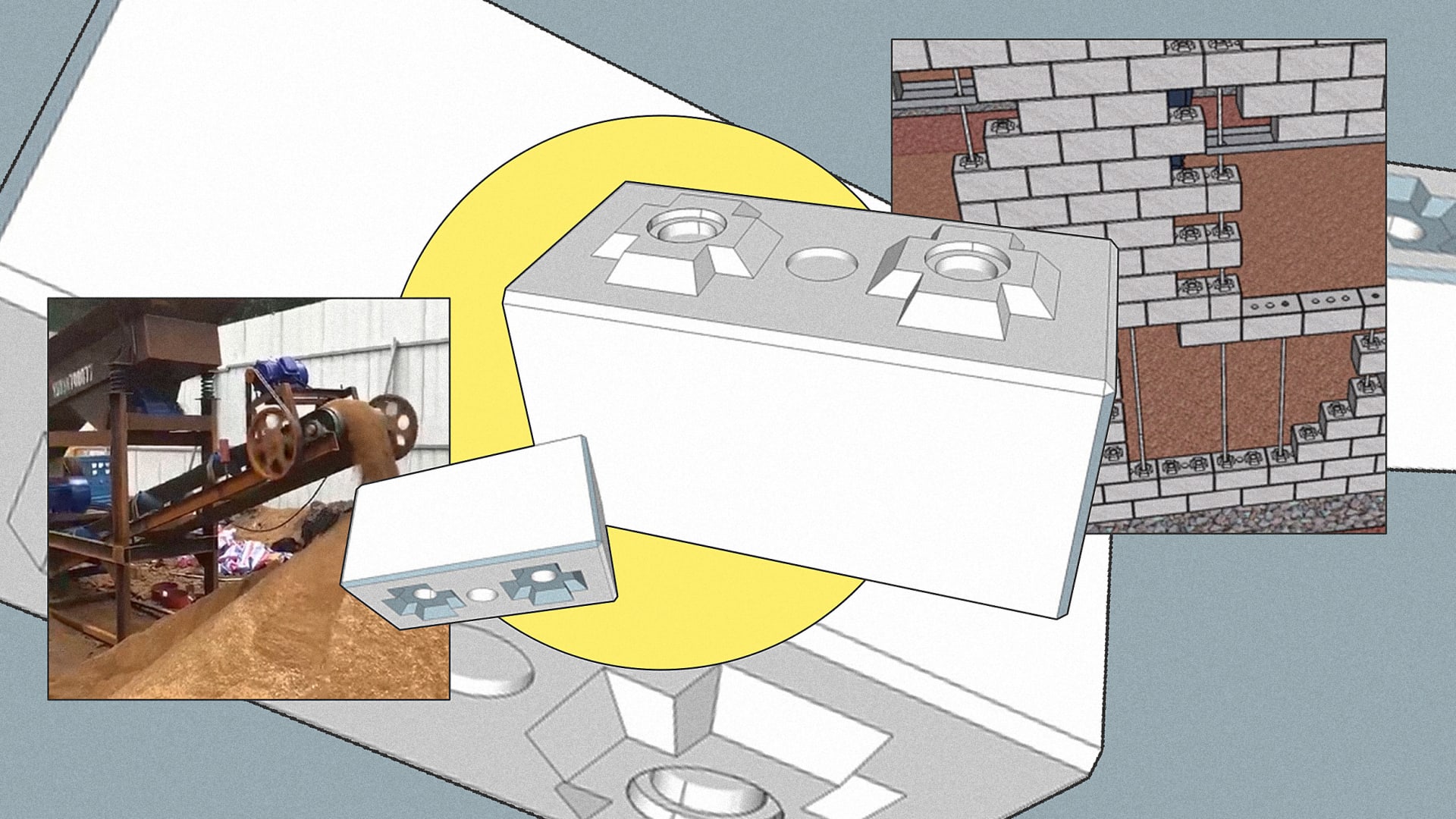
In the 30 months since Russia invaded Ukraine, hundreds of thousands of buildings have been destroyed. A new machine will soon begin using some of the rubble to make Lego-like blocks for building new homes.
“The concept is to recycle and use what’s there,” says Nic Matich, one of the cofounders of Mobile Crisis Construction, the Australia-based nonprofit that designed the equipment. A mill grinds up old walls, glass, and debris into a fine material that’s mixed with a small amount of clay, cement, and water. Then the machine presses it all into a block.The blocks take a few days to cure, and then can be used to build walls.
[Photo: Crisis Construction]
The interlocking shape of the blocks means that they can be stacked together without traditional mortar. “Unskilled labor can put these walls together with very limited training,” Matich says. In earthquake-prone areas, rebar can be added through holes that are built into the blocks.
A single machine can make up to 8,000 bricks per day; the nonprofit estimates that it can produce enough blocks to construct 10 homes every three days. (That’s just the outside structure, not including what’s needed to finish the homes inside.)
Subscribe to the Compass Newsletter.Fast Company’s trending stories delivered to you daily
Matich, who has a background in crisis response, and cofounder Blake Stacey, an engineer with expertise in bricks, started working on the project around five years ago after talking about a design for interlocking blocks over drinks at a pub. “I said, ‘What if we had this thing in a [shipping] container and we could move it around?’” Matich says. “We could then respond to crises and rebuild.”
[Photo: Crisis Construction]
When they had the design ready, they started trying to raise funding to respond after disasters like earthquakes.But because the news cycle moves so quickly, Matich says, potential donors lost interest in each disaster before they could raise the $70,000 or $80,000 needed to build each machine. The ongoing war in Ukraine, however, got more support.The first shipping container, with the machine built inside, is now on its way to an area outside Kiev. (The mill, which is freestanding, ships in a smaller crate.) The machine needs little power, unlike a traditional brick factory with a high-temperature kiln, so it can run on a small generator even when the grid is down in the area.[Image: Crisis Construction]
The first project, a collaboration with a local foundation, will rebuild several townhouses. “It’s very simple construction, all in a row,” Matich says. “It’s sort of a test case.” The nonprofit has already started raising money to build the next machine; there’s “no upper limit on how much Ukraine needs,” he says.
Eventually, the nonprofit hopes to become part of the standard response after disasters. “The UN might send in food, water, and temporary shelters,” says Matich. “And then we could have our machines roll in as a second phase response, and get used to rebuild the area.”
Apply to the Most Innovative Companies Awards and be recognized as an organization driving the world forward through innovation. Early-rate deadline: Friday, August 30.
August 28, 2024: Today is the 179th birthday of Scientific American! As we celebrate, we’re also covering Neolithic engineering prowess, how we store memories and defenses against the “Gish gallop.” —Robin Lloyd, Contributing Editor
TOP STORIES
‘Memory Molecule’ Discovery
A search for molecules that help us cement memories in place has long fascinated neuroscientists. Now, researchers have identified a key player, called KIBRA (kidney and brain expressed adaptor protein), which works in concert with an already identified protein, called PKMzeta (protein kinase Mzeta), to “tag” and then strengthen synapses. The finding resolves some recent but initially contradictory results in mice. It’s now clear that while PKMzeta is crucial to memory storage, there is no single “memory molecule,” writes freelance science journalist Simon Makin.
What the experts say: “It’s not PKMzeta that’s required for maintaining a memory, it’s the continual interaction between PKMzeta and this targeting molecule, called KIBRA. If you block KIBRA from PKMzeta, you’ll erase a memory that’s a month old,” says neurologist Todd Sacktor, a co-author of the newly published result.
Why it matters:A complete understanding of how we form and store memories is crucial for explaining how we learn and maintain our sense of self. Exactly how memory works has been a fundamental question for neuroscientists.
Thomas Alva Edison took all the credit in 1879, but the invention originated a long time before that. Seventy years earlier, Humphry Davy, originally from Cornwall in the United Kingdom, had managed to fix a thin strip of carbon between the two poles of a battery. Thus was born the first lightbulb: an invention that would allow humans to live at night, while exponentially multiplying the uses of electricity.
Today, more than two centuries later, another revolution is brewing in the world of batteries. Increasingly advanced energy storage systems hold the key to a true paradigm shift, both when it comes to economic growth and climate change.
The last step toward the definitive explosion of renewables and mass electrification is about to be completed.The technological acceleration, the growing economies of scale, and the proliferation of manufacturers (some even warn of the risk of overcapacity) have drastically reduced the price of batteries. Today, they cost, on average, a little less than 50% of what they did just 18 months ago, and 90% less than a decade ago. A drastic drop of unimaginable proportions, which has opened up opportunities on two key fronts: battery-powered vehicles and the decarbonization of the electricity generation sector.
Batteries — the icing on the renewable cake — will be the grave of oil, coal and natural gas, the fossil fuel troika responsible for the climate crisis. This is firstly because they’ll allow for the definitive electrification of road transportation. Traveling by road, especially when it involves low-tonnage, will be electric, or it won’t happen at all. Goodbye, then, to diesel and gasoline; first in cars and, shortly afterwards, also in trucks and long-distance buses.
“By 2040, kids will think of words like ‘coal,’ ‘gas’ or ‘oil’ as so ancient and archaic,” wrote Assaad Razzouk, author of Saving the Planet Without the Bullshit: What They Don’t Tell You About the Climate Crisis (2022), on his social media accounts in June. This is perhaps a bit optimistic, but it points in an unequivocal direction: compared to their current omnipresence, in a few decades, oil and gas should be limited to very specific uses, mostly industrial. In parallel, global demand for batteries, according to BloombergNEF figures, will increase fivefold by 2035, from just under 1.2 gigawatt hours (GWh) to more than 5.8.
Energy storage platform in Daggett, California.Irfan Khan ( Los Angeles Times/Getty Images)
“[Batteries’] impact on demand for fossil fuels is going to be enormous,” says Francisco Blanch, head of global commodities and equity derivatives at Bank of America. “Until now, there was only one way to store energy: in the form of hydrocarbons. That’s no longer the case: clean energy can now be stored in batteries. This will drastically reduce gas and oil consumption,” he adds, on the phone with EL PAÍS from New York City. “When electric cars soon offer ranges of [620 miles] and very fast recharges at affordable prices… who’s going to want a car [with an internal combustion engine]?” he asks rhetorically.
In China, the world leader in this area, the International Energy Agency (IEA) estimates that two out of three battery-powered passenger car models are already cheaper than their petrol-powered equivalents.
Adrián González, a specialist at the International Renewable Energy Agency (IRENA), notes that, in the field of transportation, batteries will be “indispensable for light road traffic and a [viable energy] alternative, with potential for heavy traffic, air and sea [transit].”
“The energy density and cost that lithium-ion batteries are reaching make them the preferred option,” he adds. “Additionally, the innovative boom in this and other chemistries promises to expand the possibilities of batteries to other vehicles, whether hybridized with green hydrogen systems and their derivatives, or independently.”
The expulsion of fossil fuels will also be important in the generation of electricity itself, an area in which batteries — along with pumped storage hydroelectric plants, key to storing energy in the long-term — invite us to think of a massive end to gas plants. Batteries will also end up breaking the correlation between the price of natural gas and that of electricity, which caused so many problems during the last energy crisis (2021-2023).
A guaranteed energy supply
“Batteries are going to revolutionize the energy landscape, multiplying the impact of solar PV,” predicts Duo Fu, Rystad Energy’s head of storage, in an email to EL PAÍS. “Batteries will play a key role in the electricity sector: they will help guarantee supply as thermal power plants are dismantled,” adds Christina Rentell, a senior analyst at the British consultancy Aurora Energy Research.
Key figures were recently put forward by Auke Hoekstra, a researcher at the Technical University of Eindhoven, in the Netherlands. The sun and wind alone are capable of replacing approximately 70% of fossil-based electricity generation. However, when a massive deployment of batteries is added to this binomial, the figure will rise to 90%. And, if green hydrogen and synthetic fuels are also included in the equation, the replacement rate will reach the desired 100%. “Not long ago it seemed like a dream… but in a very short time, we’ll see, with our own eyes, that it’s possible to have a fully renewable system,” says Xavier Cugat, one of many energy professionals who has made the leap in recent months from the solar ecosystem to the storage ecosystem. In his case, to the Shanghai-based Pylontech Technologies.
There are already parts of the world — Australia, Germany, the United Kingdom, Chile and two U.S. states (California, the pioneer, and recently Texas) — where the second phase of this sequence is beginning to be more a matter of today than of tomorrow. In these places, there’s a substantial presence of batteries as a stabilizing element of supply and demand. They’re not merely regulators of frequency and load management, the only function that was entrusted to them until recently.
Although there have been delays, as with electric cars, the wave of stationary batteries is reaching several new countries, such as Spain. “We’re going slower than we should, but the real takeoff will be noticed from 2025 onwards,” Cugat affirms. “Between now and the end of the decade, I see 100 GWh or more. That is, the ability to accumulate what five nuclear plants generate every day.”
“It’s a disruption that’s very similar to that of photovoltaics (solar panels) a few years ago,” explains Pedro Fresco, author of the book Energy Fakes (2024). The comparison couldn’t be more appropriate: at the dawn of the solar revolution, panel prices were high and prevented head-to-head competition with nuclear energy or fossil fuels. Over the years, however, costs plummeted. Today, solar panels are, by far, the cheapest way to obtain electricity in much of the world.
A well-matched marriage
The solar-battery marriage is particularly well-matched. “It’s like Cinderella’s foot and the slipper,” Fresco chuckles, on the other end of the phone. The former offers electricity at a bargain price, while the second offers the possibility of storing it for a few hours — between two and six — when it’s most expensive. The result: a flatter price curve.
In short, this is good news for consumers, who will pay much less in the most expensive parts of the day, and for the transport and distribution networks, which will be less congested, as observed in Germany. The rise of batteries is also good news for solar panel manufacturers, which have invested billions in photovoltaic power stations, or solar plants. Batteries offer a double solution: reducing energy waste to a minimum and, at the same time, stabilizing prices during high-usage hours.
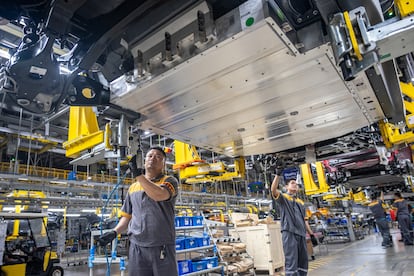
Installing a battery in a VinFast car.Linh Pham (Bloomberg)
“The numbers are already coming out and they’re getting better and better. Both because of the fall in the cost of batteries and because of the negative electricity prices, which are increasingly common in European markets. This is a great incentive for the installation [of batteries],” Blanch emphasizes. In its latest report on energy and storage costs, a benchmark in the sector, the asset management firm Lazard already places batteries on a par with other backup technologies.
Even without public subsidies, the enormous — and growing — price volatility between lunchtime (when there’s more sun) and breakfast and dinnertime (when the UV index is minimal or non-existent and household demand, contrastingly, soars) already makes arbitrage profitable in many countries: buying electricity when it’s cheap, storing it in a battery, and selling it when it’s expensive. A game in which households are also starting to participate, as they use small batteries to store the surplus energy from their solar panels, so as to not have to draw on the grid at night.
This is just the beginning. “Its growth will be exponential,” Fu, from Rystad Energy, predicts. This boom on all fronts — large-scale, electric cars, domestic devices — is also translating into colossal growth in the volume of companies dedicated to the development of batteries. Many of them are new: start-ups focused on this segment have raised $8 billion in recent years, according to consulting firm Oliver Wyman. “It’s become a key focus of change… although we don’t expect a significant impact on the electric vehicle market until 2030,” the New York firm notes.
Until then, many companies in the battery sector, which, paradoxically, isn’t going through its most buoyant period of sales, are finding refuge in the stationary storage market. Tesla, for example, is already starting to make more money with Megapack, its large-scale storage solution.
“Although the price of cells has dropped a lot, in some applications, such as electric cars, this drop hasn’t yet been fully transferred,” Cugat laments. “And that’s something that has more to do with car manufacturers. If there were more competition…”
The drastic drop in the price of batteries has a good chance of being anything but ephemeral. Added to the production overcapacity is another factor: lithium — its main raw material — is currently trading at three-year lows, after losing 80% of its value since the end of 2022. And sodium — the alternative with the best prospects of replacing lithium in some types of batteries — is one of the most common and cheapest elements in the Earth’s crust.
“The price will continue to fall… and quickly. And this will accelerate the adoption of the electric vehicle, creating a virtuous circle in which greater production leads to lower costs and more technological development,” Azeem Azhar and Nathan Warren predicted a few days ago. The two analysts attempt to predict the effects of technological changes. For now, they appear to be on the right track. “The cycle will continue with other technologies, such as solid-state batteries or sodium-ion batteries,” they note.
Forecasts
If the prediction is fulfilled, their calculations lead them to set a price for batteries at around $25 per megawatt hour (MWh) in the final stretch of this decade, compared to the current $75. “Even if the declines slow down, the cost in 2030 will be 50% lower than today,” Azhar and Warren claim.
“There are half-a-million types of batteries in development, with different metals and typologies. And a lot of money is on the table in research,” says Blanch, from Bank of America. Billions of dollars a year are entering this sector, which is set to be the most promising in the energy world in the coming years. “It’s a key area, with three fundamental objectives: increasing the absolute storage capacity and reducing both losses and weight. There won’t be a universal type of battery… each one will have its characteristics. But there’s still a lot of room for improvement.”
In this promising future there are, however, some loose ends to tie up. The first is the environmental impact of batteries. Although they significantly reduce emissions over their lifetime compared to fossil alternatives (combustion engines or combined cycles), they release a lot of CO2 in the manufacturing process. And then, there’s the geopolitical derivative: China’s dominance is overwhelming. Two of the three largest battery manufacturers (CATL and BYD) are Chinese-owned, a dominance that’s only contested, albeit at a great distance, by South Korea. “The risk is in who controls the production chain. And for now, that’s China,” Blanch notes.
After computer chips, the battlefield moves to lithium ions… a dilemma that wasn’t even remotely on the table during Edison’s time. Even less so in Davy’s.
Sign up for our weekly newsletter to get more English-language news coverage from EL PAÍS USA Edition
Hope, the secret weapon of philosopher Byung-Chul Han
Here are three lessons from the latest book by the famous South Korean thinker, which describes how this feeling can create new paths and help us escape paralyzing fear
It has been somewhat of a surprise that the famous South Korean thinker Byung-Chul Han chose hope as the theme of his latest book, set to be published on September 26. Based in Berlin, this philosopher — who writes his short works in German — is known for his criticism of capitalism and neoliberalism thanks to books such as The Burnout Society and Non-things: Upheaval in the Lifeworld. Choosing hope is a way of finding the light at the end of the tunnel, it is a feeling or vision that seems to go against the current, but one we need in order to feel alive.
But The Spirit of Hope — a book of less than 150 pages — is not the vision of a naive person who believes that, in the end, everything will just work out. It refers to a hope that is born from being proactive, since it illuminates new paths that no one is going to take for us.As the thinker suggests, hope is born precisely from despair, from negativity, but it is a compass that leads us to new situations and territories, to that which does not yet exist.
Winston Churchill, a man who was very prone to depression, said: “If you are going through hell, keep going.” This advice implies that everything, the good and the bad, is temporary, like life itself.
What kills hope, according to Byung-Chul Han, is not despair; on the contrary, despair is its starting point, the beginning of the journey. As he explains in the prelude to the book, the opposite of hope is fear. In his own words: “We go from one crisis to the next, from one catastrophe to the next, from one problem to the next. With so many problems to solve and so many crises to manage, life has been reduced to survival.” For the South Korean philosopher, living in survival mode anchors us to depression and fear, which closes doors and robs us of freedom, as it makes it impossible for us to get moving.Someone who is afraid of the future will be unable to organize and create their own future. They enter into a kind of self-fulfilling prophecy.
As Byung-Chul Han points out, the German word for fear — Angst — comes from the Latina word angustia, meaning tensity and tightness. In other words, the greater our fear, the tighter our room of action. That is why someone who is anxious feels, in one way or another, cornered.
The antidote is hope, since, in the philosopher’s own words, “it leaves us with signs and markers along the way. Hope is the only thing that makes us move forward. It gives us meaning and direction […] And actions need a horizon of meaning.” Just as fear makes things impossible, hope, as defined by the Danish philosopher Søren Kierkegaard, is a passion for the possible.
Summarizing these reflections in a practical sense, we can conclude three things:
1. To have hope is to see new possibilities. In other words, to anticipate other scenarios, even if they are far from our current situation. Byung-Chul Han quotes an Epistle to the Romans from the New Testament: “Hope that is seen is not hope: for what a man seeth, why doth he yet hope for?” So there is something visionary about hope.
2. There is passive hope and proactive hope. The former puts us at the mercy of events. The latter involves working to make the new possibility materialize. In fact, the French playwright Gabriel Marcel said that hope is woven: “In the fabric of an ongoing experience […] it is embedded in an adventure that has not yet ended.” That is, it involves the process of moving toward something better.
3. Hope means assuming that everything is passing. Therefore, it is only a matter of time before we get out of a tough spot. The hopeless often believe that their situation is permanent. A depressed person convinces themselves that they will never feel better, while the person who feels that the world has turned against them believes that they are condemned for life.To escape this anguish, one must avoid taking the part for the whole.Every bad moment is just a chapter in the story. The next one can be different.With the right actions, events and circumstances will change.
The poet Emily Dickinson defined hope with this beautiful image: “Hope is the thing with feathers. That perches in the soul. And sings the tune without words. And never stops at all.”
Hope versus optimism
In his latest essay, Byung-Chul Han makes a clear distinction between hope and optimism, which the philosopher sees as passive and limited. As he explains in The Spirit of Hope: “Optimism is devoid of all negativity. It knows no doubt and no despair […] The optimist is convinced that things will end up working out well,” even though they don’t view the future as an open field of possibilities.
His criticism of extreme optimism includes the misunderstood law of attraction: the idea that thinking of a positive result is enough to make it happen. This effort begins by nurturing hope itself, which, according to Byung-Chul Han, “often has to be specifically aroused and encouraged.”
Francesc Miralles is a writer and journalist specializing in psychology.
Sign up for our weekly newsletter to get more English-language news coverage from EL PAÍS USA Edition
The Solingen knife attack is just the latest example of a new wave of violence linked to the “Islamic State” terrorist group. Experts say the war in the Middle East is the main catalyst.
The deadly stabbings in Solingen have been claimed by the Islamic State (IS)Image: Sascha Schuermann/Getty Images
The so-called “Islamic State” (IS) extremist group has claimed responsibility for the knife attack in Solingen. According to Amaq, the mouthpiece of IS, the attack was carried out in “revenge for Muslims in Palestine and elsewhere” and targeted a “group of Christians.”
“Extremists are using the ongoing conflict in the Middle East as a way to gain momentum,” Thomas Mücke told DW. He works for the Violence Prevention Network (VPN), an organization dedicated to preventing extremism and deradicalizing violent criminals. Since October 7, 2023, when Hamas killed scores of Israeli civilians, and Israel responded with a counterattack in the Gaza Strip, Mücke has seen “a fourfold increase” in the number of attacks and attempted attacks in Western Europe in comparison to 2022.
The attack in Solingen was one of a whole series of Islamist attacks and attempted attacks across Europe in recent weeks, although it is not always clear whether it was IS that was behind them.
‘IS’ claims responsibility for Solingen knife attack
ReplayMute Go to DW to watch video
Loaded: 100.00%
Remaining Time -0:00Picture-in-PictureFullscreen
Austrian authorities arrested two suspected IS sympathizers shortly before two planned concerts by US singer Taylor Swift in Vienna in early August. The main suspect, a 19-year-old Austrian with North Macedonian roots, said at the time of his arrest that he wanted to “kill himself and a large group of people,” according to Austrian state security. The concerts were canceled.
In late May, an Afghan living in Germany fatally injured a police officer and seriously injured five other people in Mannheim. The attack was aimed at the chairman of Pax Europa, a movement critical of Islam. While no direct links to ISIS were found in this case, investigators classified the attack as “religiously motivated.”
In the wake of this attack, authorities in both Germany and France expressed serious concerns about IS violence during this summer’s European Football Championships in Germany and the Olympic Games in Paris. Both of these major events went off peacefully, but perhaps only thanks to increased security measures and more border controls.
Authorities have documented seven attacks and 21 attempted or planned attacks in Western Europe since October 7, 2023.Mücke thinks the rise is not surprising: “IS identified Western Europe as a target for attacks, obviously with the intention of spreading horror and fear and dividing society so that they can recruit even more people for their cause.”
The most serious attack claimed by IS in recent times was not in Western Europe but in Moscow in March 2024, when more than 140 people were killed in a terrorist attack on a concert hall. “Islamic State soldiers attacked a large gathering of Christians, killing and injuring hundreds,” Amak reported.
Radicalization via the internet
The terrorist organization came to global prominence 10 years ago when its then-leader, Abu Bakr al-Baghdadi, announced the establishment of a “caliphate” in the Near and Middle East. IS reached the peak of its power the following year, taking control of large parts of Syria and Iraq. Videos of brutal killings and beheadings, in particular, were posted online.
“IS is constantly calling for such attacks with its internet propaganda,” Mücke said, “and there are also precise instructions on how to carry out attacks, such as using cars to kill infidels everywhere.“
By 2019, many believed IS had been militarily defeated in the Middle East. IS attacks in Europe also declined for a while. However, with this new wave of attacks, religious extremism seems to have returned.
Mücke says that the perpetrators have become younger, with two-thirds of those arrested in Western Europe being teenagers. And the methods that are being used to appeal to them are also tailored to their age. “The internet plays a major role in radicalization and mobilization, as well as in recruitment.”
Berlin Christmas market attack, Go to DW for video
A glimmer of hope: early detection of radicalization
Experts are pessimistic about the prospects for improvement in the near future. The escalation of the conflict in the Middle East as of October 7, 2023, “will continue to influence the dynamics of terrorism for years to come.”
In the eyes of many experts, creating knife-free zones, as Germany’s Interior Minister Nancy Faeser plans to do, is of little use. According to them, someone who intends to kill people with a knife is unlikely to be deterred by such a ban.
Nevertheless, Thomas Mücke from the Violence Prevention Network does have a glimmer of hope to share. “Since October 7, the number of calls to the counseling hotlines has multiplied. And that gives us the information we need to try to intercept radicalization at a relatively early stage.”
The fact that the perpetrators are now younger is also an opportunity, he says. “To start with, I’m counting on the fact that people who become radicalized will undergo a significant change in their character and that this will be noticed by those around them,” he says.
“And it’s important that these changes are reported as quickly as possible, that help and support is sought because every extremist scene tries to appeal to and recruit the younger generation in particular; they’re the next generation. And this is where we still have the best chance of curbing extremism and terrorism.”
This article was originally written in German.
While you’re here: Every Tuesday, DW editors round up what is happening in German politics and society. You can sign up here for the weekly email newsletter Berlin Briefing.