As a father of three, I’ve seen firsthand that people are naturally empathetic—my kids, for example, can’t help but get upset when they see someone hurt or in trouble.But as we grow up, empathy becomes trickier to navigate, especially at work. In a fast-paced world where staying ahead of the competition is critical, empathy often takes a backseat. And even when we try to show it, truly authentic empathy can feel like it’s in short supply.
A recent survey of 1,000 U.S. workers found that 52% felt their company’s efforts to be empathetic weren’t genuine. That’s a big disconnect between what leaders think they’re doing and how employees actually feel.
With 2025 just around the corner, now’s the perfect time to rethink your leadership approach for the year ahead. Prioritizing empathy isn’t just a nice-to-have—it’s essential. It builds mutual respect, improves productivity, and helps keep great employees on board.
Active listening as empathy
Unlike sympathy, which stems from personally relating to someone’s experience, empathy means showing compassion even when you can’t directly relate. For leaders, that means attempting in earnest to understand where employees are coming from, even if the experience doesn’t resonate.
Subscribe to the Compass newsletter.Fast Company’s trending stories delivered to you daily
As Harvard Business Review notes, active listening is the first step to being genuinely empathetic. Engage with body language that signals your interest: arms uncrossed, nodding when appropriate, and maintaining eye contact. People can sense when someone’s listening to respond rather than understand; when they’re just waiting to give their two cents. Good listeners stay present without rushing to interject. For a manager, this means giving an employee your full attention. Show that you’re receptive to what they’re saying and don’t necessarily have the answers—you’re there to listen.
Check your biases
On Stanford Graduate School of Business’s “View from the Top” speakers series, Leena Nair, the CEO of Chanel, championed empathetic and compassionate leadership and emphasized the lack of role models who embody these traits. Nair explained how she acts with empathy.
“I believe everyone’s voice matters, not just the ones who speak loudly. . . . Diverse perspectives matter to me.”
Empathy requires recognizing your own biases and doing your best to transcend them. By actively listening to every voice, including quieter ones, the Chanel CEO acknowledges the tendency to favor more assertive personalities. Being cognizant of our biases helps to avoid filtering out voices based on surface-level assumptions.
Giving equal weight to each voice also helps foster collective intelligence, which inherently mitigates bias. By embracing diverse perspectives, leaders can also counter confirmation bias—the tendency to seek information that aligns with our existing views. What’s more, considering diverse perspectives ultimately leads to better, more reasoned decisions.
Express empathy externally
Actively listening to each voice and overcoming biases are only part of genuine empathy.
When a colleague opens up to you, Harvard Business Review article suggests responding with phrases like, “That sounds really tough. Would you want to share more information with me so I can understand more about where you’re coming from and how I may be able to support you?” With this approach, you’re not claiming you know what someone is going through. Instead, you’re communicating that you’re prepared to help them.
As CEO of Jotform, I’ve learned that an open-door policy is a good start to demonstrating empathy, but it’s not always enough. Taking the time to personally check in with employees, actively listening, and working together on a strategy to navigate any challenges have proven far more effective. And I think that’s part of the reason why employees tend to stay with our company—because they know that management and leadership are genuinely invested in their wellbeing, engagement, and long-term success.
ABOUT THE AUTHOR
Aytekin Tank is the founder and CEO of Jotform and the author of Automate Your Busywork. Tank is a renowned industry leader on topics such as entrepreneurship, technology, bootstrapping, and productivity More
Summary: Researchers have uncovered how visual information is processed across the brain’s complex and flexible networks.
One study showed visual signals are selectively targeted or broadly broadcast, challenging the idea of a simple, linear flow of visual input. A second study revealed that the thalamus adapts visual processing based on behavioral states, prioritizing back-to-front motion during arousal.
Together, these findings reveal dynamic mechanisms that shape perception and offer pathways to manipulate brain function for future interventions.
Targeted vs Broadcast Signals: Visual pathways either channel specific signals or broadcast broadly to coordinate brain activity.
Thalamus Modulation: Visual processing in the thalamus changes with arousal, prioritizing certain motion during heightened states.
Dynamic Visual Network: The brain adapts visual processing based on behavioral context, not through a fixed, step-by-step process.
Source: VIB
Researchers at Neuro-Electronics Research Flanders (NERF), led by Prof. Vincent Bonin, have published two new studies uncovering how visual information is processed and distributed in the brain.
The studies reveal the complexity and flexibility of visual information processing in the brain.
The visual cortex, a key region for interpreting and processing visual input, plays a crucial role in shaping what we see. Vincent Bonin, a professor at KU Leuven and group leader at NERF, studies the neural circuits that process sensory information.
Together, both studies represent a major step toward creating a detailed “functional-anatomical map” of the brain’s visual system. Credit: Neuroscience News
“We often think of visual processing in the cortex as a simple, linear process,” explains Prof. Bonin, “but our research shows the cortex operates as a complex network with finely tuned connections between regions, supporting specialized visual functions across distinct brain areas.”
Targeting vs broadcasting
In a first study published in Current Biology, postdoctoral researcher Xu Han revealed how visual information is transmitted across different interconnected regions in the brain.
Using advanced imaging and circuit-tracing techniques in mice, Han and Bonin identified pathways that either selectively channel visual signals to targeted areas or broadcast information broadly across multiple regions.
“For instance, neurons in the pulvinar and certain layers of the cortex are finely tuned to their targets, suggesting a role in constructing detailed visual representations,” explains Han.
“In contrast, deeper neurons seem to ignore target specificity, broadcasting similar visual information across areas—possibly for coordinating broader brain activity.”
These findings challenge the long-held belief that visual information flows in a simple, step-by-step manner, instead revealing a highly dynamic and adaptable network.
Quiet vs aroused
In the second study, published in Cell Reports, Bonin and Dr. Karolina Socha (now at the University of California in LA) explored how the brain’s thalamus—a key relay station for visual signals—adjusts information processing depending on behavioral states.
The researchers found that during quiet wakefulness, neurons in the thalamus amplify signals for back-to-front motion, a transformation absent under anesthesia or heightened arousal.
By imaging the activity of neurons in awake mice, they discovered that this modulation is linked to changes in pupil size, a marker of arousal.
“Larger pupils coincided with stronger responses to back-to-front motion, suggesting that the thalamus integrates sensory inputs with behavioral context to prioritize certain visual stimuli,” explains Bonin.
“These findings demonstrate how the thalamus integrates behavioral context to dynamically shape visual representations, altering how motion is processed and prioritized.”
Predict and manipulate perception
Together, both studies represent a major step toward creating a detailed “functional-anatomical map” of the brain’s visual system.
“Understanding these pathways and mechanisms allows us to predict and manipulate how perception works,” says Bonin.
These findings advance neuroscience research and hold promise for developing targeted interventions to modulate brain function.
Funding
The research (team) was supported by VIB, KU Leuven, imec, the Research Foundation Flanders (FWO), and KU Leuven Research Council.
About this visual neuroscience research news
Author: India Jane Wise Source: VIB Contact: India Jane Wise – VIB Image: The image is credited to Neuroscience News
Higher-order cortical and thalamic pathways shape visual processing streams in the mouse cortex
Mammalian visual functions rely on distributed processing across interconnected cortical and subcortical regions.
In higher-order visual areas (HVAs), visual features are processed in specialized streams that integrate feedforward and higher-order inputs from intracortical and thalamocortical pathways.
However, the precise circuit organization responsible for HVA specialization remains unclear.
We investigated the cellular architecture of primary visual cortex (V1) and higher-order visual pathways in the mouse, focusing on their roles in shaping visual representations.
Using in vivo functional imaging and neural circuit tracing, we found that HVAs preferentially receive inputs from both V1 and higher-order pathways tuned to similar spatiotemporal properties, with the strongest selectivity seen in layer 2/3 neurons.
These neurons exhibit target-specific tuning and sublaminar specificity in their projections, reflecting cell-type-specific visual information flow.
In contrast, HVA layer 5 pathways nonspecifically broadcast visual signals across cortical areas, suggesting a role in distributing HVA outputs.
Additionally, thalamocortical pathways from the lateral posterior thalamic nucleus (LP) provide highly specific, nearly non-overlapping visual inputs to HVAs, complementing intracortical inputs and contributing to input functional diversity.
Our findings suggest that the convergence of laminar and cell-type-specific pathways V1 and higher-order intracortical and thalamocortical pathways plays a key role in shaping the functional specialization and diversity of HVAs.
Abstract
Behavioral modulations can alter the visual tuning of neurons in the mouse thalamocortical pathway
Behavioral influences shape processing in the retina and the dorsal lateral geniculate nucleus (dLGN), although their precise effects on visual tuning remain debated.
Using 2-photon functional Ca2+ imaging, we characterize the dynamics of dLGN axon activity in the primary visual cortex of awake behaving mice, examining the effects of visual stimulation, pupil size, stillness, locomotion, and anesthesia.
In awake recordings, nasal visual motion triggers pupil dilation and, occasionally, locomotion, increasing responsiveness and leading to an overrepresentation of boutons tuned to nasal motion.
These effects are pronounced during quiet wakefulness, weaker during locomotion, and absent under anesthesia.
Accounting for dynamic changes in responsiveness reduces tuning biases, revealing an overall preservation of retinal representations of visual motion in the visual thalamocortical pathway.
Thus, stimulus-driven behavioral modulations can alter tuning and bias classification of early visual neurons, underscoring the importance of considering such influences in sensory processing experiments.
Join our Newsletter
I agree to have my personal information transferred to AWeber for Neuroscience Newsletter ( more information )
Sign up to receive our recent neuroscience headlines and summaries sent to your email once a day, totally free.
We hate spam and only use your email to contact you about newsletters. You can cancel your subscription any time.
The authoritative guide to ensuring science and technology make life on Earth better, not worse.
AI goes nuclear
Big tech is turning to old reactors (and planning new ones) to power the energy-hungry data centers that artificial intelligence systems need. The downsides of nuclear power—including the potential for nuclear weapons proliferation—have been minimized or simply ignored.
The network room at Google’s Council Bluffs, Iowa data center helps connect Google’s data centers to each other. Google Share
When Microsoft bought a 407-acre pumpkin farm in Mount Pleasant, Wisconsin, it wasn’t to grow Halloween jack-o’-lanterns. Microsoft is growing data centers—networked computer servers that store, retrieve, and process information. And those data centers have a growing appetite for electricity.
Microsoft paid a whopping $76 million for the pumpkin farm, which was assessed at a value of about $600,000. The company, which has since bought other nearby properties to expand its footprint to two square miles, says it will spend $3.3 billion to build its 2-million-square-foot Wisconsin data center and equip it with the specialized computer processors used for artificial intelligence (AI).
Microsoft and OpenAI, maker of the ChatGPT bot, have talked about building a linked network of five data centers—the Wisconsin facility plus four others in California, Texas, Virginia, and Brazil. Together they would constitute a massive supercomputer, dubbed Stargate, that could ultimately cost more than $100 billion and require five gigawatts of electricity, or the equivalent of the output of five average-size nuclear power plants.
Smashing pumpkins. In early 2024, Microsoft purchased the Creuziger family’s popular “Land of the Giants” pumpkin patch (top, as seen in September 2021), adding 407 acres to its nearly two-mile-square data center campus in Mt. Pleasant, Wisconsin. Bottom, architectural renderings of buildings for the facility’s first construction phase, already underway about two miles further south. Google Streetview; Burns & McDonnell
Microsoft, Amazon, Apple, Google, Meta, and other major tech companies are investing heavily in data centers, particularly “hyperscale” data centers that are not only massive in size but also in their processing capabilities for data-intensive tasks such as generating AI responses. A single hyperscale data center can consume as much electricity as tens or hundreds of thousands of homes, and there are already hundreds of these centers in the United States, plus thousands of smaller data centers.
In just the past year, US electric utilities have nearly doubled their estimates of how much electricity they’ll need in another five years. Electric vehicles, cryptocurrency, and a resurgence of American manufacturing are sucking up a lot of electrons, but AI is growing faster and is driving the rapid expansion of data centers. A recent report by the global investment bank Goldman Sachs forecasts that data centers will consume about 8 percent of all US electricity in 2030, up from about 3 percent today.
Bill Gates, Jeff Bezos, Elon Musk, Mark Zuckerberg, Larry Ellison, and other so-called “tech bros” who also happen to be among the world’s richest men have thought about how the energy industry can—or must, in their view—keep pace with AI’s rapid growth while also enabling Big Tech to meet its climate commitments. They have all come to the same conclusion: Nuclear energy, whatever it costs, is the only viable solution.
In a rash of recent announcements, Big Tech companies have declared that they will either be reviving existing nuclear power plants, developing next-generation nuclear reactors, or both. Dollars are also flowing to nuclear fusion projects—even though many physicists think commercial fusion power plants that generate electricity are at least decades in the future, if they ever can be built. The federal government is not only supporting this nuclear-powered vision but also subsidizing it in the name of “clean energy.” However, both the government and the tech industry are largely ignoring the known and significant downsides of nuclear power—including high costs, long construction times, accidents, nuclear weapons proliferation risks, and environmental contamination from uranium mining and radioactive waste disposal.
Back to the future. The Three Mile Island reactor Unit 1 in Pennsylvania is one of two shutdown nuclear reactors (along with one at the Palisades plant in Michigan) that may be brought back online to supply electricity—a first in the United States. The two cooling towers at left are from Unit 2, which was permanently damaged in the 1979 accident. Constellation Energy
Betting on nuclear. Again.
In Pennsylvania, Microsoft has plans to revive Three Mile Island. For people old enough to remember that name, it’s synonymous with the demise of nuclear power in the United States. Forty-five years ago, a partial reactor meltdown at the Three Mile Island nuclear power plant 10 miles south of Harrisburg, Pennsylvania, gripped the nation and exposed nearly two million people to radiation. It was the worst accident in the history of the US commercial nuclear power industry.
The failed reactor never operated again, but a similar reactor built on the same island in the Susquehanna River was restarted six years after the accident and later received a license extension until 2034. That reactor was shut down in 2019 after its owner, Constellation Energy, was unable to secure subsidies from the state of Pennsylvania and deemed the reactor a financial albatross. Now, however, Constellation plans to reopen the reactor and sell 100 percent of the electricity that will be generated by it—enough to power 800,000 homes—to Microsoft.
About 80 miles upriver from Three Mile Island, Amazonrecently purchased a new data center next to the two-reactor Susquehanna nuclear power plant. Amazon wanted to increase the amount of electricity flowing directly from the nuclear plant to the data center, but the Federal Energy Regulatory Commission ruled against the change, with one commissioner warning that it “could have huge ramifications for both grid reliability and consumer costs.”
Meta, the company that owns Facebook and Instagram, intended to build a new data center dedicated to AI next to another existing nuclear plant, according to recent reports. But the discovery of a rare bee species at the site threw a monkey wrench into those plans. Had Meta succeeded, it would have been the first Big Tech company to deploy nuclear-powered AI, CEO Mark Zuckerberg reportedly told staffers at a recent all-hands meeting.
Zuckerberg did not say where Meta wanted to build its data center. At least one entomologist has speculated that rusty-patched bumble bees—the first bumble bee species listed as federally endangered—have been spotted near the Diablo Canyon power plant in California, which had been slated to begin decommissioning this year but received a life extension until at least 2030.
In Michigan, the already-shuttered Palisades nuclear plant could be brought back online as early as next year. The reactors at Palisades and Three Mile Island would be the first ones ever restarted after decommissioning.
Prime power supply.Amazon’s recently acquired data center (foreground) in Salem Township, PA, is a stone’s throw from the Susquehanna nuclear power plant. In November, the Federal Energy Regulatory Commission blocked the company’s request to obtain more electricity directly from the plant, bypassing the grid “behind-the-meter.” Talen Energy
The sudden interest in nuclear energy is largely due to AI, which is rapidly transforming the tech industry. Electric utilities are forecasting the nation will need the equivalent of 34 new, full-size nuclear power plants over the next five years to meet power requirements that are rising sharply after several decades of falling or flat demand.
Microsoft, Amazon, and other tech giants are not interested only in reviving existing nuclear plants. They are also funding the development of next-generation nuclear reactors. On October 14, Google announced a deal to purchase nuclear energy from small modular reactors (SMRs) that will be developed by Kairos Power. Two days after Google’s announcement, Amazon said it had signed agreements to invest in four SMRs to be constructed, owned, and operated by Energy Northwest, a consortium of public utilities in Washington state. Amazon hopes the new reactors can power a cluster of energy-gobbling data centers in eastern Oregon. And Oracle is designing an AI data center to be powered by three SMRs, an announcement that Oracle chairman Larry Ellison characterized as seemingly “bizarre” but necessary to meet AI’s “crazy” energy demands.
The first of these next-generation reactors are expected to become operational in the early 2030s, but only three SMRs have been built to date, none of them in the United States.
Keep cool and carry on. An employee diagnoses an overheated CPU at Google’s data center in The Dalles, Oregon. Cooling systems for servers are the largest portion of data centers’ electricity need. Google
Counting “compute”
Globally, electricity demand is also soaring and is now expected to be 6 percent higher in 2035 than the International Energy Agency forecast just a year ago. Electricity consumption by data centers, of which there are already 11,000 worldwide, could reach more than 1 million gigawatt-hours in 2027—about as much total electricity as Japan now uses annually, according to a recent analysis by the agency.
Alex de Vries, who works for the Netherlands’ central bank and in his spare time writes a blog about the unintended environmental consequences of digital technologies, published a peer-reviewed analysis last year that looked at the growing energy consumption of AI. De Vries estimated that if every Google search became an AI-powered Google search, Google’s AI alone could potentially require as much electricity as all of Ireland.Realistically, however, Google’s energy consumption is likely to be constrained by how much “compute” the company can buy.12345678910 Wh
Google search
ChatGPT
BLOOM
AI Google search New State Research
AI Google search SemiAnalysis
Prompt response. Estimated energy consumption per request for various AI-powered systems compared to a standard Google search. Chart by Thomas Gaulkin / Datawrapper, from Alex de Vries, “The growing energy footprint of artificial intelligence,” Joule, Volume 7, Issue 10, October 2023.
In the AI community, “compute” is everything—even a noun and an adjective. “Compute” is tech-speak for computing power or computing resources: the high-performance processing units that make AI possible.
“I think compute is gonna be the currency of the future,” OpenAI CEO Sam Altman said in a podcast earlier this year. AI developers crave compute, and compute craves electricity.
Tech companies talk about “AI-powered” products as if AI itself isn’t powered by something else, but AI consumes electricity in multiple ways. First, there’s the training required to create AI models such as ChatGPT. Training starts with “scraping” vast amounts of text, images, video, and other data from the internet—essentially taking a gargantuan snapshot of online books, news articles, encyclopedias, patents, photos, and other information found on millions of websites. And because scraping captures only one moment in time, it must be done repeatedly. The article you are reading will likely be scraped by AI.
Developers feed this mountain of raw material to AI models, and they digest it by analyzing patterns in the data—what word tends to follow a series of other words, for example—and using that analysis to form “intelligent” responses to prompts. The models are graded on how well they mimic human-created content (regardless of its accuracy) and then tested repeatedly to fine-tune the answers.
Training is an energy-intensive process. The data sets used for training have grown dramatically over the past few years, and the largest AI models are now trained using hundreds of billions of words, which can take months of processing by tens of thousands of specialized computer chips working day and night.
An analysis done by OpenAI in 2018 found that the amount of “compute” required to train the largest AI models was doubling every three to four months. An analysis of more recent models reports that the training requirements multiplied by four to five times annually during the past four years.
It does compute.The resources, or “compute,” used to train recent AI models grew by as much as five times per year from 2010 to 2024. Compute is a measure of the processing needed to run supercomputer and AI systems, typically expressed in trillions of floating-point operations per second, or teraflops. When OpenAI launched GPT-1 in 2018, it was trained on 18,000 teraflops; when GPT-4 launched five years later, it used 21,000,000,000 teraflops. Chart: Thomas Gaulkin / Datawrapper; Source: Epoch AI, CC-BY
Electricity is also required to process AI queries. A ChatGPT-powered Google query, for example, uses almost 10 times as much energy as a traditional Google search, according to the Electric Power Research Institute. ChatGPT alone responds to approximately 200 million requests per day.
A recent paper by Sasha Luccioni, a researcher at the AI firm Hugging Face, and two co-authors estimates that generating a single AI image can use almost as much energy as fully charging your smartphone.
Quantifying the “compute” used by a particular AI model is easier than estimating the energy used to make the hardware, software, and infrastructure for data centers—and to keep them cool.It’s even more difficult to estimate the broader energy impacts of a technology that is already reshaping the labor forces and consumer behaviors of modern societies—for example, using digital devices to perform tasks previously done by hand.
Based solely on current trends, power consumption at US data centers is projected to grow by about 10 percent annually between now and 2030.By one estimate, the exponential growth of AI could consume nearly all the world’s energy production by 2050.
Electric data land. Estimated combined gigawatts consumed by enterprise, colocation, and hyperscale data centers in the United States. Chart: Thomas Gaulkin / Datawrapper; Source: McKinsey & Company
There are ways to increase computing efficiency, and an initiative involving several national labs is focused on getting the semiconductor industry “back on the path of doubling energy efficiency every two years.” However, the AI field is currently more focused on performance—which requires ever-bigger models, training datasets, and processing capability—than on efficiency.
In the meantime, data centers are being built faster than energy capacity is expanding. The rapid growth of this sector has not been adequately figured into climate models and is rarely mentioned as a safety concern about AI. In the March 2023 “pause” letter that called on AI labs to stop training the most powerful AI systems for at least six months, tech experts expressed concern about losing jobs—or even control of civilization—but not about climate impacts.
The AI boom is heavily dependent on power-hungry graphics processing units, or GPUs—specialized computer chips that can process enormous amounts of data. These chips are in short supply, and a multinational corporation called Nvidia commands almost 90 percent of the market. Nvidia, which is based in Delaware but sells chips manufactured in Taiwan and Mexico, recently surpassed Apple and Microsoft to become the world’s most valuable corporation. It is valued at $3.43 trillion, up from $1 trillion only a year ago.
Nvidia’s most advanced platform, which is called Blackwell and is used to train AI models, is a cluster of eight GPUs that together consume 15 kilowatts of power—about half of what a typical US household uses. The entire supply for the next 12 months is already sold out. Demand for it is “insane,” the company’s CEO Jensen Huang said in an interview with CNBC in October.
A doomsday device? Nvidia CEO Jensen Huang announces the new Blackwell architecture at the company’s annual GPU Technology Conference on March 18, 2024. He has described demand for the new system as “insane.” Nvidia / YouTube
The financial services company Morgan Stanley estimates that Nvidia will produce 450,000 Blackwells during just the fourth quarter of this year and sell them for about $22,000 each. That would amount to almost $10 billion in revenue, and Blackwell is just one of the GPU models sold by Nvidia.Tech writer John Loeffler calls Blackwell “nothing short of a doomsday device,” because he fears there will not be enough carbon-free energy to power the millions of these devices that are being produced.
And Nvidia will soon have competition. The giant tech companies are working to build AI chips of their own. OpenAI CEO Sam Altman traveled to the Mideast a year ago to solicit between $5 trillion and $7 trillion from investors, including the United Arab Emirates, for a chip-building venture known as Tigris, the Wall Street Journal reported, although that project currently appears to be stalled.Saudi Arabia recently launched a $100 billion fund to invest in AI, and China is challenging US dominance with its Qwen AI system.
“Next year, you will see that they just can’t find enough electricity to run all the chips,” said Elon Musk, speaking at the 2024 Bosch Connected World Conference in February. Musk, who wears many hats in business and will soon assume control of the Trump administration’s so-called Department of Government Efficiency, co-founded OpenAI and recently rolled out an “anti-woke” AI chatbot to compete with OpenAI’s ChatGPT.
Fair is foul and foul is fair. Built in 1955, the Lawrence Energy Center is a coal plant in Lawrence, Kansas, now owned by the Evergy utility company. Originally slated for retirement last year, Evergy announced in June 2023 it would stay open another five years, until 2028. Evergy
A dirty secret
Whether it’s chip manufacturing or bot training and chatting, where will the energy for AI activity come from? Big tech companies have been prominent in efforts to move toward a carbon-free economy. But with the rise of AI, tech-related emissions are going up.
Apple has pledged to become carbon-neutral by 2030. Google set a “moonshot goal” of running its data centers entirely on carbon-free energy by 2030. Microsoft pledged to become carbon-negative by 2030. Amazon, Google, Microsoft, Meta, and Amazon have collectively purchased half of the global corporate renewables market.
But the AI boom has pushed climate goals aside. Microsoft’s emissions, for example, are up by 30 percent since 2020. Google’s emissions have risen by almost 50 percent over the past five years. “As we further integrate AI into our products, reducing emissions may be challenging due to increasing energy demands from the greater intensity of AI compute, and the emissions associated with the expected increases in our technical infrastructure investment,” Google acknowledged in its 2024 environmental report.
At the inaugural AI + Energy Summit held on September 26, former Google CEO Eric Schmidt opined that the tech industry is “not going to hit the climate goals anyway.” Schmidt suggested it would be better to “bet on AI” solving the climate problem than to constrain AI.
“AI has a dirty secret. It’s dirty,” said Leslie Miley, technical advisor to Microsoft’s chief technology officer, in a keynote speech at the QCon Conference in late March. “Generative AI is amazingly energy-intensive, even more so than normal cloud services. … Google and Meta and Microsoft are all doing their level best to buy green energy, to buy carbon credits. The fact of the matter is, there’s not going to be enough.”
In Wisconsin, for example, Microsoft has announced a 250-megawatt solar project to help power its new AI data center in the former pumpkin field. Not mentioned in the announcement: To meet the enormous, round-the-clock electricity demands of the data center, the regional utility has applied to build two new natural-gas-burning power plants, with a total capacity of 1.3 gigawatts. “It’s a massive buildout that will push our state’s climate goals out of reach, locking us into 30 more years of fossil fuels at a time when we all know we must rapidly transition to clean energy,” 14 environmental and health advocacy groups wrote in a letter to Microsoft.
In its April 2024 analysis, Goldman Sachs predicted that global data centers’ demand for power will more than double by 2030, estimating this level of growth would require utilities to invest $50 billion in new power generation capacity. “We assume a 60/40 split between gas and renewables,” the firm reported.
“I can’t recall the last time I was so concerned about the US energy trajectory, as major utilities maneuver for mass gas capacity expansion in the face of load growth,” Tyler Norris, a doctoral fellow at Duke University, tweeted in March. Without a course correction, US emissions goals are “effectively dead,” he wrote.
AI already has some beneficial climate applications and could help make renewable energy and the power grid (and data centers themselves) more efficient in the future. With increased efficiency, it’s possible that the power demands of AI could turn out to be lower than currently projected. A November 2023 report by Boston Consulting Group, commissioned by Google, asserted that AI “has the potential to unlock insights that could help mitigate 5% to 10% of global greenhouse gas emissions by 2030.”
But there is no solid evidence that AI can deliver a quick fix for the climate crisis. In fact, AI is also helping the oil and gas industry increase production of fossil fuels. In Guyana, for example, ExxonMobil is using AI “to determine the ideal parameters for drilling” in deep water. For now, at least, AI’s massive environmental footprint is more of a climate problem than a solution.
Recommissioning. The Palisades nuclear power plant on the shore of Lake Michigan. The reactor was shut down for decommissioning in May 2022. But with support from the Department of Energy, including a $1.52 billion loan, Holtec International now plans to restart the plant’s 800-megawatt reactor and install two small modular reactors on the site too. Jim West / Alamy
Is this the “nuclear renaissance”?
As AI’s energy demands grow more intense, and it becomes increasingly clear that the expansion of wind and solar power cannot keep pace, tech leaders have set their sights on nuclear energy.
So nuclear hype has flowed like champagne at a wedding reception.
Proponents of nuclear power have been predicting a “nuclear renaissance” for nearly a quarter-century. But nuclear has never been cost-competitive with other energy sources, and that is unlikely to change anytime soon.The US Energy Information Administration’s Annual Energy Outlook 2023 projected that renewable power would continue to outcompete nuclear, even in scenarios that predict aggressive cost declines for nuclear.
The Biden administration embraced subsidies to keep existing nuclear power plants online and reopen closed ones—for example, a $1.52 billion loan guarantee from the Energy Department is what made it possible for the owner of the shuttered Palisades nuclear plant to announce plans for a reopening.“In 2022, utilities were shutting down nuclear reactors; in 2024, they are extending reactor operations to 80 years, planning to uprate capacity, and restarting formerly closed reactors,” the Energy Department approvingly noted in a report released at the end of Climate Week NYC in late September.
The White House also recently offered $900 million in new funding for small reactors. In its initiative for AI, the Energy Department waves vaguely at plans to “unlock new clean energy sources, optimize energy production, and improve grid resilience.”
“We’re looking at a chance to build new nuclear at a scale not seen since the ‘70s and ‘80s,” Secretary of Energy Jennifer Granholm said at the opening plenary of the American Nuclear Society annual conference in June.
The Energy Department sees potential for a “commercial liftoff” that could triple US nuclear capacity by 2050 and puts a positive spin on AI’s role in boosting nuclear: “AI and data center load growth is aligning the fundamentals for new nuclear with requirements for 24/7 power, valuing decarbonization, and investment in new generation assets.”
Green energy.US Secretary of Energy Jennifer Granholm speaking at an Amazon event on nuclear energy investments, October 16. Granholm announced $900 billion in funding for development of small modular reactors, saying, “The technology companies know that in order for these data centers to achieve great community buy-in, bringing their own power with them is an important piece of that.” The Climate Pledge / YouTube
Despite this federal support, the nuclear renaissance so far lacks an order book for new nuclear plants that are actually being constructed.What it does have, as noted in the White House’s “liftoff” report, is “a set of customers who are willing and able to support investment in new nuclear generation assets.” Namely, big tech companies that can afford to pay big electricity bills.
A team at BestBrokers, which evaluates financial brokerages, looked at how much electricity the 10 largest tech companies that disclose financial data used in their last fiscal year and estimated how long it would take each of those companies to cover that expense based on their average daily revenue. According to this evaluation, Apple, which consumed an estimated 3,487 gigawatt-hours of electricity during its 2023 fiscal year—more than some entire nations—could pay off its entire power bill with about 10 and half hours of its 2023 revenue. Nvidia would need around 11 hours.
Although tech titans currently have ample funds to invest in energy, the cost curve for AI is going up. The expense of powering chatbots is already climbing so fast that companies are holding back their newest versions from the public.
Existing nuclear power can’t satisfy the demand for energy that is not only more abundant but also cheaper. “We still don’t appreciate the energy needs of this [AI] technology,” lamented OpenAI CEO Sam Altman at the World Economic Forum in Davos in January.“There’s no way to get there without a breakthrough.” Altman, who has warned that AI’s “compute costs are eye-watering,” called for increased investment in nuclear fusion as well as fission.
Breaking new ground, eventually. Bill Gates, center, at a ceremony marking the launch of TerraPower’s Natrium reactor project, flanked by the Governor of Wyoming and representatives of TerraPower, the Department of Energy, and engineering and utility companies. Construction of the reactor has not yet begun, and has yet to be approved by the Nuclear Regulatory Commission. TerraPower
The fission (and fusion) frenzy
In addition to OpenAI, Altman also chairs Oklo, a nuclear power startup that went public last year when it merged with a special purpose acquisitions company that Altman also chairs. Oklo plans to build its first liquid metal-cooled sodium fast reactor at Idaho National Laboratory in 2027. However, the company’s initial application for a license was denied—for lack of information—by the Nuclear Regulatory Commission in January 2022 and has not yet been re-submitted.
In August 2023, the Pentagon announced an “intent to award” a contract to Oklo for a small modular reactor at an Air Force base in Alaska. However, the deal was quietly revoked a month later.
Despite setbacks like these, Altman sees the future of nuclear energy and AI as inextricably linked. “I don’t see a way for us to get there without nuclear,” he told CNBC last year.
Retired Microsoft co-founder Bill Gates is not as worried about AI’s energy demands as Altman is, but he too is bullish on nuclear energy. Among his multiple investments in nuclear startups is a company called TerraPower, which has received funding from the Energy Department and Los Alamos National Laboratory to develop a sodium-cooled fast reactor similar to Oklo’s.
Gates has invested more than $1 billion in a TerraPower plant that broke ground in Kemmerer, Wyoming, in June.TerraPower says the reactor will be operational by 2030. But construction of the plant’s Natrium reactor has not yet begun, nor has it been approved by the Nuclear Regulatory Commission (NRC), which is still conducting safety and environmental reviews.
Gates issued a celebratory announcement calling the science behind the reactor “super cool.” Not mentioned in the announcement is the estimated price for the 345-megawatt reactor: $4 billion, of which the federal government is contributing half. Even if the project comes in on budget (which would make it exceptional among US nuclear reactors of the past several decades), it will be more expensive than comparable gas or renewable projects.
Microsoft and Google are also placing bets on nuclear. Earlier this year, Microsoft hired a director of nuclear technologies and a director of nuclear development acceleration to lead the company’s strategy for powering AI advances with small, onsite nuclear reactors—as well as buying energy from larger conventional reactors such as Three Mile Island. Microsoft, which has invested $13 billion in OpenAI and owns almost half of its equity, plans to use AI to expedite the process of getting nuclear plants approved and has been training an AI model on regulatory and licensing documents.
Don‘t be evil. A clip from a promotional video for Google’s partnership with Kairos to develop small modular reactors to “help Google and the world meet electricity demand with carbon free energy every hour of every day.” Google / YouTube
Google last month signed an agreement to buy a total of 500 megawatts of generating capacity—about half the output of a conventional nuclear reactor—from six to seven Hermes small modular reactors designed by Kairos Power. Google aims to deploy the reactors next to Google data centers by 2030. This past summer, Kairos broke ground on an NRC-permitted demonstration reactor in Oak Ridge, Tennessee. It was the first non-water-cooled US reactor approved for construction in more than 50 years.
Michael Terrell, senior director for energy and climate at Google, said the agreement with Kairos could help the company support AI technologies and “reliably meet electricity demands with carbon-free energy every hour of every day.”
Wealthy tech companies and individuals are investing in nuclear fusion as well as fission. Peter Thiel, who co-founded PayPal and was the first outside investor in Facebook, joined Altman in backing a fusion startup called Helion, which claims it will begin producing electricity from its first commercial reactor by 2028 and will sell it to Microsoft.
Breakthrough Energy Ventures, a venture capital firm founded by Bill Gates, has invested in Helion and three other fusion startups. One of those ventures, an MIT spinoff company called Commonwealth Fusion Systems, is also backed by Amazon CEO Jeff Bezos and has received $1.8 billion in second-round venture capital. Commonwealth announced earlier this week that it has leased land to build a commercial-scale fusion power plant in Virginia, but the company has not yet secured any permits or customers.
Critics such as Daniel Jassby, the former principal research physicist at the Princeton Plasma Physics Lab, have called the excitement surrounding these fusion projects “over-the-top and unjustified.”
In an interview with the Bulletin published earlier this month, physicist Bob Rosner, a former president of the American Physical Society and former director of a national laboratory, highlighted the biggest problem with counting on fusion to power the AI revolution: “Climate change is a serious problem which needs to be addressed by ‘decarbonizing’ our energy generation systems sooner rather than later—by 2050 at the absolute latest. And we’re not going to have practical fusion energy in that kind of time frame. There’s no way.”
Tread carefully. A gate at the site of Idaho National Laboratory’s Experimental Breeder Reactor I. On December 10, 1951, it became the first power plant to produce electricity from atomic energy. It was decommissioned in 1964. Dave Meyers / Unsplash
The downsides of nuclear
Despite massive infusions of money from corporations, billionaires, and governments, nuclear is not a sure bet. Around the world, large reactors have repeatedly come in over budget and behind schedule, and although they require lower initial capital investment, smaller reactors are likely to be even less economic than the larger ones that now exist, in terms of the cost of the electricity they produce.
“Very few of the proposed SMRs have been demonstrated, and none are commercially available, let alone licensed by a nuclear regulator,” wrote Allison Macfarlane, who chaired the NRC a decade ago and now directs the School of Public Policy and Global Affairs at the University of British Columbia, in an essay published last year by IAI News.
The only SMR reactor design certified by the NRC is the NuScale Power reactor, which received more than $200 million in federal support and was slated to be built at the Idaho National Laboratory. But the projected cost of building the reactor ballooned between 2020 and 2023; its only committed utility customer dropped out, and the project was canceled a year ago.
The only new nuclear reactors that have been built in the United States in the past 30 years are Vogtle Units 3 and 4 in Georgia. These Westinghouse AP1000 pressurized water reactors were the nation’s first “advanced” reactors, but they ended up costing $35 billion (more than twice as much as originally projected) and were completed seven years behind schedule.
There are more than 50 designs for new reactors, and the tech giants investing in nuclear do not seem to be working toward a standardized design—something that many nuclear experts recommend as the best way to get plants approved and built quickly and affordably.
Reactor proliferation. A rendering of Oklo’s Aurora Powerhouse that will be built on the Idaho National Laboratory site and is planned to be operational in 2027. Reactor concepts like this one produce fissile material that bad actors could use to make nuclear weapons. Gensler
Cost and time are not the only obstacles that must be overcome if nuclear is to meet the AI-energy problem. The work force needed to build a host of nuclear projects has dwindled as plants have closed and not been replaced. Also, none of the proposed new projects has included any new ideas for what to do about the radioactive waste generated not only by reactors by also by uranium mining. There is still no permanent repository for long-lived radioactive waste in the United States.
Radioactive waste isn’t just a disposal problem, either. “Bill Gates should be worried about reprocessing and proliferation,” said Alex Glaser, a nuclear security expert at Princeton University and a member of the Bulletin’s Science and Security Board.
Concepts like the Oklo fast reactor would produce fissile material that bad actors could use to make nuclear weapons. Oklo and other nuclear startups propose to reprocess their waste to keep costs down. But that reprocessing produces plutonium that could be diverted for use in nuclear weapons. The United States rejected reprocessing in the 1970s after determining that the potential for proliferation made it too risky for commercial use.
In all the hype about AI and nuclear, there is scant mention of nuclear weapons proliferation to more countries or the risk that fissile material could be acquired by (or provided to) terrorists.Nor is there much attention to the vast amounts of raw materials and water required for the growth of both AI and nuclear energy, or the electronic waste generated by chip manufacturing and data centers.
A conversation of a few dozen questions with an AI chatbot may require a half-liter of water. A large data center consumes more than a million gallons of water daily, and some data centers are being built in places where water is already scarce.
Developers are loathe to reveal how much water they use, but after a legal battle with an Oregon newspaper, Google finally agreed to reveal that its data centers in The Dalles consume 29 percent of the town’s water supplies. Google plans to build two more data centers there.2012201320142015201620172018201920202021050100150200250300350 million gallons
Thirsty data. Google’s water use at its facilities in The Dalles, Oregon, increased sharply after it brought a third data center online in 2018. By 2022, the company‘s operations represented 29 percent of the entire city’s water consumption. Chart: Thomas Gaulkin / Datawrapper. Source: The Oregonian / City of the Dalles
No roadmap for “responsible” AI
AI has been compared to electricity—a utility that people soon won’t be able to live without. But there is currently no framework for regulating this new utility, and AI’s energy demands have been given short shrift in the many discussions of AI’s safety risks.
Even researchers who have called for the formation of a new international body to regulate or keep tabs on AI research, perhaps modeled after the International Atomic Energy Agency or the Intergovernmental Panel on Climate Change, have failed to note the connections between AI, energy, and climate change.
The Biden White House has said it wants “responsible” AI. The current National Artificial Intelligence R&D Strategic Plan includes a paragraph noting the dramatic increase in computation demands for AI, and the need to make AI “sustainable,”but has no suggestions for preventing AI’s growth from exacerbating the climate crisis.
The Organisation for Economic Co-operation and Development has likewise raised “sustainability concerns.” But the recommendations in the OECD report on AI’s environmental footprint offered only ideas for measuring AI’s impacts and supporting AI applications to fight climate change.
Generative governance. President Joe Biden speaks before signing an executive order on “Safe, Secure, and Trustworthy Development and Use of Artificial Intelligence” on October 30, 2023. White House photo by Adam Schultz
Democrats in the US Senate and House have proposed legislation to assess the current environmental impacts of AI and adopt a system for reporting future impacts. “The development of the next generation of AI tools cannot come at the expense of the health of our planet,” said Massachusetts Senator Edward Markey, a sponsor of the bill.
But there was little momentum for the bill even before last month’s election. In the United States, at least, deregulation now seems more likely than any regulation of AI or its climate impacts. The nuclear industry may also benefit from deregulation in the next administration; support for nuclear energy is a rare area of bipartisan agreement. Donald Trump has vowed to eliminate federal support for climate mitigation, but has occasionally spoken favorably about nuclear energy.
Both incoming vice president JD Vance and Elon Musk, who have the president-elect’s ear at the moment, are strongly pro-nuclear. “Broligarchs” Musk and Peter Thiel played significant roles in the recent presidential campaign. Thiel reportedly had a hand in pushing for JD Vance, who had previously worked for him, as Trump’s vice presidential pick.
Last month, Thiel spoke with journalist and podcaster Bari Weiss, telling her that Musk—who campaigned extensively for Trump—provided “a great deal of cover” for other Silicon Valley billionaires and business leaders to support Trump.
The tech bros now have a clear path to the unfettered growth of AI and are already pressing Trump to review federal AI policy and weed out laws and regulations that “may be unnecessarily impeding AI adoption.”
Silicon Valley’s AI gold rush aligns almost perfectly with aspirations at Mar-a-Lago, where AI is seen as a must-win race with China. But a second race is also afoot, one in which skyrocketing US electricity demand may outpace supplies, perhaps leading to power outages and utility rate increases of up to 70 percent by 2029.
History suggests nuclear will be a slow starter in that race.
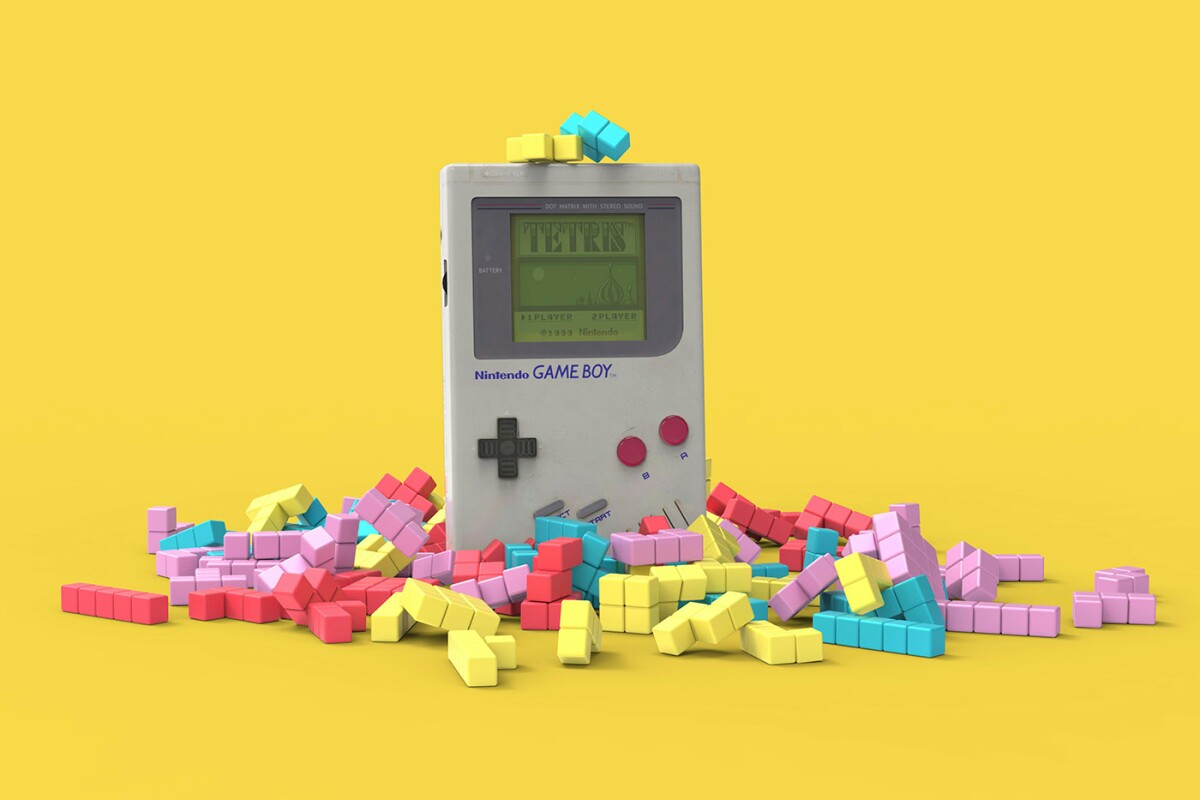
A study conducted by researchers at Uppsala University shows that playing the popular video game Tetris can significantly reduce flashbacks in people suffering from post-traumatic stress disorder (PTSD).
The idea isn’t entirely new, and this particular angle involving Tetris has been in play since 2009. That’s when Emily Holmes, now a professor at Uppsala University, began looking into whether the game could serve as an early intervention for people who have been exposed to trauma.
In a study Holmes led 15 years ago, participants who played Tetris shortly after watching a traumatic film experienced fewer flashbacks than those who sat quietly after the screening. While the results were encouraging, that was a small study with just 40 participants in a highly controlled setting.
The latest study involved 164 healthcare workers in Sweden who worked with COVID-19 patients, and were exposed to work-related trauma. It was conducted during the pandemic, between September 2020 and April 2022.
The results were remarkable. At a five-week follow-up with the participants – who experienced 15 flashbacks a week on average – those in the control group who only listened to the radio for treatment reported an average of five episodes a week, while those in the gaming group had just one.
The experimental group that played Tetris also reported only half as many flashbacks six months after their treatment than the control group.
Beating flashbacks at their own game
Holmes had previously hypothesized that Tetris could “disrupt dysfunctional mental imagery (e.g., imagery-based intrusive memories of adverse events)” by taxing your visuospatial memory. That was realized in her earlier studies, where people played Tetris shortly after being exposed to traumatic material.
This recent study goes further, and proves that the game can prevent the reoccurrence of intrusive memories over longer periods of time.
As the game presents you with a never-ending series of bricks in different configurations, you need to figure out how to rotate these bricks and drop them in the right location on the screen to create a horizontal line and clear it.
That’s where Tetris comes in.In demanding mental rotation, it’s an example of a visuospatial task that is theorized to compete with the same cognitive resources as the mental imagery underlying intrusive memories.
This recent experiment shows that Tetris can effectively reduce flashbacks for long periods, with just 20 minutes of play.
That’s pretty good for a treatment that can be administered using a free resource (you can play Tetris online at no charge), in a short amount of time, and a single guided session. Holmes also hopes that this sort of intervention could even act as a preventative measure.
“My vision is that one day we will be able to provide a tool for people such as healthcare professionals after traumatic events to help prevent and treat early PTSD symptoms, that is a ‘cognitive vaccine’, in a similar way that we currently vaccinate against some infectious physical diseases,” she explained.
Who knew that arranging bricks would be good for more than killing time? The latest research has been published in the journal BMC Medicine.
Broca’s aphasia is a language disorder that affects communication.You know what to say but have trouble speaking. It takes a lot of effort to say a complete sentence so you may remove certain words to make it easier. Aphasia can lead to social isolation and mental health challenges. Speech therapy can help.
Broca’s aphasia is an expressive language disorder that affects how you speak (your fluency) but not your understanding of words (your comprehension). You might have trouble forming sentences longer than four words, finding the right words for a sentence or making the correct sounds to say each word. It may be easier for you to read than write.
Cleveland Clinic is a non-profit academic medical center. Advertising on our site helps support our mission. We do not endorse non-Cleveland Clinic products or services. Policy
The following are examples of Broca’s aphasia speech:
“Want water now” instead of “I want a glass of water.”
“Me go store buy milk” instead of “I’m going to the store to buy milk.”
“Dog dog park” instead of “There are two dogs at the park.”
Broca’s aphasia, sometimes called expressive aphasia, is the most common form of non-fluent aphasia. It usually happens after brain damage from a stroke or traumatic brain injury.
Symptoms and Causes
What are the symptoms of Broca’s aphasia?
The symptoms of Broca’s aphasia affect your communication skills. You know what to say but can’t say it. You may:
Have trouble forming sentences.
Only use a few words instead of saying a full sentence.
Rely on nouns and/or leave out linking words (conjunctions like “and,” “or” and “but”).
Have trouble repeating phrases and sentences.
Broca’s aphasia doesn’t affect your intelligence.You might have trouble understanding long, complex sentences at times, but not always.
You may notice it takes a lot of effort to formulate words and sentences.As a result, this can significantly impact your mental health and your willingness to connect with others. It’s common to experience the following with Broca’s aphasia:
Depending on what caused aphasia symptoms and the area of your brain where damage occurred,you may have additional symptoms beyond your speech. For example, after a stroke, you’re more likely to have trouble moving or paralysis on one side of your body. Stroke damage can also affect the muscles that control your arms and legs and you may have residual weakness.
What causes Broca’s aphasia?
Damage to the Broca’s area of your brain causes this type of aphasia. The Broca’s area is in your frontal lobe, on the left side of your head, near your temple. This part of your brain controls your speech and articulation.
The most common reason for damage to this part of your brain is an ischemic stroke.
A healthcare provider will diagnose this condition after a physical exam, neurological exam, language evaluation and testing. Your provider will review your health history during the exam. They may refer you to a speech-language pathologist (SLP) for a language evaluation. A speech-language pathologist will assess your ability to:
Name objects
Repeat phrases
Follow commands
Read
Write
Imaging tests can detect brain damage, which confirms a diagnosis. Your provider may order one of the following tests:
Since depression is common with aphasia, you may receive a referral to visit a mental health professional.
Management and Treatment
How is Broca’s aphasia treated?
Treatment for Broca’s aphasia varies based on what symptoms you experience.
Your healthcare provider will first recommend speech therapy. A speech-language pathologist will help you find effective ways to communicate. You may use a board with images on it and point to what you want or need. Your provider may teach you melodic intonation.This is where you learn to use musical tones (like singing) to express words or phrases more fluently than speaking.
Healthcare providers are studying new medications and treatment options for aphasia in clinical trials. These are tests on humans. Examples of available trials include transcranial stimulation and different types of medications.
If you experience mental health challenges with aphasia, your healthcare provider will recommend treatment options for depression, as well.
During treatment, your care team will work closely with your caregivers and loved ones so everyone can effectively communicate with each other. This can improve your outcome and quality of life.
Prevention
Can Broca’s aphasia be prevented?
You can’t prevent all cases of this condition. You can, however, reduce your risk of conditions that cause aphasia like a stroke or traumatic brain injury by:
Managing any underlying health conditions
Following an eating and physical activity plan that’s healthy for you
Protecting yourself from injury (like wearing a helmet during contact sports)
Your provider may make additional recommendations specific to your needs.
Outlook / Prognosis
Can Broca’s aphasia be cured?
There isn’t a cure for Broca’s aphasia. Researchers are doing clinical trials to find new treatment options.
Can you recover from Broca’s aphasia?
Your ability to recover varies based on the severity of damage to the language processing area of your brain. Some cases may be temporary and you’ll make a full recovery, while others require lifelong management to help you communicate. You may notice language skill improvement within two to six months after a stroke. Speech therapy can help you maintain or increase these improvements over time.
Living With
When should I see a healthcare provider?
Talk to a healthcare provider if you or a loved one have symptoms of aphasia, especially after a stroke or accident where you had head trauma. If you have an aphasia or neurodegenerative condition diagnosis and your symptoms get worse, let your provider know.
What questions should I ask my healthcare provider?
You may want to ask your provider:
What caused my symptoms?
How often should I participate in speech therapy?
Do I qualify for clinical trials?
Should I talk to a mental health professional?
A note from Cleveland Clinic
If you have Broca’s aphasia, you might want to speak, but the words don’t flow easily. This can feel like your brain built a wall around its language processing center. It takes a lot of mental effort just to put a sentence together. This can wear down your mental health and make you want to avoid social situations.
But you don’t have to deal with aphasia on your own. A healthcare provider can help you. You may learn new ways of speaking to adapt, like with an image board or a melody. These allow you to communicate your wants and needs more effectively. Practicing your newly learned skills can benefit your quality of life and your social interactions.
An axial and a sagittal slice of Broca’s area as seen with Magnetic Resonance Imaging (a.u.=arbitrary units). Credit: Costantini I, Morgan L, Yang J, Yael Balbastre Y, et al., Science Advances,9, 41 (2023).
An international research team has created the first cell-by-cell atlas of a part of the brain known as Broca’s area, critical for processing language and producing speech. The team includes scientists from the University of Florence and the National Research Council (CNR), and the unprecedented single-cell level resolution was achieved at the European Laboratory for Non-Linear Spectroscopy (LENS) in Sesto Fiorentino.
The atlas has been published in Science Advances1, as part of a package of 21 neuroscience studies across various journals. These publications are all under the umbrella of the National Institutes of Health’s BRAIN Initiative Cell Census Network (BICCN), launched in 2017 to create an atlas of the human and non-human primate brain at the cell-type level.
Knowing how several types and sub-types of brain cells work and how they are distributed throughout the brain’s volume is essential to understand how neural circuits generate complex perceptions and behaviours. The team from Italy developed a new technique to analyse and quantify the cellular organization of neurons at a micrometre resolution, while also maintaining a macroscopic view of the spatial organisation of the whole brain. They did so by combining four experimental techniques: magnetic resonance imaging and optical coherence tomography provided 3-D anatomical images at the macroscopic scale, while light-sheet fluorescent microscopy and stereology were used to image and count cell types.
“We have put together a multimodal imaging infrastructure to bridge the resolution gap between macroscopic and microscopic techniques, resulting in a platform that integrates cellular information within a whole-brain reference space,” explains Francesco Saverio Pavone, director of LENS and among the lead authors of the study.
The approach allowed the researchers to collect a cell census of the different neuronal types in the Broca’s area within the whole-hemisphere magnetic resonance imaging of a post-mortem human brain. “Now we can delve deeper into how the cellular architecture changes because of pathologies, and we can increase the resolution of the MRI technique used in clinical applications,” says Pavone. The team’s highly accurate images of a post-mortem brain, he points out, could be used as a reference to interpret MRI scans, or to train machine learning algorithms.
Pavone suggests that the approach, currently applied to a single area of the brain, can be extended to several cerebral areas to gain access to fundamental information on their structure and function. This will also help assess variability between individuals and within a single individual over time, for example because of pathologic changes that occur in neurodegenerative and psychiatric illnesses. Or, Pavone explains, it may be possible to provide data to researchers who develop brain-machines interfaces for patient who have lost their speech and could use a device that decodes signals from the Broca’s area and then re-codes them into words.
Summary: New research highlights that some sedentary activities, like reading or crafting, are better for brain health than others, such as watching TV or gaming. A study of 397 older adults found that mentally stimulating and socially engaging activities support memory and thinking abilities, while passive screen time is linked to cognitive decline.
This insight is crucial, as 45% of dementia cases are linked to modifiable lifestyle factors. Researchers suggest swapping passive activities for more engaging ones to protect brain health, even during indulgent holiday marathons.
Key Facts
Cognitive Benefits: Reading and social engagement improve brain function, unlike passive screen time.
Preventable Risk: 45% of dementia cases could be reduced through lifestyle changes.
Healthy Swaps: Small activity changes, like breaking up TV time with reading or movement, benefit the brain.
Source: University of South Australia
It’s that time of the year when most of us get the chance to sit back and enjoy some well-deserved down time. But whether you reach for the TV controller, or a favourite book, your choice could have implications for your long-term brain health, say researchers at the University of South Australia.
Assessing the 24-hour activity patterns of 397 older adults (aged 60+), researchers found that the context or type of activity that you engage in, matters when it comes to brain health.And specifically, that some sedentary (or sitting) behaviours are better for cognitive function than others.
“In this research, we found that the context of an activity alters how it relates to cognitive function, with different activities providing varying levels of cognitive stimulation and social engagement,” Dr Mellow says. Credit: Neuroscience News
When looking at different sedentary behaviours, they found that social or mentally stimulating activities such as reading, listening to music, praying, crafting, playing a musical instrument, or chatting with others are beneficial for memory and thinking abilities. Yet watching TV or playing video games are detrimental.
Researchers believe that there is likely a hierarchy of how sedentary behaviours relate to cognitive function, in that some have positive effects while others have negative effects.
It’s a valuable insight that could help reduce risks of cognitive impairment, particularly when at least 45% of dementia cases could be prevented through modifiable lifestyle factors.
In Australia, about 411,100 people (or one in every 1000 people) are living with dementia. Nearly two-thirds are women. Globally, the World Health Organization estimates that more than 55 million people have dementia with nearly 10 million new cases each year.
UniSA researcher Dr Maddison Mellow says that not all sedentary behaviours are equal when it comes to memory and thinking ability.
“In this research, we found that the context of an activity alters how it relates to cognitive function, with different activities providing varying levels of cognitive stimulation and social engagement,” Dr Mellow says.
“We already know that physical activity is a strong protector against dementia risk, and this should certainly be prioritised if you are trying to improve your brain health. But until now, we hadn’t directly explored whether we can benefit our brain health by swapping one sedentary behaviour for another.
“We found that sedentary behaviours which promote mental stimulation or social engagement – such as reading or talking with friends – are beneficial for cognitive function, whereas others like watching TV or gaming have a negative effect. So, the type of activity is important.
“And, while the ‘move more, sit less’ message certainly holds true for cardiometabolic and brain health, our research shows that a more nuanced approach is needed when it comes to thinking about the link between sedentary behaviours and cognitive function.”
Now, as the Christmas holidays roll around, what advice do researchers have for those who really want to indulge in a myriad of Christmas movies or a marathon of Modern Family?
“To achieve the best brain health and physical health benefits, you should prioritise movement that’s enjoyable and gets the heart rate up, as this has benefits for all aspects of health,” Dr Mellow says.
“But even small five-minute time swaps can have benefits. So, if you’re dead set on having a Christmas movie marathon, try to break up that time with some physical activity or a more cognitively engaged seated activity, like reading, at some point. That way you can slowly build up healthier habits.”
This research was conducted by a team of UniSA researchers including: Dr Maddison Mellow, Prof Dot Dumuid, Dr Alexandra Wade, Prof Tim Olds, Dr Ty Stanford, Prof Hannah Keage, and Assoc Prof Ashleigh Smith; with researchers from the University of Leicester, and the University of Newcastle.
About this brain health and neurology research news
Should We Work Smarter or Harder for Our Health? A Comparison of Intensity and Domain-Based Time-Use Compositions and Their Associations With Cognitive and Cardiometabolic Health
Background
Each day is made up of a composition of “time-use behaviors.” These can be classified by their intensity (eg, light or moderate–vigorous physical activity [PA]) or domain (eg, chores, socializing). Intensity-based time-use behaviors are linked with cognitive function and cardiometabolic health in older adults, but it is unknown whether these relationships differ depending on the domain (or type/context) of behavior.
Methods
This study included 397 older adults (65.5 ± 3.0 years, 69% female, 16.0 ± 3.0 years education) from Adelaide and Newcastle, Australia. Time-use behaviors were recorded using the Multimedia Activity Recall for Children and Adults, cognitive function was measured using the Addenbrooke’s Cognitive Examination III and Cambridge Neuropsychological Test Automated Battery, and systolic and diastolic blood pressure, total cholesterol, and waist–hip ratio were also recorded.
Two 24-hour time-use compositions were derived from each participant’s Multimedia Activity Recall for Children and Adults, including a 4-part intensity composition (sleep, sedentary behavior, light, and moderate–vigorous PA) and an 8-part domain composition (Sleep, Self-Care, Chores, Screen Time, Quiet Time, Household Administration, Sport/Exercise, and Social).
Results
Linear regressions found significant associations between the domain composition and both Addenbrooke’s Cognitive Examination III (p = .010) and waist–hip ratio (p = .009), and between the intensity composition and waist–hip ratio (p = .025). Isotemporal substitution modeling demonstrated that the domains of sedentary behaviors and PA impacted their associations with Addenbrooke’s Cognitive Examination III, while any PA appeared beneficial for waist–hip ratio.
Conclusions
Findings suggest the domain of behavior should be considered when aiming to support cognitive function, whereas, for cardiometabolic health, it appears sufficient to promote any type of PA.
Peter Thiel: The consensus in Washington is that DOGE is going nowhere, but I’d say you should never bet against Elon. “The strong consensus view in the D.C. establishment is that this is going to go nowhere. That it’s just absolutely impossible to fix things, and this is going to be a very frustrating dead end. The alternate view, I would say, is you should never bet against Elon. We all know there’s an extraordinary amount of waste, and it is unsustainable. The 6% GDP deficits the US has cannot be sustained. They probably cannot even be sustained for even the rest of this decade. There are two ways to resolve them. You can cut spending and cut waste, or you can raise taxes massively. I take this election in the US for standing for the proposition we’re not going to go the European-style socialist route of having massive tax hikes. That suggests you need to try something like the DOGE thing. And that’s actually what is going to happen.” Interview with