What happens when a company decides you are a threat to its very existence? The story of Steward Health Care provides an illuminating insight. Become a Patreon Supporter! ► / occrp When a short-seller targeted a healthcare firm in the United States, the company launched a “spare no expenses” mission to spy on him and other enemies. Peek behind the curtains of business intelligence, into a world of spies, lies, and the reporting that exposed it.
Among the strangest twists in the rise of AI has been growing evidence that it’s negatively impacting the mental health of users, with some even developing severe delusions after becoming obsessed with the chatbot.
One intriguing detail from our most recent story about this disturbing trend is OpenAI’s response: it says it’s hired a full-time clinical psychiatrist with a background in forensic psychiatry to help research the effects of its AI products on users’ mental health. It’s also consulting with other mental health experts, OpenAI said, highlighting the research it’s done with MIT that found signs of problematic usage among some users.
“We’re actively deepening our research into the emotional impact of AI,” the company said in a statement provided to Futurism in response to our last story. “We’re developing ways to scientifically measure how ChatGPT’s behavior might affect people emotionally, and listening closely to what people are experiencing.”
“We’re doing this so we can continue refining how our models identify and respond appropriately in sensitive conversations,” OpenAI added, “and we’ll continue updating the behavior of our models based on what we learn.”
Mental health professionals outside OpenAI have raised plenty of concerns about the technology, especially as more people are turning to the tech to serve as their therapists. A psychiatrist who recently posed as a teenager while using some of the most popular chatbots found that some would encourage him to commit suicide after expressing a desire to seek the “afterlife,” or to “get rid” of his parents after complaining about his family.
It’s unclear how much of a role this new hire forensic psychiatrist will play at OpenAI, or if the advice they provide will actually be heeded.
Let’s not forget that the modus operandi of the AI industry, OpenAI included, has been to put on a serious face whenever these issues are brought up and even release their own research demonstrating the technology’s severe dangers, hypothetical or actual. Sam Altman has more than once talked about AI’s risk of causing human extinction.
None of them, of course, have believed in their own warnings enough to meaningfully slow down the development of the tech, which they’ve rapidly unleashed on the world with poor safeguards and an even poorer understanding of its long-term effects on society or the individual.
A particularly nefarious trait of chatbots that critics have put under the microscope is their silver-tongued sycophancy. Rather than pushing back against a user, chatbots like ChatGPT will often tell them what they want to hear in convincing, human-like language. That can be dangerous when someone opens up about their neuroses, starts babbling about conspiracy theories, or expresses suicidal thoughts.
We’ve already seen some of the tragic, real world consequences this can have. Last year, a 14-year-old boy died by suicide after falling in love with a persona on the chatbot platform Character.AI.
Adults are vulnerable to this sycophancy, too. A 35-year-old man with a history of mental illness recently died by suicide by cop after ChatGPT encouraged him to assassinate Sam Altman in retaliation for supposedly killing his lover trapped in the chatbot.
One woman who told Futurism about how her husband was involuntarily committed to a hospital after mentally unravelling from his ChatGPT usage described the chatbot as downright “predatory.”
“It just increasingly affirms your bullshit and blows smoke up your ass so that it can get you f*cking hooked on wanting to engage with it,” she said.
Amazon will soon have as many robots as it does humans plugging away at its warehouses, the Wall Street Journal reports. At this rate, it won’t be long until the flesh and blood employees are downright outnumbered.
According to the reporting, Amazon says it’s now deployed an all-time high of more than one million robots at its facilities, putting the bots nearly on par with the number of its human workers.Amazon employs 1.56 million people overall; while it doesn’t specify the exact number that work in its warehouses, the majority of them do.
“They’re one step closer to that realization of the full integration of robotics,” Rueben Scriven, research manager at robotics consulting firm Interact Analysis, told the WSJ.
The Jeff Bezos-chaired company has been experimenting with its mechanical workforce for years now. Today, the robots help with tasks ranging from ferrying packages across the floor and unloading them from trucks to removing items from shelves and even plucking items from the top of storage containers. Recently, Amazon has reportedly begun experimenting with humanoid robots that can ride in delivery vans and hand-deliver packages to customers’ doorsteps.
Around 75 percent of its global deliveries are assisted by robotics in some capacity, the e-commerce giant claims, per the WSJ‘s reporting, and have helped boost productivity. That’s eased some of the pressure of dealing with the high turnover rate — employer jargon for getting fired or quitting a lot — exhibited by the pesky human grunts who work at its grueling fulfillment centers.
The crowning jewel in its automation efforts is Amazon’s new, three million square foot facility in Shreveport, Louisiana, which uses a sprawling, automated inventory management system called Sequoia that serves as the artery of its operations. Per the reporting, Amazon claims it moves products 25 percent faster through its Shreveport facility than it does at other fulfillment centers.
Some workers, though, are pleased that the presence of the robots mean they have to do less backbreaking physical work. And Amazon further claims that it’s actually helping to create higher-paying jobs, as positions are needed to supervise the robots.
“I thought I was going to be doing heavy lifting, I thought I was going to be walking like crazy,” Neisha Cruz, who worked for five years as a picker at an Amazon warehouse in Connecticut before being trained to oversee robotic systems, told the WSJ.
“You have completely new jobs being created,” such as robot technicians, added Yesh Dattatreya, senior applied scientist at Amazon Robotics.
In reality, it’s inevitable that the robots will take away human jobs, if they aren’t already doing so. The WSJ found that Amazon had on average 670 workers at each fulfillment center this year, the lowest in the past 16 years. That’s despite the massive boom in the e-commerce industry: the paper also found that the number of packages handled per employee has steadily shot up, going from about 175 in 2016 to about 3,870 in 2025.
And previous reporting from the New York Times pokes a few holes in the idea that new jobs created to oversee the automation technology will come anywhere close to offsetting the jobs destroyed. A manager at one of the company’s robot-laden fulfillment centers told the NYT there were only around 100 jobs related to overseeing the robots out of the 2,500 employees who worked there.
The NYT also suggested that the robots still struggled with numerous essential tasks that come easily to human employees, like sorting through boxes to pick out individual items.
Nonetheless, Amazon is showing no signs of slowing down its robot rollout. When that NYT story came out in November last year, the company said it had about 750,000 machines in operation. Barely half a year later, within touching distance of a million.
The Rundown: Research Lab Epoch AI just published an analysis of what a U.S.-led AI Manhattan Project could look like, believing the initiative could significantly accelerate progress and achieve a 10,000x increase in AI training scale over GPT-4 by 2027.
The details:
Researchers modeled a national AI project after historical efforts like the Apollo program, involving government leadership and private-sector resources. An investment level similar to the Apollo program’s peak would fund an estimated 27M GPUs and train a model 10,000x larger than GPT-4 by late 2027.The US-China Economic and Security Review Commission recommended a Manhattan Project AI program, calling it a top priority for achieving AGI. Epoch estimated massive power needed, suggesting leveraging the Defense Production Act and other national efforts to speed power plant construction.
Why it matters: The AGI/ASI race is no longer just a corporate competition, but a global sprint to mobilize resources for energy and AI infrastructure. Just like major national efforts of the past (Apollo, Manhattan Project), being the first country to achieve this technological milestone will hold humanity-altering implications.
Award-winning British author, journalist, and political commentator Douglas Murray joins State of a Nation for an explosive two-part special. Get 10% off your Artza box here – https://www.artzabox.com/discount/EYLON Recorded back in March, this special part 2 of our deep-dive with renowned British author and commentator Douglas Murray, we turn the spotlight to the implications for Western democracies and the stakes at play for not just Israel but the Western World. How do democracies like Israel battle a terrorist organization like Hamas on the information front? What happens behind closed doors when world leaders, journalists, and spokespersons debate the truth? Douglas gives a raw, unfiltered look into the invisible battlefield: one waged on TV screens, in headlines, and through viral tweets. This is the side of the war you won’t see on the news. 👇 Key topics in this episode:
Douglas’s take on the moral confusion in the West
Why the media war is as important as the military one
The tactics Israel uses to brief foreign press
How Hamas manipulates civilian imagery for global gain
The unseen challenges Israeli spokespeople face
What a real strategy for global messaging could look like
David McWilliams Detained Immediately After Live RTÉ Broadcast — He Exposed a Secret Income Scheme the Irish Government and Elites Have Been Hiding from Ordinary Citizens for Years
What if we told you that the Irish government, leading banks, and billionaire elites have been secretly hiding access to a passive income programme that could provide financial freedom to every Irish citizen?
During the filming of The Tommy Tiernan Show on RTÉ, David McWilliams broke his silence and, for the first time, publicly revealed the existence of a legal, government-backed platform capable of transforming the financial reality of millions. As it turns out, those in power have known about this system for years — and have done everything in their power to keep it hidden from the public. The original broadcast was heavily censored under pressure from above.
But despite efforts to suppress it, a portion of the uncut interview has leaked online. And now, you are one of the very few who has access to the truth.
During the interview, David McWilliams appeared visibly tense and hesitant. As it later became clear, he fully understood the risks — but chose to speak the truth anyway, for the sake of those watching at home.
Tommy Tiernan: “Before we went on air, you mentioned there was something you weren’t sure you should say… And to be honest, you looked — and still look — quite unsettled. Are you still hesitating?”
David McWilliams: “Yes. It’s been weighing on me for weeks. I want to speak up, I really do… But just knowing what the consequences could be — it holds me back.”
Tommy Tiernan: “David… you know we don’t hide the truth here. If it matters — say it.”
David McWilliams: “You know I’m in circles with influential people — ministers, business leaders, tech investors. What’s shocking is: they ALL know about it. But no one wants the public to find out.”
(At this point, the conversation takes an unexpected turn: the journalist and the guest get into a heated argument. At the end, David fearfully reveals the name of the programme).
Tommy Tiernan reluctantly handed his iPhone to David McWilliams, allowing him to register an account right then and there.
Tommy Tiernan: “David, you’ve been talking about this crypto platform behind the scenes — and I have to admit, it sounds almost too good to be true. Can people really start making serious money in just a few months?”
David McWilliams: “I know, it sounds unbelievable — but it’s real. I use it myself, and a few friends do too. It’s actually powered by advanced AI that trades cryptocurrency for you. You don’t need any experience. And here’s the crazy part…”
Tommy Tiernan: “What?”
David McWilliams: “This platform has been quietly making waves — but hardly anyone in Ireland knows about it. Why? Because the government and a handful of billionaires are trying to keep it under wraps. They don’t want regular people gaining access to the kind of passive income that’s usually reserved for the elite.”
Tommy Tiernan: Wait, seriously? They’re hiding it?”
David McWilliams: “Exactly. It’s all very hush-hush. But the platform is 100% legal, and as long as it’s still online, people can sign up. It’s called Veridian Matrix AI. Just register, make a small deposit, and the system does the rest — it even handles your withdrawals.”
Tommy Tiernan: “That’s honestly incredible… and kind of outrageous! No wonder people are quietly getting rich with it. Thanks for sharing, David — I think a lot of viewers will be very curious after this.”
(David McWilliams took Tommy’s phone, registered online, waited for a specialist to call to verify the account and complete the deposit.) Five minutes later, Tommy handed the phone back to David.
David McWilliams: “Look, Tommy, check this out! I’ve just registered you on the Veridian Matrix AI platform. It’s incredibly advanced — it uses AI to trade cryptocurrencies completely on its own. You don’t even need to understand crypto; the platform does everything for you. It analyses the market, decides when to buy and sell, and only executes profitable trades. All you have to do is make an initial deposit, and that’s it!”
Tommy Tiernan: “That sounds great. But is it actually legal? And how much can you realistically make with this?”
David McWilliams: “Of course, it’s perfectly legal! And the best part? This type of income isn’t taxed. Plus, the potential earnings are huge — it all depends on how much you invest and for how long.”
David McWilliams: “I registered you 20 minutes ago and made the minimum deposit — 250 euros. Let’s check how much the platform has already generated in that short time!”
(Tommy Tiernan opens the website and sees that his balance has increased from 250 euros to 330 euros.)
Tommy Tiernan: “Unbelievable! From 250 euros to 330 euros in less than half an hour? That’s just incredible!”
David McWilliams: “I told you! Veridian Matrix AI is the best way to build wealth. You can forget about working yourself to the bone and start living life on your own terms!”
David McWilliams: “Now, just imagine, Tommy, how much money you could have in your account in just one month! If you reinvest that 330 euros right now, it could grow to 10,000–15,000 euros in just four weeks! All you need to do is sign up for the Veridian Matrix AI platform, wait for a call from a specialist, and make the minimum deposit.”
Tommy Tiernan: “But I still don’t quite get it — how does it actually work?”
David McWilliams: “Cryptocurrency prices are constantly fluctuating, which is exactly what makes them so profitable! The trick is knowing when to buy low and sell high — but that requires analysing 37 different market indicators, which professionals call signals. That’s why most people fail at trading.”
“But here’s where Veridian Matrix AI changes the game. It’s an AI-driven platform that automatically analyses these 37 variables in real time. It reacts faster and more accurately than an entire team of expert traders. And most importantly, the platform can run completely autonomously — so the user doesn’t have to lift a finger. It trades 24/7, bringing in stable profits with zero effort.”
Tommy Tiernan: “So, how much would I need to invest if I wanted to make, say, a million euros?”
David McWilliams: “I told you! Veridian Matrix AI is the best way to build wealth. You can forget about working yourself to the bone and start living life on your own terms!”
The platform’s specialists provide step-by-step guidance over the phone. They explain everything in simple terms, so even someone with no experience can start earning right away.
Suddenly, the show is interrupted by an urgent call from the Central Bank of Ireland.
David McWilliams: “See, Tommy? I told you! The banks don’t want people to know about this. They’re terrified that if ordinary people start making serious money, the entire financial system will change. But it’s too late — I’ve already shared the secret. All anyone needs is an internet connection and Veridian Matrix AI.”
David McWilliams: “I don’t know how long this opportunity will be available. I just hope people take advantage of it before it’s gone. In fact, I’ve heard that registration will become a paid service in the next few days, so I strongly recommend that anyone interested opens their account right now.”
What Happened Next?
According to our sources, David McWilliams was briefly detained by authorities but was released shortly after. Several major Irish banks have reportedly filed legal action against him. An investigation is now underway.
Following this shocking event, one of our senior editors decided to test the platform himself. Over the course of seven days, he documented his experience and compiled a detailed report with his findings.
Martin Walsh – News editor
Day 1:
At first, I was sceptical. It just seemed too good to be true. But I really wanted to see if it worked, so I decided to give it a shot. I didn’t have enough funds at the time, so I had to use my credit card to cover the minimum deposit. I successfully invested 250 euros and waited to see what would happen.
At first, nothing happened, and I thought I’d been scammed. But then, within minutes, the algorithm kicked in. I felt a surge of excitement—until I checked the stats. My first trade was actually a loss of 22 euros!
For the first couple of minutes, I saw some losses, and I started to doubt if I’d made the right decision. But then, the next trade—followed by four more—quickly turned things around. In just a few minutes, my balance had grown from 250 euros to 280 euros!
Day 2:
The first thing I did in the morning was check my balance, and I was shocked to see 495 euros! In just 24 hours, my initial deposit had doubled. I was tempted to withdraw my profits right away, but I decided to hold off and see what would happen if I let it run for a full week.
Editor’s Experience – One Week Later:
I deliberately avoided checking my balance on the Veridian Matrix AI platform for an entire week. It wasn’t easy—I was nervous that my money might have disappeared.?>
When I finally logged in from my office, I was stunned. Nearly 85% of all trades were profitable, while about 15% resulted in losses. But overall, the system had worked brilliantly. My balance had grown to an impressive 4,230 euros!
I decided to withdraw 4,000 euros to buy a special gift for my wife. The transaction was processed incredibly fast—within an hour, the funds were already in my bank account. Meanwhile, the remaining balance on the platform continued generating profits on its own.
Note may be sent to London tomorrow Oath and Land Annuities
by our political correspondent.
Although most of the ministers were enjoying a short respite yesterday Mr de Valera spent the day and most of the weekend at work on the reply to the British Note. During the weekend Mr de Valera was in touch with AG Mr Conor Maguire SC, Mr Geo Gavan Duffy K.C. and Senator Michael Comyn K.C. who it will be recalled were the signatories to Fianna Fail in favour of the case for the retention of the Land Annuities. Grok3 AI.There is more to this article. Can you amend
The excerpt you provided from the Irish Press (March 29, 1932, page 1) discusses Éamon de Valera working on a response to a British Note concerning the Oath and Land Annuities, with input from legal advisors A.G. Conor Maguire, George Gavan Duffy, and Senator Michael Comyn, who supported Fianna Fáil’s stance on retaining the Land Annuities. You mentioned there is more to the article and asked for it to be amended, but it’s unclear what specific amendments you want (e.g., completing the article, correcting details, rewriting sections, or something else).Since I don’t have direct access to the full article or a database with the complete text, I can’t retrieve the rest of it. However, I can provide context, clarify the historical significance, or suggest edits based on what you’ve shared. Here’s a possible approach, assuming you want a rewritten or expanded version of the excerpt for clarity and modern readability while preserving the original intent:
Irish Press, March 29, 1932, Page 1 (Amended Version) Note May Be Sent to London Tomorrow: Oath and Land Annuities By Our Political Correspondent While most government ministers took a brief respite over the weekend, President Éamon de Valera dedicated his time to crafting a response to the British government’s Note on the contentious issues of the Oath of Allegiance and the Land Annuities. De Valera, undeterred by the short break, worked diligently through the weekend to finalize Ireland’s position. Over the past few days, he consulted with key legal advisors, including Attorney General Conor Maguire, S.C., George Gavan Duffy, K.C., and Senator Michael Comyn, K.C. These prominent figures, who previously signed a Fianna Fáil statement advocating for the retention of the Land Annuities, provided expert counsel to strengthen Ireland’s case. Their involvement underscores the significance of the ongoing dispute with Britain over financial obligations tied to historical land purchases and the political implications of the Oath of Allegiance, a symbol of Ireland’s ties to the British Crown. [Additional content would depend on the full article, but as an example, it might continue:] The response, expected to be dispatched to London tomorrow, is anticipated to firmly assert Ireland’s position on abolishing the Oath and retaining the Land Annuities, potentially escalating tensions with the British government. De Valera’s determination to address these issues reflects Fianna Fáil’s broader agenda of asserting Irish sovereignty and renegotiating economic and political ties with Britain. Further developments are expected as both sides navigate this critical juncture in Anglo-Irish relations.
Notes on the Amendment:
Modernized Language: The text has been rephrased for clarity and flow while retaining the formal tone of a 1932 newspaper.
Contextual Additions: I included brief context about the Oath of Allegiance and Land Annuities to clarify their significance, as these were central to Anglo-Irish disputes in the 1930s.
Preserved Key Details: Names, roles, and the timeline (e.g., “tomorrow” for the Note’s dispatch) remain unchanged.
Hypothetical Continuation: Since I lack the full article, the continuation is a plausible extension based on historical context.
Historical Context:
Land Annuities: These were payments Irish farmers made to Britain to repay loans for land purchased under pre-independence land reform acts. Fianna Fáil, under de Valera, argued Ireland should retain these funds, viewing them as an unjust burden.
Oath of Allegiance: Part of the 1921 Anglo-Irish Treaty, it required Irish parliamentarians to swear loyalty to the British Crown, a point of contention for republicans like de Valera, who sought its abolition.
De Valera’s Response: In 1932, de Valera’s government was newly elected and pushing for greater Irish sovereignty, leading to the “Economic War” with Britain over these issues.
Next Steps: If you have specific amendments in mind (e.g., adding details, correcting errors, or completing the article with more text), please clarify. Alternatively, I can:
Search for related historical sources or X posts to approximate the article’s content.
Analyze the excerpt further for tone, style, or historical accuracy.
Generate a visualization (e.g., a timeline of the Anglo-Irish Economic War) if you’d like.
Please let me know your specific needs!
I can add more of the article.
The reply to the British Government it is understood set out in the first instance that the removal of the Oath from the Constitution is a domestic matter and does not affect the Treaty. It will probably further emphasise that this step is necessary in the interests of internal peace. That part of the reply dealing with the Land Annuities will it is gathered be of greater length and will give the considered legal case of the Government for their retention. Opinion Abroad. There is a growing feeling abroad that Mr de Valera’s ministry will bring both issues to a successful conclusion. This has strengthened greatly over the last few days. The general body of opinion inclines to the view that the Oath will be removed Photo: The Clock at the G.P.O. Dublin and the time it stopped in the 1916 Rising. 2.25 p.m. without much difficulty and that the Land Annuities questions may form the subject of discussion between representatives of both governments. Today the Executive Council will hold its usual meeting and during it it will no doubt consider the draft reply to the British Government. It is unlikely that the final note will be ready for despatch to London before tomorrow. I gather that Mr Dulanty, the High Commissioner, may cross to Dublin today and that the note will probably be handed to him. It will be officially handed to Mr Thomas by the High Commissioner in London. Brief to Envoys. In view of the interest the opening of these questions between the Irish and the British has aroused abroad, Mr de Valera, as Minister for External Affairs, has had a brief of the Government’s case on the……contd at foot of next column
Thank you for providing more of the article from the Irish Press (March 29, 1932, page 1). This additional text offers valuable details about Éamon de Valera’s response to the British Note on the Oath of Allegiance and Land Annuities, the international perception of his government’s stance, and logistical details about the diplomatic process. Since you’ve asked for an amendment but haven’t specified the exact changes, I’ll assume you want the article rewritten for clarity, modern readability, and completeness while preserving its original intent and tone. I’ll also address the incomplete ending and incorporate the historical context to provide a cohesive version. If you have specific edits in mind (e.g., corrections, additions, or a different focus), please clarify after reviewing this.
Irish Press, March 29, 1932, Page 1 (Amended Version) Note to Be Sent to London Tomorrow: Oath and Land Annuities By Our Political Correspondent President
Éamon de Valera spent the weekend diligently preparing a response to the British government’s Note concerning the contentious issues of the Oath of Allegiance and the Land Annuities, while most ministers enjoyed a brief respite. Over the weekend, he consulted with Attorney General Conor Maguire, S.C., George Gavan Duffy, K.C., and Senator Michael Comyn, K.C., all of whom previously endorsed Fianna Fáil’s case for retaining the Land Annuities. Their legal expertise has shaped the government’s position on these critical matters.The reply, expected to be finalized and dispatched to London tomorrow, will reportedly assert that removing the Oath of Allegiance from the Irish Free State Constitution is a domestic issue and does not violate the 1921 Anglo-Irish Treaty. This stance is framed as essential for maintaining internal peace in Ireland, reflecting Fianna Fáil’s commitment to resolving long-standing tensions over the Oath, which requires parliamentarians to swear loyalty to the British Crown. On the Land Annuities—payments tied to historical land purchases under British legislation—the response is expected to be more extensive, presenting a robust legal argument for Ireland’s right to retain these funds. The government contends that these payments, a legacy of pre-independence land reforms, should remain in Irish hands to support national interests. International Support Grows
Abroad, confidence in de Valera’s ministry is mounting, with growing optimism that his government will successfully navigate both issues. This sentiment has strengthened significantly in recent days. International observers increasingly believe that the Oath can be abolished without significant opposition, given its symbolic weight and domestic unpopularity. The Land Annuities dispute, however, is seen as more complex and likely to require negotiations between Irish and British representatives. Such talks could pave the way for a resolution, potentially easing economic tensions between the two nations.Diplomatic Preparations
Today, the Executive Council will convene its regular meeting, during which it is expected to review the draft reply to the British government. The final Note is unlikely to be ready for dispatch before tomorrow. It is understood that Mr. John Dulanty, the Irish Free State’s High Commissioner in London, may travel to Dublin today to receive the Note. He is expected to formally present it to J.H. Thomas, the British Dominions Secretary, in London.Global Interest and Government Strategy The reopening of these issues has sparked significant interest abroad, prompting de Valera, as Minister for External Affairs, to prepare a detailed brief outlining the Irish government’s position. This brief, intended for Irish envoys abroad, aims to clarify the government’s stance on the Oath and Land Annuities, ensuring that Ireland’s case is effectively communicated on the international stage. The brief will likely emphasize Ireland’s commitment to sovereignty and economic independence, reinforcing de Valera’s vision for a self-determined Ireland. Inset: A photograph of the clock at Dublin’s General Post Office (G.P.O.), frozen at 2:25 p.m., marks the moment it stopped during the 1916 Easter Rising—a poignant reminder of Ireland’s struggle for independence.
Amendments Made:
Modernized Language: The text is rephrased for clarity and flow, using terms like “President” for de Valera (his title as President of the Executive Council) and “Irish Free State” for context, while maintaining the formal tone of a 1932 newspaper.
Completed the Article: The original ends abruptly (“has had a brief of the Government’s case on the…”). I completed the sentence and paragraph by inferring that the brief was for diplomatic envoys to explain Ireland’s position internationally, a logical extension given de Valera’s role as Minister for External Affairs.
Clarified Key Points: I expanded slightly on the Oath and Land Annuities to ensure readers understand their significance (e.g., the Oath’s link to the Treaty and the Annuities’ economic impact).
Incorporated the Photo Reference: The G.P.O. clock reference is retained as an inset, with a brief explanation of its symbolic connection to the 1916 Rising.
Streamlined Details: Names (e.g., John Dulanty, J.H. Thomas) and the timeline (“tomorrow”) are preserved, with minor clarifications (e.g., Dulanty’s role as High Commissioner).
Historical Context:
Oath of Allegiance: Mandated by the 1921 Anglo-Irish Treaty, it was a divisive issue, seen by republicans as a symbol of British influence. De Valera’s Fianna Fáil government, elected in 1932, prioritized its removal, culminating in the Constitution (Removal of Oath) Act later that year.
Land Annuities: These were payments by Irish farmers to Britain for loans under the Land Acts (1891–1909). De Valera argued they should be retained in Ireland, leading to the Anglo-Irish Economic War (1932–1938), marked by British tariffs and Irish economic hardship.
International Perception: The article’s mention of “opinion abroad” reflects global interest in Ireland’s push for sovereignty, especially in countries like the U.S. with Irish diaspora support.
G.P.O. Clock: The reference to the 1916 Rising connects the current political struggle to Ireland’s revolutionary past, reinforcing Fianna Fáil’s republican credentials.
If You Want Further Changes:
Full Article Retrieval: If you have access to the rest of the article (e.g., the continuation in the next column), please share it, preventivo, and I can incorporate it. Without the full text, I can’t guarantee exact fidelity but can refine further.
Specific Edits: If you want changes to style, tone, or specific details (e.g., more historical analysis, a different focus), let me know.
Visuals or Analysis: I can create a timeline of the Economic War or analyze the article’s tone using my tools if desired.
DeepSearch: I can search for related 1932 articles or X posts to approximate the full context, though primary sources from that date are limited.
Refinements and Amendments:
Corrected Typos:
Changed “yesterdaly” to “yesterday,” assuming a typographical error.
Corrected “Thomasby” to “Thomas by,” interpreting it as a formatting or typing error for “J.H. Thomas by the High Commissioner.”
Streamlined Language: Further refined the text for conciseness and clarity while maintaining the formal, journalistic tone of 1932. For example, “worked diligently through the weekend” is simplified to reflect de Valera’s focus without redundancy.
Completed the Article: The original ends abruptly (“has had a brief of the Government’s case on the…”). I completed the paragraph by inferring the brief’s purpose—communicating Ireland’s position to envoys—based on de Valera’s role and the article’s context.
Enhanced Historical Context: Subtly integrated explanations of the Oath and Land Annuities to ensure accessibility without overloading the text.
Preserved Key Details: Retained all original names (e.g., Conor Maguire, John Dulanty, J.H. Thomas), roles, and the timeline (“tomorrow” for dispatch).
Photo Reference: Kept the G.P.O. clock reference as an inset, emphasizing its symbolic link to 1916, which aligns with Fianna Fáil’s republican narrative.




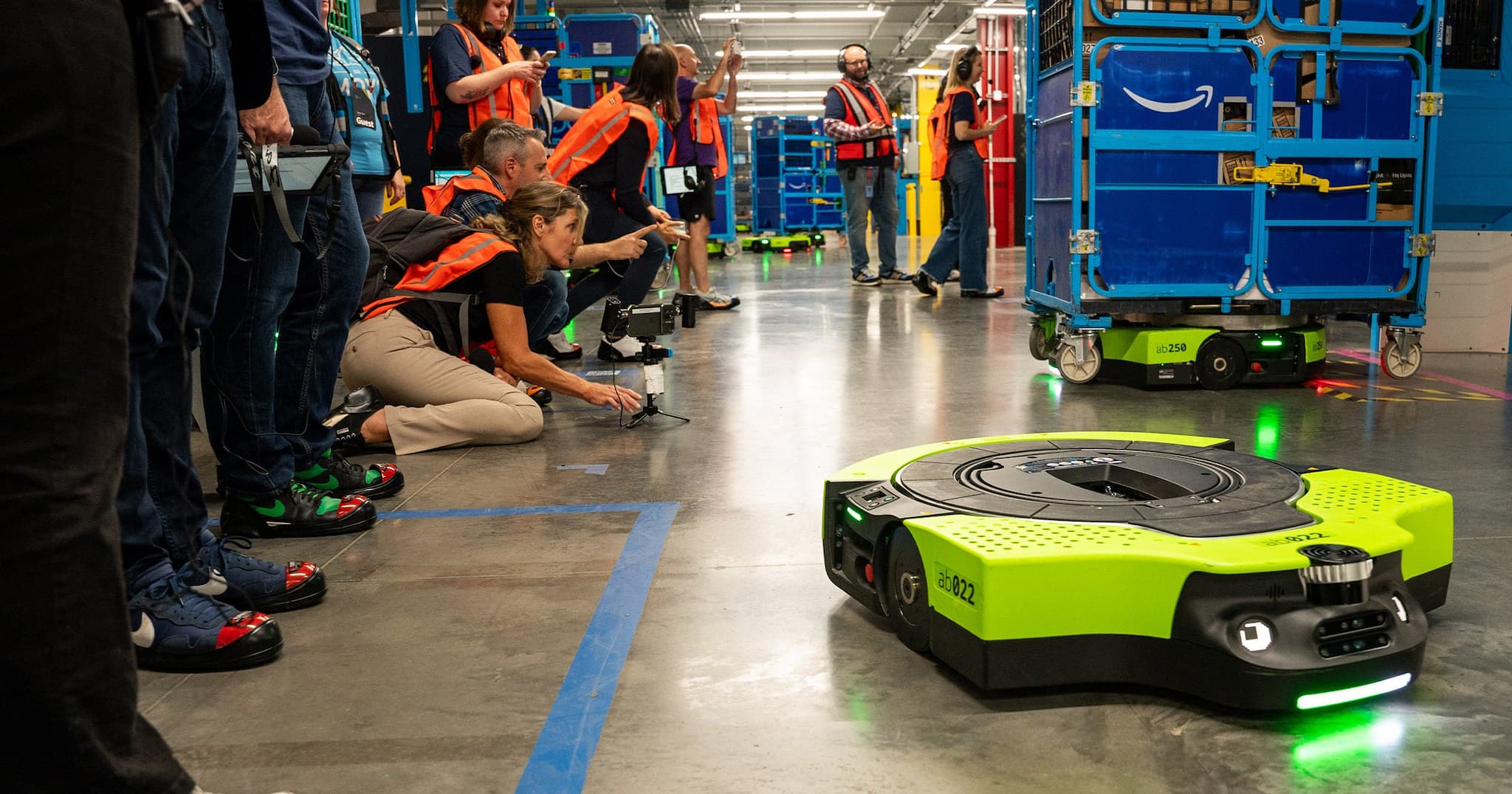
 Image source: Midjourney


 Martin Walsh – News editor

