
·
Houthis just struck 4th Saudi tanker this week NCC Ghazal The Red Sea front threatens to substantially add to the August energy shock already coming See new analysis on Escalation Trap Substack

·
Houthis just struck 4th Saudi tanker this week NCC Ghazal The Red Sea front threatens to substantially add to the August energy shock already coming See new analysis on Escalation Trap Substack
Tuesday, July 28, 2026
Mad in America SCIENCE, PSYCHIATRY AND SOCIAL JUSTICE
A new scoping review exposes the psychological trauma and institutional power dynamics behind forced drugging, highlighting the urgent call from survivors for alternatives.
By
–
July 20, 2026
558
A new article published in the Journal of Humanistic Psychology finds that patients often experience forced drugging in psychiatric contexts as dehumanizing and violent. Patients also reported feeling powerless and having their accounts dismissed due to their diagnoses. This research, authored by Mohammed Abdulhussein from Roehampton University in London, also finds that some patients reframed forced drugging as necessary after they began to recover. The author notes that these patients did not report benefits from the drugs at the time they were administered and their reframing of forced drugging may be a coping strategy that allows them to recover lost autonomy. Abdulhussein writes:
“This scoping review synthesises findings from 21 qualitative studies to explore individuals’ experiences of forced medication. The review identifies recurring themes of violence and dehumanisation, epistemic exclusion, protest and survival strategies, powerlessness, retrospective reframing, and a desire for alternatives. Interpreted through the Power Threat Meaning Framework, the review frames forced medication as a manifestation of systemic power that shapes emotional responses, meaning-making, and lived experience.”
This study, published online, is set to appear in an upcoming special print issue of the Journal of Humanistic Psychology on first person psychopharmacology.

Forced drugging of psychiatric patients is a controversial but common practice in psychiatry. Past research has found that forced drugging violates patient autonomy, has adverse effects, limited evidence of benefits, and is linked to longer stays and higher readmission rates in psychiatric hospitals. A 2011 paper argues that forced drugging damages therapeutic relationships, reduces treatment effectiveness, and results in increased adverse events due to the nocebo effect.
Patients often report feelings of fear, humiliation, and anger after being forced to take psychiatric drugs. A 2019 study found that forced drugging is often traumatic, causes feelings of violation, and damages trust in psychiatric services. This practice also involuntarily exposes patients to the numerous adverse effects associated with psychiatric drugs, including early death. In 2018, a Norwegian Ombudsman concluded that forced drugging with antipsychotics violated the law due to the low probability of improving patients’ conditions.
The UN has questioned the US on the practice of forced psychiatric drugging, framing it as a human rights violation. A 2020 UN Special Rapporteur on Torture wrote that “involuntary psychiatric interventions based on ‘medical necessity’ or ‘best interests’ may well amount to torture.” Research has found patients that are forced to take psychiatric drugs have insufficient protections and experience power imbalances that favor agents of psychiatry.
A 2020 study out of the US found that patients forced to take drugs against their will were more likely to be black, homeless, and prior victims of abuse. Research from the US has also found that black patients are given PRN (as needed, often involuntary) drugs more frequently, including a 58% increased likelihood of PRN antipsychotics and increased odds of receiving repeated antipsychotic doses. Similar research from the UK found that black patients were significantly more likely to be given higher doses of long-acting injectable antipsychotics.
The aim of the current work was to explore the lived experience of being forced to take psychiatric drugs through the lens of the Power Threat Meaning Framework (PTMF), an approach that frames psychological distress and abnormal behavior as logical, understandable survival responses to traumatic experiences and oppression.
The author decided to conduct a scoping review of previous research around the lived experience of forced psychiatric drugging. To be included in the current research, studies had to be published between January 1, 2000 and July 15, 2025, be a peer-reviewed qualitative study or doctoral thesis that focused on the first-person experience of forced psychiatric drugging, and be written in English.
Studies that focused only on clinical outcomes, contained only quantitative data, and those that explored coercion in psychiatry without explicitly examining forced drugging were excluded. Abdulhussein performed a thematic analysis of included research to identify recurring themes related to the lived experience of forced psychiatric drugging. In total, 21 studies were included in the current review.
The author identified six overarching themes throughout the included studies. (1) Forced medication as an act of violence included patient reports of feeling dehumanized, traumatized, and experiencing forced drugging as a physical and psychological violation. Patients described this practice with words like “assault” and “torture.” They also reported long-term emotional blunting and a damaged sense of identity as a result of forced drugging.
(2) Lack of information and epistemic exclusion involved patient reports of a lack of communication around forced drugging. They were given little information around this practice or the administered drugs which led to feelings of confusion and fear. When patients asked questions or complained of adverse drug effects they were routinely dismissed as being delusional and lacking insight.
(3) From protest to survival was a theme related to how patient responses to forced drugging changed over time. Many patients reported initial reactions that involved displays of anger, verbal and physical resistance, and formal complaints. However, they quickly realized that resistance was often used to justify further acts of coercion. The result was many patients using “performative insight,” pretending to agree with mental health staff about their condition, as a survival strategy and to secure release.
(4) Powerlessness involved patients feeling legally trapped with no say over their own treatment decisions. Resistance was seen by mental health professionals in terms of the “illness” rather than as an expression of feeling violated. This loss of autonomy harmed patients sense of self and interpersonal trust. This was especially true when family members approved of the coercive treatment which resulted in feelings of isolation and betrayal.
(5) Retrospective reframing and acceptance referred to some patients reframing their experience of forced drugging after they were in recovery as more positive. Some of these patients adopted psychiatric terms, such as saying their initial resistance was due to a “lack of insight” into their “illness.” Viewed through the PTMF, the author writes that this reframing may be an attempt to reconcile the violations they experienced which could allow for reclaiming of lost agency.
(6) Appetite for an alternative highlighted patients’ strong desire for less invasive and coercive care. Many patients believed that psychiatric services were far too dependent on drugs and could do more good if they focused instead on dialogue, talking therapies, and social approaches. Patients also indicated that crisis teams and safe rooms should be tried before resorting to forced drugging.
In addition to the qualitative findings, Abdulhussein also presents a hypothesis related to forced psychiatric drugging. As the randomized control trials used to evaluate these drugs are performed on willing participants, there is actually very little evidence around forced drugging. The violation of bodily autonomy that accompanies forced drugging may cause stress responses, changes in neurotransmitter levels, and altered liver enzyme activity, which could influence and significantly alter the drug’s effects. The heightened stress and negative emotions around forced drugging can also exacerbate negative outcomes as a result of the nocebo effect.
This research had several limitations. As a result of differing legal and mental health frameworks, the included studies used different measures and definitions of coercion. Many studies also examined coercion more broadly rather than forced drugging specifically. The analysis was performed by a single researcher, meaning there is elevated risk of bias compared to research where analysis is performed and validated by multiple authors. Most included studies came from the UK and Sweden, and included studies had to be published in English. This limits the generalizability of the findings. The author concludes:
“This review shows that forced psychiatric medication is frequently experienced as an act of institutional violence, producing psychological distress, damaging therapeutic relationships, and shaping individual reactions towards medications. The PTMF illuminates these experiences as coherent responses to power, threat, and meaning-making, shifting attention away from narrow biomedical framings. These insights challenge psychiatry’s prevailing focus on symptom reduction and instead call for trauma-informed, rights-based, and relational approaches to care.”
****
Abdulhussein, M. (2025). The subjective experience of forced psychiatric medication: A scoping review interpreted through the power threat meaning framework. Journal of Humanistic Psychology. (Link)
Previous articleWhy Therapy Harm Is So Difficult to Report
Next articleWhat Does Borderline Personality Disorder Entail?

Richard Sears teaches psychology at West Georgia Technical College and works as a counseling psychologist in private practice, specializing in person-centered therapy. Earlier in his career, Richard worked in a psychiatric crisis stabilization unit, an experience that exposed him to the harsh realities of a broken mental healthcare system. This fueled his commitment to providing compassionate, person-centered care and advocating for meaningful change in how mental health services are delivered.

Academic rigour, journalistic flair
Arts + CultureBusiness + EconomyEducationEnvironmentHealthPolitics + SocietyScience + TechWorldPodcastsInsights
Share article
Print article
Think back to your time at school. Were you hard-working, popular, anxious? And what exam grades did you get? Now, imagine someone pulls out your school reports from that time. How closely would they match the results you just brought to mind?
If your recollections match exactly, you might congratulate yourself on having an excellent memory. But as a psychologist who has spent years researching what people remember – and misremember – my work often challenges the idea that the “best” memory is always the most accurate one.
In fact, some of the distortions commonly regarded as memory failures may be signs of a healthy and adaptive memory system. In many aspects of life, research suggests people misremember their past in predictable, self-protective ways, reshaping experiences to support their current, positive sense of self.
For example, a 1996 US study investigated how former pupils recalled 3,220 high-school grades. The study found they accurately remembered A grades 89% of the time, but D grades only 29%. Most of the errors saw grades misremembered as higher, suggesting many people carried with them an illusion of better academic performance.
Similarly, participants in a 2006 study underwent cholesterol screening, then were followed up months later to see how accurately they remembered the results. Most recalled having lower-than-reality cholesterol, especially those with the highest readings.
Positive memory biases such as these generally become more common as we get older. This is theorised to contribute to the well-documented positive relationship between age and wellbeing. And yet this kind of memory distortion is often regarded as a failure.
About us
In law courts, hospitals and other high-stakes settings, of course, such errors can have serious consequences. For example, inaccurate eyewitness testimony is the leading contributor to wrongful convictions overturned by the Innocence Project.
But in everyday life, memory’s flexibility – and fallibility – are central to how it helps us survive and thrive. Memory is not a recording device. It is selective, reconstructive and shaped by what matters to us now.
So, what if today’s “total recall” technology is creating a memory system we do not need or benefit from?
According to the late British psychologist Martin Conway’s self-memory system, autobiographical memory is not simply a storehouse of past events. It is a system that maintains a sense of self that is coherent, stable and generally positive.
Thus, when knowledge or feelings change over time, people often reconstruct memories to be more consistent with their present selves.
Psychologist Linda Levine and colleagues found this in a 2010 study of people’s memories of their reactions to the O.J. Simpson trial. As opinions about the killing changed over time, people tended to remember their original reactions as being closer to their current beliefs than they really were.
Many long-term relationships benefit from partners having imperfect, evolving memories. In a 20-year longitudinal study, satisfied spouses often remembered the earlier stages of their marriage as less happy than they had reported at the time, creating an illusion of improvement that predicted future relationship satisfaction. Certainly, long-term love would be difficult if couples retained every slight and badly phrased sentence in perfect detail.
Depression offers a revealing contrast. Compared with non-depressed individuals, people with depression often show less of the positive bias that characterises everyday remembering.
A memory system that is less inclined to soften failures, reinterpret setbacks or highlight positive experiences may be more faithful to the past. But it can also make it harder to maintain wellbeing and hope for the future.
This is why modern technology raises difficult questions. Much of our digital world is built on the assumption that more memory is better memory. Phones preserve thousands of images. Fitness watches record steps, sleep, heart rate and calories.
The arrival of AI assistants may further accelerate this shift, as systems that can instantly search, summarise and re-present years of messages and photographs influence how we remember.
There is some evidence that more remembering is not always better. People with the very rare condition of highly superior autobiographical memory can recall extraordinary detail from decades of their lives. However, many describe the experience as exhausting, with memories resurfacing vividly and involuntarily – making it much harder to move on from negative life events.
We are beginning to see examples of how technology-supported remembering can produce similar consequences, particularly in the context of grief, where platforms unexpectedly resurface photographs, birthdays or posts from people who have died.
AI systems can create intimate forms of digital remembering. Imagine asking an AI assistant what your relationship was like three years ago and receiving a summary generated from thousands of messages, photographs and calendar entries.
Humans have always used tools to remember, from diaries and monuments to photographs, songs and stories. The issue with today’s digital tools is that they are designed around a narrow philosophy of memory: preserve everything, quantify everything, resurface everything. But human memory did not evolve to preserve everything, or remember everything exactly as it happened.
This is not to say that technology should distort or rewrite the past. Most of us would not download a health app that invents flattering data for emotional convenience. But I believe we all need to give more consideration to the so-called imperfections of human memory – its selectivity, malleability, and capacity to soften, reorganise and reinterpret the past.
For centuries, people have designed technologies to compensate for memory’s weaknesses. We may now be building technologies that remove some of its strengths.
This article contains a link to bookshop.org. If you click this link and go on to buy something from bookshop.org, The Conversation UK may earn a commission.
Gillian Murphy’s research is currently funded by the European Research Council, Lero (the Irish Centre for Software Research) and Rinn AI. Gillian is co-author of Memory Lane: The Perfectly Imperfect Ways We Remember (Princeton University Press, 2025).
Academic rigour, journalistic flair
Arts + CultureBusiness + EconomyEducationEnvironmentHealthPolitics + SocietyScience + TechWorldPodcastsInsights
Share article
Print article
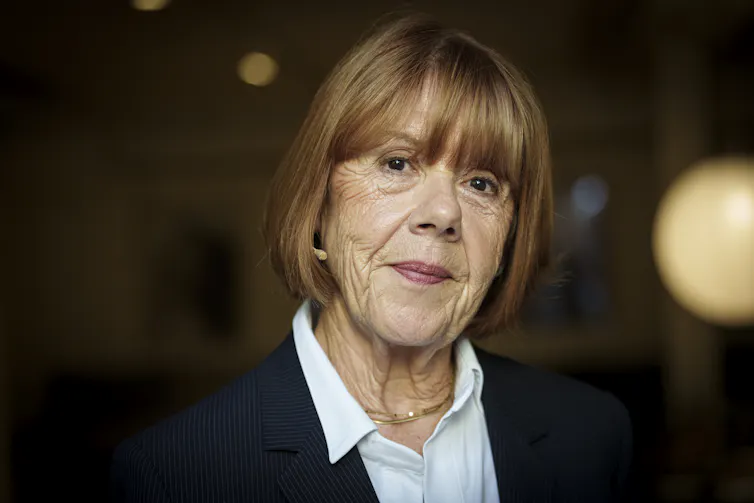
When the world learned about the horrors inflicted upon Gisèle Pelicot by her husband and his fellow rapists in 2024, it was presented as a shocking anomaly.
I participated in a documentary about the case, and during filming was asked: “Could this happen again?”. My response was: “It already is, and is an extension of the domestic abuse and sexual violence that men are subjecting women to every day.”
We’ve since seen several more cases emerge. Earlier this year, CNN exposed a global “rape academy”. In this online network, men teach one another how to drug, assault and abuse their asleep, unconscious or incapacitated female partners. In early July, the UK National Crime Agency said it had uncovered a “truly international network” of drug-facilitated rape.
Meanwhile, in Germany, a 68-year-old man has been charged with drugging and raping 14 women he met on dating platforms and filming his attacks. Also in Germany, a 32-year-old doctor has been jailed for five years for aggravated rape. He was part of a chat group where he provided information about how to rape sedated women.
The material in these forums is graphic and disturbing. Videos show men exploiting unconscious women and lifting their eyelids to demonstrate that they are asleep or sedated. Content is categorised with tags such as “passedout” and “eyecheck”. Some videos have attracted more than 50,000 views.
The existence of such networks is unsettling not because they are entirely separate from society, but because they reveal and amplify attitudes and structures that already exist within it.
Put experts in your inbox. Get our daily newsletter
This site is protected by reCAPTCHA and the Google Privacy Policy and Terms of Service apply.
This is not the doing of a few “monsters”. Thousands of men have participated in, viewed or financially supported these networks and videos.
Men who commit acts of violence are often not extraordinary or fundamentally different from other men. They can be ordinary men whose beliefs and actions have been influenced by the people around them, the groups they belong to and the social messages they receive.
Such messages stem from a foundation of gender inequality that is normalised around the world. Women are commonly denied sexual agency, while men are positioned as entitled to access women’s bodies. Understanding this does not excuse such behaviour, but it does help us see that sexual violence is not simply the result of a few “bad” individuals.
Read more: The Pelicot rape case revealed not a group of monsters but a culture that enables the abuse of women
The content of these networks shows us that this abuse is not about sexual desire. Like other forms of sexual violence, drug-facilitated rape is driven by power, entitlement, and the objectification of women’s bodies.
These online networks expose and reinforce a culture in which women’s consent, autonomy and bodily integrity are devalued. The celebration and sharing of such abuse among these groups reflects societal norms that legitimise male entitlement and domination.
Drug-facilitated rape is not a separate or exceptional form of violence from other rape and assault. It part of a wider continuum of male violence against women that includes sexual coercion, coercive control and domestic abuse.
The fact that these offences are commonly perpetrated by women’s partners reflects the persistence of gendered entitlement within relationships. This has been shaped by the historical context in which marital rape was legally permitted and women’s sexual autonomy denied.
While the norms underpinning this violence have a long history, digital technology has transformed how misogynistic content is shared and normalised. Encrypted messaging services, online forums and pornography websites enable users of these networks to connect globally, share abusive material and build communities centred on hostility toward women. These particular sites and tools are enabling a market for the types of abuse conducted in these networks.
My research on incels (involuntary celibates) shows how extreme online misogyny exists on a continuum with familiar forms of sexism. Content that objectifies women, dismisses their experiences or trivialises violence against them helps create a culture in which more overtly abusive behaviour appears less shocking.
The collective nature of these online communities may reduce feelings of individual responsibility. When abusive content is positively responded to, shared and engaged with, posters may perceive their behaviour as normal, making it easier to justify their actions.
Online platforms can also incentivise abusive content. Misogyny can become a source of status through views, likes, shares, comments and financial rewards. In drug-facilitated rape networks, users gain recognition and social capital by producing or sharing extreme material.
This dynamic is apparent even on more accessible social media, where women have been secretly filmed in public, with the videos shared online. Degrading and sexually explicit comments, along with likes and shares, reward this behaviour instead of condemning it.
Technology platforms help shape what people see and engage with. This means they must build safety into the design of the platforms, rather than relying on shutting down or removing harmful content once it has been created.
But drug-facilitated rape networks are not simply the product of technology or a few deviant offenders. They expose broader patterns of gender inequality, male entitlement and violence. Treating them as isolated horrors misses the bigger picture.
As author Jackson Katz argues in Every Man: Why Violence Against Women Is a Men’s Issue, the norms that underpin men’s violence against women are often linked to other forms of violence. Meaningful prevention requires men, institutions and communities to challenge the cultures that enable violence against women in the first place.
If you or someone you know is affected by the issues raised in this piece, the National Domestic Abuse Helpline is 0808 2000 247, and other resources are available.
Lisa Sugiura is affiliated with The Institute for Research on Male Supremacism
Jul 23, 2026 ✪ Members first on July 21, 2026
Help create a more humane, sustainable and viable place for all living creatures at https://farmkind.giving/epochphilosophy. FarmKind is currently matching 50% of every donation given, and every cent goes directly to charities working to make animal agriculture a more humane practice. — Peter Thiel seems to be involved in the weird and dystopian when it comes to business ventures. This instance goes a little further. And highlights an extremely odd, secretive organization that is just now being discovered. These videos are made without the use of generative AI. This channel is primarily viewer funded. Supporting for just a few dollars a month keeps this channel alive:  / epochphilosophy https://epochphilosophy.com If you prefer to support via the YouTube member section:
  / @epochphilosophy
5,646 views Jul 27, 2026 Brad Carr Podcast Episodes00:00 In
This Episode 00:32 Introducing Annie Jacobsen 00:45 Nuclear Solutions to Biological Threats 02:30 Biological Weapons Are Illegal 09:12 The Landscape of Biosecurity Labs 11:50 The Paradox of Biological Weapons Research 15:14 Monitoring Biological Weapons Programs 19:04 Over 300 Lab Accidents 24:40 The Spread of Biological Pathogens 27:18 War Games and Biological Warfare Scenarios 31:05 Learning from COVID-19 34:22 Relations Between US and Russia 36:08 Navigating Public Health Emergencies 41:10 The Dilemma of Medical Countermeasures 43:31 The Human Element in Crisis Management 46:31 The Fantasy of Surviving Bioweapons 52:01 Deep Fakes and Communications In an Attack 53:41 Preparing for the Unthinkable 58:00 The Future of Biotechnology and Public Health 01:08:01 find Annie Jacobsen online 01:08:46 Preventing Future Biological Threats 01:10:12 Further Recommendation: Annie Jacobsen Nuclear War Interview RESOURCES Annie’s previous interview: • Nuclear War: 72 Minutes to Live | Annie Ja… Annie’s book: https://amzn.to/4wSPfSQ Annie’s website: https://www.anniejacobsen.com/ Gas mask: https://amzn.to/4gQwHOx Brad’s microphone: https://amzn.to/4jVOjqq 🔔 SUBSCRIBE to help get more guests on the show: https://goo.gl/uEAeNp Annie Jacobsen discusses her newest book, Biological War: A Scenario. She describes the threats of biological weapons and lab leaks. This conversation serves to warn listeners about the incredible danger of gain-of-function (GOF) research and its lack of oversight and countermeasures.
·
It’s a global war for routes & resources, and the American empire is LOSING… (new infographic)

 English
