
-
Archives
- April 2026
- March 2026
- February 2026
- January 2026
- December 2025
- November 2025
- October 2025
- September 2025
- August 2025
- July 2025
- June 2025
- May 2025
- April 2025
- March 2025
- February 2025
- January 2025
- December 2024
- November 2024
- October 2024
- September 2024
- August 2024
- July 2024
- June 2024
- May 2024
- April 2024
- March 2024
- February 2024
- January 2024
- December 2023
- November 2023
- October 2023
- September 2023
- August 2023
- July 2023
- June 2023
- May 2023
- April 2023
- March 2023
- February 2023
- January 2023
- December 2022
- November 2022
- October 2022
- September 2022
- August 2022
- July 2022
- June 2022
- May 2022
- April 2022
- March 2022
- February 2022
- January 2022
- September 2021
- August 2021
- July 2021
- June 2021
- May 2021
- April 2021
- February 2021
- January 2021
- December 2020
- November 2020
- October 2020
- September 2020
- August 2020
- July 2020
- June 2020
- May 2020
- April 2020
- March 2020
- February 2020
- January 2020
- December 2019
- November 2019
- October 2019
- September 2019
- August 2019
- July 2019
- June 2019
- May 2019
- April 2019
- March 2019
- February 2019
- January 2019
- December 2018
- November 2018
- October 2018
- September 2018
- July 2018
- June 2018
- May 2018
- April 2018
- March 2018
- February 2018
- January 2018
- December 2017
- November 2017
- October 2017
- September 2017
- August 2017
- July 2017
- June 2017
- May 2017
- April 2017
- March 2017
- February 2017
- January 2017
- December 2016
- November 2016
- October 2016
- September 2016
- August 2016
- July 2016
- June 2016
- May 2016
- April 2016
- March 2016
- February 2016
- January 2016
- December 2015
- November 2015
- October 2015
- September 2015
- August 2015
- July 2015
- June 2015
- May 2015
- March 2015
- January 2015
-
Meta
MOATS Interview George Galloway and Professor Jeffrey Sachs: Trump is crazy Starmer is beyond Belief.
Posted in Uncategorized
Leave a comment
Philosopher Michael Sandel on the “Poisoning” of U.S. Politics : Amanpour & Co
Posted in Uncategorized
Leave a comment
Neuroscience.com: Hippocampus Predicts Rewards by Reorganizing Memories

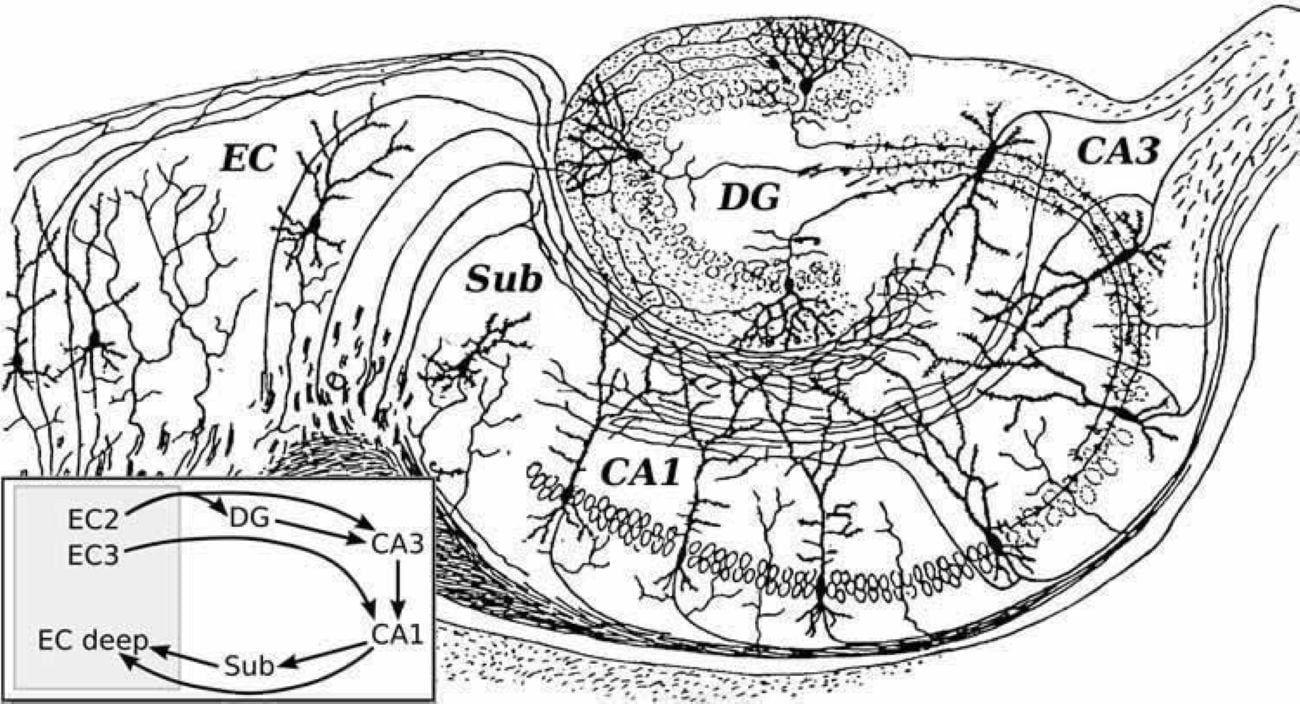
The image of the hippocampus in the public domain.
Hippocampus Predicts Rewards by Reorganizing Memories
ElectrophysiologyFeaturedNeuroscience
·January 29, 2026
Summary: A new preclinical study reveals that the hippocampus does more than just store memories; it actively reorganizes them to predict future rewards. By tracking brain activity over several weeks, researchers discovered that hippocampal neurons shift their activity to fire before a reward is reached, essentially building a predictive model of the world. These findings offer a new framework for understanding why learning and decision-making are often the first functions to decline in Alzheimer’s disease.
Source: McGill University
Key Facts:
- Predictive Mapping: The hippocampus updates its “internal model” of the world daily, shifting neural activity from the moment of reward to the moments leading up to it.
- Advanced Imaging: Researchers used calcium imaging (making neurons glow) to track specific cells over weeks, capturing slow learning processes invisible to traditional electrodes.
- Beyond Pavlov: While simple reward learning is linked to primitive brain circuits, this study shows the hippocampus uses complex memory and context for sophisticated anticipation.
- Alzheimer’s Insight: The breakdown of this predictive signaling may explain why Alzheimer’s patients struggle with decision-making and learning from new experiences.
A preclinical study published in Nature has found evidence that the hippocampus, the brain region that stores memory, also reorganizes memories to anticipate future outcomes.
The findings, from researchers at the Brandon Lab at McGill University and their collaborators at Harvard University, reveal a learning process that had not been directly observed before.
“The hippocampus is often described as the brain’s internal model of the world,” said senior author Mark Brandon, Associate Professor in McGill’s Department of Psychiatry and Researcher at the Douglas Research Centre. “What we are seeing is that this model is not static; it is updated day by day as the brain learns from prediction errors. As outcomes become expected, hippocampal neurons start to respond earlier as they learn what will happen next.”
A new view of learning in action
The hippocampus builds maps of physical space and past experiences that help us make sense of the world. Scientists have known these maps change over time as brain activity patterns shift, a phenomenon that is currently assumed to be random.
The new findings demonstrate the changes are not random, but structured. Researchers obtained these findings by tracking brain activity in mice as the mice learned a task with a predictable reward.
“What we found was surprising,” said Brandon. “Neural activity that initially peaked at the reward gradually shifted to earlier moments, eventually appearing before mice reached the reward.”
Rather than relying on traditional electrodes, which can only track neurons for short periods, the researchers used new imaging techniques that cause active neurons to glow. The Brandon Lab is among the first in Canada to use this technology, enabling the team to follow cells over several weeks and track slow changes that traditional methods often miss.
Insights into learning and Alzheimer’s disease
Simpler forms of reward learning have long been associated with more primitive brain circuits, as famously demonstrated by Ivan Pavlov’s experiments, which showed that animals can associate a cue, such as a bell, with food. The new findings suggest the hippocampus supports a more sophisticated version of this process, using memory and context to anticipate outcomes.
Alzheimer’s disease patients often struggle not only to remember the past but also to learn from experience and make decisions. By showing that the healthy hippocampus helps turn memories into predictions, the study offers a new framework for understanding why learning and decision-making are affected early in Alzheimer’s disease and opens the door to research into how this predictive signal may fail and be restored.
Editorial Notes
- This article was edited by a Neuroscience News editor.
- Journal paper reviewed in full.
- Additional context added by our staff.
About this Hippocampus Research
- Source: McGill University
- Contact: Keila DePape
- Image: The image is in the public domain
Original Research:
“Predictive Coding of Reward in the Hippocampus” by Mohammad Yaghoubi and Mark Brandon et al., was published in Nature. This research was supported by funding from Fonds de recherche du Québec – Santé and the Canadian Institutes of Health Research.
DOI: 10.1038/s41586-025-09958-0
About the Brandon Lab
The Brandon Lab was founded in 2015 at the Douglas Research Centre at McGill University by Professor Mark Brandon. The lab investigates the core mechanisms of memory, including how memories are encoded, stored, and retrieved in the brain. It also studies how memory breaks down in Alzheimer’s disease, with the goal of identifying strategies to protect and restore memory.
Memory Rewritten: Study Finds No Clear Line Between Episodic and Semantic Retrieval
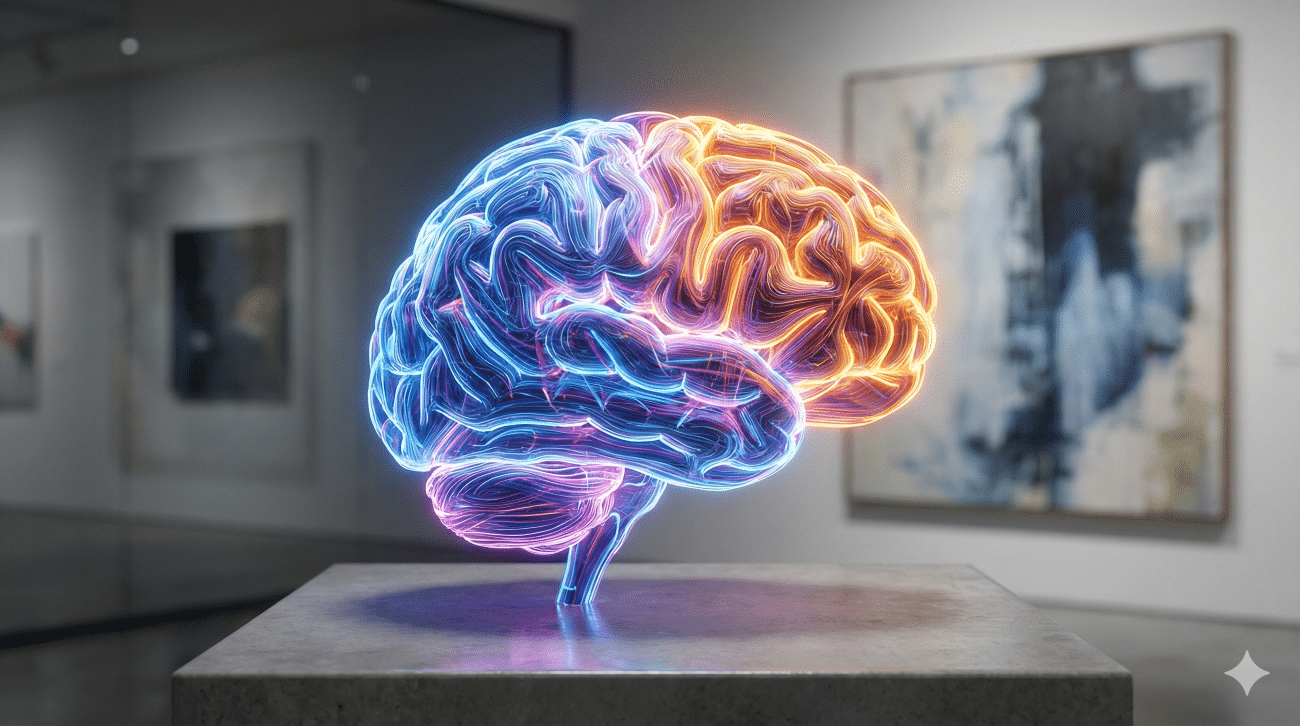
The image is credited to Neuroscience News.
Memory Rewritten: Study Finds No Clear Line Between Episodic and Semantic Retrieval
Featured Neuroscience Psychology
·January 27, 2026
Summary: A new study into how different parts of memory work in the brain has shown that the same brain areas are involved in retrieving different types of information. The findings challenge the traditional view that episodic (personal) and semantic (fact-based) memories are processed by distinct systems.
Source: University of Nottingham
Key Facts:
- The Discovery: Researchers found considerable overlap in brain regions involved in both semantic and episodic retrieval, contradicting the idea that they are distinct neural entities.
- Methodology: The study used fMRI scans on 40 participants who recalled pairings between logos and brand names—some based on real-world knowledge (semantic) and others learned during the study (episodic).
- Implications: Understanding that the “whole brain” is involved in different memory types could lead to new intervention strategies for Alzheimer’s and dementia.
- Collaboration: The research was a joint effort between the University of Nottingham and the University of Cambridge.
A new study into how different parts of memory work in the brain has shown that the same brain areas are involved in retrieving different types of information, the findings could redefine how memory is understood and studied.
Researchers from the School of Psychology at the University of Nottingham and the Cognition and Brain Sciences Unit at the University of Cambridge have examined episodic and semantic memory, combining task based and fMRI data and have shown that there is no difference in neural activity between successful semantic and episodic retrieval. The findings have been published today in Nature Human Behaviour.
Episodic memory refers to the ability to remember a past event that occurred in a particular spatial and temporal context. This type of memory supports the human capacity to re-experience events from our past, as a form of “mental time travel”. Semantic memory, on the other hand, refers to the ability to remember facts and general knowledge about the world that are retrieved independently from their original spatial or temporal context.
In this research the team examined how information associated with successful episodic and semantic memory is processed and stored, using tasks that are more closely matched. 40 participants recalled pairings between logos and brand names, where the pairings corresponded to real-world knowledge (semantic task), or were learned in an initial study phase (episodic task).
fMRI (Functional Magnetic Resonance Imaging) scanning was used whilst participants were asked to recall details about the associated brand from their prior knowledge in the semantic task, or details about the pairing in the study phase in the episodic task.
fMRI is a non-invasive brain imaging technique that maps brain activity by detecting changes in blood flow, showing which areas are active during tasks like speaking, moving, or thinking. It works by sensing increased oxygen-rich blood flow to active neurons, creating dynamic 3D maps that help doctors and researchers understand brain function, plan surgeries, and study neurological conditions.
Dr Roni Tibon, Assistant Professor in the School of Psychology led the study, she said: “We were very surprised by the results of this study as a long-standing research tradition suggested there would be differences in brain activity with episodic and semantic retrieval. But when we used neuroimaging to investigate this alongside the task based study we found that the distinction didn’t exist and that there is considerable overlap in the brain regions involved in semantic and episodic retrieval.
“These findings could help to better understand diseases like, dementia and Alzheimer’s as we can begin to see that the whole brain is involved in the different types of memory so interventions could be developed to support this view.”
Because, for many years, episodic and semantic memories were considered to be distinct entities, a research tradition had developed in which they are explored separately. The consequence of this is a lack of within-study designs that tap into both systems.
Dr Tibon continues: “Based on what we already knew from previous research in this area we really expected to see stark differences in brain activity but any difference we did see was very subtle, I think these results should change the direction of travel for this area of research and hopefully open up new interest in looking at both sides of memory and how they work together.”
Editorial Notes:
- This article was edited by a Neuroscience News editor.
- Journal paper reviewed in full.
- Additional context added by our staff.
The Rundown Tech: Musk wants to merge his empires
| Musk wants to merge his empires |
 Image source: Ideogram / The Rundown Image source: Ideogram / The Rundown |
| The Rundown: Elon Musk is reportedly exploring a merger that would combine SpaceX with xAI or Tesla — or with both — into one super-conglomerate, potentially ahead of a monster IPO that could value SpaceX at $1.5T. |
| The details: |
| SpaceX is in discussions to merge with xAI ahead of a June 2026 IPO worth up to $50B, cheekily timed to a rare planetary alignment and Musk’s birthday.Separately, the space tech giant has discussed the feasibility of a tie-up with Tesla — an idea some investors are pushing.Two entities with “merger sub” in their names were established in Nevada on January 21, with SpaceX CFO Bret Johnsen listed as an officer.SpaceX is targeting an IPO that would value the company at about $1.5T, which would make it the biggest IPO of all time. |
| Why it matters: Musk has long been criticized for spreading himself too thin across too many companies. A mega-merger would flip that narrative — consolidating rockets, satellites, AI, social media, and possibly EVs into a single publicly traded juggernaut. As one investor put it: “You want to invest in Elon? Here you go. You get all this.” |
Posted in Uncategorized
Leave a comment
GZERO everything is political: Why Space Tech Investment Matters : WEF26 : Global Stage
Posted in Uncategorized
Leave a comment
The Conversation: How Iran shut down the internet and built a sophisticated system of digital control
How Iran shut down the internet and built a sophisticated system of digital control
Published: January 29, 2026 3.58pm GMT
Author
- Gemma WareHost, The Conversation Weekly Podcast, The Conversation
Interviewed
- Amin NaeniPhD Candidate in International Relations, Deakin University; Dublin City University
Disclosure statement
Amin Naeni does not work for, consult, own shares in or receive funding from any company or organisation that would benefit from this article, and has disclosed no relevant affiliations beyond their academic appointment.
Partners
The Conversation UK receives funding from these organisations
DOI

We believe in the free flow of information
Republish our articles for free, online or in print, under Creative Commons licence.Republish this article
Share article
Print article
On January 8, as thousands of Iranians took to the streets in nationwide protests, the government cut off the internet.
Under cover of digital darkness, the Iranian regime launched a brutal and deadly crackdown against anti-government protesters. What information has got out, including testimony from morgues, graveyards and doctors who treated the injured, suggests thousands of people have been killed.
Iran has shutdown the global internet before, but never for this long. Without the internet, trading has slumped. Many entrepreneurs who rely on Instagram to do business can’t post. Lorry drivers are struggling to cross borders because they can’t access digital documents. By some estimates, internet shutdown can cost more than US$37 million a day.
Read more: Iran’s latest internet blackout extends to phones and Starlink
After three weeks of internet blackout, reports from web traffic monitor Netblocks suggest that the internet is slowly coming back online but the connection is predominantly for government-approved users.
Our mission is to share knowledge and inform decisions.
Yet for most of the shutdown, banks and some local government websites and apps still worked. And that’s because Iran is developing its own, national internet, cut off from the rest of the world.
In this episode of The Conversation Weekly podcast, we speak to Amin Naeni, a PhD candidate researching digital authoritarianism at Deakin University in Australia, about how Iran built one of the world’s most sophisticated systems of digital control.
This episode of The Conversation Weekly was written and produced by Mend Mariwany and Gemma Ware. Mixing by Michelle Macklem and theme music by Neeta Sarl. Gemma Ware is the executive producer.
Newsclips in this episode from The Guardian, Al Jazeera English, DW News, CNA, CBS News, CNN, CBC News and BBC News.
Listen to The Conversation Weekly via any of the apps listed above, download it directly via our RSS feed or find out how else to listen here. A transcript of this episode is available via the Apple Podcasts or Spotify apps.
Posted in Uncategorized
Leave a comment
Big Think: The Pursuit of Mastery – The timeless quest to go beyond competence and achieve excellence.
The Pursuit of Mastery
The timeless quest to go beyond competence and achieve excellence.
Big Think, Stephen Johnson, Rachel Barr, and Steven Ross Pomeroy
Jan 30, 2026

Big Thinkers,
Last Saturday, the American climber Alex Honnold successfully scaled the 1,667-foot Taipei 101 skyscraper in Taiwan with no ropes or safety nets.
I’m not sure why. I’m not being a smartass: The feat was wildly impressive and made for great TV. But to those of us who prefer the interiors of skyscrapers over the exteriors, it’s not immediately obvious what compels people like Honnold to risk everything, all for what turned out to be an “embarrassing” payday, as he told The New York Times.
Perhaps it’s pride, prestige, or an adrenaline addiction. Or maybe the reason is as simple as the one that British climber George Mallory offered in 1923 when a reporter asked him why he wanted to climb Mount Everest: “Because it’s there.”
We are drawn to mastery, whether it’s perfecting our own craft or watching other people push the limits of human potential.
Our latest special issue brings you a collection of stories about all things mastery. Inside, we explore the science behind the “quiet eye” of elite athletes, the systems that create star performers, actor Ethan Suplee’s quest to master himself, and much more. You can catch the full issue here.
Read on,
Stephen
THE BIG SECOND ACT
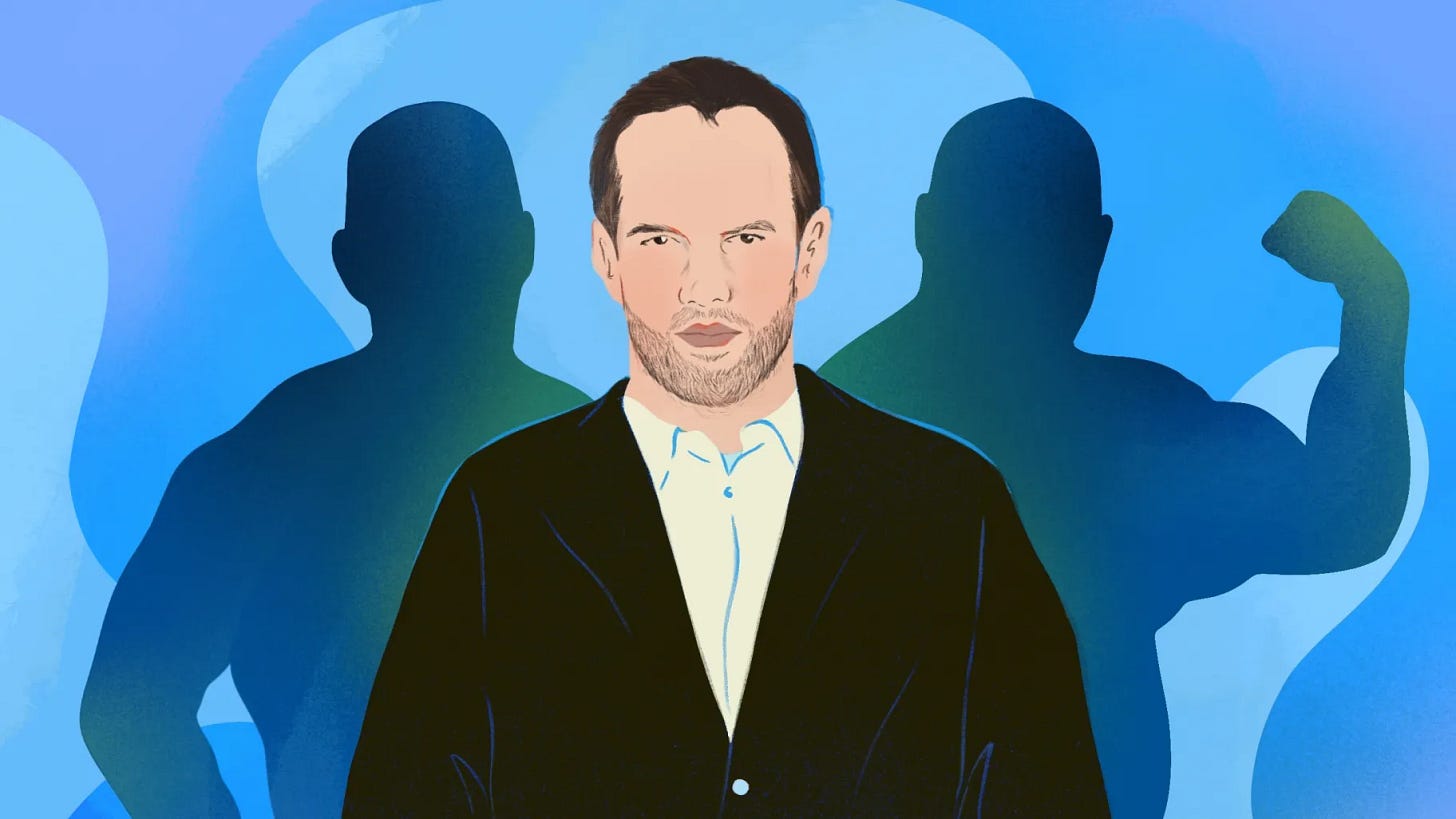
From self-erasure to self-mastery: Ethan Suplee’s second act
By Mike Wehner
You’d probably recognize actor Ethan Suplee as the chubby bully on Boy Meets World, lovable Louie in Remember the Titans, and the aptly named “Tuna” (Johnny Depp’s sidekick) in Blow. But you probably wouldn’t recognize Suplee if you saw him today in the gym. Once weighing in at 550 pounds, Suplee is now down to about 250, and he’s documented his efforts to master his food addiction in his new career as a fitness influencer. Big Think recently caught up with Suplee to discuss his Hollywood career, his second act, and why eating a piece of banana bread is not the end of the world.
THE BIG GAZE
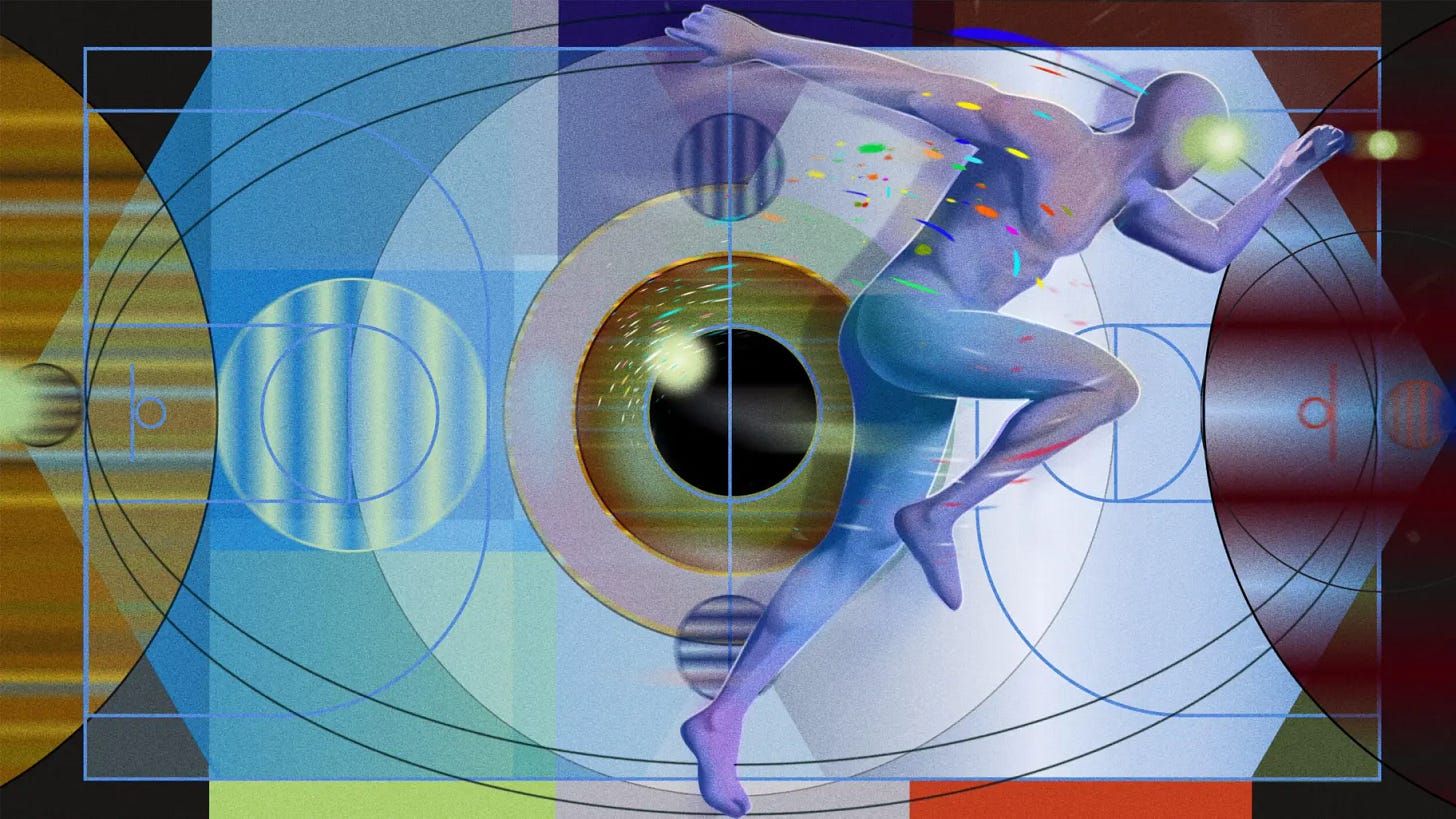
How training your gaze could help you master sports — and your own attention
By Ross Pomeroy
When thinking about what makes an athlete great, you might imagine Gretzky’s flick of the wrist, Serena Williams’ snap of the shoulder, or Messi’s blinding footwork. But the precision of these movements may be downstream from something far quieter: the movements of the eyes. In this piece, Ross Pomeroy looks at the science behind “quiet eye training,” a sustained gaze that helps the brain execute precise actions under pressure.
A new home for curious minds
Magazines, memberships, and meaning.
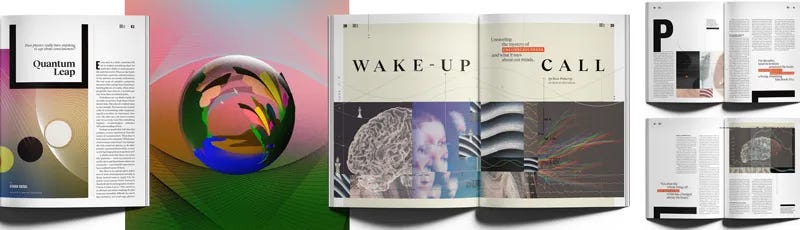
THE BIG RETHINK
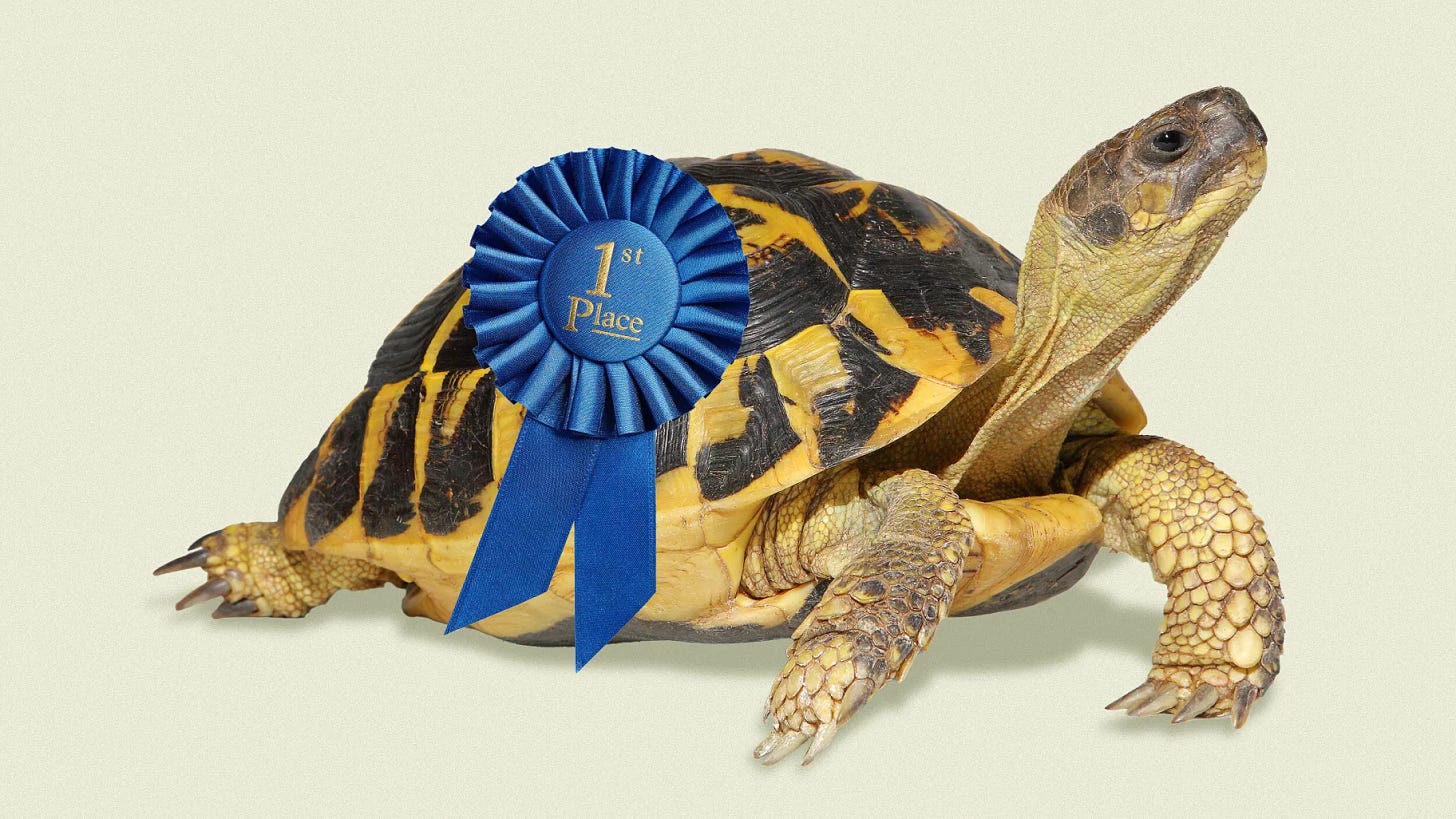
The systems that build star performers
By Rachel Barr
Excellence rarely follows a straight line. Many top performers begin as late bloomers, developing through trial, failure, and cross-domain exploration. As neuroscientist Rachel Barr details in this interview with author David Epstein, the systems that produce stars often aren’t optimized for speed or certainty, but for adaptability over time.
More Articles
- The last masters: The international effort to preserve an ancient craft
- How a Japanese philosophy helped me improve my life
- Mastering the edge: How success raises the stakes for elite adventurers
Stephen Johnson is the executive editor at Big Think.
Posted in Uncategorized
Leave a comment
US Foreign Affairs calls the world to abandon Chinese products: “To all world leaders meeting with Xi Jinping: China sells nothing but cheap products and cheap friendships.”
BREAKING: 
 US Foreign Affairs calls the world to abandon Chinese products: “To all world leaders meeting with Xi Jinping: China sells nothing but cheap products and cheap friendships.”
Posted in Uncategorized
Leave a comment
 canisgallicus