
-
Archives
- October 2026
- September 2026
- August 2026
- July 2026
- June 2026
- May 2026
- April 2026
- March 2026
- February 2026
- January 2026
- December 2025
- November 2025
- October 2025
- September 2025
- August 2025
- July 2025
- June 2025
- May 2025
- April 2025
- March 2025
- February 2025
- January 2025
- December 2024
- November 2024
- October 2024
- September 2024
- August 2024
- July 2024
- June 2024
- May 2024
- April 2024
- March 2024
- February 2024
- January 2024
- December 2023
- November 2023
- October 2023
- September 2023
- August 2023
- July 2023
- June 2023
- May 2023
- April 2023
- March 2023
- February 2023
- January 2023
- December 2022
- November 2022
- October 2022
- September 2022
- August 2022
- July 2022
- June 2022
- May 2022
- April 2022
- March 2022
- February 2022
- January 2022
- September 2021
- August 2021
- July 2021
- June 2021
- May 2021
- April 2021
- February 2021
- January 2021
- December 2020
- November 2020
- October 2020
- September 2020
- August 2020
- July 2020
- June 2020
- May 2020
- April 2020
- March 2020
- February 2020
- January 2020
- December 2019
- November 2019
- October 2019
- September 2019
- August 2019
- July 2019
- June 2019
- May 2019
- April 2019
- March 2019
- February 2019
- January 2019
- December 2018
- November 2018
- October 2018
- September 2018
- July 2018
- June 2018
- May 2018
- April 2018
- March 2018
- February 2018
- January 2018
- December 2017
- November 2017
- October 2017
- September 2017
- August 2017
- July 2017
- June 2017
- May 2017
- April 2017
- March 2017
- February 2017
- January 2017
- December 2016
- November 2016
- October 2016
- September 2016
- August 2016
- July 2016
- June 2016
- May 2016
- April 2016
- March 2016
- February 2016
- January 2016
- December 2015
- November 2015
- October 2015
- September 2015
- August 2015
- July 2015
- June 2015
- March 2015
- January 2015
-
Meta
New Year’s Eve & there was an arsonist with a grievance or should I say deviant behaviour to plan to TORCH a property being prepared for HOMELESS PEOPLE. Ireland must stand ashamed of its homeless situation but ARSONISTS are criminals and the sentence can be in excess of 10 years. I ask you to take the time to listen to Christy Moore’s sister Anne Rynne sing about what being homeless is to a little child… Please share. Arsonists deserve long sentences.
Posted in Uncategorized
Leave a comment
Happy New Year: Something that we need to think and act upon in the New Year, “How the fossil fuel elites promote global warming”. By Fr. Shay Cullen, Preda Organisation, Philippines
How the fossil fuel elites promote global warming
Fr. Shay Cullen
30 December 2023
As we start into the year 2024 after COP28, there is a very troubling realization that the future stability of planet earth’s climate is in the control of very few powerful people. They are the few money moguls and politicians of nations that control the fossil fuel industry. They are so influential they were able to influence a change in the words of the final statement of the almost 200 international COP28 national delegates.
The key phrase in the statement of commitment by all nations was changed by the producers and major users of fossil fuels from “phasing out fossil fuel” to “transition away from fossil fuel.” This last phrase is weaker and less urgent.
Many protested but in the end the delegates called it a historical breakthrough. It was, they said, the “beginning of the end of the fossil fuel era.” In all previous 27 meetings of COP (United Nations Climate Change Conference), phasing out was not on the table.
In the Philippines, some energy corporations are seriously investing in renewables, thanks to Republic Act No. 9513 of 2008 giving tax breaks to the investors. More should take advantage of this law. The government gives incentives to development of renewable energy sources like solar, wind, hydro, etc. New coal plants are on hold. An experimental compensation deal, called The Coal to Clean Credit Initiative (CCCI), is on-going called.
Fossil fuels are the main source of energy to generate electricity for the world’s industrial economy. They are the main cause and source of CO2 emissions that cause global warming and ever increasing deadly and destructive climate change.
Was COP28 really the beginning of the end of the fossil fuel era? It is unlikely. The pledges and promises are unenforceable. The fossil fuel lobby and corporations are giving lip-service to the lofty goals of the climate conference.
It is hard to believe that the oil corporations and oil-producing nations would “transition away” from such a rich source of revenue, the basis of their political and economic power. It’s like asking a jewel trader to throw all his diamonds into the sea one by one. For them, the only thing that talks sense is money and lots of it.
Climate change activists and environmental and climate scientists have been forecasting climate disasters for 30 years. According to NASA’s Earth Observatory, “a one-degree global change is significant because it takes a vast amount of heat to warm all of the oceans, the atmosphere, and the land masses by that much. In the past, a one- to two-degree drop was all it took to plunge the Earth into the Little Ice Age. A five-degree drop was enough to bury a large part of North America under a towering mass of ice 20,000 years ago.”
The United Nations World Meteorological Organization confirmed that this year 2023 the world reached 1.4 degrees C of warming above pre-industrial level. The year 2023 has been the hottest ever in human history. This is because the uncaring politicians and their tycoon cronies in the fossil fuel business are in denial and block every move to “transition away” from fossil fuels worldwide.
For them, it is a battle for their economic survival. For the climate activists protecting the planet, it is survival of life on earth. Yet, there is little we can do but protest and force governments to legislate a phase out of fossil fuel against the politicians’ and their corporate backers’ personal interests.
During the COP26 summit in Glasgow two years ago, the call was for the end of government subsidies to fossil fuel corporations. The pro-fossil fuel corporations lobbied to change the wording to the statement of commitment from “end subsidies” to “reduce cash subsidies” by national governments to their cronies in the oil exploration and distribution industry. Also, it seems they changed “phase out” subsidies to “inefficient” fossil fuel subsidies.
There is no such thing as an “inefficient” subsidy. Such massive payments from pro-fossil fuel paid politicians ensure their reelection by “donations” to their reelection campaigns by the “captains of industry.” They help each other. “You scratch my back, I’ll scratch yours” as the saying goes.
In COP28, it was glossed over. Since then, worldwide subsidies to the oil industry have increased from US$2 trillion to US$7 trillion. China alone spent US$2.2 trillion on subsidizing oil companies. However, almost all oil producing nations do it. It just needs the scratch and scrape of a pen on paper by an energy minister to his crony who is a CEO of an oil corporation and it is a done deal.
All this is a monumental act of hypocrisy and a gross contradiction. For them, COP28 is just part of the global game of “say one thing, but do the opposite,” and drop another billion dollars to their share value or money in their bank account.
The ordinary people have little knowledge or awareness of how powerless they really are to direct and control what happens to them and their families and property because of the increasing global warming of the climate due to corrupt deals of the politicians with the fossil fuel corporations (FFC).
The last 28 COPs have not reduced emissions of deadly CO2 that is causing global warming. It is steadily increasing. In fact, research by NASA and other scientists as of December 2023 show that global carbon dioxide emissions from fossil fuels and industry totaled 37.15 billion metric tons (GtCO₂) in 2022. However, now in 2023, emissions are projected to have risen 1.1 percent to reach a record high of 37.55 GtCO₂. Since 1990, global CO2 emissions have increased by more than 60 percent.
The growing frequency, greater intensity and more destructive climate disasters are upon us already. The Philippines is a climate disaster zone. Worldwide, they are driven by increasing temperatures, drought in some nations, typhoons, floods and snow storms and wildfires in others. Food production is greatly reduced also due to the loss of biodiversity and many species of insects and animals are going extinct.
The Philippine archipelago is blessed with natural resources ideal for renewable energy production: sun, wind, geo-thermal, hydro and biomass. They just need to be harnessed extensively to produce all the electricity needed for Filipinos to have low-cost electricity.
Despite a law to encourage such investments (Republic Act No. 9513), progress is slow due to government corruption. It is alleged that some government regulatory agencies are denying permits and demanding payoffs.
There are 28 coal-fired plants in the Philippines, many are somewhat new and the 25-year life span has a long way to go for most before they can be phased out and the investors get their money back with profit. New ones are on hold, thanks to the global and local outcry against more Philippine coal plants.
To approve a new coal plant now after COP28 commitments would be a disaster for the reputation and trustworthiness of the Philippine government and the captains of Philippine industry among international investors.
However, new deals to promote renewables and retire coal plants is through a new approach called The Coal to Clean Credit Initiative (CCCI). This is a new initiative by a group of experts and Ayala’s ACEN group of energy companies. They are being advised and encouraged by the Rockefeller Foundation and the Monetary Authority of Singapore. ACEN will soon announce its progress in working out the world’s first coal-to-clean-energy project in the Philippines. May renewables increase three-fold and soon.
*****
*Need help? Contact:
newsletters@preda.org
*Privacy Policy:
We will never share, sell, or rent individual personal information with anyone without your advance permission or unless ordered by a court of law. Information submitted to us is only available to employees managing this information for purposes of contacting you or sending you emails based on your request for information and to contracted service providers for purposes of providing services relating to our communications with you.*Physical Address:
CONTACT US:
PREDA Foundation, Inc. P.O Box 68 Olongapo City 2200
Preda Main Center Upper Kalaklan, Subic Bay Olongapo City 2200 Philippines
E-mail: shaycullen@gmail.com, Information Officer: predainfo@gmail.com
TO SUPPORT THE WORK OF PREDA FOUNDATION, you may freely pass on the article or republish it in various print or online publications. To know more about other ways to SUPPORT the WORK of PREDA FOUNDATION, contact us directly through our email: shaycullen@gmail.com or predainfo@gmail.com*Unsubscribe:
https://preda.org/mailings/mail.cgi/t/ayz5iNqU4ufAAyAOpv7eFRkHADYZcktGBqQxR7uY/
Posted in Uncategorized
Tagged climate-change, cop28, environment, fossil-fuels, news
Leave a comment
Mood-Lifting Game Aims to Lift Players Out Of Depression and Anxiety. Source NoCamels. Churchill called Depression “Black Dog”, it is a hell hole to be consumed by the darkness that pervades your whole being when depression attacks you and levels you at the lowest rung of the ladder of life. People underestimate Anxiety; for some people thrive on Anxiety and others get consumed by a loop of ever expanding consumption of your being. I advocate on this site Bibliotherapy; I use X Twitter for virtual engagement so I recommend people with depression and anxiety explore this. “FTP was developed by neuroscientist and Hedonia co-founder Prof. Moshe Bar and is based on more than 20 years of research conducted in the Cognitive Neuroscience Lab at Harvard Medical School.” Also Glenn Close speaks about impact of mental illness on her family, the Stigma and their mission for advocacy
Mood-Lifting Game Aims To Lift Players Out Of Depression & Anxiety
By Ariel Grossman, NoCamels December 25, 2023 5 minutes

Hedonia’s Mood Bloom game has been proven to alleviate symptoms of anxiety and depression (Courtesy)
A new mobile game is being played by thousands of people – not to conveniently pass the time or to provide a quick source of entertainment, but to ease their symptoms of anxiety and depression.
Israeli startup Hedonia says that its Mood Bloom community-building game has been proven to reduce symptoms such as constant dwelling and negative feelings by up to 45 percent after just six to eight weeks of playing.

The application is much like any other city-building game that can be downloaded from an app store, requiring the user to play mini games in order to earn virtual currency that can then be used to build homes, farms and other kinds of infrastructure.
What sets Mood Bloom apart is its mini games, into which is integrated a clinically validated therapy known as Facilitating Thought Progression (FTP). This uses simple techniques such as word association and speed reading to break repetitive and narrow patterns of thinking in order to improve mood.
Ohad Barzilay, chief product officer at Hedonia, says that other apps aimed at improving symptoms of mental health disorders generally employ Cognitive Behavioral Therapy (CBT), a psychological treatment that changes thinking patterns by assessing the way they affect feelings and actions.

He explains however that these forms of games have a low retention rate, and that users do not stick around long enough for them to actually have an effect.
“What we’re trying to do is use games that instead have strong retention, as people play them over and over again,” Barzilay tells NoCamels.
“We take techniques from mobile games and employ them in a way that helps people stick with the program long enough for it to have an effect on them.”
According to the American Psychiatric Association, people with depression and anxiety have a tendency to ruminate and dwell on the same negative thoughts and feelings, making it difficult for them to move beyond and focus on problem solving.

Mood Bloom has five mini games, each focused on a different aspect of FTP.
One of the games, called Word Chains, asks the player to build a chain of five words from a bank at the bottom of the screen. Each subsequent word is more tangentially related to the first one in the chain – requiring the player to focus less on circular thoughts.
One chain, for example, goes from “shorts” to “clothing” to “jewelry” to “gold” and finally to “medal.” The Word Chains game helps the player break out of circular thinking.
Another game, Zoom Out, quickly flashes a letter on the screen that is made up of smaller letters. To proceed to the next level, the player must quickly choose the correct button to indicate the letter they saw.
These games, says Barzilay, train the brain to think more broadly and break out of ruminative thinking cycles.
It is only by playing the mini games that the user can earn virtual currency needed to progress and continue building their community.
“The mini games are woven in, and you need to play them in order to progress,” he says. “That’s what keeps people coming back.”
Sign up for our free weekly newsletter
Artificial intelligence built into the games sets an initial speed for each one. As the user plays, it analyzes the speed at which they answer as well as the number of correct answers, and adjusts the following levels accordingly.The Zoom Out game, like Mood Bloom’s other games, train the brain to think more broadly.
FTP was developed by neuroscientist and Hedonia co-founder Prof. Moshe Bar and is based on more than 20 years of research conducted in the Cognitive Neuroscience Lab at Harvard Medical School.
“[Bar] found that the brain can be trained to find different ways to cope with anxiety and depression, and that you can actually train your brain to think differently,” explains Barzilay.
“We’re trying to get you to be better mentally than you were before you started playing the game. We’re trying to change the way your brain actually works,” he says.
In fact, a recent clinical trial conducted at the Massachusetts General Hospital found that participants with mild to moderate depression who played Mood Bloom for four days a week over the course of eight weeks (and continued their conventional treatment of medication, therapy or both) saw their depression decrease by 43 percent.

The control group, on the other hand, experienced just an 18 percent decrease in their depression.
“The change we saw in the trial participants was remarkable,” said Dr. Bar of the results.
“Many participants moved from moderate to mild depression. That can be the difference between being able to get out of bed in the morning and not,” he said.
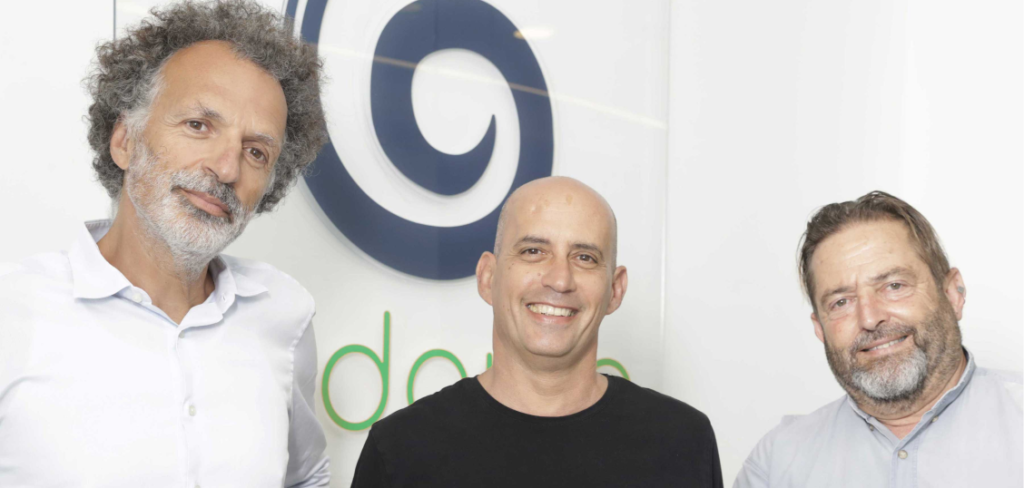
Hedonia was founded in 2021 by Bar, Waze co-founder Samuel Keret and VC investor Adi Pundak-Mintz, to provide an inexpensive method of easing symptoms of anxiety and depression that complements existing treatments.
The startup’s team includes psychologists and neuroscientists who develop the methods of treatment, as well as people from the gaming industry who create the mini games.
Barzilay says that this was initially a challenging combination, because the clinical and game development teams were used to progressing with their work at different paces.
He explains that the people from the gaming side – himself included – were used to moving fast, seeing the impact, and then adjusting very quickly.
On the clinical side, however, everything must be very calculated, as it involves real people. The overall game, he says, brings both sides together.
“[Mood Bloom] requires my team to be more thoughtful of the choices we make and to consult more and to understand the psychological effects of things, for example, that we do,” says Barzilay.
“We can’t solve the problem, but we can alleviate some of the symptoms so you can cope with it better.”
My mission to change the narrative of mental health (Glenn Close | TEDWomen 2023)
Posted in Uncategorized
Tagged anxiety, depression, health, mental-health, mental-wellness
Leave a comment
How one of the world’s oldest newspapers is using AI to reinvent journalism. Source: The Guardian. See Newsquest link. Origin 1690.
How one of the world’s oldest newspapers is using AI to reinvent journalism
Berrow’s Worcester Journal is one of several papers owned by the UK’s second biggest regional news publisher to hire ‘AI-assisted’ reporters

Alexandra ToppingThu 28 Dec 2023 15.03 CET
On 7 October 1779 a letter appeared in Berrow’s Worcester Journal. “To the printer,” wrote a disgruntled reader. “I take the liberty of informing you and the public that the account of a melancholy accident happening to a poor man at Evesham which was inserted in your last paper is utterly devoid of foundation.”
Reports of a man falling in a vat of boiling ale were, it turned out, greatly exaggerated, published on the back of an anonymous tip. But now the journal, which lays claim to being the oldest surviving newspaper in the world, says it has a cutting-edge new method to help reporters get out of the office and check their facts: artificial intelligence.
The journal, first published in 1690 and now a free sheet containing content from the Worcester News, is one of several publications housed by the UK’s second biggest regional news publisher to hire “AI-assisted” journalists to report on local news.
Newsquest, which publishes more than 200 titles including the Glasgow Herald, the Brighton and Hove Argus and the Lancashire Telegraph, has hired eight “AI-assisted” reporters in a number of newsrooms across the country in the past year.
The AI reporters use an in-house copywriting tool based on the technology ChatGPT, a souped-up chatbot that draws on information gleaned from text on the internet. Reporters input mundane but necessary “trusted content” – such as minutes from a local council planning committee – which the tool turns into concise news reports in the publisher’s style.
With the AI-assisted reporter churning out bread and butter content, other reporters in the newsroom are freed up to go to court, meet a councillor for a coffee or attend a village fete, says the Worcester News editor, Stephanie Preece.
“AI can’t be at the scene of a crash, in court, in a council meeting, it can’t visit a grieving family or look somebody in the eye and tell that they’re lying. All it does is free up the reporters to do more of that,” she says. “Instead of shying away from it, or being scared of it, we are saying AI is here to stay – so how can we harness it?”
She adds that Newsquest’s tool does not generate content – a trained journalist puts information into the tool, which is then edited and tweaked if necessary by a news editor – and will, they hope, avoid ChatGPT’s reputation for being inaccurate.
In a recent interview with the Press Gazette, Newsquest’s CEO, Henry Faure Walker, said the introduction of an AI-assisted role had proved invaluable at the Hexham Courant in Northumberland in September, when the town was suddenly at the centre of a national news story when the Sycamore Gap tree on Hadrian’s Wall was felled by a vandal.
“The AI system reporter could pretty much hold the fort for the week, filling the paper, and it freed the other reporter to go out and do really good investigative stuff, videos, and get behind the story, which we wouldn’t be able to do. We are going to be rolling cautiously,” he said.
Jody Doherty-Cove, head of editorial AI at Newsquest, says he understands anxiety about AI in journalism, but insists there are multiple safeguards at Newsquest including extensive training and a new code of conduct.
Recently a reporter received the group’s first response to an AI-generated freedom of information request – about the cost of tea and biscuits provided at council meetings. A reporter provided the idea, but AI generated the letter and found the email address to send it to.
Doherty-Cove predicts that soon the use of AI as a newsroom tool will be widespread and uncontroversial. “In the future, the term AI-system reporter will be as redundant as the term internet-assisted reporter sounds now,” he says. “The internet has helped support journalists to find information and create more enriching stories, and AI offers those benefits as well.”
In June, the Guardian published its generative AI principles promising to only use the technology with caution and care, and in September blocked OpenAI from using its content to power artificial intelligence products such as ChatGPT.
And the New York Times this week sued OpenAI and Microsoft for what the lawsuit claims is an attempt “to free-ride on the Times’s massive investment in its journalism by using it to build substitutive products without permission or payment”. In response, OpenAI said it “respects the rights of content creators and owners” and was “surprised and disappointed with this development” after going into talks with the publication.
Local reporters – increasingly thin on the ground, overstretched and underpaid – need all the help they can get. In the last 12 months alone Reach, publisher of the Liverpool Echo and the Manchester Evening News as well as the Mirror and Express titles, has slashed 800 roles in several bruising rounds of cuts.
Reach created controversy in the spring when it revealed it was testing the use of AI to write news stories and had published its first articles, including “Seven Things to do in Newport”, written using the technology. But its chief executive, Jim Mullen, said job cuts were not related to AI and told its journalists they should not fear being replaced by machines.
Nonetheless, the number of reporters – and local publications – continue to decline. According to evidence from the Charitable Journalism Project, there are probably fewer local newspapers in Britain now than at any time since the 18th century. Long-term decline has accelerated rapidly: more than 320 local titles closed between 2009 and 2019 as advertising revenues fell by about 70%.
If Berrow’s Worcester Journal is not to join their ranks, it will have to maintain its knack for reinvention, says Preece. “Every newspaper editor knows that they are just a guardian for a short space of time, and all you can do is the best for that title. But to do that you have to embrace change, you have to move with the world.”
Posted in Uncategorized
Tagged ai, artificial-intelligence, journalism, news, writing
Leave a comment
Ireland shamefully has more and more people living in tents, especially around Lower Mount Street, Phoenix Park, not to mention those who live in doorways. There are articles on homelessness in Ireland on this site but let’s look to Finland who have solved homelessness
Posted in Uncategorized
Leave a comment
Half Past Dementia. Source JSTOR Daily

Half Past Dementia
Drawing a clock has become a standard test of cognitive impairment, but there’s no consensus on who should do it or how.
By: Greg Uyeno
December 20, 2023
8 minutes
The icon indicates free access to the linked research on JSTOR.
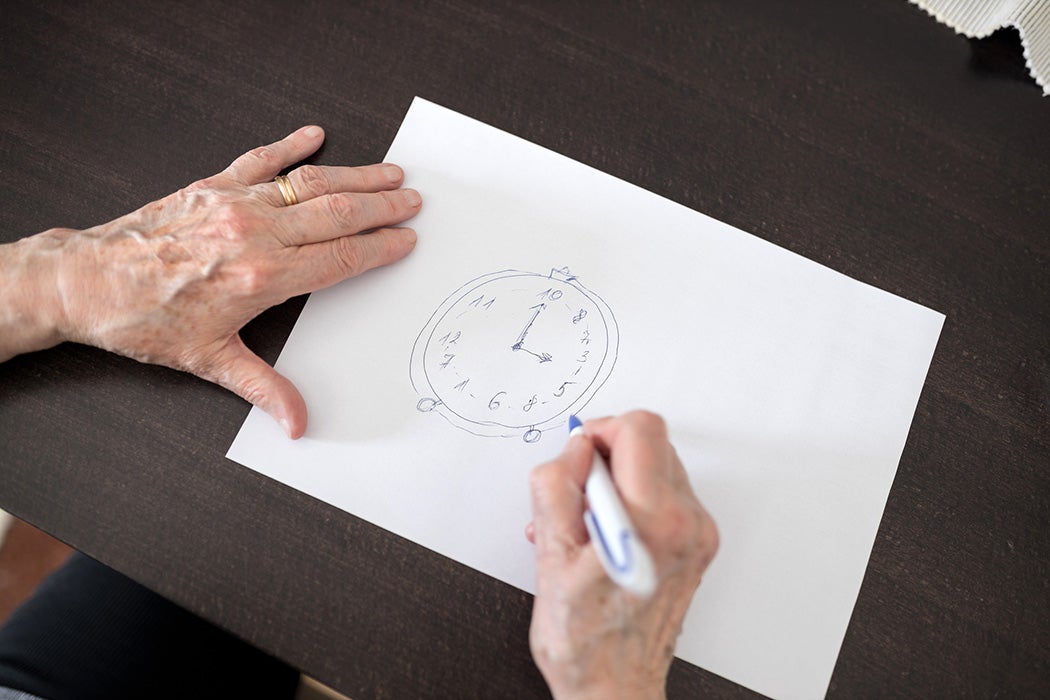
Draw a clock. Start with a round face. Make sure it’s large enough for all the numbers. Then, add hands, setting the time to ten after eleven.

Those are typical instructions for a clock drawing test, a widely-used clinical technique for evaluating cognitive impairment and screening for dementia. The task can be done with just pen and paper in minutes, and usually patients don’t mind being asked to take it up.
Researchers have traced the origins of clocks in cognitive assessments back to 1915.
“As a cognitive screening test generally, especially for dementia, it has a lot of advantages,” says Kenneth Shulman, a professor of psychiatry at the University of Toronto’s Sunnybrook Health Sciences Centre, who helped develop and popularize clock drawing for that purpose. “It’s easy, it’s cheap—but you have to know how to interpret it. You have to be careful.”
Alzheimer’s disease and other forms of dementia affect at least five million people in the United States, and easily ten times as many worldwide. Most of them are older; past the age of 65, the risk of developing dementia increases over time. Screenings must balance the potential benefits of early detection with the downsides of misdiagnosis, overdiagnosis, and stigmatization.
Get your fix of JSTOR Daily’s best stories in your inbox each Thursday.
Privacy Policy Contact Us
You may unsubscribe at any time by clicking on the provided link on any marketing message.
The test seems simple, and in many ways, it is. That’s part of its appeal to clinicians. But there is no medical consensus on the details of the clock drawing test—how it’s administered, how it’s scored, who should take it, and who has access to results.
Clock drawing has also entered the public imagination somehow, becoming shorthand for testing cognitive decline. In 2018, when then-president Trump boasted of cognitive test results, many stories fixated on clock drawing as much as any other element of the examination. Shulman is among many clinicians who express curiosity at the specific focus on clock drawing, one of many elements used in clinical cognitive evaluations. As both a medical tool and a bit of folk psychology, clock drawing can reflect concepts of normal aging versus cognitive impairment, as well as difficult-to-encapsulate ideas of personhood, or how a society chooses to care for the elderly.
Experts who use the test daily—even extol its virtues—emphasize the importance of recognizing its limitations. As part of a longer evaluation, Cynthia Munro, a neuropsychologist at the Johns Hopkins Memory and Alzheimer’s Treatment Center, asks most of her patients to draw a clock, which is scored on a Shulman five-point scale. “I sometimes wonder if its popularity exceeds how good it really is, because it’s one item,” she said.
A Brief History of Drawing Clocks
Researchers have traced the origins of clocks in cognitive assessments back to 1915, and the British neurologist Henry Head. In the middle of the first World War, Head became interested in traumatic brain injuries and aphasia, any difficulty in understanding or producing language, and among other basic tasks, he asked patients to read and set clocks. He later said this was “a splendid method of revealing [a patient’s] disabilities.” Head noted that with some patients, “the hands of a clock may be set to an order given in figures, but not when it is expressed in words.”
In 1953, the British neurologist Macdonald Critchley published an influential book on the parietal lobes, a major brain region associated with multiple functions including spatial awareness, touch, and language, that gathered decades of behavioral research. He described what may be the first example of a freely drawn clock test, which has become the dominant form.
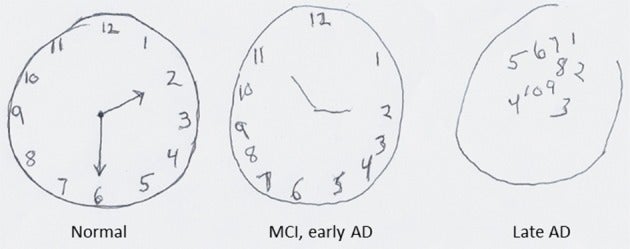
Two decades later, in the 1970s, Edith Kaplan, a neuropsychologist at the Boston VA Medical Center, incorporated clocks into widely-adopted diagnostic tests. Clock drawing was a favorite of Kaplan’s, who would administer the task alone if short on time. It was part of what became known as the Boston process approach, a framework for cognitive evaluation that emphasizes how patients arrive at a response more than the answers themselves. For example, Kaplan favored a clock set to 11:10, because it could reveal a common error of literalizing the numbers, pointing the hands to ten and eleven.
Shulman first encountered the clock drawing test in passing while studying geriatric psychiatry in the United Kingdom in the late 1970s. He decided to try it with a patient he suspected had been overmedicated. After an antidepressant was discontinued, Shulman continued to ask the patient to draw clocks, and the series of images showed gradual improvement.
“I said, ‘Hey, this test is sensitive to cognitive change,’” says Shulman. “Clinicians only have to look at the [medical] chart.” He later tested the clock drawing test with a standard cognitive screening instrument and showed that it was useful for dementia screening. In 1986, he co-authored the first systematic study of the test as a cognitive screening for dementia and other cognitive disorders.
One Cognitive Test of Many
Yet there isn’t just one clock drawing test clinicians use, which makes generalizations difficult. Since Kaplan and Shulman adopted and popularized this test, researchers have developed dozens of protocols and scoring systems. Some isolate aspects of the drawing or patient behavior, rated on a multi-point scale. Some provide a circle to be filled in. Some protocols don’t suggest a specific time to use. Some also ask the patient to copy a clock.
Often, a clock drawing is used in concert with alternative screenings such as the Mini Mental State Examination (MMSE) or the Cognitive Abilities Screening Instrument (CASI), or incorporated into a larger battery of questions and tasks, such as the Montreal Cognitive Assessment or Mini-Cog screening.
Shulman has recently embraced a simpler-is-better philosophy, encouraging a screening version of the test that relies on basic intuitive judgments. “Is it normal, abnormal, or different than what was done [by the patient previously]?” he says. “It’s limited, but it’s a very useful test.”
New variants of the clock drawing assessment are still being developed. For example, computerized tests conducted on tablets can collect additional data, such as reaction time or stylus motion, then analyze drawings and data with artificial intelligence.
“I hope that our ability to detect these cognitive biomarkers is going to contribute to preventing a lot of cost and suffering and disease,” says Rod Swenson, a neuropsychologist based in Fargo, North Dakota, who has consulted with Linus Health, a digital health company, on the development of an iPad version of the clock drawing test.
Elena Tsoy, a neuropsychologist at the University of California, San Francisco, who has developed computerized versions of other cognitive tests, says that access to remote healthcare is sometimes inequitable, but when computer tests are deployed in clinic settings, they offer the ability to reliably measure cognition without requiring providers’ time; can be highly standardized; and ultimately should expand access to specialist care.
Time Limits
Cognitive tests are rare in non-specialist situations, says Munro, but any cognitive assessment is not necessarily better than none, with special concern for false negatives and false positives.
In theory, annual clock drawings could establish a baseline of performance for a patient, but the task alone might not provide enough evidence for useful conclusions. “I’m not convinced that clock drawing is a sensitive enough measure to detect early change,” says Tsoy. Some studies have found that clock drawing does not reliably pick up on mild cognitive impairment.
Munro sees the same pattern in her patients, who are typically at the mild end of the spectrum of cognitive impairment. “Usually people can do it well. If they can’t do it, that tells me there’s more going on,” she says. “More” could be a sign of dementia, but it could also be something else, such as vision or motor problems. Experts caution against non-specialists leaping to conclusions over what appears to be a poorly drawn clock.
A relationship to time that relies on clocks could easily be taken for granted, but they might be less important to a farmer, for instance.
And clock drawing may not work equally well for everyone. Education level has repeatedly surfaced as a factor in performance, and education differences may be tied to clock drawing differences in multicultural populations. “When it comes to people we evaluate who come from different backgrounds, we have to be more careful,” says Tsoy, “We should not presume that these tests mean the same things to them as to the population in which these tests are developed.”
For example, a relationship to time that relies on clocks could easily be taken for granted, but they might be less important to a farmer, or someone from a place where clocks are used less frequently. Investigators have tried to develop evaluations which test similar cognitive skills that work in settings where clock drawing has struggled, such as the papadum test, which asks patients to fold a paper disc into six equal parts.
Cultural differences also span time. Evaluations must account for normal aging and cognitive decline. Shulman is often asked about clock drawing losing efficacy over the coming decades now that the ubiquity of analog clocks and watches has waned. “It’s still a useful test for the rest of my life,” he says. “What happens after I’m gone is not my problem.”
Advice on regular testing of any sort is mixed. The American Academy of Neurology, among other organizations, recommends annual screenings for cognitive decline for all adults over the age of 65. The U.S. Preventive Services Task Force considers the evidence insufficient to either recommend or discourage screening asymptomatic adults. Patients and their own families are sometimes at odds over dementia diagnosis disclosure.
Other concerns about clock drawing apply broadly to all cognitive assessments, including what might be called pre-diagnosis and poor incentives. Sources for this story favored earlier detection, with parallel efforts to improve other aspects of care and access.
“Most of my career was spent giving people bad news: ‘What you have sucks and it’s going to get worse,’” says Swenson. “I’d like to change that.”
Support JSTOR Daily! Join our membership program on Patreon today.
Have a correction or comment about this article?
Please contact us.

Resources
JSTOR is a digital library for scholars, researchers, and students. JSTOR Daily readers can access the original research behind our articles for free on JSTOR.
Dementia: timely diagnosis and early intervention
By: Louise Robinson, Eugene Tang, John-Paul Taylor
BMJ: British Medical Journal, Vol. 350 (15 Jun 2015 – 21 Jun 2015)
BMJ
By: K. E. McBride
The American Journal of Psychology, Vol. 54, No. 3 (Jul., 1941), pp. 444-446
University of Illinois Press
How the political drive to screen for pre-dementia ignores the evidence
By: David G Le Couteur, Jenny Doust, Helen Creasey, Carol Brayne
BMJ: British Medical Journal, Vol. 347, No. 7925 (21 September 2013), pp. 15-17
BMJ
By: Martin Brunet, Margaret McCartney, Katherine Murphy, Iona Heath, Beth Britton, Kailash Chand, Sally-Ann Marciano, Trish Greenhalgh, Laurence Buckman, Gill Phillips, Richard Lehman, Tim Ballard, Andrew Green, Peter Gordon, Sue Wilson, David Nicholl, Martha Pollard, Julian Treadwell, Simon Poole, Joanne Reeve, Chris Roseveare, Sarah Wookey, Aseem Malhotra, Jane Wilcock, Anthony Ward, Chloe Evans, James Larcombe, John Cosgrove, Geoff Wong, John Bye, Ahmed Rashid, Stephanie de Giorgio, Lesli Davie, David Warriner, Andy Fugard, Jonathan Sleath, Helen McKendrick, Helen Hollis, Wiliam House, Samir Dawlatly, Lis Davidson, Martin Duerden, Gavin Francis, Dan Petrie, Sara Bodey, Sarah Matthews, Sally Lewis, Torquil Duncan-Brown, Katy Gardner, Philip Rathbone, Ellen Wright, Alison Hughes, Louisa Polak, David Taylor, Edward Clarke
BMJ: British Medical Journal, Vol. 349 (03 Nov 2014 – 09 Nov 2014)
BMJ
Posted in Uncategorized
Tagged alzheimers, alzheimers-disease, brain, dementia, health
Leave a comment
For many, the case for assisted dying is clear. But life – and death – is often not so simple. Observer Assisted Dying
For many, the case for assisted dying is clear. But life – and death – is often not so simple

Diana Rigg made a compelling argument because she had terminal cancer, but recent experiences abroad suggest a more complex reality Sun 24 Dec 2023 09.00 CET
As it grows older, more liberal and less religious, the west is changing its mind about how it wants to die. Thirty years ago prescribing people the means to kill themselves was illegal everywhere bar Switzerland. But since then the practice has spread, reaching Belgium, the Netherlands, Canada, parts of the US and Australia, and perhaps soon, here.
Last week, calls to make assisted dying legal in Britain reached a new pitch. Earlier this month, the Observer published statements made by the late Diana Rigg on the right to die, as recorded by her daughter, the actor Rachael Stirling. Rigg was then dying of cancer: a “truly awful” experience. It was time, she said, to give “human beings political autonomy over their own death”.
Then last week Esther Rantzen revealed she would consider assisted dying if her lung cancer treatment failed. She had joined the Swiss clinic Dignitas, but her family could be prosecuted if they were to travel there with her. Parliamentary sentiment, the MP Kit Malthouse announced, had “moved significantly” in favour of the policy, bringing MPs more into line with a majority of the public. And now Keir Starmer has backed calls for a change in the law.
The case for assisted dying is compelling, especially when based on stories such as Rigg’s and Rantzen’s, on which it is easy to agree. When someone is of advanced age, in pain, of sound mind, facing a terminal illness and surrounded by loving relatives, it is difficult to argue they shouldn’t have “political autonomy” over their death. And risks, advocates say, can be mitigated. It is a matter of setting up reasonable safeguards. But as we teeter on the brink of a law change, it might be worth considering why this has been quite so hard for reasonable, liberal Canada to do. Assisted dying was legalised in Canada in 2016, only for those with terminal illness. The prime minister, Justin Trudeau, reassured critics that with his “frameworks” in place, “slippery slope” arguments about vulnerable patients being pressured into an early death were baseless. “That simply isn’t something that ends up happening,” he said.

But two years ago, access was widened to those with nonterminal conditions. And now it may be expanding again to include those whose only medical issue is mental illness. A stream of horror stories have leaked out of Canada. Among them was the case of Alan Nichols, hospitalised in 2019 out of concern he might be suicidal. Within a few weeks he had applied for an assisted death, citing hearing loss as his only medical condition. He was granted one. Roger Foley, a patient with a degenerative brain disorder, said he felt coerced into considering assisted suicide by hospital staff, who repeatedly brought the subject up. Reports claim some Canadians have chosen to be killed in part because of a lack of housing support.
Why can’t Canada get those safeguards in place? Well perhaps the issue is slightly less straightforward than some suggest. It’s easy to forget how radical it is to approach suicide in this way. At the heart of the debate, after all, is a question. If you see someone headed determinedly for the edge of a cliff, do you rush to stop them, or do you respect their autonomous decision and help them on their way? When it comes to the answer, assisted dying policies divide the population in two. In one group, the sincere wish to die is treated not as a decision but a symptom – evidence of mental unbalance, irrational by definition. This is the basis on which depression is diagnosed, defences are placed along bridges, and pro-suicide websites are shut down. For the other group, though, the thought switches categories: suddenly it is not a medical emergency, but a “right”.
What separates these groups? Not the determination to die, which after all can be as strong in a depressed teen as a terminally ill grandmother. No, membership is based entirely on how nice your life might seem to the observer – whether we agree with you that it is not worth living. Assisted dying, you see, is not really about autonomy at all, but the perception of others, and how valuable your life appears to them.
Things get muddy where it comes to your reason for wanting to die. We don’t want it influenced by your job, income, housing situation
And that’s a problem. How your life looks and how it feels are two different things: the terminally ill may be strangely at peace, the healthy in mental torment. What happens, for example, if a robustly happy person who has long met the criteria for assisted dying suddenly gets depressed? Do they end up on medication or in the mortuary? It’s not easy to say with the guardrails taken off. But if, on the other hand, you decide to believe that patients know their own minds, regardless of how their lives may look, you could end up where Canada is, on the verge of granting state-sanctioned death to physically healthy people.
Things get muddy, too, where it comes to your reason for wanting to die. We don’t want it influenced by your job, income, housing situation, media consumption, coercive spouse, grasping relatives, or greedy nation state. But neither can we peer into your soul, place you in a social vacuum, or legislate that you must tell your doctor the truth.
And worst of all, making suicide easier – or even talking about it – can conjure it into being. When South Korea outlawed a fatal pesticide in 2011, suicides fell: the act was more difficult. Detailed media reports on the death of Robin Williams, who killed himself in 2014, were calculated to have led to more than 1,800 more suicides than would have been expected in the next four months. So could this policy drive more people into a suicidal state? And if you acquire this right to die, should your doctor even tell you? Or is that a dangerous thing to do?
It is tempting to argue for assisted dying using only cases such as those of Rigg and Rantzen, who would clearly benefit from the policy. But we should move carefully, and consider grey areas. It’s not as easy as that.
Martha Gill is an Observer columnist
In the UK and Ireland, Samaritans can be contacted on freephone 116 123, or email jo@samaritans.org or jo@samaritans.ie. In the US, you can call or text the National Suicide Prevention Lifeline on 988, chat on 988lifeline.org, or text HOME to 741741 to connect with a crisis counsellor. In Australia, the crisis support service Lifeline is 13 11 14. Other international helplines can be found at befrienders.org
- Do you have an opinion on the issues raised in this article? If you would like to submit a letter of up to 250 words to be considered for publication, email it to us at observer.letters@observer.co.uk
Posted in Uncategorized
Tagged assisted-suicide, canada, death, mental-health, suicide
Leave a comment
Homelessness is at crisis levels in Ireland; but what can we learn from Germany? Let’s start with all the empty Churches. Decades ago in Toyko they made Churches open to the homeless.
Wealthy Germany fails to slash homelessness
12/24/2023December 24, 2023
The German government plans to eradicate homelessness by 2030, but the chances of success seem slim.

ADVERTISEMENT
The first homeless people start arriving at Berlin’s Tabor church half an hour before it opens its doors. Once a week, the church hosts a cafe where homeless people can eat, drink and use the toilet. It soon hopes to offer hot meals, too.
It also lets people sleep inside the church once a week to escape the bitterly cold winter nights of the German capital. Mostly around 40 people bed down in the vestibule, although sometimes there are as many as 60. They also get food, and two volunteer doctors are also on hand to tend wounds or treat other ailments.
The people who come looking for a place to sleep are not the same as those who frequent the cafe, Tabor Church pastor Sabine Albrecht said.
“Those who fall through social safety nets can come here,” she said. “Some of them are in a very desolate state.”
‘Serious social problem’
Many people who are looking for somewhere to sleep come from Eastern Europe and are either unemployed or precariously employed. Many have addiction issues, have experiences of violence and suffer from mental illness.
One man, Albrecht said, “has been sleeping here for 20 years.” Two of her “guests,” as she calls them, have passed away.
How does she deal with so much misery? “A helper syndrome does no good. You need to be tough and not take things personally,” Albrecht said.

This also means being able to deal with people who can be aggressive and rude, something that Margot Moser, who has helped organize the overnight stays since the church first offered the service 30 years ago, is capable of. The 79-year-old says that maybe she feels called to help because she has always had to make do with little money herself.
“Homelessness is a serious social problem,” Werena Rosenke, managing director of the German Association for Homeless Assistance (BAG W), told DW. She sees a dramatic shortage in affordable housing as the main reason for homelessness.
Preventing homelessness key
BAG W is the national umbrella organization for emergency housing assistance services and facilities in Germany. According to its most recent data, 607,000 people were homeless in Germany in 2022. Of these, around 50,000 were living on the street.

The Federal Statistical Office only records homeless people registered in facilities and calculates that there Germany has 372,060 such residents.
The large difference in the two statistics has to do with how the numbers are compiled. BAG W’s numbers are collected throughout the entire calendar year, rather than on certain days, and they also include data on so-called concealed homelessness, such as people who are staying with friends or family after losing their home.
“Prevention is the most important thing,” Rosenke said. “We have to prevent people from losing their homes in the first place. Many don’t even know that they can apply for housing benefits or how to apply for a citizen’s allowance.” It would be cheaper for local authorities if they took over rent debt instead of financing what are often overnight stays in hotels or other accommodation, she said.
Rosenke rattled off several relatively inexpensive measures for fighting homelessness. For example, facilitating the purchase of housing stock from private landlords and the housing industry. Or the refurbishment of emergency accommodation and their conversion into social housing.
“Shower on wheels” is helping homeless women

When Germany’s coalition government came to power, it set the goal of building 400,000 new homes a year, 100,000 of which were to be for welfare or social housing. “Social housing” means a landlord receives state subsidies in return for renting apartments at fixed prices well below the usual market rate to tenants with social housing eligibility certificates.
The government is miles away from meeting its targets. For Werena Rosenke, they were too modest anyway: “100,000 social housing units per year — as promised by the federal government — would not even be enough to counter the lack of affordable housing.”
In addition to social housing, Rosenke said, 100,000 affordable homes are needed. “Only around 25,000 affordable new housing units have been built in recent years,” complains the BAG W boss. “They can’t even compensate for the reduction of social housing stock that comes with the expiration of commitments,” she says.
Rosenke is calling for fixed quotas for homeless people in social housing, as they are often not even considered potential tenants because of prejudices.
Germany’s government has declared its intent to end homelessness in the country by 2030 with the help of an action plan to be adopted by the Cabinet in early 2024. However, it could be years before it is implemented by the 16 German states, cities and municipalities.
Back at the Tabor parish, 10 people gathered in the vestibule. One man is curled up in front of the heater. Pastor Sabine Albrecht smiles and says: “A lot of them do that to get warm again.”
Two other men read books — bread and coffee from parishioners on the table in front of them. They looked like well-kept elderly students.
“More and more,” Albrecht said, “I see people showing up to our … cafe that I would never imagine are in need or homeless.”
This article was originally written in German.
While you’re here: Every Tuesday, DW editors round up what is happening in German politics and society. You can sign up here for the weekly email newsletter Berlin Briefing.
Posted in Uncategorized
Tagged homeless, homelessness, housing, news, social-housing
Leave a comment
Bolstering our sense of smell may reduce the risk of dementia. The Guardian (Post TBI lost sense of smell, so many say you are lucky but the truth is it is a loss of sense)
Bolstering our sense of smell may reduce the risk of dementia
Scientists are studying how a decline in our olfactory abilities can signal conditions such as Alzheimer’s
Nicola Davis Science correspondent
@NicolaKSDavisMon 25 Dec 2023 10.50 CET
Whether it is the waft of clove-studded oranges or the crisp fragrance of a fir tree, the festive season is filled with aromas that conjure Christmases past. Now researchers say our sense of smell, and its connection to our memory, could be used to help fight dementia.
Our senses can worsen as a result of disease and old age. But while impairment to hearing or vision is quickly apparent, a decline in our sense of smell can be insidious, with months or even years passing before it becomes obvious.
“Although it can have other causes, losing your sense of smell can be an early sign of dementia,” said Dr Leah Mursaleen, the head of research at Alzheimer’s Research UK, adding it was a potential indicator of damage in the olfactory region of the brain – that is, the part of the brain responsible for smell.
That has led to researchers examining whether loss of smell could be used to diagnose conditions such as Alzheimer’s long before symptoms such as memory loss set in – an approach, experts say, that could allow patients access to drugs such as lecanemab early in the course of the disease, when they work best to slow cognitive decline.
But just as research has suggested the use of hearing aids could reduce the risk of developing dementia, questions are being asked about whether bolstering our sense of smell could do the same. Could a declining sense of smell be a risk factor for cognitive decline, not just a symptom?
“Olfaction is intimately involved in many brain processes, and especially the emotional processing of stimuli,” said Prof Thomas Hummel, of Technische Universität Dresden. Indeed, smells, memories and emotions are often tightly bound, with research revealing recollections triggered by scent tend to be rooted in our childhood.
“If olfactory function fails, stimuli lose salience, which may affect general cognitive functions,” said Hummel.
Neurons involved in the olfactory system are also involved in other systems in the brain. Indeed, as Hummel and others note, some areas of the brain play a key role in cognitive and olfactory processes. As a result, if the sense of smell becomes dysfunctional, cognitive processing might also be affected.

A number of studies have found that exposure to certain odours can either boost or hinder cognition, while work by Hummel and colleagues has suggested smell training in older people can improve their verbal function and subjective wellbeing.
More pertinent still, a small study published last year, by researchers in Korea, revealed that intensive smell training led to improvements in depression, attention, memory and language functions in 34 patients with dementia compared with 31 participants with dementia who did not retrieve such training.
“We’ve already seen some early studies suggesting that ‘training’ our sense of smell, through repeated exposure to strong-smelling substances, could have benefits in improving cognitive performance in certain tasks,” said Mursaleen.
“However, much more research is needed to understand whether things like olfactory training could help prevent or slow down the onset and progression of mild cognitive impairment and dementia.”
Among other problems, intensive scent training takes time and effort. In an attempt to solve this problem, Dr Michael Leon, professor emeritus at the University of California, Irvine, and his team have come up with a device called “Memory Air that emits 40 different smells twice a night, while people are sleeping – an approach Leon says allows “universal compliance”. The hope is that exposing people to more smells, even when they are asleep, could strengthen their olfactory abilities.


