5 Natural Ways to Improve Your Memory, According to Experts….Retrain your brain with these smart strategies to sharpen your focus and boost cognitive thinking.

5 Natural Ways to Improve Your Memory, According to Experts

Retrain your brain with these smart strategies to sharpen your focus and boost cognitive thinking.

Prevention

  • Leslie Goldman

Read when you’ve got time to spare.

Want to Listen to this article? Sign in

Prevention

More from Prevention
stay-sharp-opener-illo-1590765221.jpg

You’re out to dinner and feel a hand on your shoulder as a familiar voice says your name. You turn around and this person is smiling. You know her—you’ve known her for years, in fact. But her name has evaporated from your mind, and all you can muster is a “Hey…you!”

Before you start Googling “signs of dementia,” rest assured that some changes in memory and cognition are a normal part of the aging process, especially if they manifest as trouble finding words or momentary lapses in attention (Why did I walk into the kitchen?). “Many of our cognitive skills, like multitasking and processing speed, peak around age 30 and then tend to decline very subtly with age,” says Joel Kramer, Psy.D., director of the University of California San Francisco Memory and Aging Neuropsychology program.

But they don’t have to. By making smart lifestyle choices, you can retrain your brain so it stays sharp and focused. We asked some of the brainiest experts for research-backed tips on keeping your noggin young.

1. Try to remember before Googling.

The internet is great for telling you the name of that actor whose name won’t budge from the tip of your tongue. But it’s fueling a modern-day condition called digital amnesia—forgetting information because you trust a computerized device to remember it for you. It’s the reason half of us can’t phone our children or office without using our contacts list, according to a survey by Internet security company Kaspersky Lab.

“The brain is a use-it-or-lose-it machine,” says Sara Mednick, Ph.D., an associate professor of cognitive science at the University of California, Irvine. When we learn new things and then recall them later, we activate the hippocampus and the prefrontal cortex, areas of the brain intimately involved with memory. But when we rely on external sources, like our phones or the Internet, to remember for us, those regions of the brain can weaken.

The next time you’re struggling to name an actor, challenge yourself not to look it up. “Work through it and trust that your brain knows the answer—you just need to find it in there,” Mednick says. Similarly, try to make your way to a new address without using Google Maps—or if that’s too daunting, take a new route home from work. “It’s all about not living in automatic mode,” Mednick says. “The more you think things through or try novel approaches, the more you engage your brain to keep it healthier longer.”

cloud-and-ladder-achieving-dreams-concept-royalty-free-image-1590770924.jpg

mikroman6//Getty Images

2. Take a nap.

Quality restful sleep is non­negotiable when it comes to thinking fast on your feet. As we progress from slow-wave sleep in the first part of the night to REM sleep in the early morning hours, our memories transform the material we learned throughout the day into actual working knowledge.

There’s no substitute for getting those seven to eight hours. But a strategically timed nap can come surprisingly close, says Mednick. “When we nap in the middle of the day, our time in each stage is more efficient,” she says. “In a 90-minute nap, you cycle through both slow-wave and REM sleep, but you do it in the same proportion as it occurs across a whole night of sleep.” Because of this, “a 90-minute nap can rival what you’d get overnight in terms of memory consolidation, creativity, and productivity.” Too tricky to fit 90 minutes into your schedule? A 30-minute nap can help lock in information too.

3. Get exercise every day.

Any time you move in a way that gets your blood pumping, you give your brain a boost. “Blood is filled with oxygen and nutrients that feed our brains,” says Gary W. Small, M.D., director of the UCLA Longevity Center and the author of 2 Weeks to a Younger Brain. Exercise also spurs the body to produce a protein that “acts like fertilizer for the brain, stimulating neurons to sprout branches so they can communicate more effectively,” says Dr. Small. When University of Illinois researchers asked 120 adults between 55 and 80 to spend 40 minutes three days per week either walking briskly or stretching and toning, they found that after one year, a memory center (the hippo­campus) of the walkers’ brains was 2% bigger than in the stretching and toning group. That percentage may sound small, but it’s “enough to essentially reverse the brain shrinkage that naturally occurs with aging in the same period of time,” Dr. Small notes.

Even a single workout could be enough to give you an immediate cognitive boost. A small but promising 2019 study found that people who did 30 minutes of stationary cycling had better ability to recall names than others who simply rested.

4. Don’t multitask so much.

Multitasking makes us feel productive, but the opposite is actually true. “The brain is not designed to focus on several tasks at once,” Dr. Small says. As a result, our brains feel stressed when we multi­task, “and we make more errors, which has the ultimate effect of making us less efficient.” (A four-second interruption—the time it takes to glance at your phone—can triple your chances of making a mistake during a task.)

That stress, perceived or not, also triggers the release of hormones that interfere with short-term memory. That’s why if the phone rings when you’re in the midst of a conversation with someone, it can be tricky to remember what you were saying after you hang up.

Instead of attempting to juggle your entire to-do list simultaneously, work smarter and monotask. First, place your phone out of sight; the brain’s ability to hold and process data is compromised whenever a smartphone is within reach, even if it’s powered off. Dr. Small says that designating specific times to answer email every day may squash the compulsion to check your inbox constantly. If the lure of email or social media is too tempting, use a digital time management program like Time Doctor or RescueTime to block access to specific sites.

Some people also find success with a technique called batching, in which you group similar tasks, then tackle them during a specific time period. “Schedule a time each day for small administrative tasks—ideally a time when you’re low on energy, like mid-afternoon,” says time-management expert Laura Vanderkam. This will let you focus on deeper work at other times—and you’ll be more efficient and sharper overall.

gettyimages-948165562-1590771618.jpg

Jolygon

5. Eat for your brain.

Nutrition has a striking impact on your day-to-day memory and focus, shaping your ability to retain information and more. Try these three science-based recommendations:

Berries and beets Naturally occurring free radicals are constantly forming in the brain over the course of day-to-day living. If allowed to linger, “they act like rust, causing your neurons to age faster,” says Lisa Mosconi, Ph.D., associate director of the Alzheimer’s Prevention Clinic at Weill Cornell Medical College in New York City. Berries are bursting with anthocyanins, antioxidant compounds with a unique ability to cross the blood-brain barrier, meaning things in those raspberries actually enter your brain, grab free radicals, and escort them out “like police officers trapping the bad guys,” Mosconi says. Even small amounts can help. Beets are rich in nitrate, which is converted to nitric oxide in the blood. Nitric oxide relaxes blood vessels throughout the body, enhancing blood flow. The more blood that reaches your brain, the sharper you’ll be.

Turmeric This spice is rich in curcumin, a potent anti-inflammatory substance. In a small study, people without dementia who took 90 mg of it twice a day showed better memory and attention compared with those who took a placebo. “Curcumin might be one reason why people who eat a lot of Indian food or spicy curries tend to perform better on cognitive tests than those who don’t, and why rates of Alzheimer’s are lower in India than in the U.S.,” says Dr. Small, who led the study. Take a supplement (check with your doctor first) or try to cook with the spice twice a week. The oil used in cooking increases absorption, so you may not need to eat as much as you’d get in a supplement.

Another important thing to remember, when it comes to eating: Try not to let yourself get hangry—that cranky feeling that comes over you when you’re ravenous (hungry + angry), sabotaging more than your mood. “If you go too long without eating, your blood sugar levels drop, and that impairs your focus and decision-making,” says Cleveland Clinic psychologist Susan Albers, Psy.D., author of Hanger Management. That’s because your brain runs on glucose, or sugar, and for that you need food. The amount of time it takes for “hanger” to hit varies from person to person, so the key is to know your own limit, then strive to stay one step ahead of your hunger throughout the day. Try noshing on something that offers protein and healthy fats for staying power, such as nuts, puffed chickpea snacks, or protein bars.

3 Surprising Dementia Links

People have a remarkable amount of control over certain lifestyle factors that can help reduce their risk of pathological brain changes. Studies suggest that “perhaps a third of all dementia may be associated with modifiable risk factors,” Kramer says.

Cardiovascular disease: “Conditions that affect your heart also affect your brain’s ability to function optimally,” Kramer says. These include heart disease and high blood pressure, both strongly linked with cognitive decline. Do what you can to prevent or treat cardiovascular disease as well as obesity, which is linked with worsened memory and slower processing speed.

High blood sugar levels: Dementia risk increases in people with type 2 diabetes (some doctors are even referring to AD as “type 3 diabetes”), but even non-diabetics with elevated blood sugar levels may be at increased risk for cognitive decline, possibly because of sugar’s inflammatory effects on the brain. Mosconi recommends focusing on natural sweeteners like honey and maple syrup, as well as fruit and dried fruit, instead of refined sugar.

Loneliness: Brain health is compromised by social isolation. “It’s very stressful to feel alone. And stress is toxic to the brain and body,” Mednick says, fueling inflammation that wreaks havoc on memory. To expand your connections, try volunteering or signing up for a class. Invite someone to dinner: It fosters conversation and a sense of closeness, both of which relieve inflammation-inducing stress.

Leslie Goldman, MPH, is a freelance writer specializing in health, women’s issues, and parenting. She is a regular contributor to Cosmopolitan, O, The Oprah Magazine, Women’s Health, Parents, and more. Follow her on Twitter @lesliegoldman.

Posted in Uncategorized | Tagged , , , , | Leave a comment

The miracle of ‘dog’. Source: The Harvard Gazette. Comment: If speaking is complex say due to TBI, Stroke, hearing related; this article will be of interest and importance. TBI Broca is seldom spoken of but this is a recognition worth understanding.

SCIENCE & TECH

The miracle of ‘dog’

Study illuminates complex cognitive steps behind even the simplest words, with implications for treatment of neurological disorders

MGH Communications

February 4, 2024 4 min read

By using advanced brain recording techniques, a new study led by researchers from Harvard-affiliated Massachusetts General Hospital demonstrates how neurons in the human brain work together to allow people to think about what words they want to say and then produce them aloud through speech.

The findings provide a detailed map of how speech sounds such as consonants and vowels are represented in the brain well before they are even spoken and how they are strung together during language production.

The work, which is published in Nature, could lead to improvements in the understanding and treatment of speech and language disorders.

“Although speaking usually seems easy, our brains perform many complex cognitive steps in the production of natural speech — including coming up with the words we want to say, planning the articulatory movements, and producing our intended vocalizations,” says senior author Ziv Williams, an associate professor in neurosurgery at MGH and Harvard Medical School.

“Our brains perform these feats surprisingly fast — about three words per second in natural speech — with remarkably few errors. Yet how we precisely achieve this feat has remained a mystery.”

“Although speaking usually seems easy, our brains perform many complex cognitive steps.”Ziv Williams, Harvard Medical School

When they used a cutting-edge technology called Neuropixels probes to record the activities of single neurons in the prefrontal cortex, a frontal region of the human brain, Williams and his colleagues identified cells that are involved in language production and that may underlie the ability to speak. They also found that there are separate groups of neurons in the brain dedicated to speaking and listening.

“The use of Neuropixels probes in humans was first pioneered at MGH,” said Williams. “These probes are remarkable — they are smaller than the width of a human hair, yet they also have hundreds of channels that are capable of simultaneously recording the activity of dozens or even hundreds of individual neurons.”

Williams worked to develop the recording techniques with Sydney Cash, a professor in neurology at MGH and Harvard Medical School, who also helped lead the study.

The research shows how neurons represent some of the most basic elements involved in constructing spoken words — from simple speech sounds called phonemes to their assembly into more complex strings such as syllables.

For example, the consonant “da,” which is produced by touching the tongue to the hard palate behind the teeth, is needed to produce the word dog. By recording individual neurons, the researchers found that certain neurons become active before this phoneme is spoken out loud. Other neurons reflected more complex aspects of word construction such as the specific assembly of phonemes into syllables.

With their technology, the investigators showed that it’s possible to reliably determine the speech sounds that individuals will utter before they articulate them. In other words, scientists can predict what combination of consonants and vowels will be produced before the words are actually spoken. This capability could be leveraged to build artificial prosthetics or brain-machine interfaces capable of producing synthetic speech, which could benefit a range of patients.

“Disruptions in the speech and language networks are observed in a wide variety of neurological disorders — including stroke, traumatic brain injury, tumors, neurodegenerative disorders, neurodevelopmental disorders, and more,” said Arjun Khanna, a postdoctoral fellow in the Williams Lab and a co-author on the study. “Our hope is that a better understanding of the basic neural circuitry that enables speech and language will pave the way for the development of treatments for these disorders.”

The researchers hope to expand on their work by studying more complex language processes that will allow them to investigate questions related to how people choose the words that they intend to say and how the brain assembles words into sentences that convey an individual’s thoughts and feelings to others.

Additional authors include William Muñoz, Young Joon Kim, Yoav Kfir, Angelique C. Paulk, Mohsen Jamali, Jing Cai, Martina L Mustroph, Irene Caprara, Richard Hardstone, Mackenna Mejdell, Domokos Meszena, Abigail Zuckerman, and Jeffrey Schweitzer.

The research was supported by the National Institutes of Health.

Posted in Uncategorized | Tagged , , , , | Leave a comment

Bigger, stronger, faster: how my exercise addiction nearly killed me. Source: The Guardian. Comment: Strive to be perfect can start so early on in life and destroy people; be watchful because addiction covers far more than alcoholism, drug addiction…it is more like a character trait that cons people into framing their view of life, through their “perfection” frame which can be distorted.

Well actually

Bigger, stronger, faster: how my exercise addiction nearly killed me

I turned to fitness when I was out of control with bourbon, drugs and an eating disorder – but it became another problem

Margo SteinesMon 5 Feb 2024 13.00 CET

When I was a young drug and alcohol addict with a raging eating disorder, I would periodically decide to get myself together by getting in shape. I would go to my local gym in New York and attempt to run on the treadmill, then make myself do leg raises until my abs were tender to the touch.

These gestures toward fitness were feeble; I never stopped smoking Camel Lights and always quit after a few sessions anyway. But I had already absorbed from diet and wellness culture the idea that I would become “better” if I became fit, so when I felt my messiest – bloated from bourbon, out of control with heroin and pills, eating huge quantities of diner food and vomiting it up until my throat bled – I looked to fitness as a beacon.

Tom Cridland with Elton John

After I got sober, I began working a physically demanding job as a metalworker. I grew strong, but I remained unhealthy, smoking, starving myself, and eating bodega food. I lived in my body as a hostage lives in a room.

Then, in my late twenties, I tried for what felt like the millionth time to go for a run, and something had changed. Not physically – I was still a mess, which my running log shows (ran to Target – about a mile away – threw up, walked home). But for the first time, I was able to remain in the discomfort and find the willingness to keep going.

Within a few months, I was clocking 10 to 15 mile runs across all the bridges to Brooklyn, up and down the West Side Highway esplanade, around and around Central Park or Prospect Park. I could run, and far, and I became obsessed with testing how far I could go. My body grew harder and more taut, as I’d always desired, and my feet peeled apart in bloody layers.

I didn’t realize the running was not about fitness, sport or even physicality. I was not out there just to be an athlete. I was out there to see how hard I could push myself, and to carve out a space to disappear into.


The first time I used the phrase “exercise addiction” was in a piece of writing. I was in my thirties, enrolled in an MFA program but cognitively fried from the effects of the seven daily hours I was spending working out.

By then, I had three gym memberships, three coaches (one of whom I kept secret from the other two to avoid conversations about overtraining), and standing appointments at a long list of group fitness classes. I was constantly training for marathons, I was lying to friends about how much I was exercising, and I was in too much pain to sleep at night or walk properly. I lived on tins of sardines, whole avocados and cans of coconut cream.

As they say in recovery fellowships, I was skidding along the bottom.

It felt so stupid saying “exercise addiction” that I redacted it from my essay before submitting to my writing workshop. I thought people would laugh at me because I wasn’t exercising enough to have earned the distinction of being called an addict.

I lived in my body as a hostage lives in a room

I spent my days rushing from one gym to another and gobbling cold slices of sweet potato out of Ziploc bags in between workouts. During this period of my life, I received more non-sexual positive feedback on my body than I ever have before or since. At the gym, at the grocery store, on campus, at yoga and on social media, people approached me to tell me how strong I looked, how jacked I was. They asked what I did for workouts, what I ate, if I would train them. They looked at me with what I can only describe as admiration.

https://1d654267da1702c3ef13078cca18b534.safeframe.googlesyndication.com/safeframe/1-0-40/html/container.html

This was also when I met my partner, a professional strength and conditioning coach who trains elite athletes.

“Babe,” I asked him recently, “do you think I had an exercise addiction when we met?”

This man – someone I have watched lift over 400lbs in flip flops – laughed in response, shaking his head at how obviously the answer was yes.

What was most confusing about those years was that, to my understanding, I was doing everything right. I was getting all my steps in, doing Hiit and weight bearing exercise, avoiding processed foods and sugar. According to the Instagram wellness influencer metric of health, I was doing great. So when symptoms like missed periods, chronic pain, deep episodic exhaustion and insomnia cropped up, I figured I just wasn’t doing enough, and I tried to do better – which to me meant doing more. I added in more yoga and a night treadmill run; I cut seed oils out of my diet.

It did not once occur to me that doing too much might be the source of my problems.


In addiction medicine, there’s no consensus on what exercise addiction is. It isn’t mentioned in the American Society of Addiction Medicine textbook, and, like many behavioral addictions, it isn’t named in the DSM-5. But when I talked to addiction psychiatrist and bioethicist Dr Carl Erik Fisher, he told me: “My own experience as a clinician is that behavioral addictions are important phenomena. Many people suffer from them, and they deserve to be taken seriously.”

Like many behavioral addictions, there simply isn’t enough quality research on exercise addiction or compulsion for doctors – who are, after all, scientists – to make firm statements about what it is, how it happens to a person, and what you might do about such a thing.

I’d been attending 12-step recovery meetings for a decade and a half for the “real addictions” I got sober from in my twenties. As my mental and physical health deteriorated, I began obliquely sharing some new concerns.https://interactive.guim.co.uk/uploader/embed/2023/11/archive-zip/giv-13425SACijDhlvmi7/

“I think I have a problem with the gym,” I said at my regular weekly meeting. I felt absurd – like I had complained that I had too much money. Everyone wanted to go to the gym more often. How could it be a problem? After the meeting, a woman approached me to comment on my share. “I wish I could have that one,” she lamented, pulling on a vape. “You look great.”

“Thanks,” I said, softly. “But I don’t feel good.”

Over the following months, I discovered that in 12-step culture you can talk about having a troubled relationship with drugs, alcohol, food, sex, relationships, money, work, shopping and even crime, and people Get It. Either they relate to the particulars, or they can extrapolate from their own difficulties to conjure some empathy for yours. But exercise? Not so much. People didn’t understand how exercise could be an issue, or they were, by their own admission, jealous, or they failed to grasp the extent of what I was doing with my body.

Even my therapist just suggested I shift gears from lifting to yoga, as if my athletic programming rather than my mental health was the issue. I had the strong sense she was out of her depth. I had also groomed my friends to accept the persona I had carefully built: a little unhinged but in a fun way, always on the way to the gym. I was able to hide the extent of my unmanageability, and I stopped trying to talk to anyone about my growing suspicion that athletics had become yet another thing I had lost control of.

Groping for language to describe an experience that was becoming increasingly unmanageable, I found few resources. The conversations I tried to initiate with various doctors were useless at best, dismissive at worst. I was repeatedly told to just exercise less, as if I were not smart enough to understand that to be the sensible course of action.

I was repeatedly told to just exercise less, as if I were not smart enough to understand that to be the sensible course of action

“In medicine, there’s a problem with being comfortable with the grey areas, the unknown. Providers feel inadequate when they don’t know and don’t have data, and project that as frustration,” says addiction medicine physician Melody Glenn, MD. “DSM-5 doesn’t recognize exercise addiction, because there is a lack of research on the topic.”

But here’s what I do know: I exhibited every single one of the criteria cited in the paper Exercise dependence: a systematic review, for Psychology of Sport and Exercise which are modifications of the DSM criteria for substance use disorder: tolerance, withdrawal, lack of control, intention effects, time, reduction in other activities, and continuance.

My partner was the only person who saw most of what was going on. My problem was of a variety he had encountered professionally, and he recognized it for what it was: a psychological problem manifested through physical actions, which in habituation became a physiological condition. Fitness, for me, began as a pursuit of aesthetics, but I quickly learned it was actually the pursuit of power over myself. The weight I could lift or the speed I could move at was just a measure of how much I could push myself. Only in the gym or on the track have I ever felt fully in control of myself, and it was intoxicating.

I didn’t like him seeing my dysfunction. I wanted him to see my eight visible abdominal muscles, my six-and-a-half-minute mile and my two-hundred-pound squat and think I was hot and awesome. But he saw me unable to take a rest day, wobbling into the gym unable to lift because I had already worked out too much, spiraling into depression after an injury. He was too close, and too wise, to hide from.


Ihave been addicted to many things, and of all of them, finding myself strung out on athletic training was the stealthiest and the most confusing to recognize and deal with. I overtrained myself into acute and chronic injury, adrenal fatigue, chronic illness, deep exhaustion, mental illness, mania and despair.

I also didn’t properly “recover” the way I have from the other things I’ve leaned on too heavily to order my life. Unlike drugs and alcohol, eating disorders and depression, I never went to treatment or therapy specifically for my exercise addiction. The 12-step abstinence model didn’t fit, because I didn’t want to abstain from movement. I briefly tried cognitive behavioral therapy, the gold standard for treatment of behavioral addictions, and found it overwhelming. The only thing that worked was allowing the situation to unravel to the point that I could not tolerate its consequences.

G2: Joel Snape on heart rate WEB

I rarely speak of my problem with exercise, and it wasn’t until I published my book, Brutalities – in which I explore my lifelong fascination with physical extremity, including exercise – that I acknowledged it publicly.

Part of the reason for this silence is that I don’t always feel entirely recovered from it; in my head, it’s still there, most days, as background noise in my head.

“It’s weird, being a potato person,” I said to my partner recently, by which I meant someone without visible musculature or tangible evidence of athleticism – literally a person the shape and consistency of a baked potato. “Babe,” he said to me, with a sad look on his face, “you look like an athlete.” I take him at his word, because he is honest to a fault and assesses my body with a professional’s neutral gaze. His impression isn’t clouded like mine is. But I don’t see any of it, because I am not strong like I once was, and I feel, in my regular-person body, too small and too weak and too slow, a person lacking the power I once had.

When I look at videos of myself lifting during the year I was strung out on the gym, I see how strong I was. I also remember how weak I felt, and how many hours I made myself train in the pursuit of getting stronger. I don’t think I ever fully enjoyed my power when I had it, which to me is the saddest part of the whole thing.

Like many of my addictions, I let go of overexercise only when its damages became intolerable. When my chronic illness, exacerbated by overtraining, threatened first my fertility, then my pregnancy and then my ability to parent my child, I became able to behave reasonably in a way I had not been before.

That doesn’t mean I’m fully recovered, or particularly comfortable. These days, I train three or five days a week, for 30 minutes or an hour. I try to listen to my body, to not train if I’m not feeling well. I am not fast or strong like I used to be – there’s nothing special or extreme about the way I work out. I’m just out here trying to preserve longevity and keep my bones and heart healthy like everyone else.

On my hands, I feel with the pad of my thumb for the barbell callouses that used to sit like hard jewels at the bases of my fingers. Like little ghosts of who I used to be, they are barely there.

Explore more on these topics

Posted in Uncategorized | Tagged , , , , | Leave a comment

Elon Musk retweets. “Critical Thinking should be the first thing taught to kids”…. “He teaches not what to think, but how to think critically.”

@elonmusk

·

Critical thinking should be the first thing taught to kids

Lee Harris

@addicted2newz

This is utterly brilliant. A student accuses

@jk_rowling

of being transphobic. This teacher skilfully dissects the claim and challenges it by asking questions. He teaches not what to think, but how to think critically. Watch until the end. You see the epiphany in real-time.

Posted in Uncategorized | Leave a comment

Will 2024 be, like 1933, the year of destruction of democracy? Source: El Pais

Opinion

STATE OF THE WORLD

Analysis

Will 2024 be, like 1933, the year of destruction of democracy?

Hitler became chancellor of Germany through the ballot box. With elections taking place in many parts of the world, this year could trigger an equally tragic turning point

2024 democracy
Demonstrators in Plauen, Germany, protested on January 27 against the far-right party Alternative for Germany (AFD).Jens Schlueter (GETTY IMAGES)

Mark Jones

Feb 02, 2024 – 14:16 CET

On January 30, 1933, Adolf Hitler was appointed chancellor of Germany. To his supporters, it was a day of “national revolution” and rebirth. Germany, they believed, needed the restorative force of an authoritarian strongman after 14 years of the liberal-democratic Weimar “system.” That night, Hitler’s torch-bearing brownshirts marched through central Berlin to mark the dawn of a new era.

It was also a triumphant moment in the history of popular deception. Since the Weimar Republic’s early days, its politics had been defined by disinformation campaigns, including the lie that Weimar democracy was the work of a cabal of Jews and socialists who had “stabbed Germany in the back” to ensure its defeat in World War I.

Today, few people dispute that Hitler’s arrival was a turning point in world history, the start of a political process that would lead to World War II and the Holocaust. But Hitler did not “seize power,” as the Nazis later claimed. Instead, as his biographer Ian Kershaw has explained, he was “levered into power” by a small group of influential men.

One of those men was Franz von Papen, who served as chancellor in 1932. He (infamously) thought that Hitler and the Nazi Party – by far the largest party after the Reichstag elections of 1932 – could be used to advance a conservative agenda. Similarly, Germany’s president, former Field Marshal Paul von Hindenburg, wanted to use Hitler to restore the monarchy.

But these conservatives’ plans were soon swept away by Hitler’s ruthless leadership, Nazi violence, and the German public’s rush to join the regime and become a part of the promised national reawakening. The liberals and social democrats who opposed Hitler were either subjected to violence or caught up in their own optimistic escapism. As bad as things got, they assured themselves, Hitler’s rule would eventually collapse. Nazi infighting would surely bring an end to the new government.

Beyond liberals and socialists, a wider section of German society assumed that Hindenburg, who had promised to be president of all Germans, would keep Hitler on a leash, while others expected the army to do so. All had been fooled by Hitler’s ability to look respectable in the final years of the Weimar Republic.

Within 100 days of Hitler becoming chancellor, as historian Peter Fritzsche has shown, the Nazis’ ruthless drive for power became all too clear. By the end of the summer of 1933, German society had been brought into line. There were no more independent political parties, trade unions, or cultural organizations. Only Christian churches retained some degree of independence.

A year later, in the summer of 1934, Hitler ordered the murder of his internal party rivals and, following Hindenburg’s death on August 2, declared himself German Führer. His dictatorship was complete. By then, the first concentration camps were already up and running, and the economy was being put on the path to war.

Dictator Adolf Hitler, welcomed as chancellor by his supporters in Nuremberg, Germany, in 1933.
Dictator Adolf Hitler, welcomed as chancellor by his supporters in Nuremberg, Germany, in 1933.Hulton Archive (GETTY IMAGES)

This period of history remains all too relevant today. Hundreds of millions of people will vote in pivotal elections this year, and even though the warning signs are there, few commentators are prepared to say it out loud: 2024 might be the new 1933.

Just imagine the world a year from now, with disinformation having taken down democratic majorities around the world. President Donald Trump ends the United States’ support for Ukraine. NATO is no longer a restraint on Vladimir Putin’s dreams of building a new Russian Empire across Eastern Europe. A critical mass of far-right parties in the European Parliament blocks a unified European response. Poland, Estonia, Lithuania, and Latvia are on their own. With the war in Gaza having expanded into a regional conflict, Putin seizes the opportunity to launch another blitz, accompanied by long-range missiles. And amid the chaos, China decides to seize Taiwan.

The prospects for 2024 are so bleak that many refuse to contemplate them. Just as liberals in 1933 predicted that Hitler would quickly fail, wishful thinking today is clouding our judgment. We are sleepwalking — to borrow Christopher Clark’s apt metaphor for the onset of World War I — into a new international order.

In her masterful two-volume history of the interwar era, Zara Steiner refers to 1929-33 as the “hinge years,” when idealism in international relations was replaced by the “Triumph of the Dark.” But as late as 1926, liberals had seemed to be winning: French Foreign Minister Aristide Briand and his German counterpart, Gustav Stresemann, shared the Nobel Peace Prize for their work on Franco-German reconciliation, and Germany joined the League of Nations. Extreme nationalism seemed to be isolated in Mussolini’s Italy.

Faced with today’s global crises, there is no room for optimism. We are potentially in another hinge year. If liberals act now, they can still prevail.

In a promising sign, hundreds of thousands of Germans recently took to the streets to support democracy and diversity, and to denounce the far right. But demonstrations in one country are not enough. German liberals must be joined by others across the continent. A continent-wide demonstration would send a powerful message. The sense of urgency must extend upward, particularly to business leaders like JPMorgan Chase CEO Jamie Dimon, who, hedging his bets, has already started cozying up to Trump.

Not so long ago, European leaders came together and did whatever it took to save the euro, because they recognized that the single currency’s failure would end the European Union itself. Europeans now must demand the same urgency to meet this year’s threats. The EU needs a plan for a world without NATO. It needs new tools to deal with member-state leaders like Hungarian Prime Minister Viktor Orbán and Slovakian Prime Minister Robert Fico, both of whom would rather kiss Putin’s ring than defend democracy. It is simply unacceptable that Orbán still wields a veto over EU decision-making.

In the US, political mobilization is the big variable. Trump’s opponents must set aside their differences and unite behind President Joe Biden. We know all too well where disunity and naive optimism can lead.

Mark Jones, Assistant Professor of History at University College Dublin, is the author of 1923: The Forgotten Crisis in the Year of Hitler’s Coup (Basic Books, 2023).
www.project-syndicate.org

Sign up for our weekly newsletter to get more English-language news coverage from EL PAÍS USA Edition

Por un problema técnico, el sistema de comentarios no funciona correctamente. Estamos trabajando para solucionarlo. Sentimos los inconvenientes

More information

Israeli protestors block aid into Gaza

Israeli protestors attempt to block aid into Gaza: ‘The enemy is to be killed, not fed’

Luis de Vega | Ashdod

Russian war in Ukraine

European aid to Ukraine, an essential but insufficient lifeline for Kyiv’s war effort

Cristian Segura | Kyiv

Archived In

Posted in Uncategorized | Tagged , , , , | 2 Comments

‘I almost feel like stuck in a rut’: how streaming services changed the way we listen to music. Source: The Conversation. Comment: Records have returned; the player, the album. What about the cast ways CDs and DVD’s … will streaming become a passing phase for people?

‘I almost feel like stuck in a rut’: how streaming services changed the way we listen to music

Published: January 29, 2024 7.05pm GMT

Author

  1. Michael James Walsh Associate Professor in Social Sciences, University of Canberra

Disclosure statement

Michael James Walsh does not work for, consult, own shares in or receive funding from any company or organisation that would benefit from this article, and has disclosed no relevant affiliations beyond their academic appointment.

Partners

University of Canberra provides funding as a member of The Conversation AU.

The Conversation UK receives funding from these organisations

View the full list

CC BY NDWe believe in the free flow of information
Republish our articles for free, online or in print, under Creative Commons licence.

Email

X (Twitter)

Facebook106

LinkedIn

Print

Music streaming can alter what was once a private activity into something more seemingly public.

Around 2016, streaming became the dominant way people engaged with recordings of music. Users engage in a constant process of renting music, by perpetually paying to use these services or by providing access to user data. Streaming services operate simultaneously in two types of markets: the circulation of music for users; and the exploitation of users’ data and attention.

With this sharing, music streaming has altered the social experience of listening to music. Now, anyone with an account could potentially be listening in and seeing what music we choose to spend our time with.

So how does “Spotify snooping” and streaming music more generally change the way we listen to music?

Join our readers who subscribe to free evidence-based news

The ubiquity of music

To understand the changing nature of music listening, I interviewed 49 users of streaming services about how they listen to music.

One key finding is these services render music more ubiquitous across everyday life.

As one interviewee explains, streaming:

has made it easier for me to have it as a part of a soundtrack to my life, a part of what I do. Because it’s just so integrated. With technology it just allows things to be so simplified for us that we can just access music at a click of the finger. I think that therefore music is much easier for me to have it kind of flowing through.

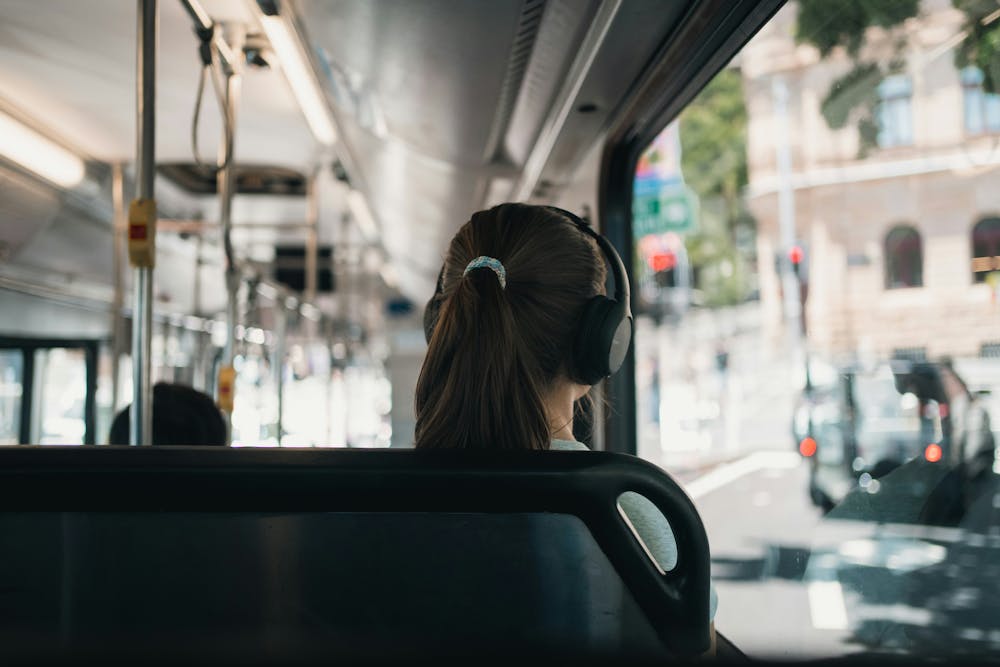
A girl with headphones on a bus.
Music streaming has become the soundtrack to our lives. Matthew Michael/Unsplash

Music streaming technologies seek to shape how users engage with music through algorithmic features, such as platform-curated playlists. Users are required to navigate features that decide, filter and select what to expose listeners to.

As one participant’s describes:

I almost feel like stuck in a rut… I’m like, ‘I actually do really want to find something new.’ And I’ll go out and find that. But even though it’s not Spotify’s fault, I kind of feel a little [trapped] in the world that I’ve set up for myself by listening to certain types of things. I guess the algorithm promotes what you’ve already been listening to and only gives you often slight variations on what that is because it doesn’t want to freak you out. And I guess that’s its job. It can be a little limiting sometimes.


Read more: Stream weavers: the musicians’ dilemma in Spotify’s pay-to-play plan


Who’s listening in?

Because streaming services also act as social media platforms, your listening habits can potentially be viewed by outsiders, the users I spoke to talked of a need to navigate music streaming carefully.

One interviewee spoke of the “social pressure” to curate what he is listening to:

I’m also slightly conscious of how much I’m listening to something and, you know, like it’s not … is it embarrassing, but is it? Am I listening to it too much? Should I be listening to more varied music because I want to seem, I don’t know, like should I listen to more varied music? And so that kind of plays around in the back of my head as I’m choosing music as well.

Other people recoil at being rendered into a series of data points.

A woman looks down on her phone
How do our listening habits change when anyone else could be listening in? Melanie Pongratz/Unsplash

As one participant suggests:

sometimes you listen to things in a personal context, you know, I guess if the music you’re listening to is reflective of how you’re feeling, you don’t necessarily want to reflect how you’re feeling or communicate how you’re feeling with other people. Yeah, and if that’s being broadcast, it’s a little bit off, isn’t it? Awkward, you know.

This knowledge of how streaming services trace and allow others to follow users comes to frame the experience of using the service itself.

Another interviewee described once privately listening to songs on their iPod:

it was sort of a bit anonymous as well. I like that you could just sort of you know … I could just be in bed, for example, with the headphones in listening and it wasn’t sort of necessarily recorded online. And I suppose I have to admit there’s a part of me that feels a little bit resentful that you can’t just sort of download things the way you could in the past and have it […] [to] listen indefinitely.


Read more: Audio cassettes: despite being ‘a bit rubbish’, sales have doubled during the pandemic – here’s why


Fading passions

While streaming undoubtedly commands a significant way we now engage with music, some interviewees also indicate it has changed their relationship with music:

I guess having ownership over music feels different to having, you know, like a subscription. I feel less passionate about streaming services […] I think I just feel more passive with Spotify I guess, like, less active. Because every time I try to be active I just get frustrated at not being able to find what I want […] Like, there was just so much more effort involved in music before whereas I think when something becomes less – less effortful perhaps it becomes less special, you know.

A record shop
Physical formats like vinyl can feel more tangible and so more special. Joss Broward/Unsplash

These experiences could also partly explain the resurgence in physical formats such as vinyl and even cassette.

Streaming technologies not only change how we access music recordings but also are associated with changes in the social experience of listening to music.

Streaming allows people to incorporate music ubiquitously and musically inflect everyday life in increasingly varied ways. But it can also transform private acts of listening into public ones to be viewed with risk if not managed carefully.

The most frequent question we’re asked as arts editors: “Have you seen anything good lately?”

Our newsletter is the answer. We all lead busy lives, with countless things demanding our attention: work, chores, childcare. Free time is precious. But with so many options for what to watch and read at the end of day, listen to on our commute, or visit in town, we don’t want to waste it sifting through them all. Something Good cuts through the noise, with a carefully curated selection of the latest film, TV, book, video game and music releases, as well as live events and exhibitions – straight to your inbox, every fortnight, on Friday afternoons. And unlike other roundups, our selection is chosen by academic experts.

Anna Walker

Senior Arts + Culture Editor

Posted in Uncategorized | Tagged , , , , | Leave a comment

“Telepathy” is name. Elon Musk and Neuralink. Fascinating. CBC interview “Elon Musk’s Neuralink: Human enhancement or virtual insanity?” February 3rd 2024

Tomás Ryan reposted

CNN News Central

@NewsCentralCNN

Elon Musk says Neuralink has implanted a chip in a human brain for the first time. Musk says the operation took place Sunday and that the patient is doing well.

@Boris_Sanchez

is joined by the President of the British Neuroscience Association

@TSpiresJones

to discuss.


Posted in Uncategorized | Leave a comment

“Age Related Memory Loss”. Contrast … Origin. First introduced to this remarkable man, Eric Kandel via the Brain Series hosted by Charlie Rose. He won the Nobel Prize and for people interested in the brain, he is worth engaging with.


Posted in Uncategorized | Leave a comment

AI model flags high-risk pancreatic cancer patients 18 months before diagnosis. Source: Harvard Gazette

HEALTH

AI model flags high-risk pancreatic cancer patients 18 months before diagnosis

Novel approach caught 3.5 times as many cases than current screening guidelines would have for 40-plus group

Jacqueline Mitchell

BIDMC Communications

February 1, 2024 5 min read

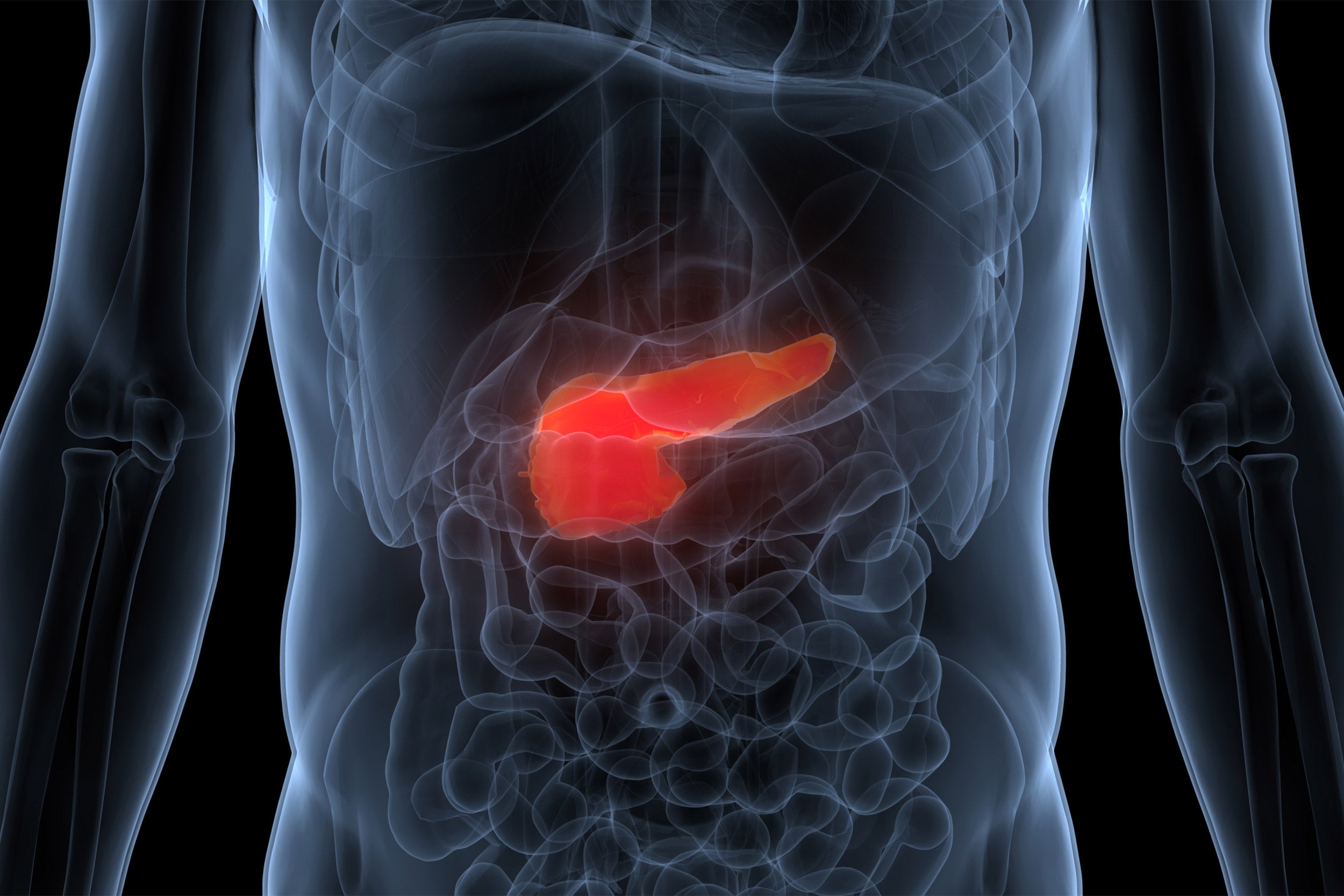
3D Illustration of Pancreas within the body.

Hovering at just 11 percent, pancreatic cancer has the lowest five-year relative survival rate of any cancer diagnosis. Those grim odds are largely because the disease is typically caught in its advanced stages. If caught in its earliest stages, five-year survival rates can reach as high as 80 percent; however, current screening guidelines apply only to a very small fraction of the 62,000 pancreatic cancer cases that are diagnosed each year in the United States.

Investigators at Harvard-affiliated Beth Israel Deaconess Medical Center (BIDMC), in collaboration with colleagues at Massachusetts Institute of Technology, built and validated a risk prediction model to help physicians identify patients who are at high risk for developing pancreatic cancer. The team’s model, a neural network trained on de-identified data from electronic health records from 55 U.S. health care organizations, flagged patients as at risk of developing pancreatic cancer up to 18 months before diagnosis in patients 40 years or older and caught 3.5 times as many cases than current screening guidelines would if applied to the same group. Their findings appear in eBioMedicine, part of Lancet Discovery Science.

“Most cases of pancreatic cancer are not detected until they are already advanced, and they are no longer curable,” said Limor Appelbaum, an investigator at BIDMC and an instructor at Harvard Medical School. “The people who have the opportunity to undergo screening represent about 10 percent of the pancreatic cancer cases that we know of. That’s a very small proportion. We’re trying to catch as many of the other 90 percent of cases as we can.”

Current screening guidelines target only people with an inherited predisposition to pancreatic cancer — people who have either first-degree relatives with the disease or a known gene mutation that puts them at risk of developing it. With an estimated relative risk of developing pancreatic cancer that is at least five times higher than that of the general population, these patients are eligible for yearly screenings, typically MRI scans, “known to be very effective and strongly correlated with far better survival rates,” Appelbaum said.

“The people who have the opportunity to undergo screening represent about 10 percent of the pancreatic cancer cases that we know of. We’re trying to catch as many of the other 90 percent of cases as we can.”Limor Appelbaum

That’s why she and colleagues turned to electronic health record (EHR) data to find more people who would likely benefit from earlier screening.

“There are signals in the data that’s being routinely collected already when people see their primary care physician or go to the ED with a broken ankle—symptoms that show up, such as certain medications or changes in lab values,” Appelbaum said. “Taken together, these are all signals that can predict pancreatic cancer before the cancer is actually detected, and that gives us the opportunity to catch those cancers early, before it has spread.”

Named PrismNN, the team’s machine learning model was trained on data from more than 1.5 million EHR provided by industry partner TriNetX. The data set included an average of 13 years of historical data about demographics, doctor’s visits, diagnoses, lab work, procedures and medications for more than 35,000 patients who eventually developed pancreatic cancer and more than 1.5 million controls. The model flagged patients at high risk for developing cancer based on 87 features it automatically selected based on the input training data.

“Thanks to the depth and breadth of the data set PrismNN was trained on, it can be applied anywhere in the U.S. because it includes data from our nation’s diverse population,” Applebaum said. “The idea is to bring this capability into every clinic, to every computer for every physician, whether they are working in a tertiary hospital in Boston or in a small community clinic in the Southwest, so it’s a really critically important feature of our model.”

To further validate the model, Appelbaum and colleagues are assessing its real-time accuracy by allowing PrismNN to sort patients into low-, intermediate- and high-risk groups, as well as follow their outcomes. Additionally, the investigators are inviting patients flagged by the model to participate in studies to search for common, quantifiable physical characteristics called biomarkers, that could signal predisposition to pancreatic cancer. In this way, PrismNNcould serve on its own as eligibility criterion for annual screening or serve as an initial filter for people with selected biomarkers who would then go on to traditional pancreatic cancer screening.

“Our approach enables potential expansion of the population targeted for screening beyond the traditionally screened minority with an inherited predisposition,” Appelbaum said. “Our PrismNN model sets the stage to identify more high-risk patients.”

Co-authors included Irving D. Kaplan of BIDMC; lead author Kai Jia, and co-senior author Martin Rinard of MIT; Steven Kundrot, Matvey B. Palchuk, Jeff Warnick, and Katherine Haapala of TriNetX, LLC.

This work was funded by Prevent Cancer Foundation, TriNetX, Boeing, DARPA, NSF and Aarno Labs. Kaplan and Applebaum are not aware of any payments or services paid to themselves or BIDMC that could be perceived to influence the submitted work. Please see the published paper for a complete list of declared interests.

Posted in Uncategorized | Tagged , , , , | Leave a comment

23andMe. Who has engaged? I have but imagine reading the article below? Where is the media? Bloodlines explored and tracked is a valuable database yet hackers have caused this hiatus. Source: Compass Fast Company

  • 01-31-24

23andMe at risk of being delisted from the Nasdaq as lawsuits mount

Once valued at $6 billion, 23andMe now faces multiple class-action suits and a possible stock delisting.

[Images: 23andMe, rawpixel.com]

BY CHRIS MORRIS

3 MINUTE READ

Once considered the hottest startup in Silicon Valley, 23andMe’s fall from grace has been swift and brutal. The genetic testing company, which was valued at $6 billion just a few years ago, is now facing both a possible delisting from Nasdaq and dozens class-action lawsuits.

It’s all part of the continuing fallout of the hacking of the company last year. The company has since admitted it failed to detect the data breach for more than five months, giving the bad actors the chance to steal the ancestry data of some 6.9 million of its 14 million users. (Genetic data was not among the information stolen, though the company said the hackers did gain access to users’ display names and information from its DNA relatives feature that in some cases included ancestry, birth years, locations, photos, and links between relatives.) The hack targeted users of Ashkenazi Jewish and Chinese heritage, in particular.

That has given rise to the legal threat the company is currently facing. 23andMe attorneys were scheduled to meet Wednesday with roughly 20 lawyers who have filed class actions against the company, in hopes of working out a global settlement.

There are currently three dozen class-action suits tied to last year’s hack—and 23andMe has asked a judge to consolidate those into a single trial. A ruling on that isn’t expected until March, but one of the plaintiff’s attorneys from that collection is asking to be appointed lead litigator now (before the cases are consolidated, if they eventually are at all), in hopes of heading off a preemptive settlement.

“This is not a case that should ever be settled in a race to the bottom,” attorney Jay Edelson told Reuters. “Class-action lawsuits are meant to be vehicles of accountability, not to act as lifeboats for companies to escape the consequences of their misconduct.”

The 2023 hacking incident raised several concerns about the company. For example, one online post that offered data for sale bragged of having a huge database of Ashkenazi Jews, including people whose ties with that ancestry are less than 1%. Given the growing antisemitic rhetoric online and the very real physical threats both at home and abroad, that posting has raised concerns among 23andMe members about their own safety.

23andMe isn’t out of money yet, but the funds are running low. The stock, which at one point was as high as $16 per share, now trades around 76 cents per share. As a result, Nasdaq, in November, issued a notice of delisting to the company, giving it 180 days to get shares back above $1.

And while 23andMe raised roughly $1.4 billion in venture funding before the hacking incident, The Wall Street Journal reports that the company has spent roughly 80% of that—and a high-dollar settlement to those class-action suits could substantially drain the remaining amounts. The Journal says the company is burning cash at a rate so quickly, it could be out by next year.

23andMe CEO Anne Wojcicki, despite overseeing three rounds of layoffs last year, is still looking forward—attempting to transform the company from just a supplier of ancestral data into a healthcare company that develops drugs and sells subscription health reports. “It’s definitely been harder than we expected,” she told The Journal, “but I don’t think that we’ve executed yet on what the vision actually is.”

There is some potentially promising news on that front. Two of its drug candidates for potential cancer treatments have made it to early-stage human trials. However, it will be months before results of those trials are available. 

The pharmaceutical business is an expensive one, though, and—for now, as its cash runs low—23andMe hasn’t found investors willing to further fund the company. 

Now accepting applications for Innovation by Design.
Apply by February 23 for your chance to be featured!

Posted in Uncategorized | Tagged , , , , | Leave a comment