That would be Norway, the most fossil-fuel dependent industrialised democracy in the world, some of whose politicians talk about wanting to pump oil for the next 100 years.
The European Economic Area (EEA) country has currently agreed to follow all the EU’s climate legislation, which aims to phase out fossil fuels.
Yet this year has seen stakes in 53 new offshore oil and gas exploration licences awarded by Norway to 20 companies who are set to invest €22.8bn in yet more drilling — up six percent on last year.
Thanks to fossil fuels, it has the 11th highest global GDP per capita, according to the World Bank.
At the same time Norway’s electricity grid runs almost entirely on renewables and the country has accumulated a sovereign wealth fund worth €1.8 trillion, which it uses to help other countries cut emissions.
So while it produces 12.8 tonnes of CO2 per person — twice the global average — it has a tiny domestic footprint and is a vocal advocate of international climate treaties.
This is because, under the 2015 Paris Agreement, emissions are counted where fossil fuels are consumed, not where they are extracted.
So that means gas-guzzlers spewing out fumes in countries to which Norway exports all its oil and gas.
Oslo likes to play climate champion but it’s actually a fossil-fuel cheerleader, using its wealth to help other countries become greener while ramping up new oil and gas exploration at home.
It’s like a drug baron supplying his users whilst supporting drug-related charities.
Climate hero or carbon villain?
A country which extracts more petroleum per capita than Russia, Iran, North America and Saudi Arabia plays climate hero when in reality it is a carbon villain.
The hypocrisy extends to its biggest customer, the European Union, which in 2019 promised to become the world’s first climate-neutral continent by slashing demand for fossil fuels.
It didn’t foresee the Russian invasion of Ukraine, of course, which would have pushed oil and gas prices to exorbitant levels but for Norway’s supplies.
But this, in turn, has reduced the pressure on the EU to invest in renewables.
Norway, meanwhile, maintains that while there is global demand for oil and gas, the electrification of its industry means its fossil fuels are better for the environment than ‘dirtier’ products from other petroleum countries.
It’s hard to know whether to laugh or cry.
As well as helping developing countries, like Indonesia, cut their carbon emissions, Norway’s huge sovereign wealth fund, derived from the money it makes from fossil fuels, also provides its citizens with a lavish welfare state and gold-plated pensions.
Try telling that to the developing countries from where the EU gets its coffee, cocoa, palm oil, rubber and soy.
Under the now twice-delayed EUDR legislation, these countries will not be allowed to export any commodity which has been the product of deforestation since 2020.
So coffee farmers in the Bean Belt, some of whom make as little as one to three percent of the retail price of their beans, are not allowed to chop down trees to grow more crop because it is bad for the planet.
Of course deforestation must be stopped but why, when a coffee bean farmer is barred from earning a living, are countries in the developed world, like Norway, allowed to make a fortune polluting the planet in the name of ‘energy security’?
In Papua New Guinea, smallholders represent nearly half of all oil palm output, but unemployment remains high and families still live below the poverty line.
The country has the eighth-highest percentage of forest cover in the world and palm oil is the only viable livelihood.
If you say to them, and the cocoa growers on the Ivory Coast, and the coffee growers in Columbia, you cannot ever expand you are effectively saying to them: ‘Stay poor, stay behind’.
Yes, carbon credits in the developing world are part of the solution but countries in the West also need to start making sacrifices of their own.
For 20 years we have been saying we need oil and gas today but will not need it tomorrow. If we had started in earnest back then we would not need Norway’s new oil and gas fields today.
We should stop developing them now and live off what the country has found already.
Public Health as Diplomacy: China’s Southeast Asia Strategy
China’s contributions to Southeast Asia grow more significant as the United States scales back its global health commitments
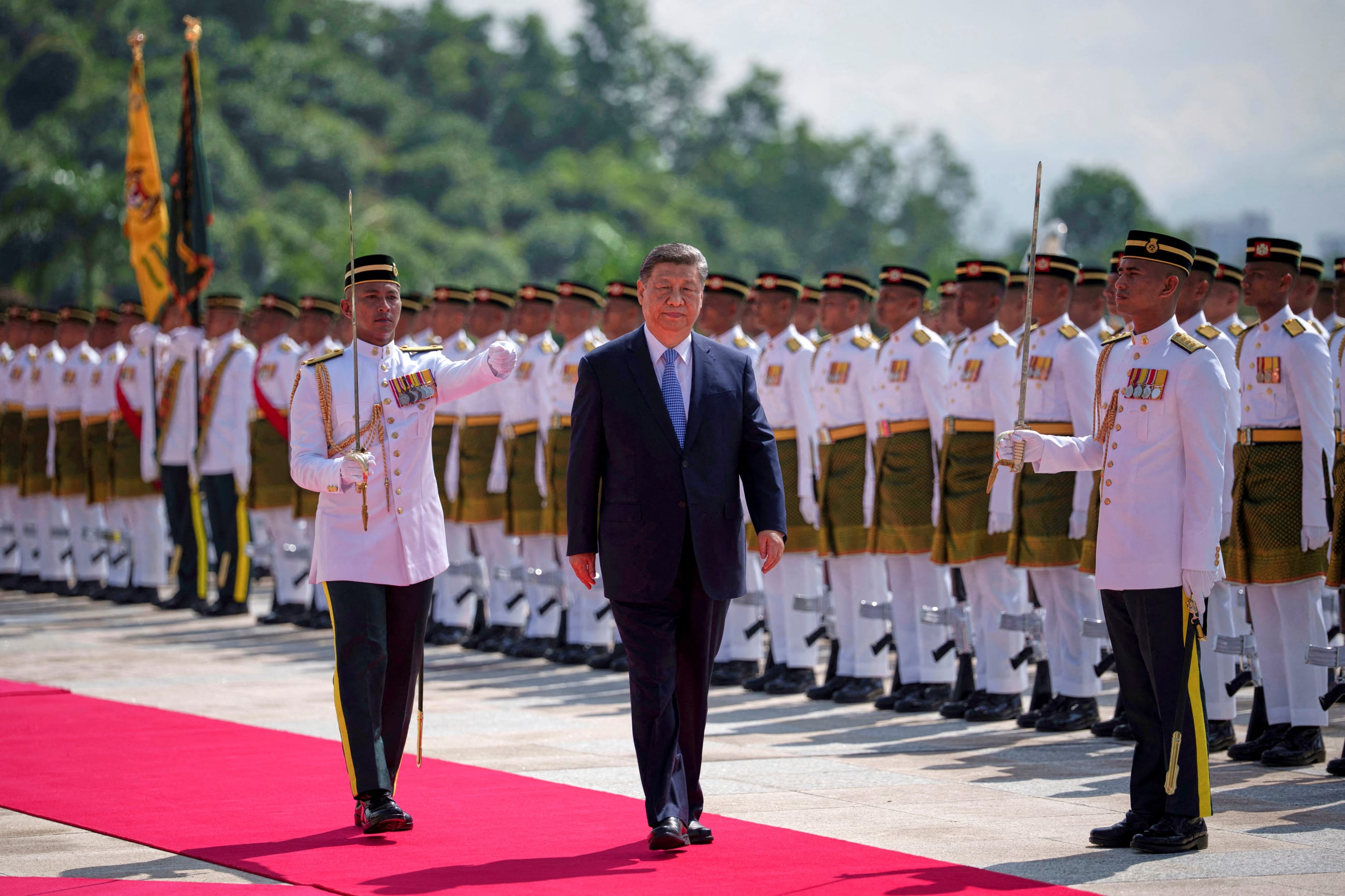
Chinese President Xi Jinping inspects an honor guard during the official welcoming ceremony, at the national palace, in Kuala Lumpur, Malaysia, on April 16, 2025. Vincent Thian/Pool via REUTERS
In late February 2025, the United States canceled two aid programs in Cambodia: one to promote child literacy, the other to improve nutrition for children younger than 5. The price tag was $40 million—a modest sum in Washington’s ledger, but substantial for a country whose entire gross domestic product (GDP) is comparable to Vermont’s.
A week after the cancellation, China’s aid agency announced funding for projects with near-identical aims. “Children are the future of the country and the nation,” Wang Wenbin, China’s ambassador to Cambodia declared, standing alongside the Southeast Asian country’s health minister. “We should care for their healthy growth together.” The sequence was striking. The optics were choreographed.
In a region marked by persistent gaps in health-system capacity and access to care, Chinese assistance is necessary and consequential. This support has expanded access and delivered tangible benefits through Southeast Asia’s infrastructure, supply chains, and institutional partnerships. This contribution grows more significant as the United States scales back its global health commitments.
Yet the architecture surrounding this engagement is reconfiguring relationships in subtle ways that may prove enduring, amounting to an emerging architecture of dependency. The question, then, is not whether China’s role is welcome but what kind of regional health order it is quietly building, and at what cost to Southeast Asia’s long-term autonomy.
A Region of Unmet Needs
The health-care landscape in Southeast Asia is characterized by stark and persistent inequality. Whereas Singapore boasts a world-class health system and Thailand has achieved near-universal coverage, countries such as Cambodia, Laos, and Myanmar continue to struggle with basic service delivery, particularly in rural and hard-to-reach areas where infrastructure, equipment, and trained personnel remain scarce.
Across the region, unmet health-care needs remain persistent and complex. The Mekong subregion continues to be a global hotspot for drug-resistant malaria, and the Philippines grapples with one of the world’s fastest-growing HIV epidemics and a heavy burden of drug-resistant tuberculosis. These epidemiological challenges are compounded by protracted conflict: insurgencies in Indonesia, the Philippines, and Thailand, along with Myanmar’s ongoing civil war, have placed additional strain on fragile health systems.
For lower-income members of the Association of Southeast Asian Nations, external health intervention is less a voluntary option than a structural necessity
Over the past decade, international partners—most notably the United States—have played a central role in financing and delivering public health interventions. Between 2018 and 2023, the President’s Malaria Initiative (PMI) channeled approximately $100 million to support programs across Cambodia, Laos, Myanmar, and Thailand, funding insecticide-treated mosquito nets, rapid diagnostic tests, and frontline antimalarial treatments.Meanwhile, the President’s Emergency Plan for AIDS Relief (PEPFAR) has invested nearly $1 billion in Vietnam since 2004, expanding HIV testing and antiretroviral therapy, and it was extended to the Philippines in 2022 to strengthen prevention and treatment efforts. Along the Myanmar-Thailand border, U.S. aid has underwritten a fragile but essential health infrastructure for displaced communities, supporting NGO-run clinics, maternal and child health services, vaccination, and referrals through partners such as the International Rescue Committee.
For lower-income members of the Association of Southeast Asian Nations (ASEAN), external health intervention is less a voluntary option than a structural necessity. Domestic financing and health-system capacity are struggling to keep pace with the scale of health-care demand: ASEAN is home to 684 million people, and its older population is projected to more than double by 2050, reaching 22% of the population, accelerating demand for chronic-disease, geriatric, and palliative-care services. The region faces a growing burden [PDF] of noncommunicable diseases even as many member states continue to face workforce shortages, high out-of-pocket spending, and uneven access to primary care.
A 2022 systematic review of health financing in Southeast Asia identified limited government spending, fragmented risk pooling, a large informal health workforce not covered by social health insurance schemes, and rising health-care costs as persistent structural weaknesses that make health systems vulnerable to donor influence. The same review found that government health allocations fell below 9% of total budgets in Indonesia, Laos, Malaysia, the Philippines, and Vietnam. In Laos and Cambodia, external donors provided 14.5% and 16.4% of total health expenditure respectively—a level of dependence that raises serious questions about sustainability and sovereign control over health priorities, since recipient governments hold little authority over how funds are directed.
What Has Been Cut, and What It Means
External funding does not merely fill gaps; it reshapes the boundaries of domestic health planning when governments lack control over the source, duration, and priorities of financing. Donor-funded programs may not align with national health needs, resulting in public health projects defined by external priorities rather than local ones. Many recipient countries also rely on short-term earmarked funding for health rather than receiving sustained institution- and capacity-building. Southeast Asia is now entering a period of sharply shrinking development finance. According to a 2025 report by the Lowy Institute, official development finance to the region could fall by more than $2 billion by 2026, as bilateral aid is expected to decline by around 20%—from $11.3 billion in 2023 to $9 billion in 2026.
The consequences of the U.S. retreat from global health are already rippling across Southeast Asia. Under the second Trump administration, the withdrawal of funding and operational support has left significant gaps in programs long dependent on U.S. backing.As recently as last year, the U.S. Agency for International Development (USAID) allocated approximately $860 million to Southeast Asia, with health among its core priorities, spanning six countries: Cambodia, Laos, Myanmar, the Philippines, Thailand, and Vietnam.
The distribution of this assistance was uneven, and so too is the impact of its withdrawal. Cambodia, Indonesia, Myanmar, the Philippines, and Vietnam were among the largest recipients.Yet Cambodia and Myanmar stand to suffer most because aid constituted a large share of their economies, and their health, governance, and humanitarian sectors will bear the heaviest burden of cuts.
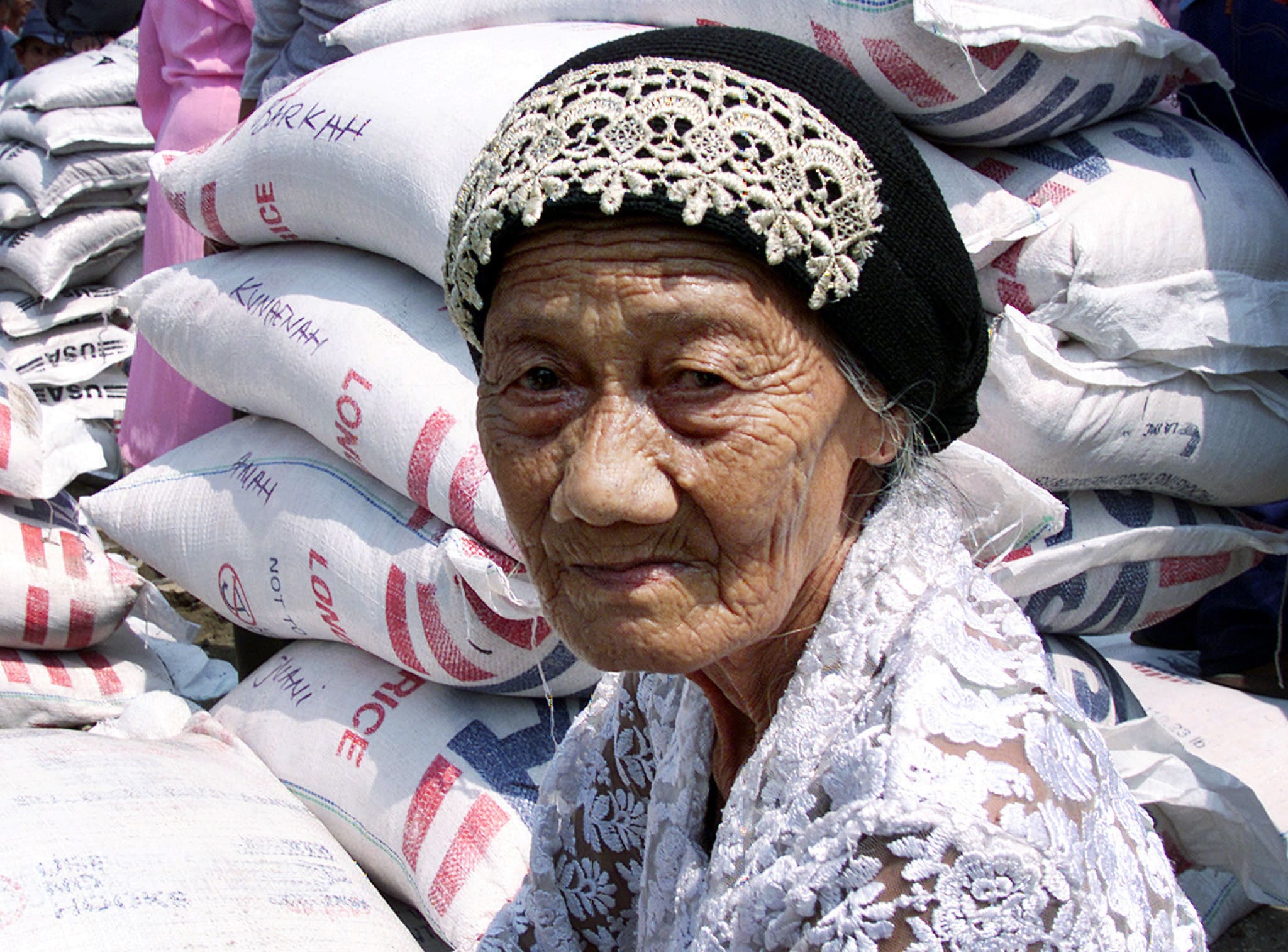
An elderly woman waits for rice to be distributed by USAID, in a North Jakarta, Indonesia, on September 4, 2001. REUTERS/Beawiharta
In the Mekong subregion, the rollback of U.S. funding risks reversing decades of progress in malaria control, placing millions at renewed risk. In Vietnam, the reduced support has disrupted 92 PEPFAR-funded facilities, on which 70% of patients rely for HIV services. The situation is similar in the Philippines. Along the Myanmar-Thailand border, clinics serving displaced populations have closed or consolidated amid funding shortfalls, contributing to the first confirmed deaths linked to the aid freeze. Estimates from the Center for Economic and Policy Research suggest that USAID program suspensions could result in 500,000 to 700,000 additional deaths annually.
Into this widening gap, new providers have stepped forward. China has moved decisively, positioning itself as a partner in crisis and steward of global health governance—with ambitions not merely to deliver assistance but to shape the terms on which it is given.
What China Provides and How
The financial backdrop sharpens the stakes. Official development finance to Southeast Asia reached $29 billion in 2023, up from $26.5 billion in 2022, but still below the prepandemic average of $33 billion. The rebound was driven mainly by nonconcessional loans from China, the Asian Development Bank, and the World Bank, rather than by grants or concessional health and social spending. In the wake of major Western aid cuts, the region’s development-finance center of gravity is shifting increasingly to Beijing. The region’s need for Chinese health assistance should therefore be understood against this structural backdrop. Many states are not choosing between autonomy and aid but between unmet health needs and externally financed provision.
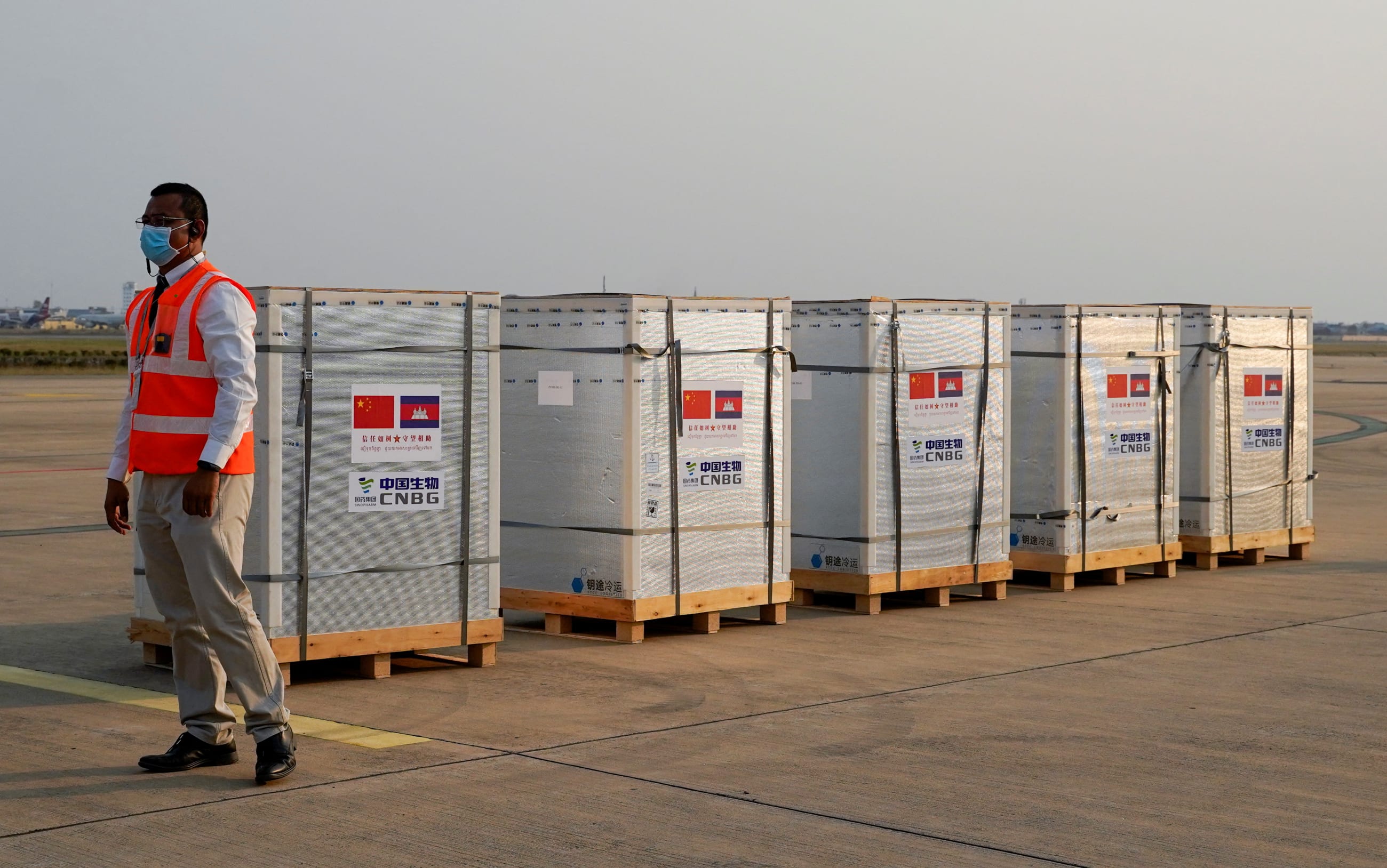
Although China’s increased prominence in Southeast Asia’s health landscape appears new, the underlying playbook is well rehearsed.The COVID-19 pandemic served as an accelerant and a template: in 2020, as global supply chains fractured and Western countries turned inward, Beijing moved quickly to supply masks, testing kits, and, later, vaccines to countries such as Cambodia, Laos, and Myanmar, in what became known as mask and vaccine diplomacy. These early deliveries were highly visible, often accompanied by official ceremonies and framed not only as emergency relief but as gestures of solidarity. The same playbook is now being reprised in the wake of U.S. withdrawal from health aid: rapid provision, clear attribution, and tightly managed bilateral delivery.
Beyond emergency response, China’s health-care contributions are anchored in physical infrastructure, a familiar feature of its engagement across the Global South. Hospitals constructed with Chinese financing are frequently framed as symbols of bilateral friendship, infusing political meaning into clinical spaces. The Cambodia-China Friendship Preah Kossamak Hospital is emblematic: a modern facility built in Phnom Penh by Chinese contractors and equipped through Chinese procurement channels. Yet such projects are not merely buildings. They embed a wider technical ecosystem—medical equipment, supply chains, maintenance protocols, contractor warranties, and after-sales servicing—that ties recipient countries to Chinese vendors and expertise long after construction is completed. Infrastructure arrangements create structural dependencies not only through debt or financing but through the everyday requirements of keeping clinical systems operational.
Alongside bricks and mortar, Beijing is weaving together human linkages. Rotating Chinese medical teams have been dispatched to underserved settings across the region, providing clinical care while reinforcing state-to-state ties. Scholarships and training exchanges bring Southeast Asian medical students and professionals to China through initiatives like the China-ASEAN University Alliance for Medicine and the China-ASEAN Community of Medicine and Health, cultivating a cohort of regional health professionals whose training, networks, and institutional affiliations are grounded, in part, in Chinese frameworks.
No external actor in the region can match Beijing’s financial capacity, speed of delivery, scale of resources, or tolerance for political risk
These engagements are being formalized. The inaugural China-ASEAN Public Health Cooperation Forum in 2023, alongside discussions of a cross-border health corridor along Yunnan’s borders, points toward structured mechanisms for data sharing, emergency response, and routine collaboration. Over time, these people-to-people exchanges deepen familiarity and alignment in ways that outlast any single project cycle.
No external actor in the region can match Beijing’s financial capacity, speed of delivery, scale of resources, or tolerance for political risk. Chinese provision has, in many cases, filled real gaps. Hospitals built with Chinese financing are functioning institutions treating patients in settings where alternatives were absent, and educational partnerships have equipped local clinicians with skills carried back into domestic health systems, producing measurable, if uneven, improvements in service delivery. Because it addresses genuine need, this assistance is welcomed rather than merely tolerated, and this legitimacy is partly what makes the structural dependencies it creates so difficult to unwind.
The Architecture of Dependency
At the seventy-second World Health Assembly in 2019, the head of China’s National Health Commission declared that the country would “join hands with relevant nations to address health challenges” and make “positive contributions to seeking the health and well-being of all human beings.” These initiatives are increasingly subsumed under the Health Silk Road,a health-focused arm of the Belt and Road Initiative (BRI) launched in 2015. China has leveraged BRI-built transportation networks—railways, ports, airports, and logistics hubs—to deliver [PDF] medical supplies and services, positioning itself not only as a provider of aid but as a coordinator of regional health flows.
The framing is deliberate. By embedding health assistance within a wider architecture of infrastructure, trade, and geopolitical integration, Beijing makes it increasingly difficult to disaggregate Chinese hospitals, medical supply chains, and training programs from its broader regional strategy. The ambition, in other words, is not to intervene but to integrate.
The architecture of that system is as significant as the volume of aid delivered. China’s health investments in Southeast Asia are neither ad hoc nor opportunistic; they serve a defined set of geopolitical objectives, providing health care to ASEAN states on terms that reflect Beijing’s strategic priorities. After the severe acute respiratory syndrome (SARS) pandemic in 2003, China formally reframed public health as a nontraditional security concern—one tied to border stability, regional image, and economic continuity—and Southeast Asia became the central theater for that reorientation. What followed was not a scatter of one-off donations but a layered architecture of disease surveillance, clinical training, medical supply chains, and institutionalized cooperation mechanisms embedded within China’s regional frameworks.
The forms this architecture takes are concrete. In the Mekong region, China has constructed a disease-control infrastructure spanning borders that includes malaria service stations, joint surveillance workstations, diagnostic laboratories, and community volunteer networks across Cambodia, Laos, Myanmar, and Vietnam. Between 2011 and 2024, health organizations in China’s Yunnan province alone trained more than 10,000 public health personnel from mainland Southeast Asian countries and dispatched more than 100 expert teams.
A worker stands next to the shipment of 600,000 doses of the COVID-19 vaccines donated by China, at the Phnom Penh International Airport, in Phnom Penh, Cambodia, on February 7, 2021. REUTERS/Cindy Liu
The COVID-19 pandemic laid bare the strategic logic of this architecture.Southeast Asia emerged as a priority region for China’s mask and vaccine diplomacy, largely because of its central importance to Beijing’s Belt and Road Initiative as the preferred corridor for the Twenty-First Century Maritime Silk Road. China repurposed its Belt and Road logistics networks into vaccine delivery channels, directing 44% of its roughly 1.6 billion committed doses to the region by October 2021—the same area that hosted the heaviest concentration of Belt and Road construction. Vaccine diplomacy and geopolitical integration followed the same map. The same logic explains the shifting regional priorities of China’s overall health aid. During 2005–13, 4 of the top 5 recipients of Chinese development assistance for health were African nations. By the 2020–21 period, however, Southeast Asia had become the clear priority, as Cambodia, Laos, Myanmar, and the Philippines all ranked among the largest recipients worldwide.
The implementation logic is consistently bilateral and state-to-state. Agreements are brokered between governments rather than routed through multilateral intermediaries. Civil society and local communities are seldom consulted in design or delivery. China has progressively incorporated cross-border disease prevention into the Belt and Road Initiative and the Lancang-Mekong Cooperation framework, binding health cooperation to the same bilateral architecture that governs infrastructure and trade. Visibility remains integral. Projects are branded, ceremonies are staged, and Beijing takes credit in national media on both sides.The result is a model in which gratitude compounds between states, and where the deepening of health ties quietly deepens the broader relationship on China’s terms.
… disentanglement would mean dismantling systems that recipient countries have come to rely on
Yet evidence on China’s development assistance for health complicates a purely strategic reading of Chinese health aid. Across 82 recipient countries, a 2018 analysis found that allocation is more strongly associated with recipient need and merit than with donor interests such as trade or natural-resource access. GDP per capita was a significant predictor of overall allocation, while health workforce shortages and malaria burden were associated with specific aid modalities such as medical teams and antimalaria centers. China’s engagement, in other words, is not simply predatory; it responds to real gaps, which makes the structural dependencies it creates more nuanced and difficult to contest.
What makes China’s assistance durable, therefore, is not coercion but the absence of any single point of pressure. China does not condition health aid explicitly, nor does it pull back funding when political alignment falters, relying instead on softer mechanisms: market dependence, supply-chain integration, and institutional lock-in. Dependencies accumulate through the routine functioning of health systems rather than through moments of pressure.
Once Chinese surveillance platforms, training pipelines, procurement channels, and technical standards become part of routine health governance, the cost to exit rises with each passing year—not because Beijing demands it but because disentanglement would mean dismantling systems that recipient countries have come to rely on. This path-dependent lock-in is the architecture’s quiet logic: influence operates through alliances rather than ultimatums, and alignment emerges from accumulated inertia rather than compulsion. An architecture that shapes behavior without ever needing to announce itself is, for that reason, the hardest to contest.
Regional Architecture for Greater Autonomy
China is shaping Southeast Asia’s regional health order in ways that are predominantly bilateral and dependency-reinforcing, limiting recipient governments’ room for political maneuver and their ability to exert independent control over their health systems. If Southeast Asia is to assert greater autonomy over its own health governance, the response is not to wait for a more magnanimous patron. Instead, it requires more committed action to accelerate what regional health collaboration has long promised but underdelivered.
Subscribe to Our Newsletter
Sign up for our weekly newsletter to stay up to date.Submit
ASEAN already possesses the levers it could activate more forcefully by capitalizing on existing institutional mechanisms. First, it could expand its financing role. The ASEAN Infrastructure Fund could channel more capital
Dolly Parton performs in 2025 in Nashville, Tenn. Photo: Jason Kempin/Getty ImagesDolly Parton has died at 80, Axios Nashville’s Adam Tamburin reports. Her family confirmed the news in a video message. The cause of death is unknown. (Watch)
The incomparable icon’s heavenly voice, stellar songwriting, outrageous style and life-changing philanthropy lifted her out of the Great Smoky Mountains of East Tennessee and made her one of the most recognizable people in the world.
N.Y. Times obit: “Ms. Parton cannily exploited — and transcended — rural stereotypes and kitsch to fashion a down-home chic entirely her own.”
“In the process, she became an international celebrity who headlined stadium tours, starred in Hollywood movies, built a business empire and appeared on the cover of Rolling Stone.” (Gift link.) Get the latest.
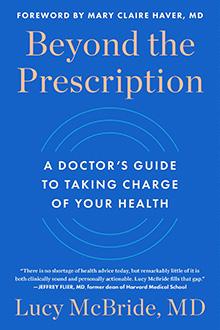
In her early 20s, when Lucy McBride, MD ’00, was struggling with a collection of health problems, doctors tested her for everything from giardia to brain cancer. But what she really needed, McBride says, was for someone to spend time talking with her to help her make sense of what she was experiencing. “I was treated with kindness and according to protocols, but no one asked me about me as a person,” she says. “It was just about the symptoms.”
By the time McBride did find someone who listened and identified anxiety and depression as the underlying causes of her symptoms, McBride was a medical student at HMS, and the experience helped push her toward a career in primary care. After a residency at Johns Hopkins, she spent two years working as an internist in an emergency department in Baltimore, which reinforced her belief in the importance of access to effective primary care.
“My colleagues and I weren’t just providing emergency care,” she writes in her new book, Beyond the Prescription: A Doctor’s Guide to Taking Charge of Your Health. “We were effectively serving as primary care providers for East Baltimore — treating diabetics who couldn’t afford insulin, asthmatics who’d never developed management plans, and elderly patients with urinary tract infections who lacked access to basic preventive care.”
In 2006, McBride joined a primary care practice in Washington, D.C., and in 2024, she cofounded her own direct primary care practice, also in Washington. Direct primary care clinics typically do not accept insurance, instead charging patients an annual fee for a set of services, and physicians usually see fewer patients than physicians do in conventional primary care clinics. Ideally, the reduced administrative burden and smaller roster of patients give physicians in direct primary care more time to spend with each patient.
McBride says this model helps her practice the type of care she has always wanted to practice and allows her to really get to know her patients. But she laments the fact that so many Americans don’t have a strong relationship with a primary care physician, and Beyond the Prescription is her attempt to help them. The book provides a framework to guide people in making decisions about their health and their health care. “It is designed to help you squeeze the most out of the medical system and to better advocate for yourself within it,” she writes. In other words, it’s the book McBride wishes she had when she was struggling to get the care she needed.
McBride talked with Harvard Medicine editor Amos Esty about the joys and frustrations of primary care, how to foster strong physician-patient relationships, and why she wrote her new book. This interview has been edited for length and clarity.
You have a newsletter, a podcast, and now a book. What got you interested in reaching a broader audience?
There’s one word for it: COVID. Before March 2020, I was going about my business, practicing medicine, seeing patients every day, raising three kids. Then the pandemic hit, and I realized that people are starved for trusted medical guides. As was the case for many doctors, my cellphone was ringing off the hook. What do I do? Where do I go? The average American doesn’t have a primary care doctor to call. They don’t know how to make decisions about risk, even basic decisions like, “Which vaccine should I get?” “Should I go to my daughter’s wedding or stay home?” It just was such a stunning reminder of how trust and guidance is essential — of course in a global pandemic, but also just in general for mundane health issues.
So I started writing a newsletter to my patients and my friends and family saying, “Here’s what I’m seeing. Take it or leave it.” I wrote every single day for 90 days, and it really caught on. That newsletter became a way for me to help people who didn’t have anyone to call, to help people beyond the walls of my office.
I’ve been writing ever since. Even during the pandemic, I wasn’t just writing about COVID. I was writing about health in a much broader way. I wanted to write a book to help people arm themselves with more information about how to make those decisions and how to understand their health in a more nuanced way. Health is not just about your labs once a year at your annual physical. Health is not just about 10,000 steps or a certain dietary protocol. Health care is really about a partnership — about helping people make decisions that are right for them.
Your book opens with a story about a woman who tells you that she’s basically given up on mainstream medicine. How often do you hear that? Has that changed over the years you’ve been practicing?
It’s only gotten worse. This is what I hear from readers of my newsletter. I think a lot of people have just given up entirely on health care. They’re cynical. They’re just so used to being seen as a transaction. They blame the system, but they also blame doctors. Even if you’re lucky enough to have a primary care doctor who’s in your insurance plan, if you call for an urgent matter, you might not be able to see that person for three months.So what do people want? They want access. They want someone to trust.
How much of that is an institutional or systemwide issue and how much comes down to individual relationships between doctors and patients?
I think the system, the structure of ambulatory care, is just not built for this kind of work. So even if you’re a good doctor and an empathetic person, it’s just impossible if you have 10 minutes. Studies have shown that doctors interrupt their patients, on average, in the first 11 seconds.And then we, as primary care doctors, spend two hours on our EHRs [electronic health records] for every hour of direct face time. Then you look at payments to primary care. I mean primary care, the setting where we’re supposed to be listening and asking the right questions, gets less than 5 percent of U.S. health care spending.
You write about asking your patients what health means to them. How did you start taking that approach to rethinking what health means?
I’ve always been interested in the human experience of illness. For example, at HMS, I loved the class where they hired actors to be patients and we had to establish a rapport with them and give them bad news. I loved the art of communication, of distilling complex information into understandable terms. I always liked the idea of transferring power — meaning knowledge and experience — from the doctor to the patient.
I’ve also been a patient myself. I mean, we all have, but I’ve been in that vulnerable place where you don’t know what’s going on and you’re pinning your trust on this other human and how scary that is and how desperate you are for someone to understand you and someone to listen.
The most important moment in my exam room is not when I write a prescription; it’s when the patient realizes I’m really listening. I’m listening to what they’re saying about their caregiver stress, their sexual dysfunction, their relationship with alcohol, their struggles with disordered eating. Those are the most important moments, because when someone notices you’re listening, then they can talk about the things that are actually driving the lab tests. That can’t happen in a 10-minute appointment. It also can’t happen without communication and trust between two human beings.
Has working in direct primary care changed your experience of practicing medicine?
It has. It allows me to have time to understand the whole person. I went into primary care because I was interested in disease, but I was mostly interested in the people who housed the disease. To understand the whole person takes time that you don’t have in a 10- or 15-minute visit. Also, it’s hard to build trust in quick, transactional visits. So I’m really practicing the medicine that I thought I was going to be practicing when I went to medical school to begin with. It’s just that our system is so broken in the United States, it’s very difficult for primary care doctors to have the time they need.
I used to feel like being in direct primary care was part of the problem, and I think it is in some ways. I also think it’s part of the solution if you can show what it looks like or could look like to care for patients in a more holistic, evidence-based way. Primary care should be a hub for problem-solving, not just a gatekeeping apparatus.
Within the current constraints, what do you think doctors can do to promote this type of care?
We need to train doctors how to do it. We need to train doctors how to sit with discomfort and just be quiet. I’m not great at that. I love talking. But it is really powerful if you can just put your pen down and let someone talk and let them surface the issue that they’re actually struggling with. That’s what I find meaningful. I mean, why are we alive if not to shepherd people through these moments? Health is just a proxy for life.
I also think we need to band together. I was just shocked during the pandemic how passive it felt like doctors were in this whole maelstrom. I think we could band together and demand that our system treat patients and doctors fairly and demand a payment system that rewards the cognitive and relational work of eliciting a patient’s needs, not merely the procedures and the prescriptions that come after it.
I think we can do that. If we can go to medical school and take MCATs and step one and two and boards, we can advocate for care. I also think you need medical schools to incentivize graduates coming out of medical schools to go into primary care fields.You’ve got to incentivize medical students because medical students are smart. They want to go into fields that are going to pay back their loans and provide them quality of life.
You wrote your book to help patients. But what do you hope clinicians who read your book take away from it?
Let’s say you’re a primary care doctor reading this book. I hope that it gives you some vocabulary with which to talk to patients about sensitive topics. Because I think sometimes the most important conversation we have is the conversation where we give patients permission to say the things that they might’ve been embarrassed to say out loud. I hope it gives them some tools to hand patients. It’s sort of like homework for the patient to bring back to the next appointment.
I hope it restores some primary care doctors’ faith in what primary care is, the art and the science of caring for human beings, because I think a lot of primary care doctors out there are really burned out and really disillusioned.
My fantasy is for this book to help patients feel more empowered and for this kind of medicine to be scaled more broadly, because I don’t think it should only be accessible to people who can afford it. I think this is what people want. They want someone who knows their name, not just their diagnosis codes. They want a rapport. They want to feel trusted and they want to be heard. We want the same thing. And there are ways we can really band together to advocate for this.
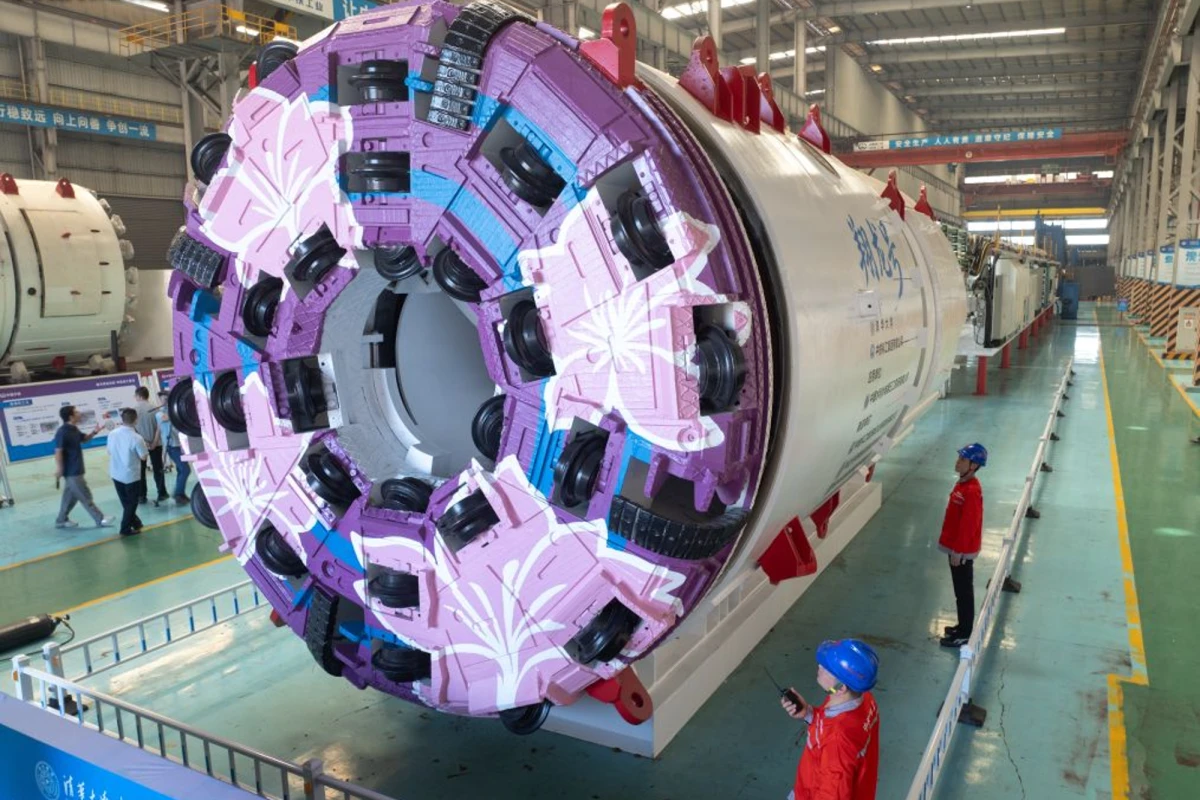
China has unveiled the world’s largest multi-tool as it rolled out the world’s first Boring and Blasting Machine (BBM) that combines a tunnel-boring machine with the ability to set explosives to blast through solid rock.
In constructing deep underground tunnels, there are essentially two types of machines to do the job. Both are designed to pull themselves along a bit like an earthworm, with most of the machine’s length taken up by giant electric motors and apparatus to carry away spoil and lay down a watertight tunnel lining of concrete blocks.
The first is the Soft Ground Tunnel Boring Machine (TBM), which has a large rotating shield covered in cutting tools that slice into soil, clay, sand, gravel, or water-bearing strata. The purpose of the shield is both to dig through the earth and to support the face so it doesn’t collapse as the muck is removed by a screw conveyor. If the face is too unstable, a pressurized bentonite slurry is injected to shore things up.
The second machine is the Hard Rock TBM. This, as the name implies, is for intact rock strata like granite, basalt, and sandstone, and it has a harder time of things.This has no shield behind the cutterhead, and the machine grips directly to the rock wall for support while special heavy cutters grind slowly away at the solid rock.
There is a third hybrid machine for dealing with soft soil littered with boulders like nuts in an otherwise innocent bit of cake, but it’s a bit of a compromise whose only real virtue is that the digging can still go on, though not as well as one would like.
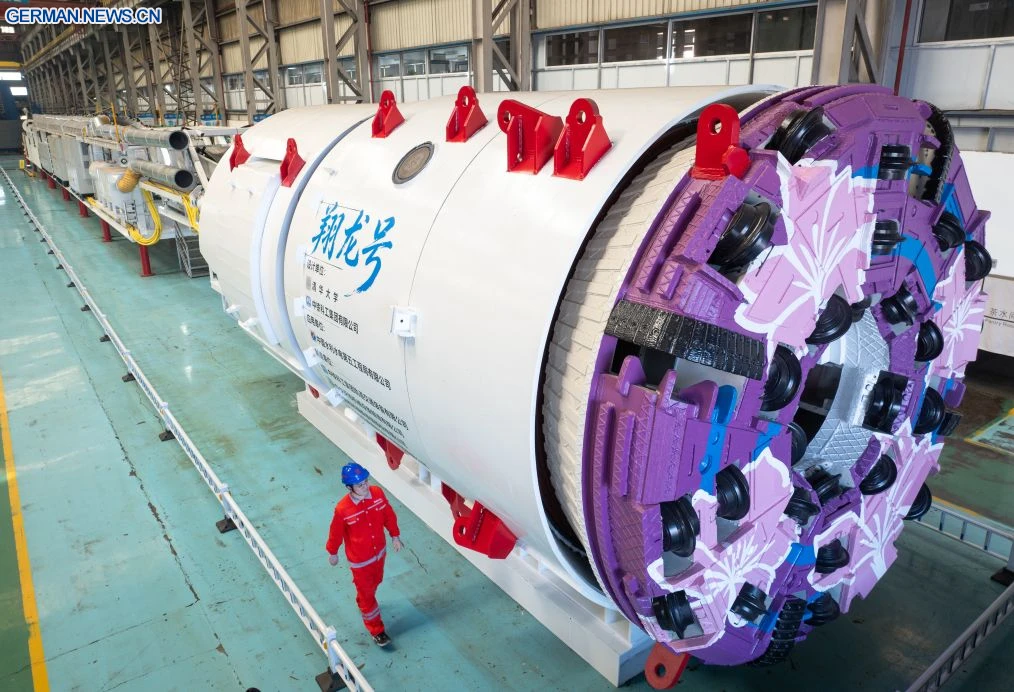
Xianglong showing its shield and tail system
What the China Railway Science & Industry Group (CRSIC) in Wuhan and Tsinghua University have come up with is something to deal with digging tunnels in areas where the geology is aggravatingly diverse, with soft soils giving way to rock faces. The result is the BBM.
With a diameter of 14.76 ft (4.5 m), the BBM, officially called “Xianglong” or “Lucky Dragon,” has a special cutterhead with a hollow point in the center and the ability to pull back slightly against the machine, which is protected by a shield to prevent damage to the machinery and sensors behind.
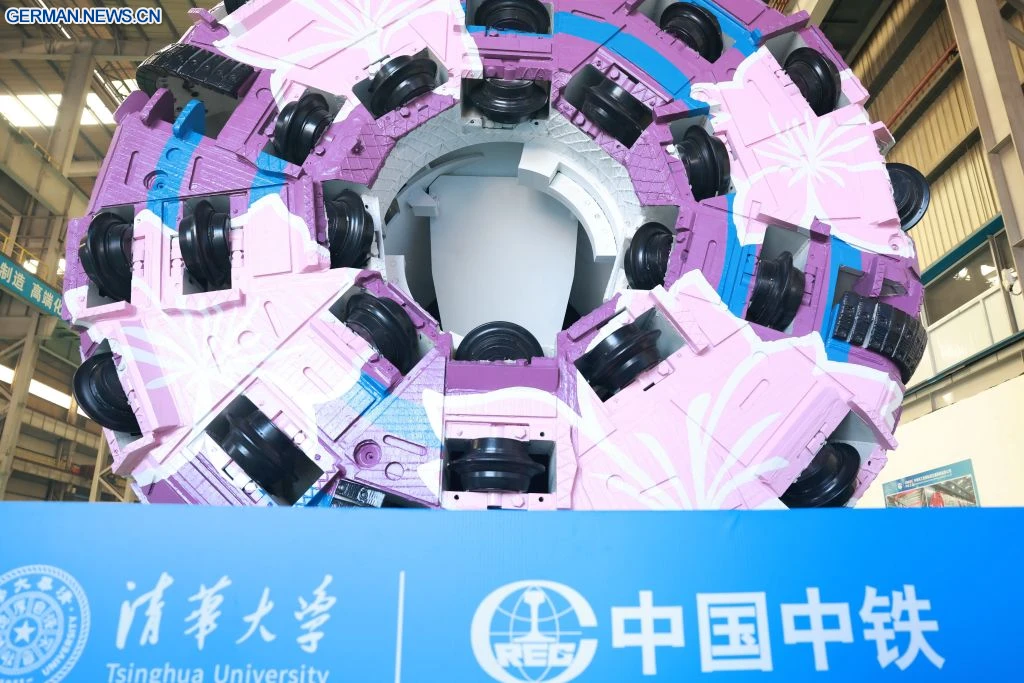
The clever bit is that the hollow center and specialized access channels have integrated drilling equipment for boring holes many meters deep into the rock face that can then be stuffed with explosives and tamped with sand or clay. When the special low-yield, high-velocity explosives are detonated, they create micro-fractures in the rock without throwing out debris or massive concussion. What force is generated is deflected and absorbed by the protective shield. The cutter head can then move back into position and sweep up and crush the pulverized rock.
The cutterhead of Xianglong
According to Chinese state media, Xianglong can improve excavation efficiency by 30% over conventional boring machines, and the shield can vary its diameter to accommodate different lining segments.
However, although it’s been built, how it actually functions remains to be seen.
Can’t-miss innovations from the bleeding edge of science and tech Email address Sign Up
Numerous scandals this year have sparked a public inquiry into government and military insider trading on prediction markets. In some cases, arrestshave been made.
But a new investigation by the nonprofit research group Anti-Corruption Data Collective suggests the corruption may be even more rampant than we thought. Reuters reports that the analysis found that more than 150 wallets on Polymarket may have traded on inside US military information — with experts fearing that the practice could be compromising military secrets.
Polymarket didn’t respond to Reuters‘requests for comment.
In the analysis, the ACDC focused on “long-shot” bets, which it defines as wagers of at least $2,500 at odds at 35 percent or less, guaranteeing an outsized payout if successful. After analyzing all settled markets through May 5, it found 566 wallets that it’s dubbed “orcas,” which is a reference to the selective and intentional hunting techniques of killer whales.These so-called “orcas” typically placed a lucrative long-shot bet on a freshly made account, before cashing out and disappearing.
They’ve been incredibly successful. Of those orca accounts, the ACDC found 152 that bet on military markets with an average win rate of 97.2 percent, racking up $8 million in all. Many of these wallets had not been flagged by other researchers and media, the ACDC said.
While there are likely other accounts profiting off inside military information with smaller bets and over a longer period of time, it added, these orca accounts are likely the most flagrant culprits.
Beyond the dubious ethics of literal war pofiteering, the ACDC warns that this could expose military secrets. Like sharks smelling blood in the water, eagle-eyed market watchers notice these suspicious long-shot bets and incite a feeding frenzy of copycat wagers, drawing attention to the outcomes they’re predicting. According to the ACDC, when one orca bet on US military action in Iran hours before it began bombing the country, two copycat bettors made wagers of $200,000 and $100,000 each.
“Most people vastly underestimate how observable unusual betting activity actually is on Polymarket. It’s all right there on the internet, and we can see clear signs that big traders and bots are copying potential insider trades,” ACDC co-founder David Szakonyi told Reuters. “It would be naive to think foreign-intelligence agencies aren’t monitoring these markets.”
Polymarket bets have a habit of defying the odds. The ACDC previously found that a staggering 52 percent of long-shot bets on military action made on the platform are successful — compared to a win rate of just 14 percent across all markets on the platform.
The suspicious bets have put pressure on the Commodity Futures Trading Commission, which has historically regulated other markets, such as for oil and agriculture. The small agency banned Polymarket in 2022 from operating in the US, and tried to block its rival Kalshi from offering bets on congressional elections.
In May, CFTC chairman Michael Selig vowed to crack down on insider trading on prediction markets, saying the agency is “surveilling the markets on a global basis.” So far, however, only two Americans have been charged with insider trading on these platform — one of them being the US army soldier who was arrested in April for placing a bet related to the US military’s capture of Venezuelan president Nicolás Maduro.
I’m a tech and science correspondent for Futurism, where I’m particularly interested in astrophysics, the business and ethics of artificial intelligence and automation, and the environment.
The United States and Iran are waging two distinct forms of economic warfare: Washington leverages dollar finance, sanctions, secondary pressure and control of commercial networks, while Tehran exploits geographic vulnerability (especially the Strait of Hormuz), regional disruption capacity and sanctions-evasion networks.
For Türkiye, the confrontation is not remote; it raises risks of higher energy prices, sanctions-compliance exposure for banks and companies, and pressure on its traditional balancing act between Washington and Tehran,while simultaneously increasing the strategic value of Turkish routes such as the Iraq–Ceyhan pipeline as alternatives to Hormuz.
Economic attrition can impose severe costs but does not automatically produce political concessions; the central question is whether U.S. pressure can be translated into a negotiated settlement that reduces escalation risks before Iranian counter-measures further destabilize regional energy and trade networks on which Türkiye depends.
The United States and Iran increasingly appear to be fighting two different forms of economic warfare. Washington weaponizes interdependencewith its influence over dollar finance, sanctions enforcement, technology access and international commercial networks allows it to impose costs far beyond American territory. Tehran, by contrast, weaponizes vulnerability due to its position astride the Strait of Hormuz, ability to threaten regional infrastructure and shipping, sanctions-evasion networks and willingness to impose costs on neighbouring economies allow it to exploit weaknesses in the interconnected global economy.
For Türkiye, caught economically and geographically between Europe, the Gulf, Iran and the wider Asian market, this confrontation is not a distant US-Iran dispute. It could affect energy prices, Turkish-Iranian commerce, banking and sanctions compliance, while simultaneously increasing Türkiye’s strategic importance as an alternative energy and trade corridor.
On August 19, US President Donald Trump announced what he called an “Economic D-Day,” promising economic warfare and isolation against Iran on an unprecedented scale and threatening consequences for countries providing Tehran with an economic lifeline. Vice President JD Vance subsequently described the conflict as entering a new phase centred on economic pressure. Washington is seeking to combine sanctions, secondary sanctions, restrictions on Iranian oil exports and pressure on the shipping and financial networks that allow Tehran to circumvent existing restrictions.
This represents an escalation of Trump’s earlier “maximum pressure” strategy. Iran now confronts economic pressure after months of military conflict, damaged infrastructure, restricted oil exports and disruption surrounding Hormuz. Washington appears to calculate that cumulative pressure can achieve what military force has not: compelling Tehran to make concessions without another prolonged military campaign.
Whether it can do so is much less certain.
From Maximum Pressure to Economic Attrition
Trump’s “Economic D-Day” sends two messages.
The first is directed at Tehran: the alternative to an agreement is not necessarily another major military offensive, but prolonged economic attrition. Economic coercion can be sustained more easily than high-intensity military operations and transfers much of the enforcement burden to banks, insurers, shipping companies and foreign governments.
The second message is directed at third countries. Trump has explicitly threatened economic consequences for countries, companies and financial institutions that continue providing Iran with an economic “lifeline.”
This is where the policy becomes particularly relevant for Türkiye. Ankara has historically sought to maintain working economic and political relations with Tehran while simultaneously managing its alliance with Washington and membership in NATO. An aggressive American secondary-sanctions campaign could narrow the space available for that balancing strategy. Turkish banks, energy companies, exporters and logistics businesses will have to calculate not simply whether commerce with Iran is legal under Turkish law, but whether it creates exposure to the US financial system.
That is the power and controversy of secondary sanctions. Washington can use the attractiveness of access to American markets and dollar finance to influence commercial decisions taking place between two other sovereign states.
Oil, Hormuz and Türkiye’s Energy Exposure
Iranian oil remains at the centre of Washington’s strategy.
For years Tehran circumvented sanctions through shadow-fleet tankers, ship-to-ship transfers, intermediary traders and buyers prepared to tolerate sanctions risk. China has been indispensable. Recent estimates suggest China has absorbed more than 80 percent of Iran’s shipped crude, but US pressure and the blockade are already sharply constraining supplies available to Chinese buyers.
Washington increasingly appears to be pursuing a form of network warfare: targeting not simply Iranian producers, but tankers, brokers, financial intermediaries, terminals and foreign refiners. The objective is to increase the cost and risk attached to every stage of an Iranian oil transaction.
But the physical geography of energy trade matters as much as financial networks.
Iran does not have to defeat the US Navy or permanently close the Strait of Hormuz to impose economic costs. It only has to create enough uncertainty that insurers, shipowners and energy traders incorporate geopolitical risk into prices.
Türkiye is vulnerable to these second-order consequences because it is a major energy importer. Higher regional oil and gas prices feed into transportation, industrial production and inflation. A prolonged confrontation can therefore affect Turkish households and businesses even if Türkiye itself is not targeted by either side.
At the same time, the crisis could enhance Türkiye’s strategic position.
The Ceyhan Opportunity
Economic warfare does not merely disrupt established commercial networks; it can redirect them. The renewed importance of the Iraq-Türkiye energy corridor provides perhaps the clearest example.
Baghdad and Ankara signed a one-year agreement in August to maintain and expand oil flows through the Kirkuk-Ceyhan pipeline. Iraq is simultaneously examining greater use of Türkiye’s Mediterranean port of Ceyhan as well as routes through Syria and Jordan as alternatives to excessive dependence on Gulf maritime exports.
The logic is straightforward. If Hormuz becomes politically unreliable, infrastructure that bypasses the strait becomes more valuable.Ceyhan consequently acquires significance beyond bilateral Turkish-Iraqi commerce. It forms part of a wider regional search for strategic redundancy.
Iraq has already suffered economically from disruption to its southern export routes. Iran’s decision to selectively authorize Iraqi tankers to transit Hormuz demonstrates another important feature of economic warfare: access itself can become political leverage.
For Türkiye, this creates an opportunity to strengthen its ambition to function as an energy and connectivity hub linking the Gulf and Iraq with Mediterranean and European markets. The same strategic logic could reinforce the importance of overland transport corridors and future infrastructure projects connecting Türkiye with Iraq and the Gulf.
But Ankara should be careful not to interpret this solely as an economic windfall. Greater strategic importance also means greater exposure to geopolitical competition.
Iran Can Impose Costs of Its Own
Tehranhas dismissed Trump’s latest campaign as a continuation of failed American policies. Iranian officials have described the measures as economic warfare and warned that states participating in the US campaign could themselves face consequences.
Iran’s first response will almost certainly be greater sanctions circumvention. Decades of restrictions have given Tehran considerable experience with shadow shipping, front companies, informal finance and third-country commerce.
China will remain essential. However, Washington must decide how aggressively it is prepared to sanction Chinese companies to eliminate remaining Iranian exports.At some point, economic warfare against Iran risks becoming another dimension of the much larger US-China economic confrontation.
Iran’s second form of leverage is regional disruption. Hormuz is the most obvious example, but commercial infrastructure elsewhere in the Gulf can also become vulnerable.
This creates a difficult calculation for Türkiye. Ankara has little interest in seeing Iran acquire unchecked regional influence, but neither would it benefit from the economic collapse or destabilisation of a neighbouring country of more than 90 million people with which it shares a roughly 560-kilometre border.Severe instability in Iran could generate new pressures involving migration, border security, illicit commerce and regional competition.
Türkiye therefore has an interest in preventing both Iranian escalation and unlimited economic strangulation.
The Risks of Economic D-Day
Trump’s strategy faces a fundamental problem: economic paindoes not automatically produce political concessions.
Iran has lived under varying degrees of American economic coercion for decades. Sanctions have weakened its economy but have not consistently produced political change proportional to the economic damage.
Indeed, severe external pressure can strengthen nationalist sentiment and allow governments to attribute inflation, shortages and unemployment to foreign aggression.
There is also an escalation problem. Once economic sanctions are reinforced by maritime interdiction, the boundary between financial coercion and military action becomes blurred. Tehran can respond economically, but it can also retaliate through attacks on shipping, cyber operations, missiles and drones, or pressure through aligned armed groups.
Finally, Washington risks placing partners in an increasingly difficult position. China rejects the strategy. Iraq cannot easily disentangle itself from Iran. Gulf states want Iranian threats contained but have little interest in an indefinite conflict that undermines their economic transformation.
Türkiye occupies a similarly complicated position. Ankara benefits from regional stability, maintains important commercial ties with Iran and seeks greater connectivity with Iraq and the Gulf, while simultaneously maintaining a strategic relationship with the United States. Being forced into a binary choice between Washington and Tehran would therefore serve neither Turkish economic nor regional interests.
The deeper problem is that Washington could achieve economic success without achieving strategic success. A poorer and more isolated Iran is not necessarily a more cooperative Iran. Severe pressure could instead strengthen the security institutions most capable of operating under sanctions while weakening private-sector actors and constituencies favouring international engagement.
For Türkiye, this distinction matters.
The optimal outcome is not Iranian economic collapse, nor a return to unrestricted Iranian regional power. It is a negotiated framework that reduces Iran’s capacity and incentives for regional escalation while reopening predictable channels of trade, energy and diplomacy.
Trump’s “Economic D-Day” may provide leverage toward such an outcome. But leverage is useful only if it eventually leads somewhere.
For Ankara, the coming economic confrontation therefore presents both risk and opportunity: greater sanctions exposure and energy uncertainty on one side, but increased strategic importance for Türkiye’s pipelines, ports and trade corridors on the other. The Iraq-Ceyhan route already demonstrates how geopolitical disruption can reshape the economic geography of the region.
The decisive question is not whether Washington can damage Iran’s economy. It clearly can. The question is whether it can translate that pressure into a political settlement before Iran’s efforts to make economic warfare costly for everyone else destabilise the region further.
About Dr. Kristian Alexander
Dr. Kristian Alexander is a Gulf security and foreign-policy analyst based in the UAE. He previously served as Senior Fellow and Lead Researcher at the Rabdan Security and Defense Institute (RSDI), as well as Trends Research & Advisory (Abu Dhabi), and prior to that as an Assistant Professor at Zayed University (Abu Dhabi).
Why Andy Burnham’s plan to get rough sleepers inside this winter makes sense
Published: August 24, 2026 3.16pm BST
Share article
Print article
Prime Minister Andy Burnham has pledged to bring people who are sleeping rough in England into temporary accommodation for Christmas. While this is a good move, and should be happening across the rest of the UK, more needs to be done quickly to help people who are homeless.
Winter is a dangerous time for people to be living on the streets. So while it’s not perfect, Burnham’s plan, backed by a £442 million funding boost, may save lives.
I work with people experiencing homelessness and using associated services to find ways of helping. People who are homeless in the UK frequently tell me that this was not a choice they made. It happened because it was a safer option than the places they lived in.
But being homeless means they often have as many health problems as people 40 years older than them. Cold weather makes lots of their problems – things like breathing conditions, for example – worse. Danny, a homeless man, told me:
We have very bad health. At an average age of 43, most of us have eight different chronic health problems. These include physical problems like breathing difficulties, leg ulcers and chronic pain from injuries like broken bones. Mental health problems are also very common, including PTSD, anxiety, and depression. On top of that most people who are homeless use drugs or alcohol to cope.
Unlike people living in their own houses, one in four people facing homelessness are not registered with a GP. And those who are registered can have difficulty getting to a surgery to have their problems seen to.
Quick fix that’s hard to resist
There is also the problem of keeping the same GP when people are moved around a lot. People living in temporary accommodation, for example, hostels or low-cost B&Bs, are frequently asked by their providers to move to different accommodation. This may be in a different part of their city or area.
Join our readers who subscribe to free evidence-based news
Get newsletter
It means the care of their health problems is fragmented in the community, leading to more frequent trips to A&E or even self-medicating with street drugs for pain or mental health problems.
Along with a team of pharmacists and nurses working with homelessness charities, we meet people on the streets of Edinburgh to help with their unmet health and wider needs. This approach is called PHOENIx and is being tested in a study to see if it reduces overdoses and drug deaths.
Being homeless means someone faces a much higher risk of overdosing from street drugs. The people facing homelessness that I work with tell me that they know using street drugs is risky but often they do not have treatment or support that keeps the reasons for using them (trauma, pain, boredom and being targeted by dealers) at bay.
Also, they say that having untreated chronic conditions means cheap street drugs can offer a quick fix that is hard to resist, particularly if they don’t have any support or alternative activities. Another homeless man, Fraser, told me:
Most of us live in temporary accommodation with lots of other people who are homeless. Drug-dealers know where to find us, and keep knocking on our room doors offering street drugs. That’s often the only people who knock our doors.
This raises another important point. Getting everyone off the streets and indoors may not work for all. Being homeless can also mean living in re-traumatising accommodation – such as hostels, for example – for too long. Danny told me:
The noise, boredom and lack of opportunities, sitting in a room all day (often the only option because our health problems are so bad), and hopelessness makes matters worse. Sometimes it is safer to sleep on the street and risk getting frostbite in the winter than stay in a dead-end hostel. Women in hostels are even worse off and even more vulnerable than men.
The good news is that Andy Burnham appears to know these problems. Acknowledging the fact that rough sleeping is now so common it “feels like part of the scenery” and offering short-term solutions such as getting people into accommodation for winter is a great start.
Then, the hope is that those who recover and go on to find long-term accommodation can give something back to those who are not yet ready. This is called “lived-experience peer support”. Homeless people need a new approach that offers them opportunities to relive their lives – often lives that were upended when they were much younger.
The other hope is that once everybody who wants to be is indoors this winter, Burnham will go one step further and look at the peer support approach. To have support from those who have been on the same journey, and survived, can help people to live normal lives again, away from homelessness.


 Dolly Parton dead at 80
 Dolly Parton performs in 2025 in Nashville, Tenn. Photo: Jason Kempin/Getty ImagesDolly Parton has died at 80, Axios Nashville’s Adam Tamburin reports.