
-
Archives
- October 2026
- September 2026
- August 2026
- July 2026
- June 2026
- May 2026
- April 2026
- March 2026
- February 2026
- January 2026
- December 2025
- November 2025
- October 2025
- September 2025
- August 2025
- July 2025
- June 2025
- May 2025
- April 2025
- March 2025
- February 2025
- January 2025
- December 2024
- November 2024
- October 2024
- September 2024
- August 2024
- July 2024
- June 2024
- May 2024
- April 2024
- March 2024
- February 2024
- January 2024
- December 2023
- November 2023
- October 2023
- September 2023
- August 2023
- July 2023
- June 2023
- May 2023
- April 2023
- March 2023
- February 2023
- January 2023
- December 2022
- November 2022
- October 2022
- September 2022
- August 2022
- July 2022
- June 2022
- May 2022
- April 2022
- March 2022
- February 2022
- January 2022
- September 2021
- August 2021
- July 2021
- June 2021
- May 2021
- April 2021
- February 2021
- January 2021
- December 2020
- November 2020
- October 2020
- September 2020
- August 2020
- July 2020
- June 2020
- May 2020
- April 2020
- March 2020
- February 2020
- January 2020
- December 2019
- November 2019
- October 2019
- September 2019
- August 2019
- July 2019
- June 2019
- May 2019
- April 2019
- March 2019
- February 2019
- January 2019
- December 2018
- November 2018
- October 2018
- September 2018
- July 2018
- June 2018
- May 2018
- April 2018
- March 2018
- February 2018
- January 2018
- December 2017
- November 2017
- October 2017
- September 2017
- August 2017
- July 2017
- June 2017
- May 2017
- April 2017
- March 2017
- February 2017
- January 2017
- December 2016
- November 2016
- October 2016
- September 2016
- August 2016
- July 2016
- June 2016
- May 2016
- April 2016
- March 2016
- February 2016
- January 2016
- December 2015
- November 2015
- October 2015
- September 2015
- August 2015
- July 2015
- June 2015
- March 2015
- January 2015
-
Meta
Grok 4 AI: Time of citizen journalism. Year 2005 : The Scales of Justice and Dublin Castle reconvigorated by AI in minutes.
Synopsis of the 2005 citizen journalism article and Subsequent Comments
The original article, published on a citizen journalism site on December 12, 2005, by Michelle Clarke (under the banner of “Social Justice and Ethics”), uses Dublin Castle as a symbolic focal point to critique corruption in Irish society and politics. It highlights the castle’s historical significance as a remnant of British rule, now ironically hosting tribunals investigating corruption among Irish elites, including politicians from the 1980s era of economic hardship, high unemployment, and emigration. Clarke draws on “Dublin wit” to note the statue of Justice facing inward (away from the city), symbolizing elitism and exclusion.
The piece criticizes greased palms, offshore accounts, and the failure of leaders to use ill-gotten gains for national recovery, praising figures like Veronica Guerin for exposing such issues. It calls for upholding the separation of powers, questions leaks by Justice Minister Michael McDowell to the media, and warns against eroding democratic principles like free speech and the rule of law. References include Montesquieu’s ideas on constitutional government, the Belfast Agreement, Shannon Airport’s role in renditions, and concerns about a potential “police state.” Clarke urges Taoiseach Bertie Ahern to maintain integrity amid corruption purges, while touching on Garda issues, mental health in custody, and restorative justice. The article ends with a quotation from Pierre-Joseph Proudhon on the subjection of humanity to governance and a nod to historical Irish figures like DeValera.The comments, spanning 2007 to 2010, expand and update the discussion:
- A 2007 comment reiterates the Scales of Justice symbolism, critiques the ongoing Mahon Tribunal (investigating planning corruption, including Ahern’s finances), and warns of economic threats akin to the 1980s, amid the Celtic Tiger boom’s peak.
- A 2008 comment laments the Mahon Tribunal’s escalating costs (over €350 million) and duration (nearly 10 years), questioning Ahern’s legal defenses and the stability of Irish democracy.
- A 2009 comment celebrates a court ruling protecting journalist Suzanne Breen from compelled disclosure of sources (related to Real IRA claims), as a win for press freedom.
- Another 2009 comment notes a landmark ruling by Mrs. Justice Laffoy deeming imprisonment for debt unconstitutional, leading to releases.
- A 2010 comment calls for transparency, critiques delays in tribunal outcomes (e.g., Mahon), and suggests adapting the Criminal Assets Bureau (CAB) model to prosecute corporate abuses, reflecting on the global financial deregulation’s impact on Ireland.
Overall, the piece and its thread form a grassroots critique of systemic corruption, judicial inefficiencies, and power imbalances, rooted in independent media activism.
Appraisal in the Context of 2025
Looking back from 2025, this 2005 citizen journalism post and its comment chain feel like a prescient time capsule from the tail end of Ireland’s Celtic Tiger era—a period of illusory prosperity built on property bubbles, lax regulation, and cronyism that would spectacularly unravel in the 2008 global financial crisis. The citizen journalism site, as an open-publishing platform for radical and citizen journalism, was a vital counter-narrative space in the pre-social media dominance days, amplifying voices marginalized by mainstream outlets. This article exemplifies that ethos: raw, passionate, and unpolished, blending historical symbolism (Dublin Castle’s Justice statue as a metaphor for elite insularity) with sharp commentary on corruption scandals that dominated Irish headlines. It’s a snapshot of public frustration with tribunals like Mahon and Moriarty, which were seen as endless money pits yielding little accountability—echoing broader global disillusionment with slow justice systems in the face of white-collar crime.
In retrospect, the piece’s warnings were spot-on about economic fragility. Written just before the 2007-2008 property crash, it anticipates the “crisis of the 1980s” redux that hit Ireland harder than most, leading to the EU-IMF bailout in 2010, bank nationalizations, and austerity measures that exacerbated inequality. The Mahon Tribunal, a central villain here for its delays and costs (ballooning to over €300 million by its 2012 conclusion), ultimately found that Bertie Ahern had received unexplained payments but stopped short of proving direct corruption in planning decisions—vindicating Clarke’s skepticism about “justice delayed is justice denied.”
Ahern resigned in 2008 amid the scrutiny, but no criminal charges followed, highlighting the tribunals’ limitations: they exposed rot but rarely led to prosecutions, fueling cynicism about the system’s ability to hold the powerful accountable. By 2025, with Ireland’s economy recovered through tech booms (e.g., multinationals in Dublin’s Silicon Docks) and post-Brexit EU positioning, these scandals feel like ancient history, yet their legacy lingers in stricter anti-corruption laws, like the 2018 Criminal Justice (Corruption Offences) Act, and ongoing CAB seizures of illicit assets.
The article’s emphasis on separation of powers and media leaks resonates eerily with later events. McDowell’s 2005 actions (leaking Garda files) foreshadowed debates over whistleblower protections and data privacy, amplified by the 2013 Snowden revelations and Ireland’s role in EU data flows.
Clarke’s nod to Shannon renditions and neutrality critiques proved prophetic: by the 2010s, Ireland faced international scrutiny for U.S. military stopovers, culminating in 2020s parliamentary pushes for stricter oversight amid global conflicts like Ukraine.
Mental health in custody, Garda reforms (post-McBrearty scandals), and restorative justice—flagged here—evolved significantly: the 2015 Garda Inspectorate reforms addressed custody deaths, while community-based justice programs expanded, influenced by Northern Ireland’s models post-Belfast Agreement.
From a 2025 lens, the optimism about tribunals yielding billions in recovered funds (e.g., via CAB) was partially realized—CAB has seized over €100 million in assets since the 1990s—but systemic issues persist. The 2009-2010 comments on press freedom (Breen case) and debt imprisonment bans were indeed landmarks: the Breen ruling strengthened journalistic protections, influencing GDPR-era source anonymity, while Laffoy’s decision aligned with broader debtor rights reforms amid the recession.
However, the piece’s radical edge—invoking fascism benchmarks and Proudhon’s anarchism—feels dated in a more digitized activism landscape, where platforms like Twitter (now X) and TikTok have democratized discourse but also fragmented it with misinformation.
Critically, the article’s strengths lie in its ethical fervor and call for equilibrium in justice, but it suffers from stream-of-consciousness style, unsubstantiated claims (e.g., Ahern’s alleged intervention in Corrib protests), and a somewhat conspiratorial tone that might alienate readers today. In 2025, with AI-driven transparency tools, blockchain for public records, and post-pandemic social equity focuses (e.g., Ireland’s universal basic income pilots), it serves as a reminder of progress: corruption perceptions have improved (Ireland ranks higher on Transparency International indices than in 2005), but inequality gaps—widened by housing crises—echo Clarke’s underclass concerns. Ultimately, this piece of citizen journalism artifact underscores how citizen journalism planted seeds for accountability, even if the “purge” Clarke demanded remains incomplete in an era of ongoing inquiries into everything from banking to housing. It’s a valuable historical critique, urging us not to forget the human cost of unchecked power.
Quick Answer
Posted in Uncategorized
Leave a comment
The Emperor’s New Clothes and the child shouts but the King is wearing no clothes! UK once the British Empire … what has happened? The finery was Sharia, Islam, Migrants and UK is sinking and it takes President Trump to call it out as it is … pls watch
Posted in Uncategorized
Leave a comment
Grok 4 AI: Judge Michael Comyn: Frederick Forsyth wrote about a train journey with Judge Michael Comyn. Can you locate this?
Frederick Forsyth wrote about a train journey with Judge Michael Comyn. Can you locate this?
Thought for 1m 2s
The reference you’re looking for is a short story titled “Sharp Practice” by Frederick Forsyth, published as part of his 1982 collection No Comebacks.
The story is set in Ireland in the late 1930s and follows Judge Michael Comyn during a train journey from Dublin to Tralee, where he becomes involved in a game of poker with two strangers (a small man and a red-faced priest) that leads to an unexpected twist involving sharp card-playing tactics and a courtroom revelation the next day.
The full collection is widely available in print, ebook, and audiobook formats.
2 web pages
Can you give a synopsis of the story
Thought for 38s
“Sharp Practice” is a short story by Frederick Forsyth, originally published in his 1982 collection No Comebacks. Set in Ireland during the late 1930s, it follows Judge Michael Comyn on a train journey from Dublin to Tralee. In his compartment, he encounters a small, unassuming man named O’Connor and a jovial, red-faced priest. To pass the time on the long ride, the group engages in a seemingly innocent game of poker, which starts without stakes but gradually escalates to include monetary bets.

The priest, who professes little knowledge of the game and appears hesitant at first, ends up winning hand after hand, primarily at the judge’s expense. By the journey’s end, Comyn writes a check to cover his losses to the priest.
The following day, in the Tralee courtroom where Comyn is presiding, O’Connor appears as the defendant in a case brought by a horse dealer named Keane, who accuses him of cheating at cards during a similar poker game on a previous train ride. Through cross-examination, it’s established that O’Connor neither initiated the game nor was the primary winner—details that mirror Comyn’s own experience but lead to O’Connor’s acquittal due to lack of direct evidence against him.
Outside the court, as Comyn and Keane discuss the case, they spot O’Connor and the priest together in a car, waving mockingly as they drive off. This revelation exposes the duo as professional card sharps who have orchestrated the scam, leaving the judge to grapple with his own unwitting role in the scheme.
1 web page
Quick Answer
Posted in Uncategorized
Leave a comment
EL PAIS: The Mexican neuroscientist who is revolutionizing care for patients with psychosis. Comment: search Royal City of Dublin hospital (Baggot Street hospital) on canisgallicus ie this site … Ireland need to upgrade and do something similar with an outpatient clinic. Schizophrenia, psychosis. This man does what doctor should be doing and that is helping people so afflicted.
The Mexican neuroscientist who is revolutionizing care for patients with psychosis
Camilo de la Fuente Sandoval’s pioneering studies to decipher this disease led him to create an outpatient clinic in Mexico City that provides comprehensive, early, and free care to young people
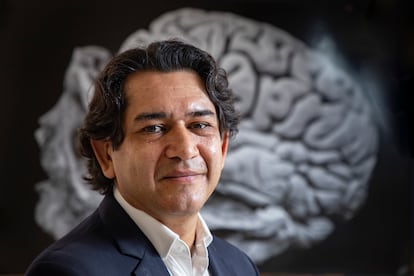
México – SEP 21, 2025 – 06:00 CEST
It was a patient with psychosis who shaped Camilo de la Fuente’s professional career. Who would lead him to become obsessed with unraveling the link between certain brain alterations and that loss of contact with reality, to design new ways to predict the success of schizophrenia treatment, and to revolutionize its approach. It was a patient with psychosis who would lead him to become the renowned neuroscientist he is today. “I was doing a psychiatric internship, and I was fascinated. It made me ask questions, also on a philosophical level: Why does this patient hallucinate this and another hallucinate something else?” he explains.
Fueled by the desire to better understand the complex relationship between the psyche and the brain, the young man would seize a unique opportunity. At the time, the National Institute of Neurology and Neurosurgery had the first high-field MRI machine in Mexico City. “I arrived as a master’s student in the Neurology department, and they gave us the chance to use the equipment. And that’s where I sayed. It was a coincidence of life,” he recalls.
Now 53 years old, De la Fuente was just one year old when he arrived in Mexico in 1973 with his parents, Chilean exiles. “My father was a congressman in the [Salvador] Allende government; we had to flee because of the military coup. Our plane was the last one carrying refugees to leave,” he says. That flight severed diplomatic relations between Mexico and Chile, and ended his father’s scientific career overnight. He describes his father as “a very peculiar person” who studied Internal Medicine and later “conducted pioneering research in Gynecology.” De la Fuente inherited his scientific vocation and passion.
Pioneering studies
In 2000, De la Fuente began applying spectroscopy techniques to better understand the chemical processes underlying psychosis, something that had never been done before in Mexico. The results revealed neurochemical alterations that were impossible to detect clinically, providing a new understanding of the mechanisms of early psychosis, which may be an early sign of schizophrenia.
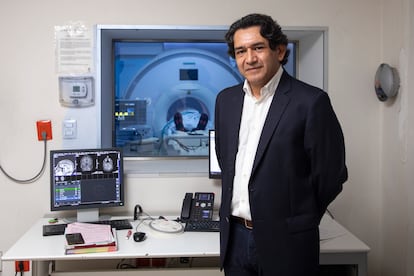
It’s estimated that of the million people living with this disorder in Mexico, about 250,000 don’t receive the necessary care — neither pharmacological nor psychiatric. And many of those who do receive treatment don’t respond to treatment.
“The vast majority of antipsychotic medications act at the dopamine receptor level. They completely or partially block a receptor for this neurotransmitter, and after a few weeks, certain symptoms improve,” he explains. “Why does a hallucination improve when a dopamine receptor is blocked?” “Nobody knows that. But the effect of antipsychotics, which have been available for 70 years, is known.”
These drugs, however, act only on certain symptoms of schizophrenia. The so-called positive symptoms, which distort reality: hallucinations, hearing voices that aren’t real, a sudden interest in religious or metaphysical themes, seeing strange and meaningless things that others don’t, delusional ideas, “this feeling of being persecuted, for example. These are the symptoms that improve,” explains De la Fuente. Then there are the negative symptoms: “isolation, lack of will to do things, and cognitive symptoms: attention and concentration problems. The medication doesn’t do much for these,” he clarifies.
To better understand the effects of antipsychotics, he decided to focus on studying what was happening in the caudate nucleus, a brain region of great importance in psychosis. This is precisely where the drugs act, blocking a dopamine receptor — a key chemical in the brain’s reward system, whose imbalance underlies various neurological and psychiatric disorders. Through pioneering imaging studies in Mexico, De la Fuente investigated its relationship with another key brain neurotransmitter: glutamate.
Previous research had linked the development of schizophrenia to alterations in the glutamatergic neurotransmission system, suggesting that dysregulation in the interaction between these two substances could explain the emergence of symptoms. “Based on this, it seemed logical to analyze, through spectroscopy studies, how glutamate was positioned at a site where medications act,” explains the neuroscientist.
A unique early intervention clinic in Mexico
Those early studies revealed that where there was a lot of dopamine, there was a lot of glutamate. “That was the first big clue,” he reveals. Following the results of that discovery, the Manuel Velasco Suárez National Institute of Neurology and Neurosurgery created the Experimental Psychiatry Laboratory, which De la Fuente now directs. There, his team develops imaging markers to guide treatment selection for first-episode psychosis.
In this outpatient emergency clinic, early care is provided to all kinds of young people with psychotic symptoms through a comprehensive approach — a service unique in Mexico. “And it’s free,” says De la Fuente. Patients undergo CT scans “that can give us clues about the existence of any structural alteration. Inflammation markers are also checked, which provide a wealth of information about an infection,” he explains.
Approximately 8% of patients who present with psychosis have a secondary cause. “It can be caused by a brain defect, an autoimmune disease, a thyroid problem… To make a good diagnosis, everything must be thoroughly examined, because the easiest way is to label it schizophrenia,” explains the expert.
Patients who come to his service also undergo an MRI to measure glutamate levels and a neuropsychological study within 24 hours. “Treatment begins that same day and is followed up. Something that isn’t done anywhere else in the country,” says the neuroscientist, proud of his contributions to clinical research on a disorder that remains so little understood.
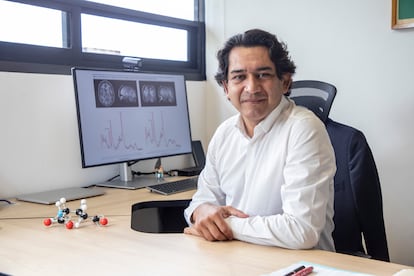
What is known about schizophrenia is that experiences of abuse or trauma during childhood can increase the likelihood of developing it, as can living in a large city or having to migrate — possibly due to stress and discrimination. Poverty can be both a consequence and a cause in genetically predisposed individuals. If one parent has the disorder, the likelihood of it appearing in offspring rises by 17%; if both parents are affected, susceptibility in children increases to 50%. Prevalence is similar between sexes, but in men it typically appears earlier, between ages 16 and 25, and in women between 20 and 30. The reason for this is unclear, though hormonal factors have been suggested, reveals De la Fuente.
Prompt treatment after the first acute episode is crucial, as most of the neurophysiological changes related to the disorder occur at that stage. Early intervention is precisely the key to De la Fuente’s clinic, whose findings open unprecedented possibilities for personalized treatment and illuminate a path to tackle two major challenges in Mexico: “implementing primary care models in the country, and above all, this emphasis on differential diagnosis,” he points out.
The ability to provide patients with optimal treatment from the start represents a paradigm shift in effective intervention for young people experiencing psychosis. “And they don’t always have schizophrenia. A term that is incorrect,” the neuroscientist asserts.
In his view, under that label are “different conditions that medicine still cannot distinguish. There may be ten patients with the same diagnosis who are nothing alike. Some with hallucinations but cognitively intact; others with severe cognitive problems but no delusions.”
For this reason, he argues, one of the major challenges is understanding the causes of the various symptoms of psychosis. “And if we don’t understand it, we shouldn’t call it schizophrenia, but something else. We need to study the neurobiology of psychotic disorders carefully, because even among doctors, there is a large gap in knowledge. Problems that aren’t schizophrenia are often diagnosed as such, which creates even more stigma,” says De la Fuente, who last year received the prestigious Global Schizophrenia Award from the Schizophrenia International Research Society. He is the only Mexican to have won it.
An accolade that would have made his father, now deceased, very proud. “For him, it was very meaningful to see that I was dedicating myself to what his own career, cut short by exile, could not achieve,” he confesses.
A dictatorship halted one scientific career but fostered another — one that is revolutionizing our understanding of a crucial scientific field: deciphering what sets us apart from other animals and exploring the corners of the brain where our sense of self, the human mind, resides
Sign up for our weekly newsletter to get more English-language news coverage from EL PAÍS USA Edition
Posted in Uncategorized
Tagged anxiety, depression, health, mental-health, schizophrenia
Leave a comment
A:JAZEERA: North Korea ‘is in its strongest strategic position in decades’, US military intelligence said in May.
Kim Jong Un declares AI military drone development a ‘top priority’
North Korea ‘is in its strongest strategic position in decades’, US military intelligence said in May.

Published On 19 Sep 2025
Click here to share on social media
North Korea’s Supreme Leader Kim Jong Un has said the use of artificial intelligence is a “top priority” in modernising his country’s increasingly sophisticated weapons technology and building up drone capabilities, state media reports.
During a visit to the Unmanned Aeronautical Technology Complex in the capital Pyongyang on Thursday, Kim presided over performance tests of multipurpose drones and unmanned surveillance vehicles, North Korea’s Korean Central News Agency (KCNA) said on Friday.
Recommended Stories
list of 4 items
- list 1 of 4 South Korea hosts US, Japan for joint air and naval exercise Freedom Edge
- list 2 of 4 Russia launches cruise missiles in Zapad 2025 military drills with Belarus
- list 3 of 4 North Korea getting a raw deal on support for Russia’s war: Report
- list 4 of 4 South Korean prosecutors seek arrest of ‘Moonies’ leader in bribery probe
end of list
According to KCNA, the North Korean leader emphasised “rapidly developing the newly-introduced artificial intelligence technology” as a “top priority” in order to increase his military’s unmanned weapons systems.
Kim also called for “expanding and strengthening the serial production capacity of drones”.
The visit to the aeronautical complex comes just a week after Kim oversaw another test of a new solid-fuel rocket engine designed for intercontinental ballistic missiles, which he hailed as a “significant” expansion of Pyongyang’s nuclear capabilities.
North Korea’s military power includes nuclear-armed ballistic and cruise missiles, an increasing stockpile of nuclear weapons and a nascent spy satellite programme, according to the United States Defense Intelligence Agency (DIA).
North Korean active duty personnel now number an estimated one million troops, and are supplemented by more than seven million reservists – out of a population of roughly 25.6 million.

The country’s level of AI development is less certain, however.
One report from independent analysis group 38 North found North Korea has engaged in cross-border collaborative AI research with academics in the US, China and South Korea despite sanctions, suggesting it has undertaken “substantial efforts” to catch up in the AI race.
Those efforts have largely relied on China, one of the world’s most dominant AI players, the 38 North report added.
Sign up for Al Jazeera
Breaking News Alert
Get real-time breaking news alerts and stay up-to-date with the most important headlines from around the globe.Subscribe

By signing up, you agree to our Privacy Policy
protected by reCAPTCHA
While Pyongyang has long depended on China politically and economically, under Kim, it has steadily sought to strengthen its relationship with Russia.
Last year, Kim and Russian President Vladimir Putin signed a mutual defence treaty that raised eyebrows in the West.
Pyongyang may not have benefitted as handsomely as Moscow from the deal.
A German think tank recently reported that while North Korea has provided nearly $10bn in weapons to Moscow, along with tens of thousands of soldiers to help Russian forces battle Ukraine, it has only received some $457m to $1.19bn in return.
Moscow’s aid has consisted mainly of food, fuel, air defence systems and possibly some fighter aircraft for North Korea.
Earlier this month, Kim appeared in Beijing with both his Chinese and Russian counterparts – President Xi Jinping and President Putin – in what analysts viewed as a stark display of North Korea’s desire to take up the world stage.
In May, the DIA reported that North Korea “is in its strongest strategic position in decades, possessing the military means to hold at risk US forces and US allies in Northeast Asia, while continuing to improve its capability to threaten the US”.
For his part, Kim has panned joint US-South Korea drills as “a rehearsal of a war of aggression” against his country.
The Deep Mind: Neuralink’s speech-restoring device set for October trial. Comment: In my life, I knew a person very well who one day was at the Races and the following day she had a stroke and for nearly 10 years she had to have full-time care and worst of all she had no words, she could not speak. Then we all know the mammoth efforts of Charlie Bird … health is wealth but now there is hope so keep the curiosity in motion and seek answers, because if not already in place they are in the pipeline
HEALTH CARE  It’s the stuff of science fiction, but this isn’t “Star Trek,” and it’s no longer fiction as Elon Musk’s Nearalink gears up to test another brain chip device, this time for those who have lost their ability to speak. Neuralink will start a clinical trial of its newest device designed to restore speech as early as next month, according to a new report.In May, Elon Musk’s brain implant company received FDA Breakthrough Designation for its implanted brain-computer interface technology that the company said will let those with speech disorders communicate again by recording and decoding brain signals to turn thought into speech or text. A link to join Neuralink’s patient registry to be part of the clinical trial is still live on the company’s website. During a lecture at the Korea Foundation for Advanced Studies in Seoul last week, Neuralink’s president and COO DJ Seo discussed the project as part of his presentation, Bloomberg reported. Seo said the device could translate imagined speech into actual words. Founded in 2016, Neuralink has been busy the past two years. In January 2024, the company successfully completed its first chip implant in a human brain, followed by a second patient receiving an implant eight months later. And in September that year, Neuralnik received Breakthrough Device Designation from the FDA for its eye-sight restoring device Blindsight. Since then, the pace has only accelerated. Here’s a look at some of Neuralink’s 2025 milestones: April: Musk said the first patient will receive Neuralink’s Blindsight, this year May: Brad Smith, the first nonverbal recipient of a Neuralink brain chip, released a video sharing how he was able to create, edit and narrate a video using the brain computer interface. Smith has ALS June: Company announces it raised $650 million in a series E funding round July: Neuralink starts recruiting for its first clinical study in Great Britain September: Two Canadian patients with spinal cord injuries received brain chip implants  What once sounded like science fiction is now in human trials. While Neuralink grabs headlines thanks to Musk, it’s far from alone. Just last month, Sam Altman announced he was co-founding Merge Labs, a brain interface startup that puts him in direct competition with his longtime rival. That rivalry could fuel faster breakthroughs, and with other players like Synchron in the mix, the race is on to reinvent not only how we interact with technology, but how technology helps us interact. |
Cutting out lymph nodes may cut cancer treatment success. Comment: 2017/18 treatment for breast cancer … now a survivor. Professor Crown … thank you. Quote: Doherty Institute: “Preserving lymph nodes could strengthen immune responses and increase the effectiveness of immunotherapy.”

Cutting out lymph nodes may cut cancer treatment success
By Paul McClure
September 20, 2025

Lymph nodes are important for helping the immune system fight off cancer
Depositphotos original extended using Firefly
View 3 ImagesView gallery – 3 images
New research shows lymph nodes aren’t just cancer bystanders, they’re the command centers fueling immune attacks. Surgically removing them along with tumors may weaken treatment, while preserving them could supercharge it.
It’s been standard procedure to surgically remove lymph nodes as part of cancer treatment for roughly a century – for example, in the case of breast cancer, removing the breast and the lymph nodes from the armpit that’s closest to the cancer. The reason is to remove the potential for cancer spread.
But two recent studies by researchers at The Peter Doherty Institute for Infection and Immunity (Doherty Institute), a joint venture between the University of Melbourne and the Royal Melbourne Hospital, have demonstrated why preserving lymph nodes could improve patient outcomes and make immunotherapies more effective.
“Lymph nodes aren’t just passive waiting rooms for immune cells, they actively train and educate T cells, and send them off to do their job,” said Professor Axel Kallies, PhD, Laboratory Head at the Doherty Institute and the corresponding author on both studies. “Our research suggests that removing lymph nodes during cancer surgery, a common practice to prevent tumor spread, may inadvertently reduce the effectiveness of treatments, such as checkpoint blockade and CAR T cell therapies. Preserving lymph nodes could strengthen immune responses and increase the effectiveness of immunotherapy.”
But what are lymph nodes, and what do they do? Lymph nodes are small, bean-shaped organs scattered throughout the body that act as checkpoints of the immune system. They filter lymph fluid, which drains from tissues, trapping and destroying germs, cancer cells, and other harmful material. Inside, lymph nodes are packed with immune cells like T cells, B cells, and dendritic cells that communicate, train, and multiply in response to threats.
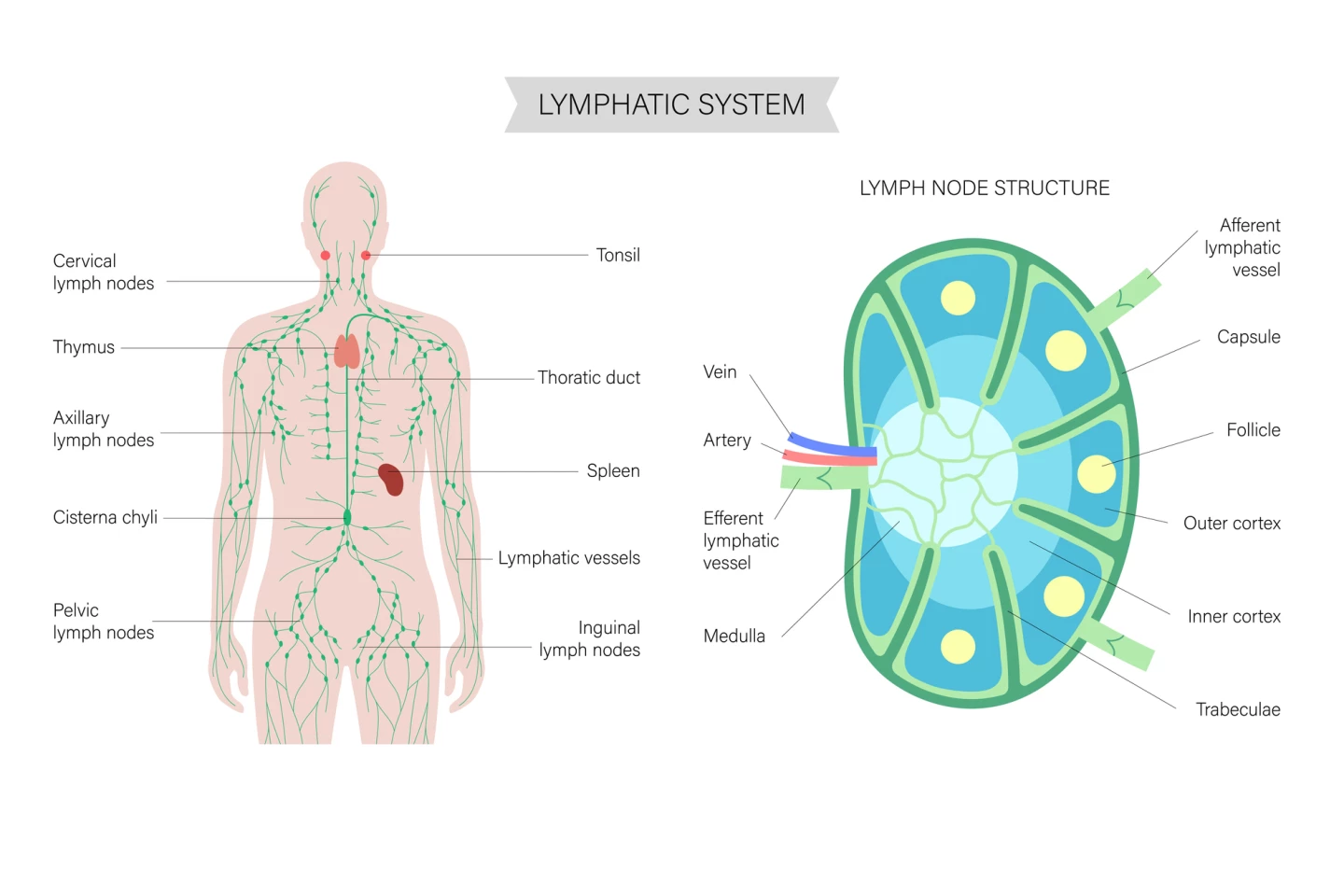
In normal health, lymph nodes are where immune responses are launched: they’re the places where incoming danger signals are processed, immune soldiers are activated, and fresh waves of defenders are sent out to fight infections or abnormal cells. So, let’s unpack what the two studies found.
Study 1
The researchers looked closely at key cancer-killing immune cells called CD8+ T cells, also known as cytotoxic T cells. CD8+ T cells work to recognize specific antigens on target cells, the “flags” of infection or cancer, then induce cell death through various mechanisms. In this study, the researchers used advanced techniques in mice and also checked human cancers. They found that inside tumors, T cells become exhausted and develop into tissue-resident cells that don’t move much and don’t contribute strongly to fighting cancer.
In contrast, special “stem-like” T cells in the draining lymph nodes, the ones connected to the tumor area, act as a supply line, sending in fresh troops of killer T cells to the tumor. These lymph node T cells are essential for responding well to immunotherapy like checkpoint blockade, which is used to block “checkpoint” proteins on immune cells and cancer cells that allow cancer cells to evade immune detection. A molecule called TGFβ forces tumor T cells into becoming “stuck” residents, which reduces the pool of useful lymph-node-based stem-like T cells.
Plain English takeaway: The immune system’s real cancer-fighting power comes from lymph nodes, not from the tumor itself. Whereas tumor T cells get bogged down, lymph node T cells provide the long-term reinforcements. If lymph nodes are removed during surgery, the body loses this supply line and immunotherapy is less effective.
Study 2
In this study, an extension of the first, the research team studied how T cells behave during chronic infections and during checkpoint blockage therapy. They traced how T cells develop in different immune system organs.
Lymph nodes were found to provide a special environment that nurtures stem-like T cells and helps them mature into effective “soldier” T cells. This process depends on a gene regulator called KLF2, and it’s supported by migratory dendritic cells in lymph nodes that keep presenting antigens. Without lymph nodes, this whole production line of turning stem-like T cells into effective cancer-fighting ones breaks down. During checkpoint blockade therapy, lymph nodes are where the big T cell expansion starts, fueling the body-wide immune attack.
Plain English takeaway: Lymph nodes act as training and launch pads for important immune cells. They take raw stem-like T cells, develop them into effective fighters, and release them into circulation. This process is critical for both fighting chronic infections and making cancer immunotherapies work effectively.
“Our research identifies molecular signals that are involved in the regulation of stem-like cells and in their capacity to produce effective killer cells,” said Carlson Tsui, PhD, a postdoctoral researcher at the Doherty Institute and the lead author on the second study. “These findings could guide the development and refinement of immune-based treatments for cancer and chronic infection.
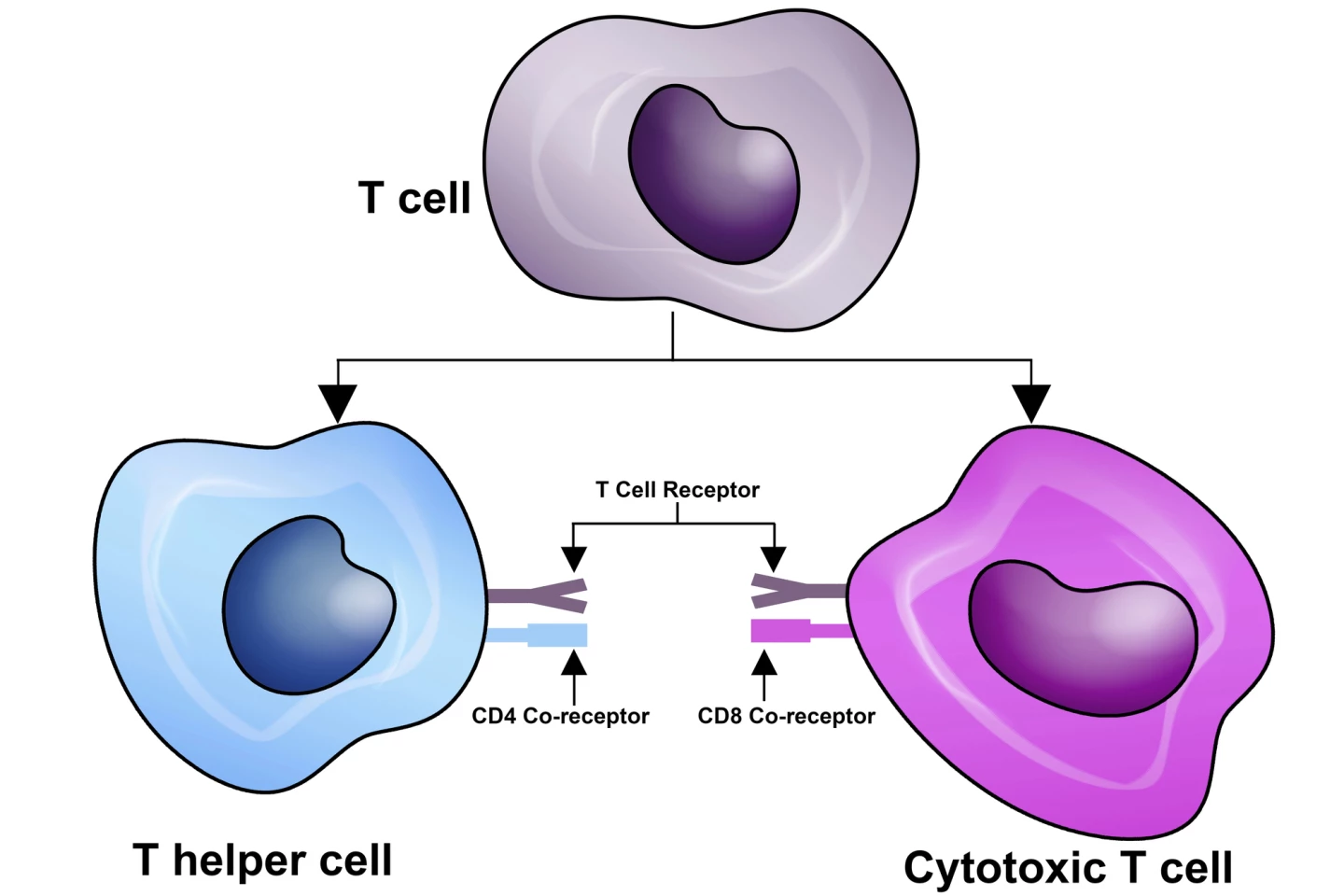
“Furthermore, our research shows that rather than only focusing on the tumor itself, therapies should also be designed to preserve and enhance lymph node function. By targeting these critical immune hubs, we could boost the body’s natural ability to fight cancer, increase the effectiveness of existing immunotherapies and help more patients respond to treatment.”
Together, these two studies provide a greater understanding of how lymph nodes affect immune responses. They will guide future treatment strategies, which, in turn, will improve patient outcomes.
Both studies were published in the journal Nature Immunology. Study 1 was published on 29 July 2025, and Study 2 was published on 15 September 2025.
Source: Doherty Institute
Eddie Hobbs Centrepoint: Who really pulls the strings behind global finance and politics? Meeting with Nick Hudson, South African Actuary, private equity leader and founder of PANDA
Posted in Uncategorized
Leave a comment
GZERO: Can the UN reform before it’s too late. 80 years and the UN
The world is on fire and the UN is running out of money
The world is in crisis—and as the United Nations turns 80, it is running out of time and money to respond. Secretary-General António Guterres joins the show.
Posted in Uncategorized
Leave a comment

