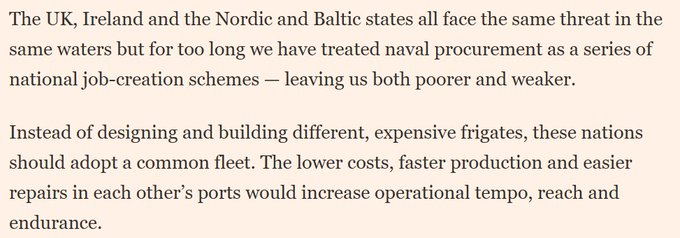
Threats to undersea infrastructure are now getting massive, almost daily attention. So reassuring to know from yesterday’s Sunday Times interview that Ireland’s spooks have it all under control. https://ft.com/content/98640358-c166-4f1b-a1da-b37170aabf99
As generative AI seeps into virtually every aspect of our daily lives through jobs, entertainment, and even food, you gotta wonder: is anyone not on board with the AI takeover?
Apparently not. Former McKinsey analyst turned Dartmouth University professor Scott Anthony told Fortunethat one of the feelings he’s seeing more and more among college students isn’t excitement for the AI future, but utter terror.
“One of the things that really surprises me consistently is how scared our students are of using it,” Anthony said of large language models (LLMs). The fear isn’t just over typical academic issues like cheating, he told Fortune, but about losing their critical thinking skills to the machine — they’re “scared full stop.”
“There’s something about AI where people, I think, worry that they’ll lose their humanity if they lean too much into it,” Anthony explained. “History teaches me very clearly that in the middle of a change like this, it’s very messy.”
The Dartmouth prof contrasted his student’s anxieties to those of his fellow tenured professors, who are typically eager to try out the latest LLM software. It’s not hard to see why this is the case — with a cushy gig at one of the nation’s elite universities, Dartmouth faculty are free from the economic horror story that is the AI boom. For students entering today’s job market, the future looks far less secure.
But even beyond career viability, students’ anxieties that AI use could make them dumber aren’t unfounded. One headline-inducing study from MIT earlier this summer split participants into three groups to compete tasks like writing essays: one which used LLMs, one which used common search engines, and one “brain only group.”
Compared to the other groups, the researchers found that the LLM group had an easier time writing their essays, though this “came at a cognitive cost, diminishing users’ inclination to critically evaluate the LLM’s output or ‘opinions,’” the paper explained. Basically, the group using AI gravitated toward an echo chamber moderated by AI, not by their own brains.
On top of that, participants in the brain-only group reported “higher satisfaction” with their essays, and “demonstrated higher brain connectivity” than the others.
In other words, it seems Gen Z has a right to be scared.
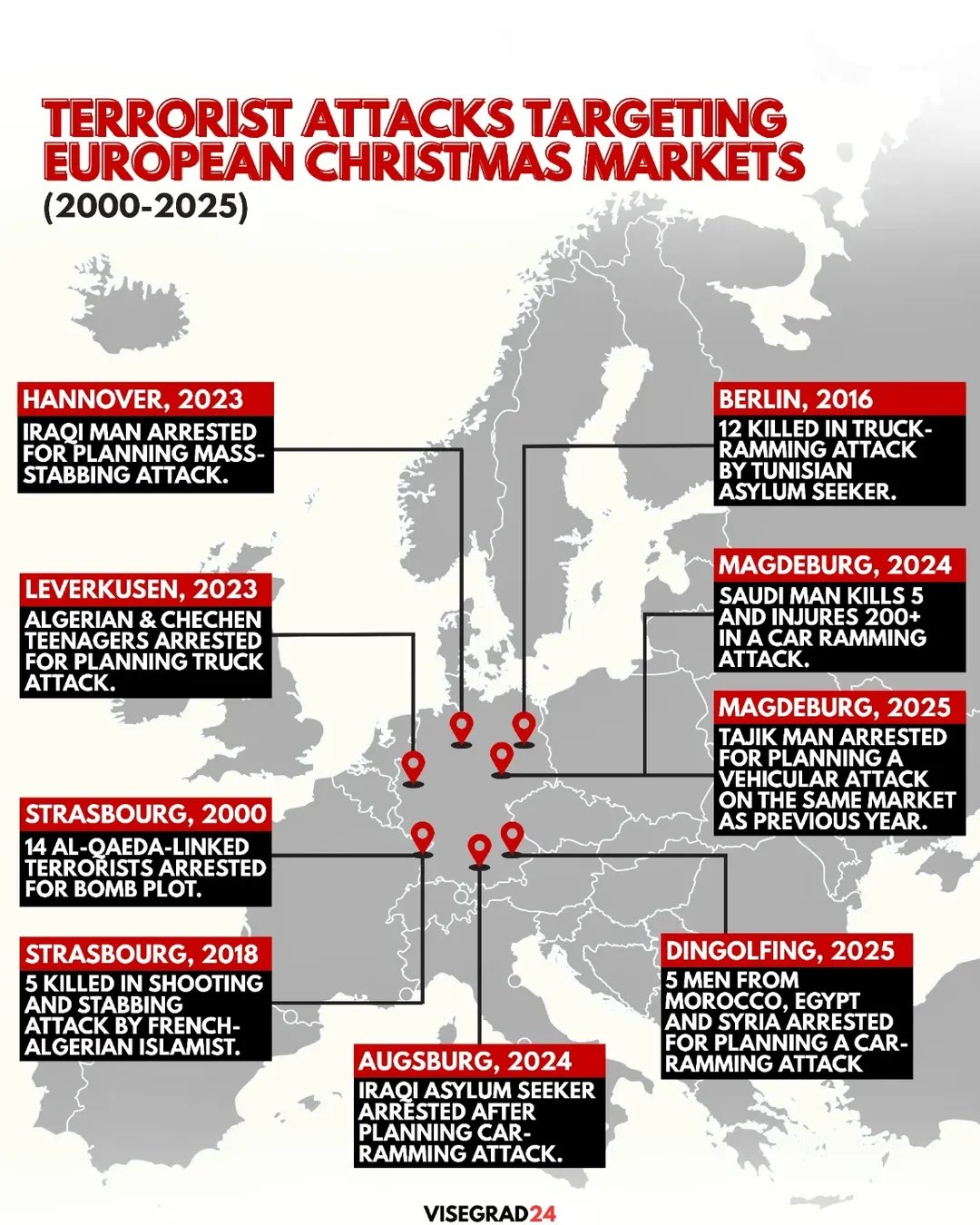
9 times foreigners carried out or tried carrying out mass-murders at European Christmas markets Without mass-immigration, Europeans would be able to visit Christmas markets in peace
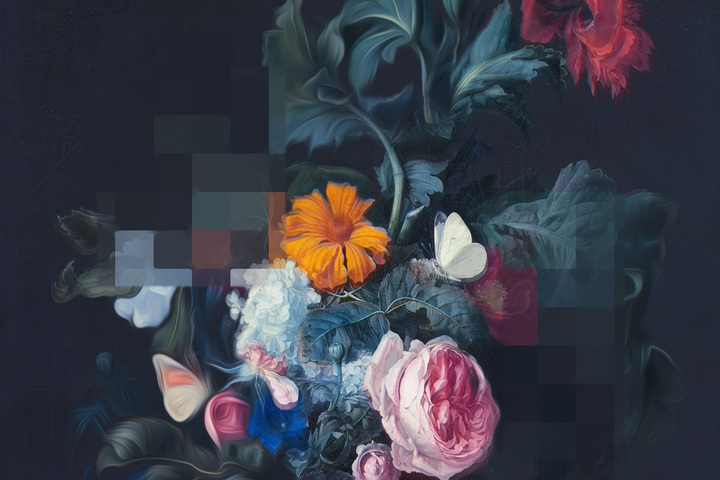
Illustration by Tag Hartman-Simkins / Futurism. Source: Willem van Aelst
For hundreds of years, humans have engaged in the fine craft of art forgery. Indeed, in 1496, a 21-year-old Michelangelo faked a piece of a Roman sculpture, passing it to the Roman antiquarian Cardinal Raffaele Riario to make a quick buck.
To pull off the con,the young Florentine artist rubbed acidic loam — dirt, basically — onto his own sculpture fragment in order to pass it off as one of the ancients. Had he been born a few hundred years later, he might have used ChatGPT.
New reporting by the Financial Timesdetails the recent rise in art forgeries fueled by generative AI tools. Specifically, the outlet reports that art owners are using documents generated by AI in order to “prove” the authenticity and provenance of various pieces, to the frustration of fine art underwriters and brokers.
In the art world, provenance is the record of ownership of a specific piece, allowing collectors and art brokers to trace a work’s lineage.
“Chatbots and large language models [LLMs], are helping fraudsters convincingly forge sales invoices, valuations, provenance documents and certificates of authenticity,” Olivia Eccleston, a fine art broker at insurance firm Marsh McClennan, told the FT.
According to Eccleston, AI has “added a new dimension to an age-old problem of fakes and fraud in the art market.”
One insurance adjuster who spoke to the publication says they were sent dozens of certificates as part of a loss claim on a large collection of paintings. Though the documents “seemed convincing,” clues in the metadata led the adjuster to conclude that the entire art collection was a fake.
Interestingly, the FT notes that only a portion of documented AI use for fraud was intentional. In other cases, collectors used AI to find provenance of various works in reference databases — results that the tech hallucinated.
One analyst at art research firm Flynn and Giovani called AI in that context “quite conniving,” saying it “has to come up with an answer, so if you give it enough information, it will guess something.”
While adjusters are also utilizing AI to help keep up with the rising tide of fakes, Grace Best-Devereux, a claims adjuster at the claims investigation firm Sedgwick, told the FT it’s becoming difficult to stay ahead of the curb, given the ease with which fraudsters can now fake highly-probable documents.
“We’re at this precipice where it might not be possible for me to look at it and say ‘the text looks wrong, and I need to investigate this further,’” she said.
Dr Gad Saad 👏 on academia. 💥 Why some of the dumbest ideas come from universities. “It takes intellectuals to come up with some of the dumbest ideas.” Ain’t that the truth! 💯 pic.twitter.com/gbtZmSehq4