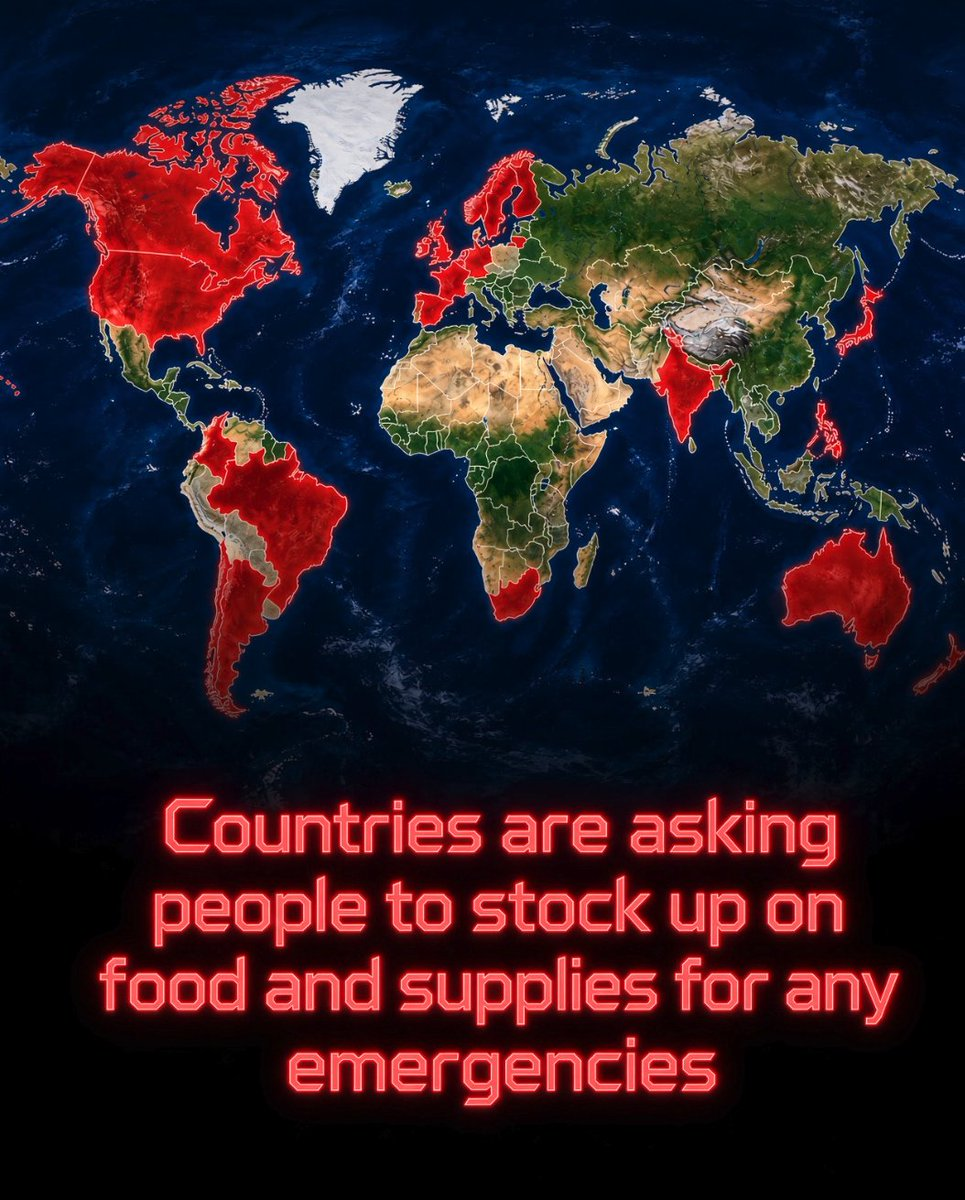
Many public authorities currently recommend that citizens maintain emergency stockpiles inside their residences. Across several regions in North America and Europe, official agencies advise families to keep a reserve of water, food, and vital provisions to ensure self-sufficiency if critical infrastructure fails during an unexpected crisis.
Specific duration targets vary significantly by nation. For instance, Canadian and French guidelines suggest preparing for a minimum of seventy-two hours, a standard closely mirrored by readiness advice in the United States which encourages stocking resources for several days. Other European countries advocate for longer preparation periods, with Sweden recommending at least one week of self-reliance and Germany suggesting ten days of food and liquids while noting that even a three-day supply offers meaningful protection.
These precautionary measures address a wide array of potential threats, including military conflicts, severe weather anomalies, and hostile cyber operations capable of disabling societal networks. A single major event like a destructive flood, severe blizzard, or electrical blackout can simultaneously compromise multiple vital sectors. Consequently, roads often become blocked, commercial deliveries cease entirely, and residential areas frequently lose access to electricity or municipal water systems.
Physical storefronts may become unreachable during these disruptions, and digital financial transactions or communications networks can experience widespread outages. Maintaining a residential reserve serves as a critical buffer, sustaining individuals until external assistance arrives or municipal infrastructure is fully repaired.
Standard preparedness kits typically feature potable drinking water, non-perishable food items, necessary prescription medications, flashlights, battery-operated radios, backup power cells, and manual tools for opening cans. Families are urged to customize these kits to accommodate infant care, domestic pets, specific medical diets, and unique personal requirements.
Importantly, these long-standing recommendations apply broadly to various systemic vulnerabilities and do not signal an impending global catastrophe. Most of this guidance reflects well-established civic policies rather than a sudden or newly coordinated international alert. The fundamental advice remains to build these provisions incrementally over time, store them in accessible locations, and routinely inspect them for freshness.