
Minerva builds a bomb-disposal humanoid
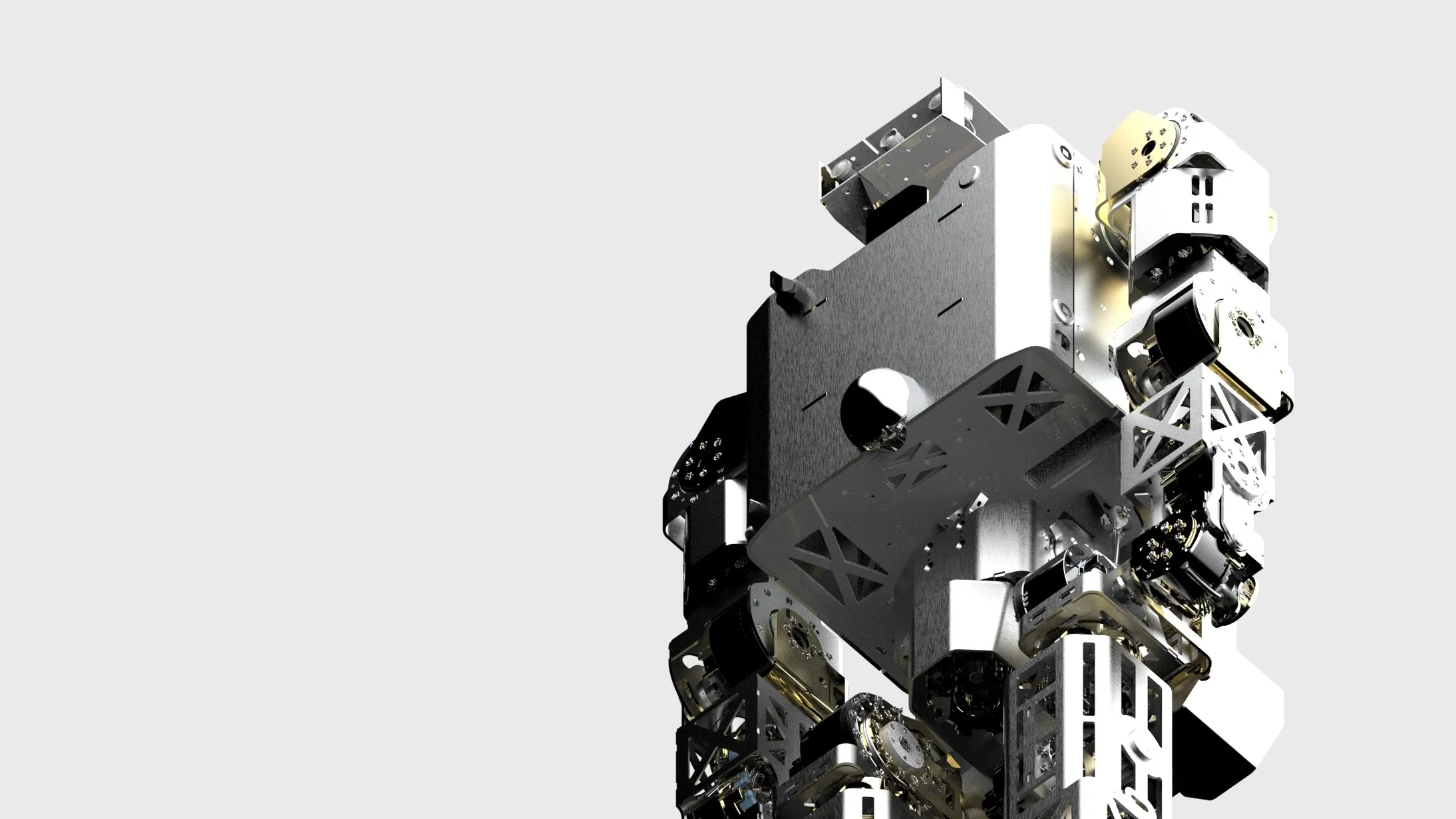
Image source: Minerva Humanoids
The Rundown: San Francisco–based robotics startup Minerva Humanoids left stealth this week with ~$10M in pre-seed funding led by General Catalyst — and Roger, a VR-piloted humanoid built for bomb disposal, hazmat calls, and offshore rigs.
The details:
- A specialist wears a VR headset, sees through Roger’s eyes, and handles fine manipulation; an in-house AI runs balance, navigation, and fall recovery.
- Minerva says its humanoid went from idea to walking prototype in five months; software comes mostly from the U.S., with prototypes built in Germany.
- CEO Sandor Felber worked on Tesla’s Optimus and humanoid research at MIT; CTO Maurice Rahme spent 6 years at Boston Dynamics as a tech lead.
- Paid pilots in energy and explosive ordnance disposal (EOD) start this fall, after a demo at NATO’s EOD Centre of Excellence in Slovakia.
Why it matters:
Many bomb-disposal robots are tracked vehicles with a single manipulator arm, and Minerva argues that tasks requiring two-handed dexterity can still force a technician in a bomb suit to approach a device in person. Minerva wants specialists doing that type of dangerous work through Roger from a safe distance.
AGILINK
🪡 Agilink teaches a robot hand embroidery

Image source: Agilink
The Rundown: AgiBot spin-off Agilink brought in Suzhou embroidery master Fu Xianghong to train its OmniHand 3 Ultra, and the hand can now split silk thread, thread a needle, stretch fabric on a hoop, and stitch — the basics of a 2,500-year-old craft.
The details:
- One finger separates the 16 silk strands while the others hold tension, and the fingertips stay in contact as the thread twists.
- The hand combines 21 active degrees of freedom and a fully direct-drive design, with no tendons or transmissions.
- Training paired human teleoperation data with reinforcement learning; Agilink says the hand independently completed a continuous twist-and-pickup maneuver.
- The company says it has shipped 15K+ dexterous hands since spinning out of AgiBot in January and passed a $1B valuation in June.
Why it matters:
LinkerBot’s L30 Pro mimics human anatomy, while Boston Dynamics dropped Atlas’s pinky after engineers spent a day with their ring and pinky fingers bound to test the trade-off. Agilink’s silk demo highlights the shared challenge: giving robots the touch and control to turn impressive dexterity into reliable, useful work.


