
 English
Mad in America SCIENCE, PSYCHIATRY AND SOCIAL JUSTICE
Clancy’s Lawyer Blew the Chance for Lindsay to Go Free
September 15, 2026
In my July 17, 2026 post “In the Lindsay Clancy Case, Polypharmacy Will Be on Trial,” I included a question that I hoped the jury in Plymouth County, Massachusetts would ultimately address:
Is there any possibility that Lindsay Clancy, known by her friends and co-workers as a loving mother, would have killed her children if not for the intoxicating effects of the multiple psychiatric drugs she was on?
In 2023, I talked with Lindsay and her now ex-husband Patrick, and they’re both adamant that their three children Cora, 5, Dawson, 3, and eight-month-old Callan would still be alive if she never took that first pill, Zoloft, which was prescribed by a psychiatrist to help her deal with anxiety about returning to work as a labor and delivery nurse at Massachusetts General Hospital after her maternity leave ended.
Lindsay and Patrick strongly believe that the side effects of Zoloft, and side effects from 10 other different medications Lindsay was prescribed over the four months leading up to homicides, caused her to take the lives of their three young children on January 24, 2023.
On July 27, I was at Lindsay’s first-degree murder trial for the opening statements by Jennifer Sprague, assistant district attorney, and Lindsay’s defense lawyer, Kevin Reddington. The number of prescription drugs Lindsay was taking in the four months leading up to the homicides was an important part of both statements, and central to Reddington’s opening.
During the trial, however, Reddington didn’t call a psychopharmacologist or neurotoxicologist as an expert witness to put polypharmacy on trial, so no credible evidence was presented to support an involuntary intoxication acquittal. The only toxicologist called as a witness was by the prosecution, who talked about the drugs that were in Lindsay’s blood at the time of her arrest.

The involuntary intoxication defense offered Clancy the possibility of a not-guilty verdict that would let her return to the community, and without state oversight. A successful involuntary intoxication defense is a “complete acquittal,” as the intoxication is judged to have been a transient event, with the jury thus finding that the defendant did not act with intent. In contrast, a successful not-guilty-by-reason-of-insanity defense will then lead to commitment to a psychiatric hospital for evaluation and treatment, without any specific end date for that commitment.
On August 20, after the jury left the courtroom, Reddington tried to influence Judge William Sullivan to include an involuntary intoxication option in his instructions to the jury. Sprague, who spoke first, argued against including that instruction:
Sprague: “In terms of the criminal responsibility instruction, we’re asking that the instruction regarding intoxication not be given because from our perspective there’s been no evidence of intoxication by drugs and/or alcohol during the killings.”
Reddington: “I don’t know if the government has been listening to the same evidence in this case. This is clearly an involuntary intoxication defense at least as far as the judge’s charge to the jury based upon the evidence that’s been presented, whether or not we would argue is the over-prescription of the medications, whether or not it’s the side effects of the medications, whether or not it’s the titration or the termination or the immediate cessation of the medications against what normal medical advice would be. All of those factors contributed to the state of mind of Ms. Clancy that was expressed to a lot of people.”
To support his involuntary intoxication argument, I thought Reddington was going to call a psychopharmacologist or neurotoxicologist as a witness, and then, on August 21, he rested his defense case. I was then hoping that he was being strategic and would call a psychopharmacologist or neurotoxicologist as a surrebuttal witness on August 26, and that didn’t happen.
On August 27, the day that the 12-person jury (9 women, 3 men) started deliberating, Judge Sullivan provided this instruction to them, which didn’t include an involuntary intoxication option:
“In deciding whether the defendant intended to kill the deceased, and whether she formed the intent with deliberate premeditation, you may consider any credible evidence that the defendant suffered from a mental impairment or was affected by her consumption of prescription drugs. A defendant may form the required intent and act with deliberate premeditation even if she suffered from a mental impairment or consumed prescription drugs.”
This instruction prevented the jury from considering the verdict of involuntary intoxication, which could have acquitted Lindsay.
During his closing argument on August 27, Reddington referred to one of his expert witnesses, Dr. Donald Condie, who is a forensic psychiatrist, also as a psychopharmacologist. From what I could find, Dr. Condie has never completed a fellowship, conducted research or published articles in psychopharmacology. He was not a credible expert witness on psychopharmacology, in my opinion.
Based on my understanding of Massachusetts law, if Reddington had called a psychopharmacologist or neurotoxicologist as an expert witness, Judge Sullivan would have had to include the option of an involuntary intoxication acquittal in his instructions to the jury because there would have been credible evidence, even if the prosecution had its own expert witness with an opposing view.
On September 4, after the jury had been deliberating for seven days and more than 38 hours, Judge Sullivan declared a mistrial because of a hung jury; 11-1 in favor of not guilty by reason of lack of criminal responsibility.
If there is a second trial for Lindsay, which we’ll probably find out about on September 29 at a court hearing, I hope Reddington or another trial lawyer, if she decides to change lawyers, puts a psychopharmacologist or neurotoxicologist on the stand.
Only with a credible expert witness will there be credible evidence.
***
Mad in America hosts blogs by a diverse group of writers. These posts are designed to serve as a public forum for a discussion—broadly speaking—of psychiatry and its treatments. The opinions expressed are the writers’ own.
Previous articleThe Hearing Voices Movement: A Movement of Stories, a History of the Movement
Next articleWhen Stopping Prescription Drugs Is Hard: Alicia Martin and the TaperMate Story
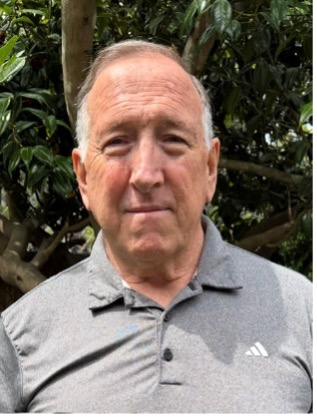
David Carmichael took the life of his 11-year-old son, Ian, in 2004, three weeks after starting the SSRI antidepressant Paxil. He was judged not criminally responsible on account of a mental disorder. In May 2023, David compared his story to Lindsay Clancy’s in the MIA blog post SSRIs, Lindsay Clancy, and Me. In October 2023, he provided some of Lindsay’s family, friends, former colleagues, and former neighbours with insight into his homicidal psychotic episode during a presentation in Duxbury, Massachusetts. David currently manages the Know Your Drugs global awareness campaign.


