
New Research Explores the Genetic Roots of Hair-Pulling and Skin-Picking, Connection to OCD
Author(s)Leah Kuntz
Listen
0:00 / 3:49
Key Takeaways
- Parent–child trio design tested overtransmission of genetic risk by comparing affected offspring genotypes with parental alleles, enabling inference beyond case–control association in BFRBs.
- Elevated inherited OCD polygenic scores in BFRB cases indicate shared polygenic liability with OCD, persisting despite absence of comorbid OCD and supporting common biology across OCRDs.
SHOW MORE
Yale trio-genomics study links hair-pulling and skin-picking to inherited OCD risk scores and rare DNA variants, hinting at shared brain pathways.
Tunatura/AdobeStock
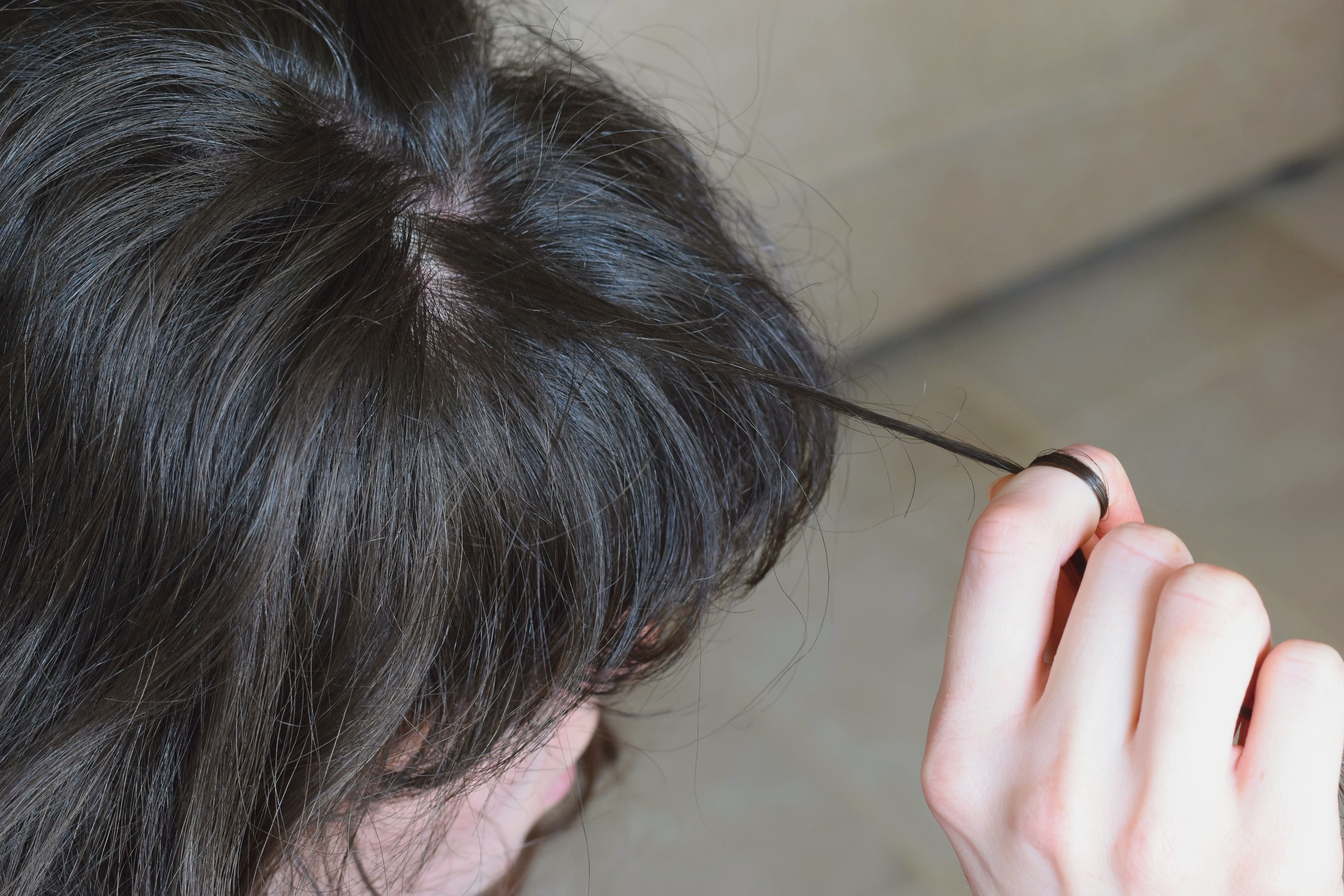
A recent Yale study took a closer look at trichotillomania (repeated hair-pulling) and excoriation disorder (repeated skin-picking), exploring potential genetic causes.1 The 2 disorders are considered body-focused repetitive behaviors (BFRBs), which according to the study investigators, affect roughly 1% to 3% of individuals. BFRBs commonly run in families, leading experts to believe that genetics may play a role.
The study—led by Emily Olfson, MD, PhD, assistant professor at the Yale Child Study Center—was designed to clarify what genetic factors might contribute to BFRBs, and whether BFRBs share genetic risk with obsessive-compulsive disorder (OCD). Trichotillomania and excoriation disorder are commonly grouped with obsessive-compulsive related disorders because they share symptoms and frequently co-occur. The study, which was recently published in Translational Psychiatry, is the first parent-offspring trio genomic study of trichotillomania and excoriation disorder.
Study Details
Olfson et al used a family-based approach called parent–child trios, meaning they collected DNA from a child (or adult offspring) with one of the disorders and both biological parents, then evaluated whether certain genetic risk factors are passed down to affected offspring more often than expected by chance.
More than 100 families participated in the study. Participants were recruited through The TLC Foundation for BFRB community, clinics, online outreach, and previous study participants.
“These recruitment efforts allowed us to meet many families affected by these conditions,” said the authors. “Talking with these families reinforced our commitment to better understand the causes of these understudied and often difficult-to-treat BFRBs.”
Conclusions
Investigators found that individuals with BFRBs were more likely than expected to inherit a higher OCD polygenic score from their parents. The investigators did clarify that this is not a “BFRB gene,” but a single number that summarizes the effects of many common genetic differences, each of which slightly increase risk. Notably, the additional inheritance of OCD-related genetic risk appeared even when the person with BFRBs did not also have comorbid OCD, demonstrating the shared biology.
Investigators also identified rare copy number variants (CNVs) in some individuals with BFRBs. These are stretches of DNA that are missing or duplicated, some of which have been identified in neurodevelopmental conditions.
Ultimately, this study demonstrates that repeated hair-pulling and skin-picking can have inherited risk, and are not a result of “bad parenting,” “attention-seeking,” or lack of self-control. Trichotillomania and excoriation disorder are legitimate disorders that require evidence-based care and support.
“These findings represent an important step forward toward understanding the genomic underpinnings of BFRBs. Future efforts leveraging larger BFRB cohorts may continue to deepen our understanding of trichotillomania and excoriation disorder genomics and pathophysiology,” concluded the investigators.1
References
1. Greenspun SR, Milanes I, Farhat LC, et al. A genomic study of trichotillomania and excoriation disorder in families. Transl Psychiatry. 2026;16(1):432.
2. Marchesseault C. New clues to the genetic roots of hair-pulling and skin-picking. Yale School of Medicine. August 21, 2026. Accessed August 31, 2026. https://medicine.yale.edu/news-article/new-clues-genetic-roots-of-hair-pulling-and-skin-picking/
You’re already subscribed
You already get Psychiatric Times.Manage preferences
|
Obsessive-Compulsive Disorders
|


