
How Canada decided to hurt its own economy, raise its inflation—and most Canadians approved because they’re so angry at Trump

By
Reporter
September 8, 2026, 4:36 PM ET
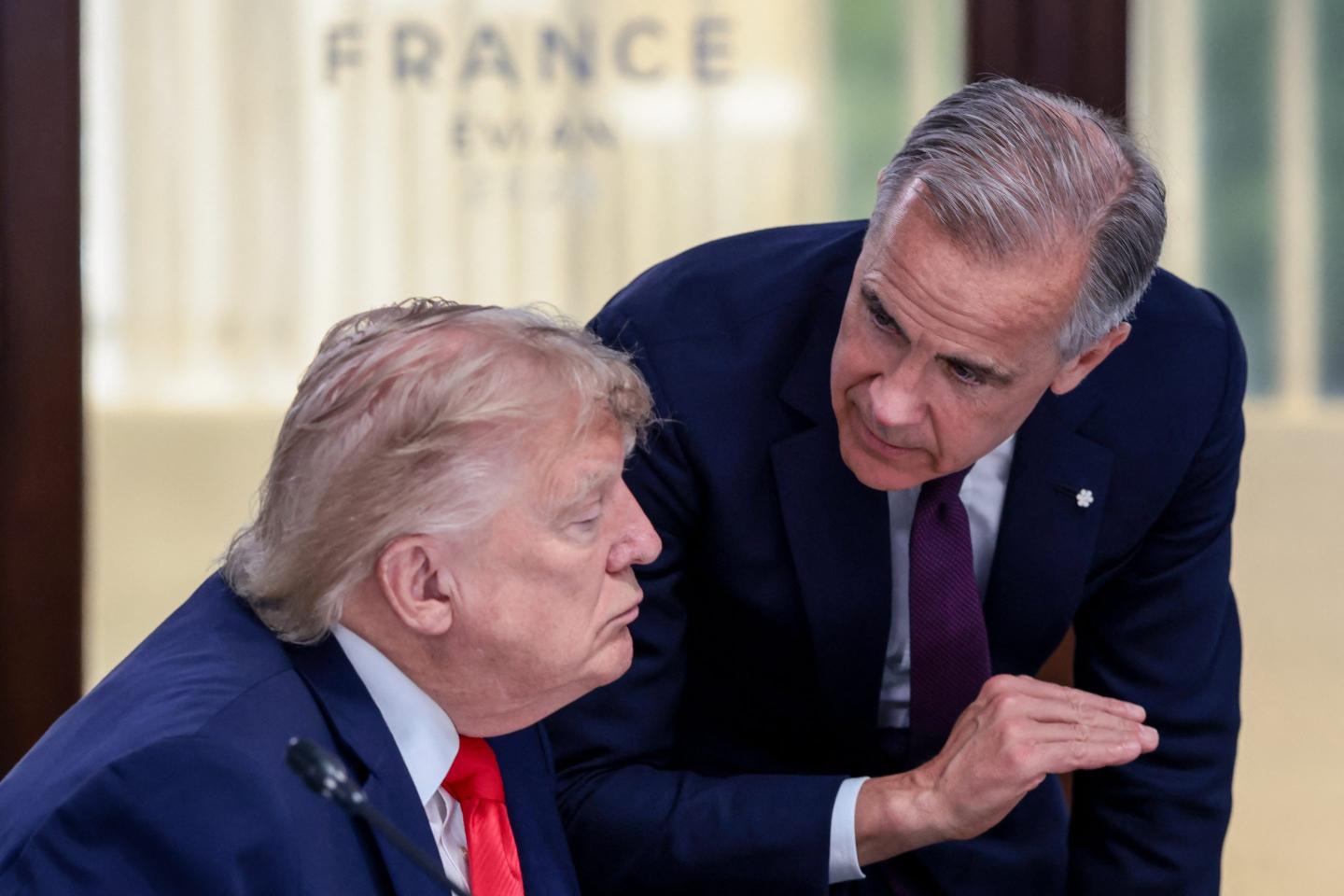
Canadian Prime Minister Mark Carney is imposing retaliatory tariffs on the U.S., despite economic risks.Evelyn Hockstein / POOL/AFP—Getty Images
Add Fortune on Google for similar content.Add us on Google
Economists are warning that Canadian Prime Minister Mark Carney’s “dollar-for-dollar” tariff strategy could mean some economic pain for the Great White North, but Canadians are so frustrated with the Trump administration they support the move anyway.
Recommended Video
Canada implemented retaliatory tariffs of 15% to 50% that took effect on Tuesday and will impact hundreds of U.S. goods, including paper, steel, aluminum, furniture, as well as cheese and seafood. The levies were in response to a breakdown of trade talks between the countries and the Trump administration’s piling on of tariffs on $20 billion worth of Canadian goods earlier this summer.
But the strategy of imposing steep import taxes on the U.S. could cause a phenomenon similar to what happened to American importers, where Canadians carry the burden of the tariffs. In a report published after Canada announced the tariffs on Aug. 25, Oxford Economics analysts warned that while the retaliatory tariffs may help protect some domestic manufacturers, it will also force Canadian businesses to absorb added business costs and increase consumer prices.
Canada depends on the U.S. buyers for about 70% of its exports, and the U.S. economy is about 13-times larger than Canada’s.
Oxford projected that Canada’s GDP will likely grow by 0.8% in 2026, but tariffs will reduce growth in 2027 by 0.2% to 0.3% relative to its August baseline calculations. It predicted inflation to increase by about 0.3% compared to the August 2027 baseline.
Canada’s retaliatory tariffs will most likely be felt in certain regions of the country, Oxford economists said. For example, Ontario, New Brunswick, and Quebec have the highest concentration of manufacturers impacted by the tariffs and rely the most on U.S. exports. British Columbia meanwhile has the highest percentage of its exports, 6.1%, subject to Section 338 Trump invoked to tax Canadian exports. Alberta, Newfoundland, and Saskatchewan—provinces that produce the most oil—will be less impacted on average.
“Canada’s new retaliatory tariffs will help some industries but hurt most and weaken economic growth across the country by raising costs for producers and consumers,” economists Tony Stillo and Michael Davenport wrote. “The macroeconomic impacts on Canada will likely be modest, but the regional and sectoral implications will be far more significant.”
What are the stakes for Canada in its trade war with the U.S.?
Even as the economic stakes of Canada’s involvement in the trade war escalates, Canadians have supported Carney, who is one of the few world leaders standing up to Trump, in the hopes that the import taxes on the U.S. will mount economic pressure and protect Canadian industry.
A Nanos Research survey conducted for CTV News this month found that support for Canada’s retaliatory tariffs on the U.S. are at an all-time high, with 75% of the more than 1,000 respondents supporting the counter levies, and another 10% somewhat supporting the policy. Most even said they were willing to look past inflation the move would cause: 38% of Canadians were willing, and 31% were somewhat willing to pay more for everyday goods as a result of the retaliatory tariffs. That’s despite nearly two-thirds of respondents saying they were worried about the tariffs having personal impacts.
Canadians have seemingly had no problem opposing U.S. import taxes and repeated threats of their home becoming a 51st state by voting with their wallets. Canadian tourists and business leaders alike are snubbing U.S. cities with fewer visits, and Canadian retailers are pulling American products off the shelves, instead stocking domestic alternatives.

Paid Content
SERES: ESG in action
From SERES
The urgency around which everyday Canadians are putting their money points to the potential economic consequences should Trump’s tariff barrage be ignored. Trump’s tariffs risk the loss of 90,000 Canadian jobs, according to Trevor Tombe, a professor of economics at the University of Calgary. These job losses could be a direct result of tariffs, such as in agriculture, textiles, and furniture; but they could also show up indirectly due to the import taxes, like less trade between the U.S. and Canada requiring less freight transportation, and therefore fewer truck drivers.
“The macroeconomic effects of this round may be fairly muted—I reckon a couple of tenths of a percentage point off of GDP growth,” Tombe wrote in a recent article. “But the labour market effects are larger, and they reach well past the provinces the tariffs were aimed at.”
What risks to Canada still remain?
Carney is aware of the risks associated with the retaliatory tariffs, saying in a Tuesday video address that they “will come at a cost” to Canadians. Canada is prepared for some of the economic pressures the counter tariffs will bring, with Carney introducing a $7.5 billion support package that includes aid for workers to access income support, new job transitions, and liquidity support for businesses impacted by the taxes. Still, Oxford economists anticipate the aid will only act as a bandaid on a larger economic scrape and “won’t offset the overall drag from the new bilateral US-Canada tariffs.
Then there’s the practical matter of Canada being able to sustain its efforts to combat Trump’s trade policy. While the popularity of Carney’s trade tactics are popular now, political analysts suggest support for the Canadian government’s tariff payback could wane should the economy take a downturn.
“Carney’s leverage will start to diminish if this escalating trade war starts to show up in palpable increases in unemployment, factory shutdowns and declining income,” Julian Karaguesian, a former adviser at Canada’s Finance Ministry and economics professor at McGill University, told Reuters last month. “Canada cannot win an economic war of attrition with the U.S.”
Fortune Daily breaks the traditional barrier between audience and newsroom. The show transforms Fortune’s trusted reporting into actionable, conversational, and entertaining insights for an emerging class of business leaders. Watch here.
About the Author
By Sasha RogelbergReporter
Sasha Rogelberg is a reporter and former editorial fellow on the news desk at Fortune, covering retail and the intersection of business and popular culture.


