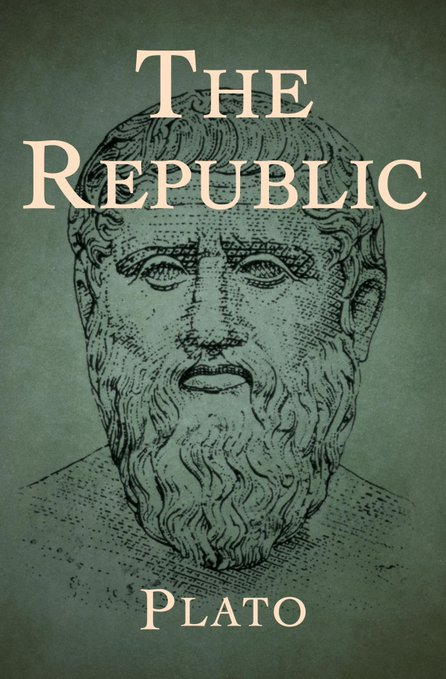
Plato handed the ruling class a blueprint for total control in The Republic, and we call it philosophy.
Plato handed the ruling class a blueprint for total control in The Republic, and we call it philosophy.
The Republic, written around 380 BC, describes a city where philosopher-kings govern by virtue of superior wisdom, where private property disappears for the guardian class, where poets get expelled for corrupting the young, and where eugenicists manage reproduction.
Plato presents all of this with genuine sincerity. That sincerity is exactly what makes it dangerous. You are reading the West’s first systematic argument for central planning. Every collectivist project since, from Robespierre’s Committee of Public Safety to the Soviet Gosplan, borrowed the same core logic: some men possess sufficient knowledge and virtue to direct the lives of others.
Plato gave that assumption philosophical respectability. Free market thinkers from Ludwig von Mises to F.A. Hayek spent considerable effort dismantling this premise. The knowledge problem alone destroys Plato’s city before the first brick gets laid. No central authority, however wise, accesses the dispersed, subjective, constantly shifting information that millions of individuals generate through voluntary exchange. The price system does this automatically. Philosopher-kings cannot.
Plato understood human nature well enough to describe corruption vividly, yet designed a system that concentrates power in the hands of a self-selected elite. He worried about tyrants emerging from democracy, which is a legitimate concern, and then prescribed as the cure an arrangement that produces tyrants structurally.
The guardian class owns nothing, supposedly, but controls everything. Feudalism, but with better prose. Property rights exist because people think, plan, and act as individuals. Strip property, and you strip the institutional foundation of peaceful cooperation.