
But instinct is something which transcends knowledge. We have, undoubtedly, certain finer fibers that enable us to perceive truths when logical deduction, or any other willful effort of the brain, is futile. –
Nikola Tesla

But instinct is something which transcends knowledge. We have, undoubtedly, certain finer fibers that enable us to perceive truths when logical deduction, or any other willful effort of the brain, is futile. –
Nikola Tesla
Physics In History (@PhysInHistory) posted at 1:30 am on Thu, Nov 14, 2024:
Some of the important equations


https://t.co/cGPeoGasgA
(https://x.com/PhysInHistory/status/1856872177204957254?t=TtcCx5tV66nxL3AEmhFl_Q&s=03)
D.O.G.E
The words of wisdom of C.S. Lewis, Screwtape Letters 1950’s.
“I live in the Managerial Age, in a world of “Admin.” The greatest evil is not now done in those sordid “dens of crime” that Dickens loved to paint. It is not done even in concentration camps and labour camps. In those we see its final result. But it is conceived and ordered (moved, seconded, carried, and minuted) in clean, carpeted, warmed and well-lighted offices, by quiet men with white collars and cut fingernails and smooth-shaven cheeks who do not need to raise their voices. Hence, naturally enough, my symbol for Hell is something like the bureaucracy of a police state or the office of a thoroughly nasty business concern.”
4,387 views Nov 4, 2024
The Royal Irish Academy and the University of Notre Dame launched the Analysing and Researching Ireland North and South (ARINS) initiative with a view to generating authoritative, independent and non-partisan research and analysis on a range of important issues for contemporary Ireland. Together with the Senator George J. Mitchell Institute for Global Peace, Security and Justice (Queen’s University Belfast), the Royal Irish Academy and the Keough-Naughton Institute for Irish Studies (University of Notre Dame) initiated this Conversations on Britishness and Irishness series in 2023, as a way of facilitating open and respectful discussion about cultural and political identities in and relating to Ireland. This event took place at the Royal Irish Academy (19 Dawson Street, Dublin 2) at 12:30 on 15 October 2024. The conversation with Dame Louise Richardson was hosted by Richard English, followed by questions from the audience. Dame Louise Richardson DBE is president of the philanthropic foundation Carnegie Corporation of New York. Previously, she served as vice-chancellor of the University of Oxford and of the University of St. Andrews, and as executive dean of the Radcliffe Institute for Advanced Study. A widely recognized expert on terrorism and international relations, she is the recipient of numerous fellowships, awards, and honorary doctorates. Born in Ireland, Richardson received a BA in history from Trinity College Dublin, an MA in political science from UCLA, and an MA and PhD in government from Harvard University, where she spent 20 years on the faculty of the Department of Government. Richard English is Director of the Senator George J. Mitchell Institute for Global Peace, Security and Justice at Queen’s University Belfast. His books include the award-winning studies Armed Struggle: The History of the IRA (2003) and Irish Freedom: The History of Nationalism in Ireland (2006). His most recent books are Does Counter-Terrorism Work? (2024) and Does Terrorism Work? A History (2016). He is a Member of the Royal Irish Academy, and in 2019 was awarded the Academy’s Gold Medal in the Social Sciences.
2 people
7th November 2024
61,327 views Nov 7, 2024 #freespeech#ww2#history
Listen to Sir Niall Ferguson about how academia can be perverted so that it incubates and legitimises extremist political groups. Discussing academia from the decades preceding WWII, debating Marxists during the Cold War, and the recent developments in the United States. — In conversation with Sir Noel Malcom. Sir Niall Ferguson is a British-American historian who is the Milbank Family Senior Fellow at the Hoover Institution, and a Senior Fellow at Harvard. Previously, he held positions and Oxford and Cambridge Universities. The author of many popular books such as ‘Empire’, ‘Doom’, and ‘Civilisation’. He is a co-founder of the University of Austin. —
Follow Sir Niall Ferguson — Website: https://www.niallferguson.com/ Twitter: https://x.com/nfergus Substack: https://niallferguson.substack.com?utm_source=navbar&utm_medium=web

11-11-2024 SMALL TO FAST
As the global mental health crisis deepens, AI is stepping in to fill the gap.
[Images: alex83m/Adobe Stock; Sylverarts/Adobe Stock]
BY Kolawole Samuel Adebayo3 minute read
The global mental health crisis is deepening, exacerbated by a chronic shortage of qualified professionals. Per a report by the World Health Organization, mental health disorders affect one in four people globally during their lifetime. In the U.S. alone, 23% of adults experienced a mental health issue in 2022, yet nearly half of them did not receive the necessary treatment, according to the U.S. Health Resources and Services Administration (HRSA).
While mental health disorders account for 10% of the global total disease burden, only 1% of global health workers are dedicated to mental health, the National Library of Medicine reports. Regional disparities further highlight the inequity in care: While some developed nations have extensive mental health resources, low-income countries continue to face severe shortages, sometimes with fewer than one psychiatrist per 100,000 people.
But this shortage of mental health professionals isn’t limited to low-income countries. The HRSA projects a 20% decline in the number of psychiatrists by 2030, a significant reduction that could result in millions of people going untreated.
To address this growing gap, many healthcare professionals are now using in-built and third-party AI products to provide support for mental health diagnosis and therapeutic interventions.
Part of the appeal with AI is its ability to harness data from various sources—like user interactions, vocal patterns, and emotional analytics.
Take, for example, Liv, Sheba Medical Center’s LLM-based platform that helps with the diagnosis of mental health challenges for victims of the ongoing war (on both sides of the divide) and delivers personalized patient experiences, all while reducing the enormous burdens on psychiatrists.
Or Woebot, an AI-driven chatbot developed by Woebot Health Labs that delivers Cognitive Behavioral Therapy through text-based conversations, and guides users through their mental health challenges in real time. Or Emotion Logic, which can detect emotional states by analyzing uncontrolled vocal biomarkers and provides immediate intervention and ongoing feedback.
“By providing real-time emotional feedback, our platform enables mental health professionals to adjust treatment strategies on the fly, tailoring care to each patient’s unique and current emotional state,” says Emotion Logic CEO Amir Liberman.
As with any disruptive technology, AI’s increasing role in mental health raises a number of ethical concerns. AI tools excel at diagnosing and managing certain aspects of mental health care, such as detecting early signs of emotional distress. However, complex cases often require the nuanced understanding that only a trained human therapist can offer. Issues around patient consent, data privacy, and the responsible use of AI tools must also be carefully managed to ensure they do not compromise patient care. Compliant safeguards are being adopted by many AI platforms to secure users’ emotional and mental health data, but the evolving nature of AI technologies requires constant vigilance.
Mark Weiser, chairman at Sheba’s division of psychiatry, says Liv is essentially a clinical decision support system that still requires a “human in the loop.” The idea at this stage of psychiatric examination, he says, is that the patient first gets examined by the program before going to see a human psychiatrist at the later stage.
“The technology isn’t a stand-alone. The human psychiatrist still talks to the patient to validate what the LLM-based program has discovered,” he adds. “But it’s incredible that patients can first get diagnosed and, in some cases, get treatment advice, without going through stiffening protocols.”
As the technology advances, AI platforms will become even more adept at recognizing emotional and behavioral patterns, allowing for more personalized, precise care. Experts predict that AI-driven mental health tools could soon help resolve the shortage of mental health professionals globally.
“In the years to come, AI will be a vital component of holistic mental health care, enabling professionals to deliver better, faster, and more accessible treatment to those in need,” says Emotion Logic’s Liberman.
For Liberman, AI-driven platforms will continue to play a crucial role in rapidly filling the current gaps in our healthcare systems. The future, he believes, will be a rather radical change. “AI’s precision and consistency are poised to make it the preferred method of care, rendering traditional human-led treatment as surprisingly outdated,” he says. “Maybe even irresponsible.”

Sign up for our weekly tech digest.
SIGN UP

The ‘theme’ chosen for Cop29 must be some kind of dark joke. This summit, like those before it, is a mere act of greenwashing
Mon 11 Nov 2024 08.00 CETShare404
During rapidly escalating climate and humanitarian crises, another authoritarian petrostate with no respect for human rights is hosting Cop29 – the UN’s latest annual climate summit that starts today and is being held after the re-election of a climate-denier US president.
Cop meetings have proven to be greenwashing conferences that legitimise countries’ failures to ensure a livable world and future and have also allowed authoritarian regimes like Azerbaijan and the two previous hosts – the United Arab Emirates and Egypt – to continue violating human rights.
Genocides, ecocides, famines, wars, colonialism, rising inequalities and an escalating climate collapse are all interconnected crises that reinforce each other and lead to unimaginable suffering. While humanitarian crises are unfolding in Palestine, Yemen, Afghanistan, Sudan, Congo, Kurdistan, Lebanon, Balochistan, Ukraine, Nagorno-Karabakh/Artsakh, and many, many other places, humanity is also breaching the 1.5C greenhouse gas emissions limit, with no signs of real reductions in sight. Instead, the opposite is taking place – last year, global emissions reached an all-time high. Heat records have been shattered, and this year is “virtually certain” to be the hottest year ever recorded, with unprecedented extreme weather events pushing the planet further into uncharted territory. The destabilisation of the biosphere and the natural ecosystems we depend on to survive is leading to untold human suffering and further accelerating the mass extinction of flora and fauna.
Azerbaijan’s entire economy is built on fossil fuels, with the state-owned oil company Socar’s oil and gas exports accounting for close to 90% of the country’s exports. Despite what it might claim, Azerbaijan has no ambition to take climate action. It is planning to expand fossil fuel production, which is completely incompatible with the 1.5C limit and the goals of the Paris agreement on climate change.
Many attenders of this year’s Cop are scared to criticise the Azerbaijan government. Human Rights Watch recently published a statement explaining how it couldn’t be certain that attenders’ rights to peacefully protest would be guaranteed. In addition, Azerbaijan land and sea borders will remain closed during Cop29, making it only possible to travel in and out of the country by air, which causes pollution and which many Azerbaijan citizens can’t afford. The reason given for closing borders at all Cops since the start of the Covid pandemic is to maintain “national security”, but I’ve heard many Azerbaijanis describe the situation as being “kept in a prison”.
The Azerbaijan regime is guilty of ethnic cleansing, humanitarian blockades and war crimes, as well as repressing its own population and cracking down on the country’s civil society. The independent watchdog Freedom House ranks the country as the least democratic state in Europe, with the regime actively targeting journalists, independent media outlets, political and civic activists, and human rights defenders. Azerbaijan also accounts for about 40% of Israel’s annual oil imports, thus fuelling the Israeli war machine and being complicit in the genocide in Palestine and Israel’s war crimes in Lebanon. The Azerbaijan-Israel ties are mutually beneficial as the majority of weapons used by Azerbaijan during the second Nagorno-Karabakh war and likely those used in the September 2023 military operation into the Karabakh region were imported from Israel.
The “Cop of peace” is one theme chosen for this year’s climate conference by the host, which wants to encourage states to observe a “Cop truce”. It is gut-wrenching, to say the least, to talk of global peace after the terrible human rights violations committed by Azerbaijan’s Aliyev regime against ethnic Armenians living in the Nagorno-Karabakh/Artsakh region. Furthermore, Azerbaijan is planning to greenwash its crimes against Armenians by building a “Green Energy Zone” on territories where the population has been ethnically cleansed.
How did this country get to host the climate summit? It was eastern Europe’s turn. But Russia vetoed EU member states, so the options were either Armenia or Azerbaijan. Armenia lifted its veto against Azerbaijan and supported its bid in exchange for a release of prisoners, although a large number of Armenian political prisoners are still being held. Last year, the regime critic Gubad Ibadoghlu was imprisoned after criticising Azerbaijan’s fossil fuel industry. Other political prisoners include peace activist Bahruz Samadov, ethnic minority researcher Iqbal Abilov, political activists Akif Gurbanov and Ruslan Izzatli and journalists.
Meanwhile, the EU continues to buy fossil fuels from Azerbaijan and plans to double its import of fossil gas from the country by 2027.
The climate crisis is just as much about protecting human rights as it is about protecting the climate and biodiversity. You cannot claim to care about climate justice if you ignore the sufferings of oppressed and colonised people today. We cannot pick and choose whose human rights to care for, and who to leave behind. Climate justice means justice, safety and freedom for everyone.
Cop29 could change the financial climate for the world’s wealthy pollutersRead more
During Cop29, the picture of Azerbaijan reported by the media will be a whitewashed and greenwashed version that the regime is desperate to portray. But make no mistake – it is a repressive state accused of ethnic cleansing.
We need immediate sanctions targeted against the regime and a halt to the import of Azerbaijani fossil fuels. Diplomatic pressure must also be put on the regime to release its Armenian hostages and all political prisoners – and ensure the right to a safe return for Armenians.
Martin Davies


(@martindvz) posted at 9:56 am on Sun, Nov 10, 2024:
Today would have been Carl Sagan’s 90th birthday.
He wrote this in 1995.

https://t.co/0lDHAnpqcB
(https://x.com/martindvz/status/1855549998873645498?t=v4_w9t-N6im1UVNxgAkd8A&s=03)

November 6, 2024
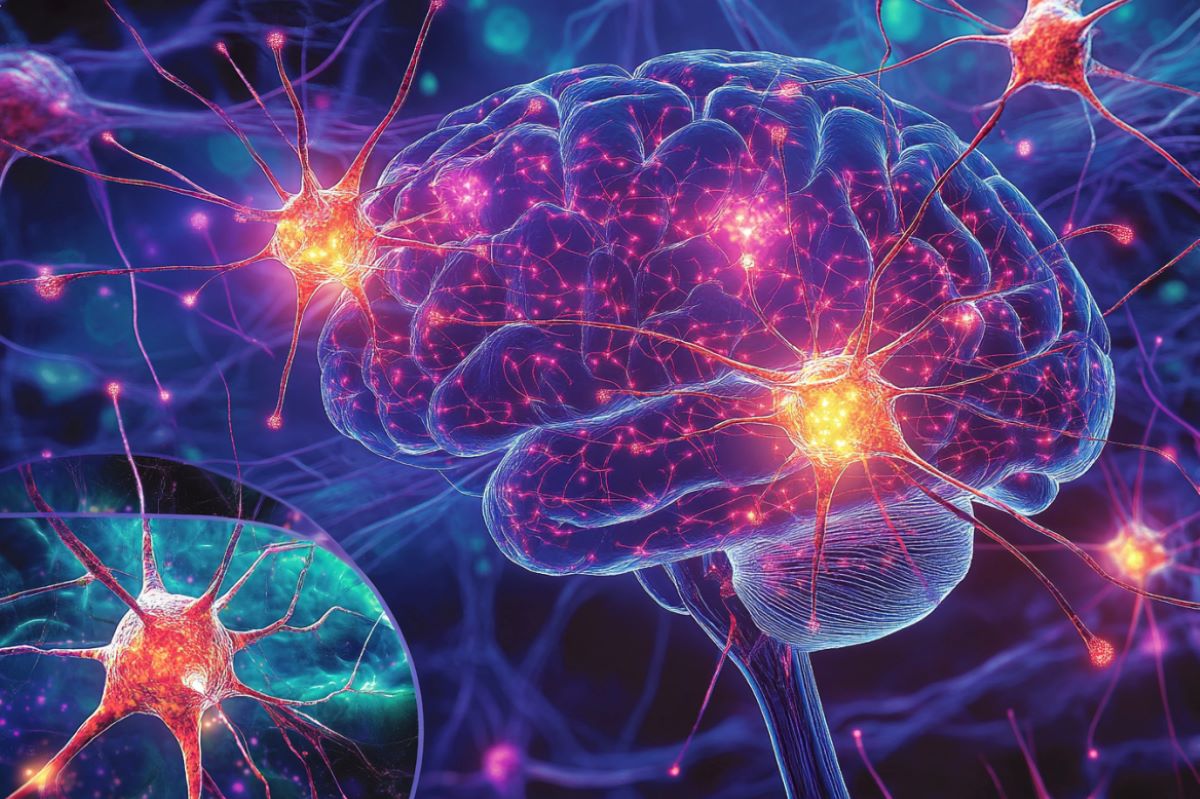
Summary: Astrocytes, non-neuronal brain cells, have been shown to work alongside neurons to store and recall memories, reshaping our understanding of memory mechanisms. Researchers found that specific astrocytes express the c-Fos gene during memory formation, influencing neuron communication to store memories. This discovery highlights astrocytes’ unique, memory-specific roles and suggests potential new avenues for treating memory-related disorders.
Key Facts:
Source: Baylor College of Medicine
A study published in Nature by researchers at Baylor College of Medicine changes the way we understand memory.
Until now, memories have been explained by the activity of brain cells called neurons that respond to learning events and control memory recall.
The Baylor team expanded this theory by showing that non-neuronal cell types in the brain called astrocytes – star-shaped cells – also store memories and work in concert with groups of neurons called engrams to regulate storage and retrieval of memories.
“The prevailing idea is that the formation and recall of memories only involves neuronal engrams that are activated by certain experiences, and hold and retrieve a memory,” said corresponding author Dr. Benjamin Deneen, professor and Dr. Russell J. and Marian K. Blattner Chair in the Department of Neurosurgery, director of the Center for Cancer Neuroscience, a member of the Dan L Duncan Comprehensive Cancer Center at Baylor and a principal investigator at the Jan and Dan Duncan Neurological Research Institute.
“Our lab has a long history of studying astrocytes and their interactions with neurons. We have found that these cells interact closely with each other, both physically and functionally, and that this is essential for proper brain function. However, the role of astrocytes in storage and retrieval of memories has not been investigated before,” Deneen said.
Astrocytes trigger memory recall
The researchers began by developing a completely new set of laboratory tools to identify and study the activity of astrocytes associated with memory brain circuits.
A typical experiment consisted of, first, conditioning mice to feel fear and ‘freeze’ after exposure to a certain situation. When mice were placed back in the same situation after some time, they would freeze because they remembered. If the same mice were placed in a different situation, they would not freeze because it’s not the original context in which they were conditioned to feel fear.
“Working with these mice and with our new lab tools, we were able to show that astrocytes do play a role in memory recall,” said co-first author Dr. Wookbong Kwon, a postdoctoral associate in the Deneen lab.
The researchers show that during learning events, such as fear conditioning, a subset of astrocytes in the brain expresses the c-Fos gene. Astrocytes expressing c-Fos subsequently regulate circuit function in that brain region.
“The c-Fos-expressing astrocytes are physically close with engram neurons,” said co-first author Dr. Michael R. Williamson, a postdoctoral associate in the Deneen lab.
“Furthermore, we found that engram neurons and the physically associated astrocyte ensemble also are functionally connected. Activating the astrocyte ensemble specifically stimulates synaptic activity or communication in the corresponding neuron engram. This astrocyte-neuron communication flows both ways; astrocytes and neurons depend on each other.”
When mice were in a situation not associated with fear, they did not freeze.
“However, when the astrocyte ensemble in these mice in the non-fearful environment was activated, the animals froze, showing that astrocyte activation stimulates memory recall,” Kwon said.
To better understand what mediates the activity of astrocyte ensembles in memory recall, the researchers investigated the gene NFIA.
“Our lab has previously shown that astrocytic NFIA can regulate memory circuits, but whether it acts in ensembles of astrocytes to orchestrate memory storage and recall was unknown,” Williamson said.
The team found that astrocytes activated by learning events have elevated levels of the NFIA protein, and preventing NFIA production in these astrocytes suppresses memory recall. Importantly, this suppression is memory specific.
“When we deleted the NFIA gene in astrocytes that were active during a learning event, the animals were not able to recall the specific memory associated with the learning event, but they could recall other memories,” Kwon said.
“These findings speak to the nature of the role of astrocytes in memory,” Deneen said.
“Ensembles of learning-associated astrocytes are specific to that learning event. The astrocyte ensembles regulating the recall of the fearful experience are different from those involved in recalling a different learning experience, and the ensemble of neurons is different as well.”
The current study illuminates a more complete picture of the players that are involved and the activities that take place in the brain during memory formation and recall. In addition, the study provides a new perspective when studying human conditions associated with memory loss, like Alzheimer’s disease, as well as conditions in which memories occur repeatedly and are difficult to suppress, like post-traumatic stress disorder.
Junsung Woo, Yeunjung Ko, Ehson Maleki, Kwanha Yu, Sanjana Murali and Debosmita Sardar also contributed to this work. They are all affiliated with Baylor College of Medicine.
Funding: This work was supported by U.S. National Institutes of Health grants (R35-NS132230, R21-MH134002 and R01-AG071687), grant AHA-23POST1019413 and a grant from the National Research Foundation of Korea (RS- 2024-00405396). Further support was provided by the David and Eula Wintermann Foundation, the Eunice Kennedy Shriver National Institute of Child Health and Human Development of the National Institutes of Health award P50HD103555.
Author: Graciela Gutierrez
Source: Baylor College of Medicine
Contact: Graciela Gutierrez – Baylor College of Medicine
Image: The image is credited to Neuroscience News
Original Research: Closed access.
“Learning-Associated Astrocyte Ensembles Regulate Memory Recall” by Benjamin Deneen et al. Nature
Abstract
Learning-Associated Astrocyte Ensembles Regulate Memory Recall
The physical manifestations of memory formation and recall are fundamental questions that remain unresolved. At the cellular level, ensembles of neurons called engrams are activated by learning events and control memory recall.
Astrocytes are found in close proximity to neurons and engage in a range of activities that support neurotransmission and circuit plasticity. Moreover, astrocytes exhibit experience-dependent plasticity, although whether specific ensembles of astrocytes participate in memory recall remains obscure.
Here we show that learning events induce c-Fos expression in a subset of hippocampal astrocytes, and that this subsequently regulates the function of the hippocampal circuit in mice.
Intersectional labelling of astrocyte ensembles with c-Fos after learning events shows that they are closely affiliated with engram neurons, and reactivation of these astrocyte ensembles stimulates memory recall.
At the molecular level, learning-associated astrocyte (LAA) ensembles exhibit elevated expression of nuclear factor I-A, and its selective deletion from this population suppresses memory recall.
Taken together, our data identify LAA ensembles as a form of plasticity that is sufficient to provoke memory recall and indicate that astrocytes are an active component of the engram.

