Some moments in history hinge on the decisions of a few individuals. One choice, one meeting, one change of heart — and the course of a nation can shift forever. In this week’s Downstream Ash Sarkar travels to the James Connolly Centre on the Falls Road in West Belfast to sit down with one of the most historically significant — and controversial — figures in modern Irish history: Gerry Adams. Once considered a terrorist by the British government, Adams was banned from having his voice broadcast on UK airwaves. He was interned without trial, held on a prison ship and later in Long Kesh, and for decades stood at the centre of the Irish Republican movement. He would go on to play a key role in the peace process, shaking hands with royalty and helping guide the struggle from armed conflict to negotiation. For many, Adams is a peacemaker. For others, he remains inseparable from the violence and trauma of the Troubles and the legacy of the Provisional IRA. This is perhaps the most historically consequential individual ever interviewed for Downstream. Love him or loathe him, Gerry Adams helped shape the Ireland of today. Watch now — and draw your own conclusions. 00:00 Intro 01:34 Podcasting & Media Hostility 07:03 Sinn Féin 15:45 Is Unification Still Desirable? 26:51 Difficulties of the Peace Process 32:16 Leadership, Self Doubt & Informers 40:15 Trauma & Violence 49:47 IRA Accusations & Victims 57:25 Political Commitments 1:04:03 Ireland & Gaza 01:11:55 How Could Your Life Have Been Different?
Advocates say Trump’s new executive order criminalizes homelessness, eliminates support for Housing First and harm reduction programs, and violates the rights of America’s most vulnerable people.
Advocates Warn It Criminalizes Poverty and Undermines Proven Solutions
Advocates are sounding the alarm against President Donald Trump’s executive order on homelessness issued yesterday.
It also makes several large-scale changes to America’s homeless services system. First, it requires federal agencies to stop funding programs that practice harm reduction, provide safe consumption sites, or use Housing First principles to address homelessness.
The order also requires states to detain people with severe mental illnesses, regardless of the local hospital bed capacity.
Finally, the order also seeks to link homeless services funding to outcomes such as reducing urban camping, loitering, or squatting. The administration issued this directive even though federal agencies have reduced their spending on homeless shelters and affordable housing programs.
The executive order was issued at a time when homelessness continues to increase nationwide. Last year, more than 771,000 people were homeless in the United States, which represents an 18% climb from the previous year. About 275,000 people experienced unsheltered homelessness, meaning they slept in places not fit for human habitation, like under bridges, in encampments, or parks.
A Devastating Blow to Human Rights
Advocates slammed the order as one that increases criminal penalties for people trying to survive with nowhere else to go.
“Actions ordered through the [executive order] will be deeply harmful to vulnerable people and the nonprofit organizations that serve them and are counter to decades of research on proven ways to address and end homelessness,” Diane Yentel, CEO of the National Council of Nonprofits, posted on social media.
Trump has previously called for people experiencing unsheltered homelessness to be rounded up into federal camps. In 2023, Trump posted a campaign video where he said, “The homeless have no right to turn every park and sidewalk into a place for them to squat and do drugs.” He also called on cities to prohibit public camping.
“We will then open up large parcels of inexpensive land, bring in doctors, psychiatrists, social workers, and drug rehab specialists, and create tent cities where the homeless can be relocated and their problems identified,” Trump said. “We will open up our cities again, make them livable and make them beautiful.”
Rhetoric Meets Reality: The Dangerous Plan Behind the Promise
While Trump appears to be making good on one of his promises, his solution is built on a false premise. Trump’s executive order assumes that the reason homelessness is growing is because America hasn’t figured out a way to get people indoors and off the street. That is categorically false.
The reason why America hasn’t solved homelessness is twofold. On one hand, the available solutions are criminally underfunded, and that prevents them from forming meaningful service-oriented relationships. That is why some cities have struggled to truly practice Housing First and instead practice Housing Only.
The Real Reason Homelessness Persists. It’s Not What Trump Claims.
Scout Katovich, senior staff attorney with the American Civil Liberties Union’s Trone Center for Justice and Equality, said the order shows how the Trump administration “displays remarkable disdain for the rights and dignity of vulnerable people.”
“Pushing people into locked institutions and forcing treatment won’t solve homelessness or support people with disabilities,” Katovich said in a statement. “The exact opposite is true – institutions are dangerous and deadly, and forced treatment doesn’t work.”
“We need safe, decent, and affordable housing as well as equal access to medical care and voluntary, community-based mental health and evidence-based substance use treatment from trusted providers,” Katovich continued.
Jesse Rabinowitz, spokesperson for the National Homelessness Law Center, described the executive order as “backwards, expensive, and ineffective.”
“Today’s executive order, combined with MAGA’s budget cuts for housing and healthcare, will increase the number of people forced to live in tents, in their cars, and on the streets,” Rabinowitz said.
“This order does nothing to lower the cost of housing or help people make ends meet. The safest communities are those with the most housing and resources, not those that make it a crime to be poor or sick,” he continued.
Legal Experts Warn: This Order Violates Rights, Worsens Outcomes
The order was also released at a time when many cities across the country are working to further criminalize homelessness. Those efforts have largely taken place after the Supreme Court issued its decision in Grants Pass v. Johnson, a case that allowed cities to use punitive punishments to address homelessness instead of investing in housing and supportive services.
According to the National Homelessness Law Center, more than 320 criminalization bills have been introduced since the Grants Pass v. Johnson decision.
Advocates like Reps. Pramila Jayapal (D-WA) and Maxwell Frost (D-FL) have introduced federal legislation to prohibit the criminalization of homelessness. Several states have also introduced the Gloria Johnson Act, a bill that would roll back many of the harmful measures used to address homelessness locally.
Michael Callahan, director of the Office of Homelessness Prevention in New York, said the order represents a “dangerous shift” in the way cities respond to homelessness.
“If we truly want safer, more resilient neighborhoods, we must fund housing-first systems, not just badge-first responses,” Callahan posted on social media. “This [executive order] leaves behind the very communities most at risk — while targeting the very policies designed to protect them.”
Criminalization Is Spreading, And This Order Supercharges It
Many communities have laws that criminalize activities homeless people need to do in public to survive, including:
Sitting or lying down
Loitering or loafing
Eating or sharing food
Asking for money or panhandling
Sleeping in cars, outside, or camping
Not only is the cost of criminalizing homelessness high, but it also does nothing to solve homelessness and violates human rights. Anti-homeless legislation leads to homeless people being arrested or fined, which makes it harder to find housing and jobs and access social services.
Contact your legislators and demand that they stop supporting legislation that criminalizes homelessness. Instead, they should support policies that invest in Housing First, a proven, successful approach to solving homelessness.
Q: What did the study uncover about ME/CFS? A: The study revealed that ME/CFS disrupts key interactions between the gut microbiome, immune system, and metabolism, identifying biological markers that distinguish patients from healthy individuals with up to 90% accuracy.
Q: How does the AI platform, BioMapAI, help? A: BioMapAI integrates thousands of data points—including microbiome profiles, blood tests, immune markers, and symptoms—to identify patterns and disruptions unique to ME/CFS, making precision medicine approaches more feasible.
Q: Why are these findings important for patients? A:The research not only strengthens the biological legitimacy of ME/CFS but also offers personalized insight into symptom origins, potentially guiding future dietary, lifestyle, and therapeutic interventions—especially for long COVID and related conditions.
Summary: A groundbreaking study using AI has revealed how ME/CFS disrupts critical connections between the immune system, gut microbiome, and metabolism. The new platform, BioMapAI, achieved 90% accuracy in identifying ME/CFS patients based on stool, blood, and symptom data—offering long-overdue validation for millions living with this debilitating illness.
Researchers found that patients had distinct biological signatures, including lower levels of beneficial fatty acids, disrupted immune cell activity, and metabolic imbalances. These findings could guide personalized treatments and provide a scientific foundation for future therapies, especially for long COVID sufferers with overlapping symptoms.
Key Facts:
AI Breakthrough: BioMapAI distinguished ME/CFS patients with 90% accuracy using immune, microbiome, and metabolic data.
Precision Medicine Potential: Findings may lead to targeted interventions for ME/CFS and long COVID.
Source: Jackson Laboratory
Millions suffering from myalgic encephalomyelitis/chronic fatigue syndrome (ME/CFS), a debilitating condition often overlooked due to the lack of diagnostic tools, may be closer to personalized care, according to new research that shows how the disease disrupts interactions between the microbiome, immune system, and metabolism.
The findings—potentially relevant to long COVID due to its similarity with ME/CFS—come from data on 249 individuals analyzed using a new artificial intelligence (AI) platform that identifies disease biomarkers from stool, blood, and other routine lab tests.
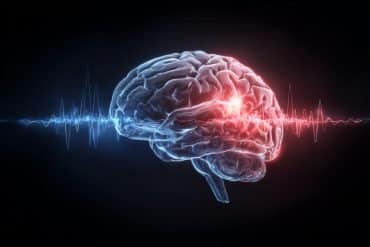
The researchers intend to share their dataset broadly with BioMapAI, which supports analyses across diverse symptoms and diseases, effectively integrating multi-omics data that are difficult to replicate in animal models. Credit: Neuroscience News
“Our study achieved 90% accuracy in distinguishing individuals with chronic fatigue syndrome, which is significant because doctors currently lack reliable biomarkers for diagnosis,” said study author Dr. Derya Unutmaz, Professor in immunology at The Jackson Laboratory (JAX).
“Some physicians doubt it as a real disease due to the absence of clear laboratory markers, sometimes attributing it to psychological factors.”
The research was led by Dr. Julia Oh, formerly at JAX and now a microbiologist and professor at Duke University, in collaboration with ME/CFS clinicians Lucinda Bateman and Suzanne Vernon of the Bateman Horne Center, and Unutmaz, who directs the JAX ME/CFS Collaborative Research Center. Details appear today in Nature Medicine.
Mapping the Invisible
Chronic fatigue syndrome is characterized by severe symptoms that significantly impair physical and mental activities, including persistent fatigue, sleep abnormalities, dizziness, and chronic pain.
Experts often compare ME/CFS to long COVID, as both conditions frequently follow viral infections, such as Epstein-Barr virus. In the United States, ME/CFS affects between 836,000 and 3.3 million individuals— many undiagnosed—and costs the economy $18 to $51 billion annually due to healthcare expenditures and lost productivity, according to the Centers for Disease Control and Prevention.
Prior studies have noted immune disruptions in ME/CFS, Unutmaz said. This new research builds upon those findings by investigating how the gut microbiome, its metabolites, and immune responses interact.
The team linked these connections to 12 classes of patient-reported symptoms, which were aggregated from hundreds of datapoints generated by patient health and lifestyle surveys.
These include sleep disturbances, headaches, fatigue, dizziness, and other symptoms the researchers mapped in their entirety from microbiome changes to metabolites, immune responses, and clinical symptoms.
“We integrated clinical symptoms with cutting-edge omics technologies to identify new biomarkers of ME/CFS,” Oh said. “Linking symptoms at this level is crucial, because ME/CFS is highly variable. Patients experience a wide range of symptoms that differ in severity and duration, and current methods can’t fully capture that complexity.”
To conduct the study, the researchers analyzed comprehensive data collected from the Bateman Horne Center, a leading ME/CFS, Long-Covid, and fibromyalgia research center in Salt Lake City, Utah.
Dr. Ruoyun Xiong, also a lead author on the study, developed a deep neural network model called BioMapAI. The tool integrates gut metagenomics, plasma metabolomics, immune cell profiles, blood test data, and clinical symptoms from 153 patients and 96 healthy individuals over four years.
Immune cell analysis proved most accurate in predicting symptom severity, while microbiome data best predicted gastrointestinal, emotional, and sleep disturbances. The model connected thousands of patient data points, reconstructing symptoms such as pain and gastrointestinal issues, among several others.
It also revealed that patients who were ill for less than four years had fewer disrupted networks than those who were ill for more than ten years.
“Our data indicate these biological disruptions become more entrenched over time,” Unutmaz said. “That doesn’t mean longer-duration ME/CFS can’t be reversed, but it may be more challenging.”
The study included 96 age- and gender-matched healthy controls, showing balanced microbiome-metabolite-immune interactions, in contrast to significant disruptions in ME/CFS patients linked to fatigue, pain, emotional regulation issues, and sleep disorders.
ME/CFS patients also had lower levels of butyrate, a beneficial fatty acid produced in the gut, along with other nutrients essential for metabolism, inflammation control, and energy.
Patients with elevated levels of tryptophan, benzoate, and other markers indicated a microbial imbalance. Heightened inflammatory responses, particularly involving MAIT cells sensitive to gut microbial health, were also observed.
“MAIT cells bridge gut health to broader immune functions, and their disruption alongside butyrate and tryptophan pathways, normally anti-inflammatory, suggests a profound imbalance,” said Unutmaz.
An Actionable Dataset
Even though the findings require further validation, they significantly advance scientists’ understanding of ME/CFS and provide clearer hypotheses for future research, the authors said.
Since animal models can’t fully reflect the complex neurological, physiological, immune, and other system disruptions seen in ME/CFS, Oh said it will be crucial to study humans directly to identify modifiable factors and develop targeted treatments.
“The microbiome and metabolome are dynamic,” Oh said. “That means we may be able to intervene—through diet, lifestyle, or targeted therapies—in ways that genomic data alone can’t offer.”
BioMapAI also achieved roughly 80% accuracy in external data sets, confirming key biomarkers identified in the original group. This consistency across diverse data was striking, the authors said.
“Despite diverse data collection methods, common disease signatures emerged in fatty acids, immune markers, and metabolites,” Oh said. “That tells us this is not random. This is real biological dysregulation.”
The researchers intend to share their dataset broadly with BioMapAI, which supports analyses across diverse symptoms and diseases, effectively integrating multi-omics data that are difficult to replicate in animal models.
“Our goal is to build a detailed map of how the immune system interacts with gut bacteria and the chemicals they produce,” Oh said.
“By connecting these dots we can start to understand what’s driving the disease and pave the way for genuinely precise medicine that has long been out of reach.”
Additional authors include Elizabeth Aiken, Ryan Caldwell, Lina Kozhaya, and Courtney Gunter (The Jackson Laboratory), and Suzanne D. Vernon and Lucinda Bateman (Bateman Horne Center).
Funding: Funding was provided by NIH grant 1U54NS105539.
About this chronic fatigue and microbiome research news
Author: Cara McDonough Source: Jackson Laboratory Contact: Cara McDonough – Jackson Laboratory Image: The image is credited to Neuroscience News
AI-driven multi-omics modeling of myalgic encephalomyelitis/chronic fatigue syndrome
Myalgic encephalomyelitis/chronic fatigue syndrome (ME/CFS) is a chronic illness with a multifactorial etiology and heterogeneous symptomatology, posing major challenges for diagnosis and treatment.
Here we present BioMapAI, a supervised deep neural network trained on a 4-year, longitudinal, multi-omics dataset from 249 participants, which integrates gut metagenomics, plasma metabolomics, immune cell profiling, blood laboratory data and detailed clinical symptoms.
By simultaneously modeling these diverse data types to predict clinical severity, BioMapAI identifies disease- and symptom-specific biomarkers and classifies ME/CFS in both held-out and independent external cohorts.
Using an explainable AI approach, we construct a unique connectivity map spanning the microbiome, immune system and plasma metabolome in health and ME/CFS adjusted for age, gender and additional clinical factors.
This map uncovers altered associations between microbial metabolism (for example, short-chain fatty acids, branched-chain amino acids, tryptophan, benzoate), plasma lipids and bile acids, and heightened inflammatory responses in mucosal and inflammatory T cell subsets (MAIT, γδT) secreting IFN-γ and GzA.
Overall, BioMapAI provides unprecedented systems-level insights into ME/CFS, refining existing hypotheses and hypothesizing unique mechanisms—specifically, how multi-omics dynamics are associated to the disease’s heterogeneous symptoms.
Join our Newsletter
I agree to have my personal information transferred to AWeber for Neuroscience Newsletter ( more information )
Sign up to receive our recent neuroscience headlines and summaries sent to your email once a day, totally free.
We hate spam and only use your email to contact you about newsletters. You can cancel your subscription any time.
Neuroscience News is an online science magazine offering free to read research articles about neuroscience, neurology, psychology, artificial intelligence, neurotechnology, robotics, deep learning, neurosurgery, mental health and more.
"Optimus could be like a 24 hour day nurse or helper to someone who needs physical help. They will also be used in situations where it's their work is very dangerous, so or where there's a lot of repetitive tasks."
AI BEATS DOCTORS IN PREDICTING SUDDEN CARDIAC DEATH
A Johns Hopkins team has built an AI tool – MAARS – that can predict sudden cardiac death in at-risk patients with up to 93% accuracy, dramatically outperforming current clinical guidelines. The system scans MRI images and patient records to spot hidden heart scarring, a major but often-missed red flag in conditions like hypertrophic cardiomyopathy, which can kill without warning – even in healthy-seeming athletes. Current clinical tools get it right ~50% of the time. MAARS hits nearly 90%. Lead researcher Prof. Natalia Trayanova: “We have the ability to predict with very high accuracy whether a patient is at very high risk for sudden cardiac death or not.” Source: yourweather, Fox News
1 LAW MADE SWITZERLAND’S RIVERS THE CLEANEST IN THE WORLD Decades ago, Swiss rivers were so filthy they basically doubled as liquid landfills. In 2016, Switzerland decided sewage wasn’t the main villain; it was chemical runoff and pharmaceutical waste. So they passed a law forcing treatment plants to filter out microscopic pollutants like antidepressants, painkillers, and pesticides. Now their rivers are some of the cleanest on Earth, and their aquatic life is actually thriving again. Turns out, the biggest threat to nature isn’t what we dump in buckets, but what we flush without thinking. Source: james_stew
🚨🇨🇭 1 LAW MADE SWITZERLAND'S RIVERS THE CLEANEST IN THE WORLD
Decades ago, Swiss rivers were so filthy they basically doubled as liquid landfills.
In 2016, Switzerland decided sewage wasn’t the main villain; it was chemical runoff and pharmaceutical waste.
Israel’s problems continue to mount as its defeat in the “12-day war” with Iran reveal the truth about its mythical invincibility. Scott Ritter, Larry Johnson and Garland Nixon break down just where the Israeli regime is headed as it begs the US for new, deadly weapons in preparation for another round of war. SUPPORT THE CHANNEL ON PATREON: