Puppets at the Irish Times today resume their campaign for the closure of the Aughinish refinery at a estimated cost of €3bn to the Irish economy over a decade.
They have “obtained” highly confidential documents from a Swedish tax dispute. Or to be more accurate, they were supplied with the documents. But by whom? Presumably the same puppeteer who has supplied all the other confidential reports, and told the Irish Times they could get CSO to produce a bespoke spreadsheet on an individual company’s exports.
The betting would be, the puppeteer is Ukraine. Is Ukraine a “foreign hostile power”?
Mehr. Iran’s FM Abbas Araqchi says Washington needs to honor its word if it wants a way out.
He’s pointing to a memorandum of understanding that Trump signed, arguing the U.S. walked away from the very deal its own president put his name to.
“We stressed that the Iranian nation will continue to stand for its rights, and this was emphasised in all the meetings.
The United States must return to its commitments and abide by the provisions of the memorandum of understanding. After that, we can move out of this situation, because all countries are concerned that the war should end as soon as possible.
We explained that the solution is completely clear and specific: America must return to its commitments and to the very agreement its president signed. In that case, everything can be put on the right track.”
From a young age, Marshall seemed destined for a place in the American justice system. His parents instilled in him an appreciation for the Constitution, a feeling that was reinforced by his schoolteachers, who forced him to read the document as punishment for his misbehavior. After graduating from Lincoln University in 1930, Marshall sought admission to the University of Maryland School of Law, but was turned away because of the school’s segregation policy, which effectively forbade Black students from studying with whites. Instead, Marshall attended Howard University Law School, from which he graduated magna cum laude in 1933. (Marshall later successfully sued Maryland School of Law for their unfair admissions policy.)
Brown v. Board of Education
In 1954, the Supreme Court unanimously strikes down segregation in public schools, sparking the Civil Rights movement.
Setting up a private practice in his home state of Maryland, Marshall quickly established a reputation as a lawyer for the “little man.” In a year’s time, he began working with the Baltimore NAACP (National Association for the Advancement of Colored People), and went on to become the organization’s chief counsel by the time he was 32, in 1940. Over the next two decades, Marshall distinguished himself as one of the country’s leading advocates for individual rights, winning 29 of the 32 cases he argued in front of the Supreme Court, all of which challenged in some way the ‘separate but equal’ doctrine that had been established by the landmark case Plessy v. Ferguson (1896).The high-water mark of Marshall’s career as a litigator came in 1954 with his victory in Brown v. Board of Education of Topeka. In that case, Marshall argued that the ‘separate but equal’ principle was unconstitutional, and designed to keep Black people “as near [slavery] as possible.”
In 1961, Marshall was appointed by then-President John F. Kennedy to the U.S. Court of Appeals for the Second Circuit, a position he held until 1965, when Kennedy’s successor, Lyndon B. Johnson, named him solicitor general. Following the retirement of Justice Tom Clark in 1967, President Johnson appointed Marshall to the Supreme Court, a decision confirmed by the Senate with a 69-11 vote. Over the next 24 years, Justice Marshall came out in favor of abortion rights and against the death penalty, as he continued his tireless commitment to ensuring equitable treatment of individuals—particularly minorities—by state and federal governments.
George Kennan on NATO expansion (May 2, 1998): ”I think it is the beginning of a new Cold War… I think the Russians will gradually react quite adversely and it will affect their policies. I think it is a tragic mistake. There was no reason for this whatsoever. No one was threatening anybody else. This expansion would make the Founding Fathers of this country turn over in their graves… Of course there is going to be a bad reaction from Russia, and then [the NATO expanders] will say that we always told you that is how the Russians are — but this is just wrong.”
Niger’s military junta survived a mutiny over the weekend with help from Russian forces stationed in the country. Gunfire erupted in the capital city of Niamey late Friday after soldiers took loyalist troops hostage at an air base and attacked government forces near the presidential palace. That and sparked an hours-long standoff before Russia’s Africa Corps, a Kremlin-controlled paramilitary force, stepped in to help put down the uprising. The mutineers were reportedly frustrated by Niger’s security situation, which has deteriorated since the military seized power in a 2023 coup. It’s the second time in recent months that Russian forces have helped prop up a military government in the region, after assisting Mali’s junta during an attack in May. The episode is another sign of Moscow’s growing influence in the Sahel, where as many as 2,000 Russian mercenaries are now stationed across Mali, Niger, and Burkina Faso, allowing Moscow to pursue resource deals and fill a vacuum left by retreating Western powers.
Can’t-miss innovations from the bleeding edge of science and tech Email address Sign Up
A team of neurosurgeons in London have used AI to help them operate on a man’s brain.
The AI tool analyzed live footage of the operation and flagged key brain structures like nerves and blood vessels as surgeons removed a large tumor on the patient’s pituitary gland, according to The Guardian, ensuring that they didn’t poke around where they shouldn’t be.
The surgery, performed at the National Hospital for Neurology and Neurosurgery in May, saved the eyesight of the patient, 48-year-old Rhys Hibbert. Details of the procedure, though, were kept under wraps until now.
“When I came round… I could see everything in the room clearly,” Hibbert told The Guardian. Before the surgery, he couldn’t walk on his own without glasses or walking sticks.
The pituitary gland is an especially delicate part of the brain to operate on, located right next to the arteries that bring blood to the brain and the optic nerves that control vision. “Going a millimeter wrong can make a critical difference,” health officials said, per the newspaper, possibly leading to blindness, stroke, and death.
Unearthing a tumor there, at the base of the brain hidden from view, posed an even greater challenge. The surgeons would have to cut a precise path to get to the benign growth without damaging the brain.
That’s where the AI tool proved useful. Trained on hundreds of surgical videos of pituitary tumor removals, the AI system “has been exposed to a breadth of surgical examples that would take a surgeon many years to encounter,” Sophia Bano, an associate professor in robotics and AI at University College London and the technical lead for the AI tool, told The Guardian. During its training, researchers manually drew around the vessels and nerves in each video so the AI could get an accurate idea of where they are.
The human doctors remained in control of the entire procedure, but the AI tool played a critical role in guiding their work.Analyzing the procedure through a camera planted in the base of the skull via the nose, it tracked the doctors’ surgical instruments in real time, identified where hidden vessels and nerves were most likely to be, and highlighted safe areas to extract the tumor, according to the BBC, which compared it to facial recognition tech for hidden anatomy.
“From a patient safety perspective, I can see absolutely the benefit. There are no road signs inside our head,” Hibbert told the BBC.
For surgeries like a pituitary tumor removal, a surgeon typically studies brain scans so they intimately know each patient’s unique anatomy before going in, the BBC noted. Experts worry, though, that doctors may become too dependent on AI tools, especially as a new generation of med students are being raised on using them.
Hibbert knows where he stands.
“It’s given me my life back,” he said of the surgery.
I’m a tech and science correspondent for Futurism, where I’m particularly interested in astrophysics, the business and ethics of artificial intelligence and automation, and the environment.
Irish whiskey is one of Ireland’s great export success stories. Exports were worth over €930 million in 2025, with the country’s much-loved spirit being sold all over the world.
Even amid difficult international trading conditions, with concerns around tariffs for export to the US, exports to the EU have grown by more than 21% in four years.
However, while thousands of barrels quietly mature in warehouses around Ireland, something else is happening outside some of them. On walls, roofs, road signs, trees and other surfaces close to some whiskey maturation facilities, a distinctive black patina appears.
It may look like soot or air pollution, but in some cases the culprit is a fungus: Baudoinia, commonly known as “whiskey fungus” or “whiskey black”, and fuelled by the presence of ethanol alcohol in the air.
Despite the fact it has been known about for years, there has been surprisingly little research on its effects, such as whether the fungus can spread from distilleries to nearby properties, including residential homes.
Ethanol alcohol emissions from the industry are also thought to contribute to ground level ozone, a harmful air pollutant. But we don’t know whether the fungus has any adverse consequences for people’s health. It may not be dangerous at all, but this is something we are investigating through a project at Dublin City University.
We want to ensure the knowledge of scientists reaches millions. Join us.
Get newsletter
The angels’ share
During maturation, ethanol and other volatile compounds evaporate and pass through the porous cask. They then enter the surrounding atmosphere around the distillery. This portion of the whiskey is often known as the “angels’ share”.
A review commissioned by the Scottish government estimated that more than 90% of non-methane volatile organic compound (NMVOC) emissions associated with whiskey production occur during maturation.
NMVOCs are chemicals that participate in atmospheric reactions and contribute to the formation of pollutants like ground-level ozone. Ethanol alcohol overwhelmingly dominates these emissions from whiskey production.
As they condense into the air moisture, these ethanol vapours also create an unusual ecological niche. Baudoinia can occur naturally at very low abundance, but exposure to this airborne alcohol can favour its growth.
Around maturation warehouses, this can result in conspicuous dark fungal growth on exposed surfaces.The association has been recognised for more than a century, initially around cognac maturation facilities in France, and has subsequently been documented around spirit maturation warehouses in Scotland, Canada and the US.
So can whiskey fungus spread from distilleries to nearby properties, causing unsightly dark growth in people’s homes?In 2022, following a complaint about black discolouration on houses close to the Midleton distillery in county Cork, the Irish Environmental Protection Agency (EPA) investigated whether Baudoinia was present.
While the fungus was identified on a whiskey warehouse, it was not detected on any of the three nearby residential properties sampled.
There are still major gaps in what we know about whiskey fungus in Ireland, such as how far it travels, what controls its growth, and what, if anything, its presence tells us about ethanol concentrations in the surrounding environment.
A recent review led by researchers at University College Cork suggests that ethanol may play several roles for the fungus. It may act as a germination signal and as a source of carbon to support the growth of the fungus.
Research around whiskey maturation warehouses also suggests that the extent of visible colonisation depends on factors including distance from the ethanol source, prevailing wind, moisture and the type and texture of the surface available for colonisation.
Ireland has commitments to reduce NMVOC emissions under the EU National Emission Reduction Commitments Directive. As mentioned, these NMVOC emissions can help produce ozone, a harmful air pollutant that damages vegetation and crops, reduces lung function and aggravates respiratory conditions such as asthma. It is also a greenhouse gas that contributes to climate change.
The difficulty is knowing precisely how much ethanol is being released. National inventories generally rely on production data and emissions factors. These are useful for estimating emissions across an industry, but they do not necessarily tell us what is happening around an individual maturation facility – how emissions change with the number and age of barrels, how ethanol disperses beyond a warehouse boundary, or how weather conditions affect local concentrations.
However, it’s important not to jump from the presence of a striking black fungus to conclusions about health. The Scottish government review of the available literature found no evidence demonstrating health effects from short- or long-term exposure to Baudoinia. However, it also identified important evidence gaps and recommended further investigation and environmental monitoring.
So, there are two assumptions we should avoid. One is that because something looks alarming, it must be dangerous. The other is that because harm has not yet been demonstrated, there is nothing worth investigating. What we need is evidence.
That is the purpose of the new research project we are undertaking at Dublin City University, in collaboration with the University of Toronto. The EPA-funded EREG project is tasked with investigating the ethanol emissions from maturation facilities and the environmental distribution and biology of Baudoinia in Ireland.
We will combine emissions estimation, environmental monitoring and microbiology and examine how whiskey maturation emissions are currently regulated. We will also engage with the industry, regulators and communities. In fact, if you live near a whiskey maturation facility in Ireland and have noticed this black staining, we want to hear from you.
Ireland does not need to choose between a successful whiskey industry and environmental protection. The objective is to develop the evidence needed to allow the industry to grow sustainably while ensuring that communities and the environment are appropriately protected. The angels’ share is an unavoidable – and much celebrated – part of making whiskey.
But from an environmental science perspective, there is another question worth asking: once the angels have taken their share, where does it go next?
Fifty-three years ago, convicted criminal Jan-Erik Olsson walked into a bank on Norrmalmstorg, a square in central Stockholm, pulled a submachine gun from under his jacket and fired at the ceiling. Concrete and glass rained down. “The party has just begun!” he shouted in a fake American accent, before taking four bank employees hostage.
Olsson demanded 3 million Swedish kronor, access to a getaway car, and the release of Clark Olofsson, a man he’d befriended in prison. The police met these demands, including supplying a full tank of petrol for the getaway car, but Olsson still refused to release the hostages or leave the bank.
As the days wore on, something unexpected happened. Rather than fearing their captors, the hostages – who were held in one of the bank’s vaults – appeared to develop positive feelings towards them. They even pleaded with the police not to harm the hostage takers.
Bank robber Carl Olofsson, in 2023. TTN News Agency/Alamy
Nils Bejerot, a psychiatrist who advised police during the crisis, coined the term “Norrmalmstorg syndrome” to describe what he saw as the hostages’ unusual reactions. It is notable that Bejerot never interviewed any of the hostages.
Internationally, the term became known as Stockholm syndrome.
However, Stockholm syndrome has never been formally recognised as a psychiatric diagnosis. It doesn’t appear in any of the main diagnostic manuals used internationally by psychiatrists.
Despite this, the term is now widely used to describe situations in which people held hostage, kidnapped or subjected to abuse appear to develop positive feelings towards the person threatening them. They may even seem to side with their captor or resist attempts to rescue them.
But labelling this behaviour a syndrome can be misleading. These are people responding to an extreme threat. What might look like an irrational attachment from the outside can make sense as a survival strategy.If keeping captors calm, happy or sympathetic reduces the risk of being harmed, then adapting your behaviour in this way may be a perfectly understandable response to danger.
Research has suggested that captives may adopt similar strategies, trying to establish a relationship with their captor as a way of making themselves safer. This is one reason psychologists are wary of treating this response as evidence of something abnormal.
People who survive trauma don’t always behave in ways outsiders expect. But unexpected behaviour is not necessarily pathological. Instead, it is more useful to ask what purpose the behaviour served for the person experiencing it.
During captivity, for example, trying to please a captor might lead to more food, water, warmth, comfort or medical care. In an abusive relationship, keeping an abuser calm may reduce the immediate risk of violence. The behaviour can therefore serve a protective function, even if it looks strange or contradictory to someone observing from the outside.
Calling this a syndrome can also make a survivor feel that their response is abnormal or irrational. It shifts attention away from the circumstances that produced the behaviour in the first place.
This is why some researchers have argued that the term should be replaced with something that better captures what is happening. One suggestion is “appeasement” – the idea that people may appear emotionally connected to their captors because they are trying to calm them in a life-threatening situation.
Seen this way, the apparent bond between victim and perpetrator is not necessarily contradictory. If appearing loyal, affectionate or compliant makes a dangerous person less likely to cause harm, it may be an entirely rational response to an irrational situation.
More than half a century on, Bejerot’s term has outlived its usefulness.Scrapping the term could change how survivors are understood by police, courts and doctors who may otherwise interpret their behaviour through the lens of a “syndrome” that was never a recognised diagnosis.
President Trump has a new message for Americans rebelling over the nation’s data center boom: Get over it.
Trump warned Monday: “If we kill the Golden Goose, you will only have yourselves to blame.”
Why it matters: Nine weeks out from the midterms, the president is charging into a fight Republicans have been scrambling to escape — staking political capital on one of the most toxic issues in the country, Axios’ Zachary Basu writes.
Trump wrote on Truth Social: “The only reason that communities throughout the U.S.A. should not want Data Centers is if they want to end up being backwards and poor.”
“If they want to be successful and rich, with far lower taxes and jobs all over the place, let Data Reign,” he added.
Trump’s blunt intervention comes as the AI industry mounts a far more disciplined campaign to persuade data center skeptics rather than browbeat them.
Build American AI, an advocacy group linked to the pro-AI super PAC Leading the Future, is ready to unload a $50 million war chest to defend data centers in key states, starting in Kansas, Ohio and Wisconsin.
Zoom in: Prominent investor Gavin Baker laid out his own six-part case for data centers on X, which was quickly amplified by Nvidia CEO Jensen Huang and other tech leaders.
Water: Newer facilities can sharply reduce freshwater use through closed-loop cooling and recycled water, Baker argues. He says those systems should be required for new projects.
Taxes: Data centers can generate enormous property-tax revenue for local governments, Baker says, potentially outweighing the sales-tax exemptions that have drawn criticism.
Jobs: The buildout is driving demand for electricians, plumbers, welders, HVAC technicians and contractors, making building-trade unions some of the industry’s most important allies.
Power: Baker points to new large-load tariffs and ratepayer-protection agreements as a way to ensure data centers, rather than existing customers, pay for the new generation and grid capacity they require.
Environment: Baker argues that natural gas, renewables and batteries can meet surging demand now, with data centers ultimately moving toward solar and storage.
Towns: Data centers can turn struggling communities into beneficiaries of the AI boom. Baker points to Quincy, Washington, where data centers now account for more than half of the local property-tax base.
Reality check: Republicans in key battlegrounds have spent weeks recalibrating their positions on data centers as the issue turned politically toxic. Trump’s intervention risks blowing up that escape route.

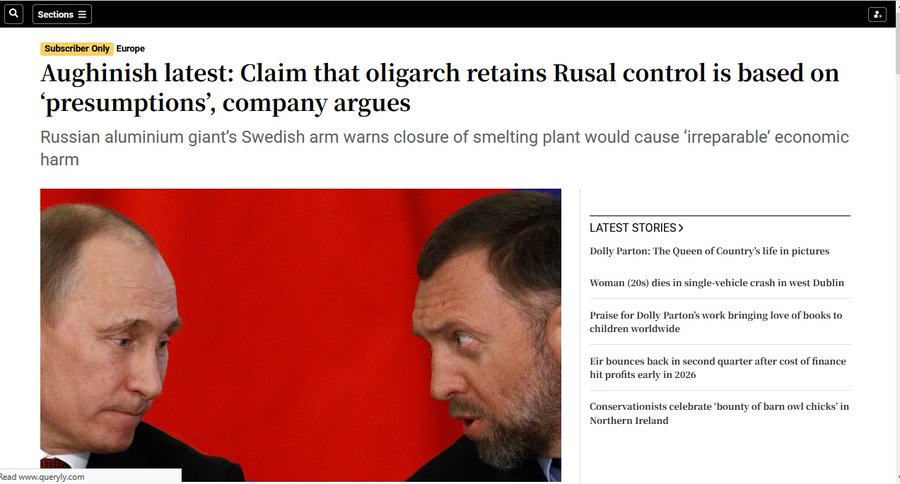
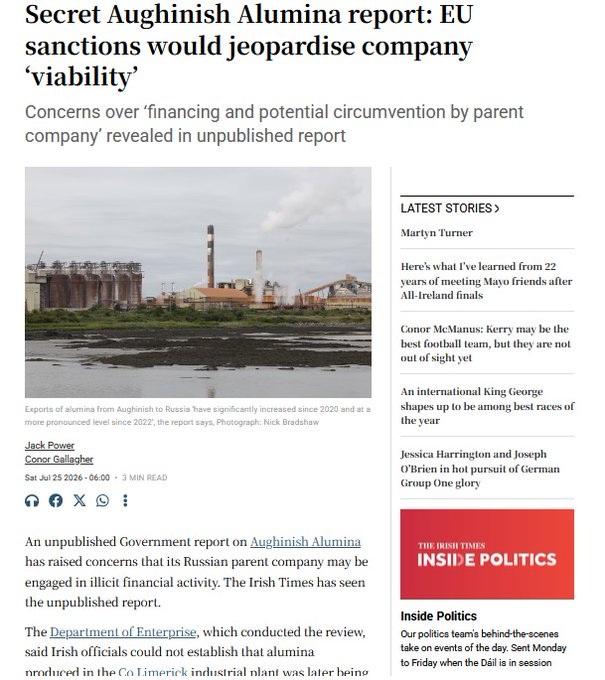


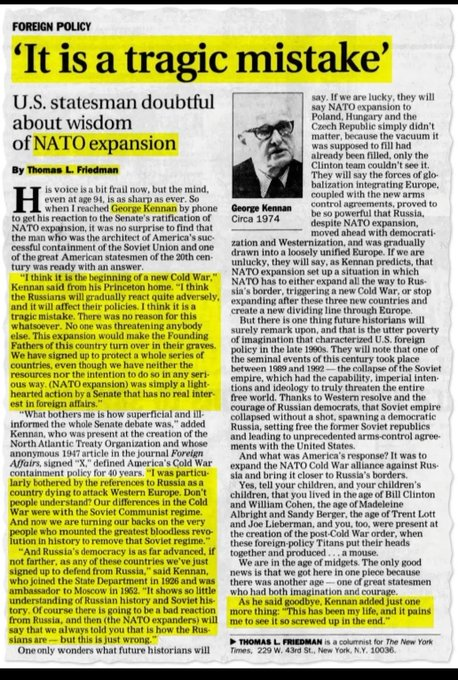
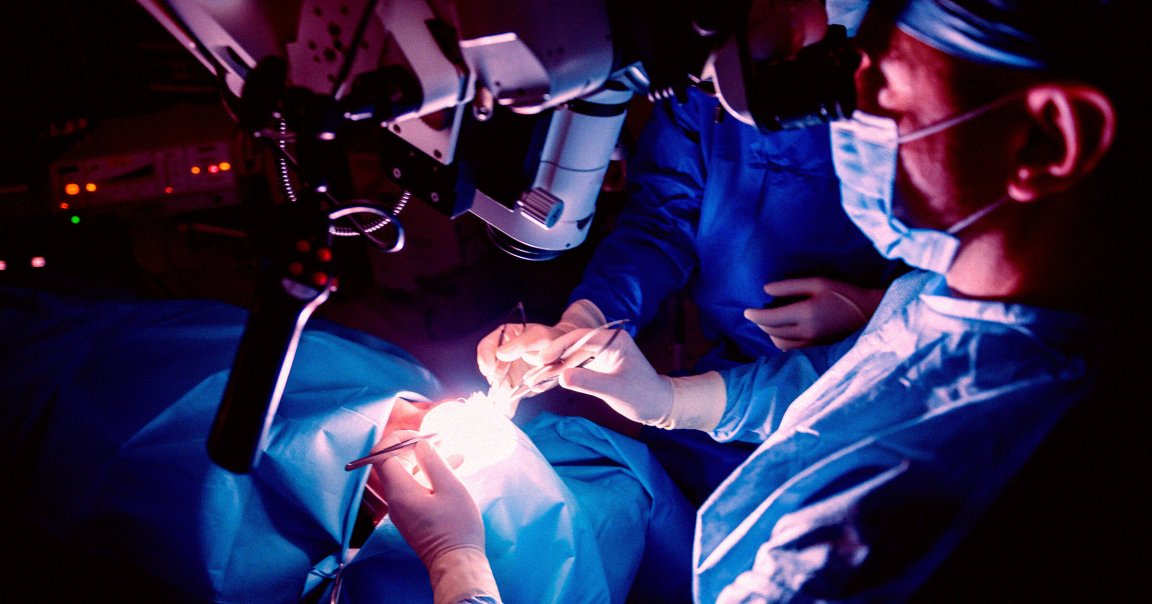



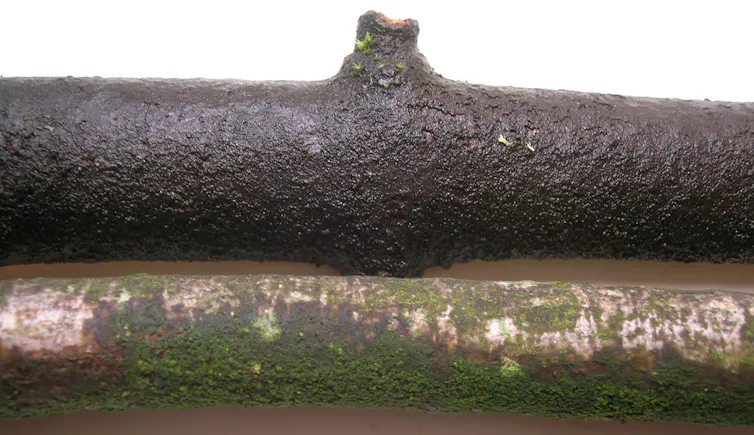
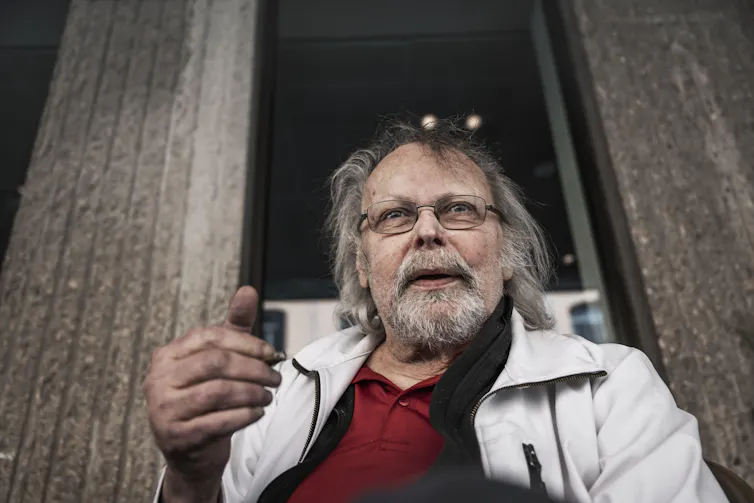
 Illustration: Brendan Lynch/Axios. Stock: Getty Images
 President Trump has a new
  Why it matters: Nine weeks out from the midterms, the president is charging into a fight Republicans have been scrambling to escape — staking political capital on one of the most toxic issues in the country, Axios’ Zachary Basu writes.
 Trump’s blunt intervention comes as the AI industry mounts a far more disciplined campaign to persuade data center skeptics rather than browbeat them.
 Zoom in: Prominent investor Gavin Baker laid out his own
  Water: Newer facilities can sharply reduce
  Taxes: Data centers can generate enormous
  Jobs: The buildout is driving demand for electricians, plumbers, welders, HVAC technicians and contractors, making
  Power: Baker points to new large-load tariffs and
  Environment: Baker argues that
  Towns: Data centers can turn struggling communities into beneficiaries of the AI boom. Baker points to
  Reality check: Republicans in key battlegrounds have spent weeks

