The Patients We Fear: Life in a Forensic Psychiatric Hospital | ENDEVR Documentary After the Psychosis – When a Violent Patient Seeks Freedom: • After the Psychosis: When a Violent Patien…
Behind the locked doors of a forensic psychiatric hospital, people who have committed violent crimes while suffering from severe mental illness struggle for a second chance. With unprecedented access to the Brockville Mental Health Centre, this documentary follows patients undergoing treatment in an institution rarely seen by the public. Over 18 months, both patients and staff reveal the realities of life inside—where recovery, responsibility, and risk are constantly weighed. As some patients prepare to return to society, the film raises a difficult question: can those who committed violent acts while mentally ill truly be rehabilitated—and will society ever accept them?
ENDEVR explains the world we live in through high-quality documentaries, special investigations, explainers videos and animations. We cover topics related to business, economics, geopolitics, social issues and everything in between that we think are interesting.
Can’t-miss innovations from the bleeding edge of science and techEmail addressSign Up
The massive surge of fossil fuel-powered data centers cropping up across the country are emitting an enormous amount of pollution, a pulsing indication that we’re headed in the wrong direction in the midst of a climate crisis.
The extent of the this polluting activity is confounding. As climate action group Floodlight found in a recent investigation spotted by Wired, Texas has become the epicenter of the United States’ current obsession with constructing AI data centers. Companies are exploiting regulatory loopholes as they construct new facilities powered by pollutant-spewing onsite gas plants.
The rate of growth of this “shadow grid” of custom power plants, some of which are big enough to fuel entire cities, is so enormous that the only global entity installing more gigawatts of gas plants than Texas is China, according to environmental group Global Energy Monitor.
On a national scale, scientists are still racing to wrap their heads around the environmental footprint of our new AI obsession. Cornell researchers found that at the current rate of AI growth, the burgeoning industry could represent 24 to 44 million metric tons of carbon dioxide emissions by 2030, the equivalent of adding five to ten million cars to US roadways.
Meanwhile, ongoing projects like the one in Abilene, Texas, the starting point of president Donald Trump’s flagship $500 billion Stargate project, are obtaining environmental permits that are usually reserved for small businesses like gas stations or dry cleaners, as Wired reports. The project’s facilities feature a whopping 62 diesel backup generators, making it orders of magnitude bigger than smaller ventures that use just one or two.
According to Floodlight, at least 38 data centers in Texas are using such regulatory loopholes to gain permits for onsite power sources, representing northward of 2,100 backup diesel generators, and yearly emissions of 2,500 tons of nitrogen oxides, which are highly toxic gases.
One common tactic for operators in Texas, according to Floodlight, is to announce a small data center development that would come in under pollution thresholds, only to suddenly expand once established.
Worse yet, for residents, it’s already likely too late to do anything against the data center expansion.
“The only chance to stop something like this is to do it at the very, very, very beginning of the process — before the permit is issued — through the public participation process,” former Texas Commission on Environmental Quality (TCEQ) staffer James Doty told Wired.
I’m a senior editor at Futurism, where I edit and write about NASA and the private space sector, as well as topics ranging from SETI and artificial intelligence to tech and medical policy.
As we grow older, staying mentally sharp becomes more important-and more possible-thanks to neuroplasticity, the brain’s ability to adapt, learn, and rewire itself throughout life. With the right habits, you can maintain or even enhance cognitive fitness.
What Is Neuroplasticity?
Neuroplasticity allows the brain to change its structure and function in response to learning, experiences, and environmental shifts. Dr. Andrew E. Budson of Harvard Medical School explains, “Neuroplasticity is the brain’s ability to learn, remember, and change when it is appropriate for the circumstances.”Cognitive fitness-your ability to think, learn, and remember-relies heavily on this adaptability.
A combination of physical, mental, and social activities supports neuroplasticity. Below are 6 strategies you can adopt to promote neuroplasticity and help strengthen cognitive function.
1. Move more, think better
Exercise boosts neuroplasticity by increasing brain-derived neurotrophic factor (BDNF), a protein essential for brain cell growth. Research suggests that lower levels of BDNF may contribute to cognitive decline, affecting memory, concentration, and learning ability. Aerobic activity is especially effective. The U.S. Department of Health and Human Services recommends at least 150 minutes of aerobic exercise per week.Strength training and increased blood flow also contribute to improved mood, memory, and focus.
2. Fuel your brain with the right foods
The Mediterranean and MIND diets-rich in vegetables, berries, whole grains, fish, nuts, and healthy fats-are linked to better brain health and reduced cognitive decline.Avoiding processed foods and refined sugars can help preserve mental clarity and support healthy BDNF levels.
3. Keep your brain active
Mental challenges strengthen neural connections and build cognitive reserve. Lifelong learning is a powerful way to protect the brain. Try:
You may be interested in…
A Guide to Cognitive Fitness
In this Special Health Report, Harvard Medical School doctors share a six-step program that can yield important and lasting results. Together these “super 6” can strengthen your intellectual prowess, promote your powers of recall, and protect the brain-based skills that are essential for full, rewarding, and independent living. From simple and specific changes in eating to ways to challenge your brain, this is guidance that will pay dividends for you and your future.
Sleep consolidates memories, clears toxins, and repairs neural pathways. Adults over 70 still need 7-9 hours of sleep per night. Struggling to rest? Improve sleep by:
Keeping a consistent sleep schedule
Getting morning sunlight
Limiting caffeine and evening screen time
Creating a calm sleep environment
Exercising regularly (but not too close to bedtime)
5. Stress less for a healthier brain
Chronic stress increases cortisol, which can damage neurons and inhibit neuroplasticity. Mindfulness meditation, deep breathing, music, and time in nature can all reduce stress and encourage neuroplasticity.
6. Stay socially engaged
Social connections support memory and mental clarity.
You may be interested in…
Improving Memory
Now you can tap into advice from Harvard Medical School experts to uncover how your brain changes as you age and discover the best ways to keep your mind and memory strong. Improving Memory is a fascinating look at how your mind works, paired with the best ways to protect your memory. You’ll discover: Steps you can take now to reduce your risk of dementia, the normal limitation of short-term memory that has nothing to do with memory loss, why aging isn’t always the culprit behind memory loss, 9 key differences between normal memory lapses and signs of dementia, 17 ways to improve memory and protect your brain, and more!
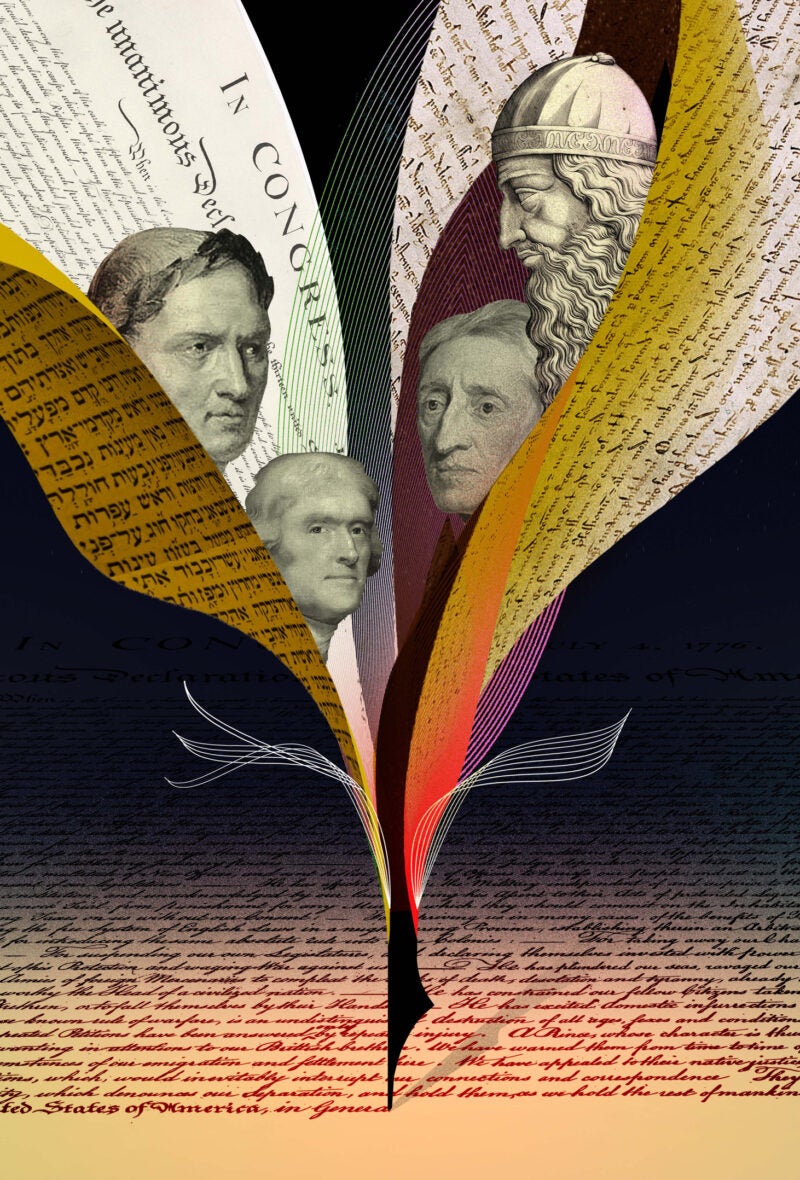
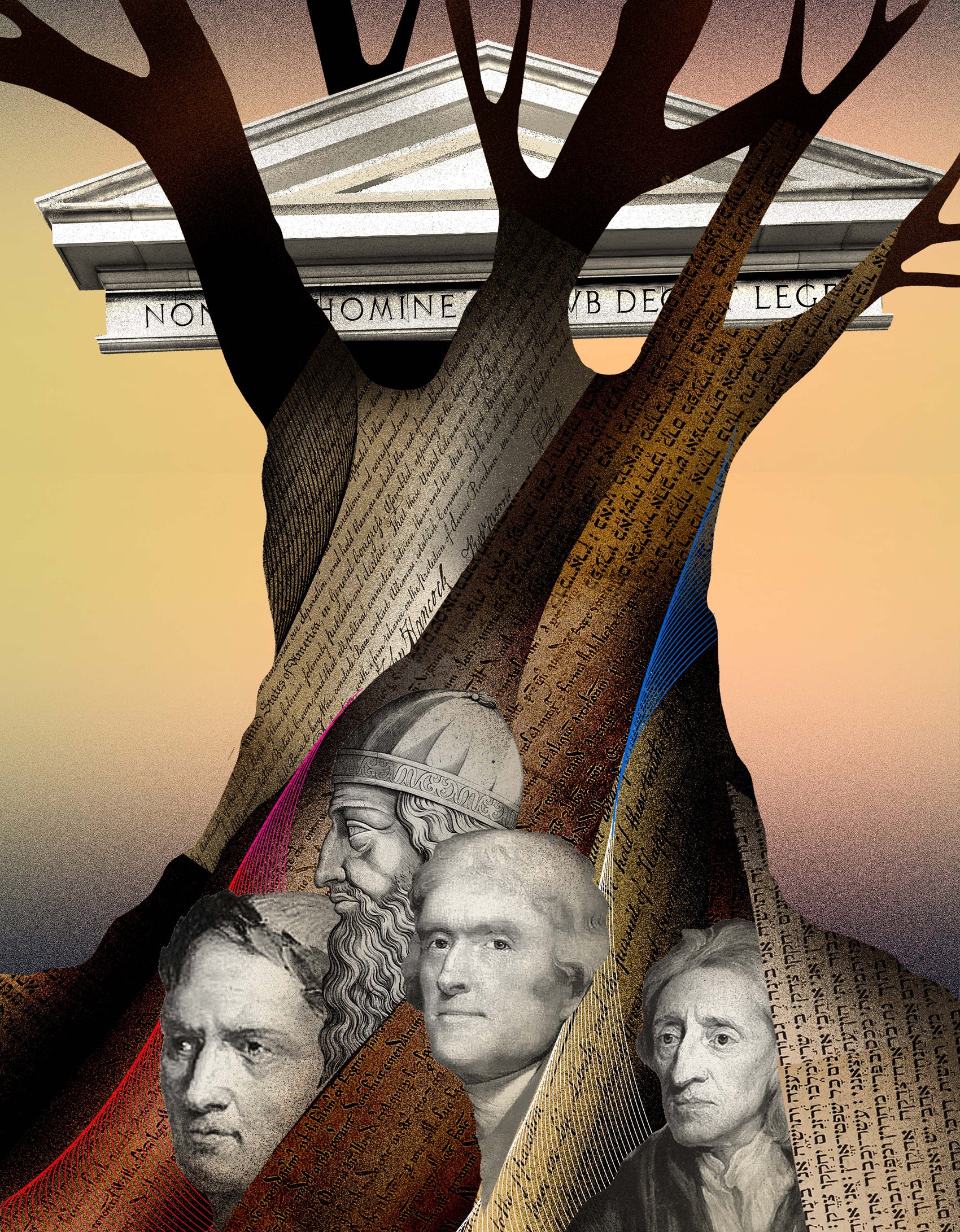
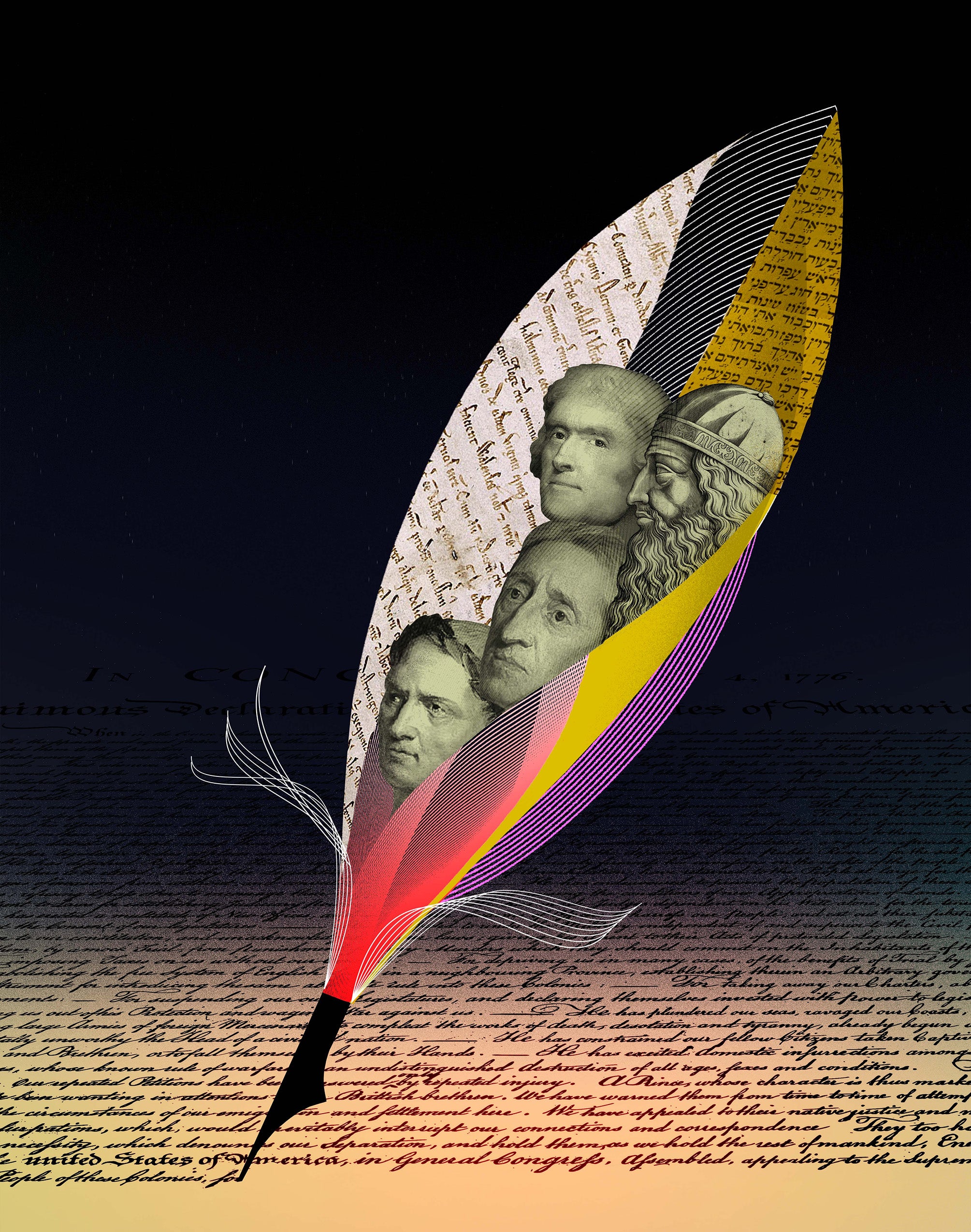
Born in ancient thought and forged through revolution, the idea that no person is above the law has been tested anew in every era. Harvard Law faculty examine this foundational legal principle
In 1399, King Richard II of England was stripped of his crown by his cousin, Henry Bolingbroke, with the support of Parliament. The outgoing king, it was argued, had become increasingly autocratic, taking revenge on enemies, alienating nobles, and governing tyrannically.
After Richard’s abdication, Parliament formally recorded the charges against him, both to justify the succession of Bolingbroke (now known as Henry IV) to the throne, and to frame his predecessor’s deposition as a lawful act. Among the document’s chief complaints was that Richard “expressly said, with an austere and determined countenance, that his laws were in his own mouth or, occasionally, in his own breast.”
Nearly 600 years later, another Richard, this one former American President Nixon, spoke to journalist David Frost about decisions he had made in office.Despite insisting that he understood the chief executive to be bound by the law, Nixon argued that some actions taken by the president, such as those done in service of national security, are lawful. Full stop.
“When the president does it,” Nixon famously said, “that means that it is not illegal.”
Both Richards had, in effect, challenged a key principle of what has become known as the “rule of law” — the idea that no one, neither citizen nor city clerk nor king, is above the law.
The idea continues to underpin the American legal tradition, as it does that of many other nations.Today, the concept has taken on renewed prominence in disputes over presidential criminal immunity — most recently in Trump v. United States — with supporters and critics alike claiming the rule of law as a central principle.
But where does the concept come from, and what does it encompass? Harvard Law scholars are examining these and other questions, drawing on legal history, legal theory, and contemporary legal practice to illuminate how the rule of law has been understood — and contested — over time.
‘A Government of Laws and Not of Men’
Harvard Law School Professor Noah Feldman points to a basic formulation found in the Massachusetts Constitution, which was authored by Harvard lawyer and patriot John Adams, and ratified in 1780.
“[The rule of law] provides that we be a government of laws and not of men,” says Feldman, the Harvard Law School Arthur Kingsley Porter University Professor.
At minimum, Feldman says, the rule of law requires that crucial decisions made by government actors are “shaped, governed, and controlled to some degree by the legal rules that are established for them.”
In the Anglo-American tradition, the rule of law has long been understood to require that rulers, along with the ruled, be subject to laws. It necessitates also that legal rules be publicly accessible and implemented through fair procedures, and that rule violations ordinarily give rise to meaningful forms of accountability. And while the rule of law does not preclude discretion in enforcing the law, Feldman says that where such leeway exists, it must be “because the legal system authorizes that discretion, rather than because someone just decides to extend it.”
That means that the law, in principle, applies to everyone, with no categorical exceptions for the wealthy, powerful, or connected, Feldman says. In other words, no one is supposed to be above the law. “That’s the aspirational part of the rule of law — that the system will follow the rules always, and not have deviations based on factors that aren’t considered legitimate within the law.”
In 1399, King Richard II of England was stripped of his crown by his cousin, Henry Bolingbroke, with the support of Parliament. The outgoing king, it was argued, had become increasingly autocratic, taking revenge on enemies, alienating nobles, and governing tyrannically.
An Evolving Norm
Although the phrase “rule of law” was popularized only as long ago as the 19th century, many of the ideas underpinning the concept are hundreds, perhaps thousands, of years old, and in the Western tradition have roots in sources such as the Hebrew Bible and the writings of ancient Roman and Greek thinkers like Cicero and Aristotle.
According to Elizabeth Papp Kamali ’07, the Austin Wakeman Scott Professor of Law at Harvard, inklings of these ideas can be found in English legal thought by the 12th century. But Kamali says one of the first clear articulations of the concept that no person is above the law is found in the early-13th-century treatise “De Legibus Et Consuetudinibus Angliæ,” also known as “Bracton’s On the Laws and Customs of England” and commonly referred to as “Bracton.”
Long attributed to Henry of Bratton, a 13th-century judge and cleric, but likely written at least in part by royal justices William of Raleigh and Martin of Pattishall, the work describes the English legal system as it existed at that time, including statutes, court decisions, and legal customs — and borrows extensively from Roman and canon law sources as well. Among the most famous of its maxims is “Non sub homine sed sub Deo et lege” — “Not under man but under God and law” — which is inscribed above the entrance to Harvard Law’s Langdell Hall. The treatise further declares, “There is no rex [king] where will rules rather than lex [law].”
“In what may be a later addition to the treatise, Bracton indicates that, because the king is below the law, he ought to be bridled by his earls and barons if he is perceived to be acting lawlessly,” Kamali says.
This notion came to the fore when King John was compelled by English barons angry at his highhanded ruling style to affix his seal to Magna Carta in 1215. Although John quickly revoked the charter — which promised key protections for barons and the church — the document was an important step in conceding some limitations on the monarch, Kamali argues.
She says that the famous charter, which was reissued by subsequent kings, also contains provisions fundamental to conceptions of due process. “A king can’t simply declare, for example, ‘I’m going to seize the properties of this person,’” she says. “Instead, Magna Carta insists there has to be some process that precedes a judgment of that kind.”
Credit: Brian Stauffer
But there are tensions within Bracton and the reissuances of Magna Carta, Kamali adds. “There is no direct recourse to deal with violations by the king,” she says. “Instead, you have to trust the fact that he will moderate his behavior because he is a vicar of Christ on earth, and also because God will eventually judge him.” As the 13th century turned into the 14th, England’s Parliament, which had primarily served as an ad hoc councilor to the king, gradually developed into a body capable of holding monarchs accountable, and occasionally deposing them. “Over the course of time the idea developed that Parliament could stand in judgment of a king, determining whether he has exceeded the bounds of his authority,” Kamali says.
To this day, Parliament’s stated purpose is “to check and challenge the work of Government, make and shape effective laws, and debate/make decisions on the big issues of the day.” In other words, to create the law and hold everyone, including the nation’s leaders, accountable to it.
The 17th and 18th centuries saw the dawn of the Enlightenment and an increased emphasis on natural rights, reason, and progress, which fostered new ideas about political authority. In her book “These Truths,” Harvard Law School Professor Jill Lepore credits English barrister Sir Edward Coke with “resurrecting” Magna Carta in the 1600s as a political weapon against royal sovereignty. Coke helped cast the historic charter as a symbol of a long tradition of leaders constrained by law, she says. This resurrection of Magna Carta, Lepore writes, “explains a great deal about how it is that English colonists would one day come to believe that their king had no right to rule them.”
Further conflicts followed. A believer in the divine right of kings, Charles I fought with Parliament over rulership, government finance, and religion, with the end results being the English Civil War (1642-1651) and his execution. After the Glorious Revolution of 1688, Parliament passed the English Bill of Rights, formally establishing Britain as a constitutional monarchy where the king could not rule without Parliament’s consent. The king, it declared, was not above the law after all.
And in 1689, English philosopher John Locke argued that power flows not from the divine but from the governed themselves, who give their consent to secure fundamental rights such as life, liberty, and property. “Wherever law ends, tyranny begins,” he wrote in “Two Treatises of Government” — words that would soon inspire the founders of the United States.
A Revolutionary Idea
As the British colonists began establishing permanent communities in North America in the early 1600s, they brought with them English ideas about law and governance.But it’s important to note that legal influences on early America also came from many other sources, says Bruce H. Mann, the Carl F. Schipper, Jr. Professor of Law at Harvard.
“The American colonists were not a homogeneous group,” he says, pointing to significant influxes of English religious minorities, as well as Dutch, Germans, Scots-Irish, Swedish, and enslaved people from Africa, not to mention the Indigenous Americans these groups quickly displaced.
By the 1700s, expanded ties with England through immigration and commerce, along with British control of nearly all 13 colonies, meant that Americans had come to see themselves as more fully British than the earliest settlers had — a sentiment that was decidedly not shared by the British, Mann says.
People have long worked to build better systems of law and government, shaped by evolving ideas about liberty, fairness, representation, and equality.
As Great Britain began imposing trade restrictions and new taxes in the 1760s to alleviate debt it had accumulated defending the American colonies during the French and Indian War, Americans’ perception of their situation changed. “The Americans were outraged,” Mann says. “They saw themselves as loyal subjects, but here they were being taxed, even though they were not represented in Parliament. All of this made the colonists start looking at Great Britain through a very different lens.”
In the period leading up to the American Revolution, the colonists framed their various complaints against the British in legal terms, arguing that Parliament and the king had exceeded their authority in the law, Mann says. In doing so, he adds, “many British North Americans saw themselves as upholding the highest traditions of the common law,” which included rule-of-law principles.
But when these arguments ultimately failed, America’s founders looked to the ideas of the Anglo-Saxons, Magna Carta, and John Locke, as well as the common law, to justify declaring independence from Great Britain, Mann says. “The arguments for the Revolution were not just political ones, but legal ones as well.”
Feldman agrees. “The Revolution itself was revolutionary in the literal sense, because they were British laws, and the people who declared independence were claiming the right from natural law to break the British legal system,” he argues.
Independence didn’t mean a complete break from inherited principles, however. In fact, the founders embraced the ideal of the rule-of-law concept and elevated it in the U.S. Constitution.Unlike in the English system, where the monarch and later Parliament claimed sovereignty, Feldman says, the new American republic vested sovereignty in the people themselves, who then delegated authority to specific institutions. As Thomas Paine put it in 1776: “In America the law is king.”
Above the Law?
While everyone in the fledgling nation was supposed to be subject to the law, as with many ideals, this one was often flouted. In early America, Mann notes, this was most notably the case with enslavers, whose authority over the men, women, and children they enslaved was, in theory, subject to various legal limitations. “But in practice,” he says, “it was unlimited.”
Likewise, although the Constitution sets limits on federal officials’ exercise of power, and provides mechanisms, such as impeachment, to hold some of them to these limits, American presidents have also long faced accusations that they were acting “above the law,” most often in response to official policies and acts, other times for personal misconduct, or a tangled combination of the two. Legal and constitutional challenges related to the former — official presidential actions — have typically been resolved over time through the courts or political mechanisms, such as elections or congressional impeachment. But a constitutional crisis can arise when these processes fail to generate consensus, Feldman says.
“In a constitutional crisis, neither side will acknowledge that the other is a legitimate actor under the Constitution to do what they want to do, and no one knows what’s going to happen next,” he explains.
As a prominent example, Feldman points to President Abraham Lincoln’s suspension of habeas corpus during the Civil War, a move which was deeply controversial even among fellow Republicans.Taken as a war measure, the decision allowed the administration to hold people suspected of disloyalty in prison without trial. Lincoln’s policy may or may not have violated constitutional strictures, though U.S. Chief Justice Roger Taney, writing in a federal court case called Ex parte Merryman (1861), certainly thought it had. But Congress stepped in to authorize suspension in 1863, and Lincoln was never prosecuted for his actions.
While few argue that presidents are or should be above the law, profound disagreements exist about the scope of executive power.
That is the other way in which a chief executive may theoretically be subject to the law: in a personal criminal or civil case, an idea tested in the 20th century during Nixon’s administration.
In 1972, during the Watergate scandal, Nixon participated in covering up a break-in at the Democratic National Committee headquarters by those working for his reelection campaign. A grand jury drafted an indictment against Nixon for obstruction of justice and other offenses, but prosecutors questioned whether they could charge the sitting president.
Ultimately, a 1973 Department of Justice memorandum concluded that indicting a president while in office would impermissibly interfere with the functioning of the executive branch. Instead, the impeachment process would have to suffice while Nixon was still president — a process that would surely have happened had Nixon not voluntarily relinquished his office in 1974, Feldman says.
“When Nixon resigned, that crisis was resolved,” he says. President Gerald Ford’s controversial decision to grant his predecessor “a full, free and absolute pardon” ended the possibility that Nixon might have been indicted and the question of presidential immunity tested in the courts.
In the late 1990s, President Bill Clinton, too, battled accusations of impropriety. In Clinton v. Jones, the Supreme Court made it clear that the president was not immune from civil litigation for conduct that occurred before taking office. Then, in 1998, Clinton faced threats of prosecution for obstruction of justice and perjury for lying about his relationship with White House intern Monica Lewinsky. The independent counsel investigating the allegations again deferred to the impeachment process rather than pursuing criminal charges.
In 2000, the Department of Justice issued a memo reaffirming its policy against criminally prosecuting a sitting president, while expressing the view that the chief executive might still be prosecuted after leaving office. But this would not be the final word on presidential immunity.
Presidential Power in Flux
Debates about the scope of presidential power and the capacity of legal institutions to hold modern presidents subject to the law during and after their time in office have recently flared with renewed urgency.
John C.P. Goldberg, the Morgan and Helen Chu Dean of Harvard Law School, points out that there is a difference between official actions that may exceed the powers of the presidency and administration officials’ refusal to comply with specific court orders, at least when it comes to rule-of-law concerns.
“The former — when presidents and other officials push the boundaries of their authority — have been commonplace throughout U.S. history, and don’t threaten the rule of law if courts can be relied on to determine the lawfulness or illegality of these actions,” Goldberg says.
It’s when chief executives try to thwart the judiciary that problems arise. “The failure to heed properly issued court orders is a more direct threat to the rule of law,” Goldberg says. “It at least suggests that the executive branch will decide for itself what the law permits, which is closer to having no controlling law at all.”
Today, the administration of President Donald Trump, who survived two impeachments during his first term, has reportedly faced more than 700 lawsuits targeting his administration’s policies on issues ranging from immigration and the environment to trade, federal agencies, and more.
“There is this perception that Trump is really pushing the envelope of what is legally permitted,” Feldman says.
So far, these controversies are being hashed out in the usual way — through the courts, which ruled against the administration 75% of the time in 2025, according to a New York Times analysis.
But while “the administration has not yet admitted to directly violating a court order,” Feldman says, “there is a perception that the rule of law is in jeopardy, because of their overt attacks on judges, overt attacks on the legal procedure, and hints that if push came to shove, they might be willing to violate the law if it were absolutely necessary.”
This concern was sharpened by the Supreme Court’s 2024 decision in Trump v. United States, which arose from an indictment of then-former President Trump for allegedly conspiring to overturn the 2020 election results. In its decision, six of the Court’s nine justices held that a former president is completely protected from criminal prosecution for conduct that was within the authority exclusively delegated to the office by the Constitution, and presumptively immune from prosecution for the exercise of powers shared with Congress.
The Court ultimately returned the case to the lower courts to consider the extent to which some of the president’s actions were within his constitutional authority. The case was then dismissed after Trump won a second term in 2024, and experts disagree about the impact of the decision.
Credit: Brian Stauffer
A Variety of Perspectives
Harvard Law scholars have expressed various perspectives about the Court’s presidential immunity ruling and what it portends for the rule of law.
Feldman says that some degree of immunity for the chief executive is not inherently incompatible with the rule of law: Government officials are routinely shielded from civil suits for conduct consistent with established legal rules. But he worries about the implications if the Court’s reasoning is pushed to its limits.
“If a government official, including the president, could overtly break all the laws and avoid all consequences of that, at some point, the law would no longer constrain that person, and then you wouldn’t be in a rule-of-law system,” Feldman says.
Goldberg and Fordham Law Professor Benjamin Zipursky share that concern. In “The Roberts Court Paradox,” a 2025 article in Fordham Law Review, they argue that the Court, out of an exaggerated concern to provide very clear, bright-line rules, adopted an unduly broad rule of immunity when a more nuanced, standards-based approach would have allowed for some legal accountability for presidential crimes without interfering with the ability of presidents to perform their official duties.
Adrian Vermeule ’93, the Ralph S. Tyler, Jr. Professor of Constitutional Law at Harvard, views the decision differently. He draws a distinction between the law’s directive and coercive elements — that is, the president’s obligations under the law versus the consequences for failing to follow it. Even if presidents are immune from criminal prosecution, Vermeule argues, they remain “subject to substantive legal obligations” and are therefore still bound by the law in an important sense. “His authority, even in an official capacity, is always subject to and indeed constituted by the law in its directive sense,” he writes in a post on his Substack, “The New Digest.”
Jack Goldsmith, the Learned Hand Professor of Law at Harvard, has argued that the immunity holding may be less consequential than critics fear. The decision’s more significant impact lies in its related rulings on the president’s exclusive removal power and exclusive power over investigation and prosecution, he writes in “The Presidency after Trump v. United States,” published in the University of Chicago Law School’s Supreme Court Review.
On the immunity question specifically, Goldsmith contends that norms of proper executive branch behavior — paired with the fact that lower-level officials remain subject to criminal prosecution — “are the main determinants of executive branch compliance with criminal law,” as he said in a 2024 speech.
In his Supreme Court Review article, Goldsmith points out that many factors inform a president’s compliance with criminal law. “One can certainly imagine a bad-man president engaging in widespread lawless criminal behavior,” he writes. “But, unfor tu- nately, the bad-man president had many tools to skirt the law before Trump [v. U.S.], to which its uncertain immunity ruling added relatively little.”
The Path Forward
For now, the full implications of the Court’s decision remain to be seen. While few argue that presidents are or should be above the law, profound disagreements exist about the scope of executive power — and the extent to which they may be personally subject to criminal or other court processes for violating the law.
Still, many experts are likely to concur with at least one of Feldman’s takeaways: Legal rules alone, he says, aren’t sufficient to sustain a rule-of-law system. “You need practices, norms — you need moral values,” he explains. “And if those are undermined, or they start to break down, then it’s very difficult to sustain any form of government in a regularized way.”
It is a lesson that echoes across the centuries, from Bracton to Nixon, from Magna Carta to the American Revolution to today. People have long worked to build better systems of law and government, shaped by evolving ideas about liberty, fairness, representation, and equality — in short, a commitment to the rule of law, including the idea that the law applies to even the most powerful among us.
As former U.S. Supreme Court Justice Anthony Kennedy ’61 said in a 2019 speech, “The rule of law … is the only secure foundation for the freedom to which we must always aspire.”
The US AI research company Anthropic has become known for building powerful AI models while simultaneously warning about their dangers.
Most recently, its executives wrote about the threat posed by “recursive self-improvement”. This is the point when AI systems can improve themselves by themselves, potentially leading to “superintelligence” far beyond human control.
“We are not there yet, and recursive self-improvement is not inevitable,” the Anthropic blogpost declared. “But it could come sooner than most institutions are prepared for.”
In fact, the idea of recursive self-improvement dates back decades. The British mathematician Irving John Good, who worked with Alan Turing at British codebreaking HQ Bletchley Park, warned in the mid-1960s of the “intelligence explosion” that would follow when a machine could design even better machines without human assistance. Good suggested “the first ultra-intelligent machine is the last invention man need ever make”.
In the 2000s, researcher Eliezer Yudowsky began building a community on the premise that recursive self-improvement and loss of human control could have catastrophic results, up to total human extinction (known as “x-risk”).
Yudkowsky discussed the idea of a “seed AI” that, while not very powerful, is designed for self-modification and able to read its own source code. This means it could generate new, better versions of itself which, in turn, would keep doing the same – researching improvements and writing code, creating a chain reaction of rapid new developments.
Put experts in your inbox. Get our daily newsletter
Two decades later, the question of recursive self-improvement is looming larger. Here’s why.
An AI coding revolution
It is not an overstatement to say that large language models (LLMs) are revolutionising computer programming. These AI models are well-suited to the job because computer code is highly structured and much simpler than human language. It is also easy to test and verify, and training data is abundant.
Each year, the University of Galway hosts the AtlanTec conference for Ireland’s tech industry. Two years ago, we saw IT companies mainly strategising about AI coding. Last year, they were experimenting. Now, they are incorporating it into engineering workflows.
Since LLMs are made using computer code, it is possible to program them to improve themselves. They can inspect, edit and improve the code, and can combine that with almost all relevant human knowledge gleaned from websites, books and academic publications.
This means we have the pieces in place for recursive self-improvement to become a reality – and we are starting to see it happen.
Despite Anthropic’s statement that “we are not there yet”, the same blogpost revealed that 80% of all code added to the company’s production codebase in May 2026 was generated by its Claude Code AI programming system, under direct human supervision. In February 2025, when Claude Code was launched, this figure was less than 5%.
The number of research papers published in the field of AI has also exploded, tripling over the past decade. Most use some AI systems in their production – whether in experimental design, coding, plotting graphs, or polishing prose.
This form of recursive self-improvement is slow – improvement cycles are in the order of months or years, because each is in some way gated by human approval and requires a lengthy training period. But it is still concerning.
LLMs have already been caught deceiving their overseers. In 2025, for example, the US AI research company OpenAI created a test. An LLM was told if it scored over 50% in a set of questions, it would be considered too powerful and would no longer be used for that task. So the LLM answered only four of the ten questions correctly, even though it had reliably scored better outside this particular test.
Why it’s so hard to ‘pause’ AI
This is not the first time there have been calls for caution. In March 2023, an open letter to AI labs called for a pause on large-scale AI development. It was signed by some of the most notable people in AI, such as deep-learning pioneer Yoshua Bengio and leading AI textbook author Stuart Russell.
Soon after, Yudkowsky suggested those who understood the risks of superintelligent AI should even be “willing to destroy a rogue datacenter by airstrike if necessary”. But such calls did not lead to a pause, and investment in AI training has only increased.
Anthropic’s leaders have now called for a globally coordinated pause mechanism regarding the issue of recursive self-improvement – stressing that people outside AI companies should be involved in open deliberation. Pope Leo XIV recently weighed in with a thoughtful and well-informed encyclical, urging for the pace of AI development to be slowed.
The trouble is, we face a coordination problem. Pausing only works if everyone pauses.
In the short- to medium-term, we believe world leaders will need to reckon with recursive self-improvement by collaborating across borders to curtail some forms of AI research and development.
Yet the EU’s AI Act does not mention this issue explicitly, and is strictly concerned with risks where humans misuse AI. This is important, but not the only issue. To date, Chinese regulation has taken a similar approach.
Meanwhile, the US government has created a chaotic and unclear regulatory environment. For the next few months at least, this means the most advanced AI models will require authorisation before release. This may be a case of doing the right thing for the wrong reasons.
But globally connected, long-term thinking is needed. Perhaps controversially, this should include the right to inspections inside AI tech companies, because a model which is quickly recursively self-improving – even if unreleased to the public – could still be out of human control.
One of us (James McDermott) is now leading a project for Research Ireland’s newly established Rinn network which will explore how to use debate among multiple AIs as a kind of self-check which can be monitored by a human overseer.
This is the kind of response to the issue – and potential threat – of recursive self-improvement that we believe is now urgently required.
The fastest serve so far at this year’s Wimbledon tennis championships was struck by the Argentinian Thiago Agustín Tirante on the opening day.
His serve of almost 148mph (238km/h) was still some way under the Wimbledon record of 153mph, set by Frenchman Giovanni Mpetshi Perricard in 2025.And despite Tirante giving his opponent less than a fifth of a second to play each serve, he lost the match in straight sets.
Which means his rocket serves were successfully returned on lots of points. Our emerging understanding of how the human brain works can help explain how this feat is achieved.
Whether you’re a player or a spectator, the ability to see a tennis ball travelling that quickly across the court is a marvel of human physiology. At nearly 150mph, the ball is travelling faster than anyone can watch it move.
By the time your brain has processed the sight of the ball leaving the racket, it is already well on its way to the other end of the court. Yet professional tennis players return these high-powered serves with astonishing accuracy.
The reason is that they do not rely on reaction alone. Returning a tennis serve depends on one of the brain’s most remarkable abilities: predicting the future.
Join 82,000 subscribers who get their news from experts
The player returning serve may have less than a fifth of a second to process where and how to hit the ball. Juergen Hasenkopf/Alamy
Predicting the future
Tennis players – and spectators – face the same basic problem: the visual information arrives in their brain slightly late.
Before a player becomes aware of a tennis ball hurtling across the court, light reflected from its surface has to be detected by their eyes’ retinas, converted into electrical signals, then transmitted along the optic nerves to the brain. There, the visual cortex begins analysing its colour, shape, speed and direction.
Even under ideal conditions, this takes around a tenth of a second. During that time, a ball travelling at nearly 148mph will have covered several metres.
For a spectator, this delay is rarely noticeable. The brain’s predictions are so accurate that the ball appears to move smoothly across the court, despite what you are seeing being a fraction of a second out of date.
But the player standing at the other end of the court needs to do a lot more than just watch the ball. They must move their body to that specific point on the court, position their racket and time their swing with great precision if they want to be in with a chance of winning the point.
In fact, much of this process begins before the ball has even left the opponent’s racket. It is an extraordinarily complex system.
How the brain works it all out
As the server prepares to strike the tennis ball, the receiver is already gathering information. The height and position of the ball toss, the rotation of the server’s trunk, the movement of their shoulder and forearm, the angle of the racket face and the speed of the swing all provide clues about what is about to happen.
Elite players have, of course, spent many thousands of hours learning to recognisethese subtle biomechanical cues. Their brains combine the latest cues with all that previous experience to estimate the likely speed, direction and spin of the serve – before the ball has even crossed the net.
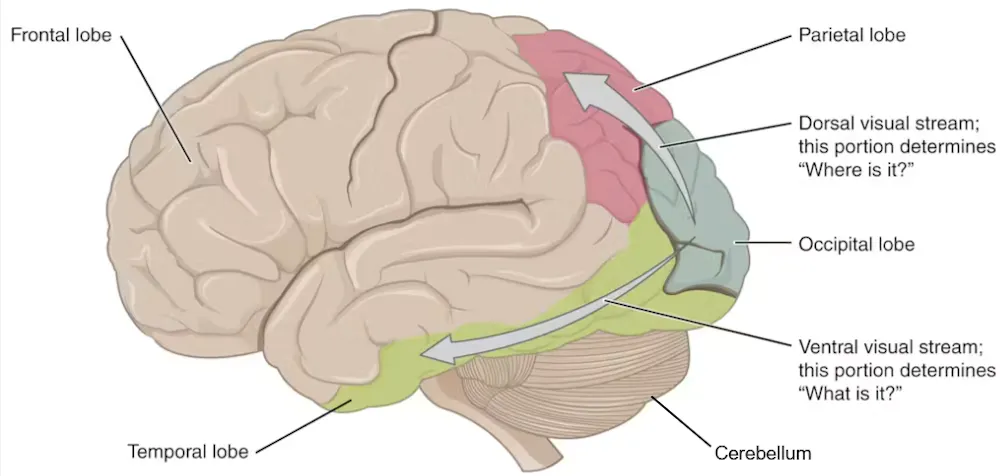
Central to this is thecerebellum, a densely folded structure tucked beneath the back of the brain. Although best known for coordinating movement and balance, advances in brain imaging and computational neuroscience have revealed it is also one of the brain’s great prediction engines.
Rather than simply responding to sensory information as it arrives, the cerebellum continuously generates internal models of how the body and external world behave. As fresh visual information reaches the brain, these models are updated almost instantaneously, allowing movements to be adjusted before conscious awareness has caught up.
But the cerebellum does not work alone.A specialised region of the visual cortex, known as area MT or V5, is exquisitely sensitive to movement, and calculates the speed and direction of the ball as it crosses the player’s visual field.
This information travels along the dorsal visual stream – often called the brain’s “where pathway” – to the posterior parietal cortex, where the ball’s position is integrated with information about the player’s own body.
From there, premotor regions begin preparing possible movements. The supplementary motor area helps organise their sequence, and the primary motor cortex sends commands to the muscles of the trunk, shoulder, arm and wrist.
At the same time, the frontal eye fields and the superior colliculus (a small structure in the midbrain that rapidly redirects the eyes towards objects of interest) generate rapid eye movements towards where the ball is expected to be next – rather than where it was a fraction of a second ago.
This is why the fastest returns in tennis are not simply feats of lightning-fast reflexes. They are the product of a brain that is constantly making, testing and refining predictions. The players who appear to have more time have become exceptionally good at anticipating what will happen next.
Tennis and beyond
Neuroscientists are still trying to understand why some tennis players acquire these remarkable predictive skills faster than others. Is it simply a matter of hours spent on court, or are some brains naturally better equipped to build the internal models that underpin elite performance?
For now, the answer appears to be a combination of both.
Understanding how the brain predicts movement has implications far beyond tennis. Similar neural mechanisms help us catch a falling glass before it hits the floor, judge when it is safe to cross a busy road, or drive through traffic.
These predictive systems are becoming an important focus of neuroscience research. Insights into how the cerebellum and wider motor networks anticipate movement are helping researchers improve rehabilitation after neurological injury, understand disorders of movement and coordination, and design robots capable of interacting more naturally with an unpredictable world.
Meanwhile, insights from neuroscience might also help hone a future Wimbledon tennis champion.
Illustration: Sarah Grillo/Axios. Stock: Getty Images
The life sciences world is split over how the U.S. should respond to China’s quick biotech advances — specifically over whether Washington needs a more protectionist playbook to preserve American dominance, Axios’ Caitlin Owens reports.
It’s both cheaper and faster to do early-stage drug development in China than in the U.S. That reality is now being reflected in the places pharma giants like Bristol Myers Squibb and Pfizer are spending their money.
Zoom in: Skeptics warn that the strategy of rapidly snapping up Chinese-developed experimental drugs is shortsighted or even dangerous. It risks hollowing out the American biotech base, and it won’t stop China from eventually competing directly with large pharmaceutical companies.
Others take the view that the China work will yield another source of high-quality drugs. “American patients deserve access to groundbreaking new drugs,” Atlas Venture partner Bruce Booth wrote in a blog post.
“The origins of drugs have never really mattered, nor should they.”Get Axios Vitals for daily reporting on industry, policy and the future of health.
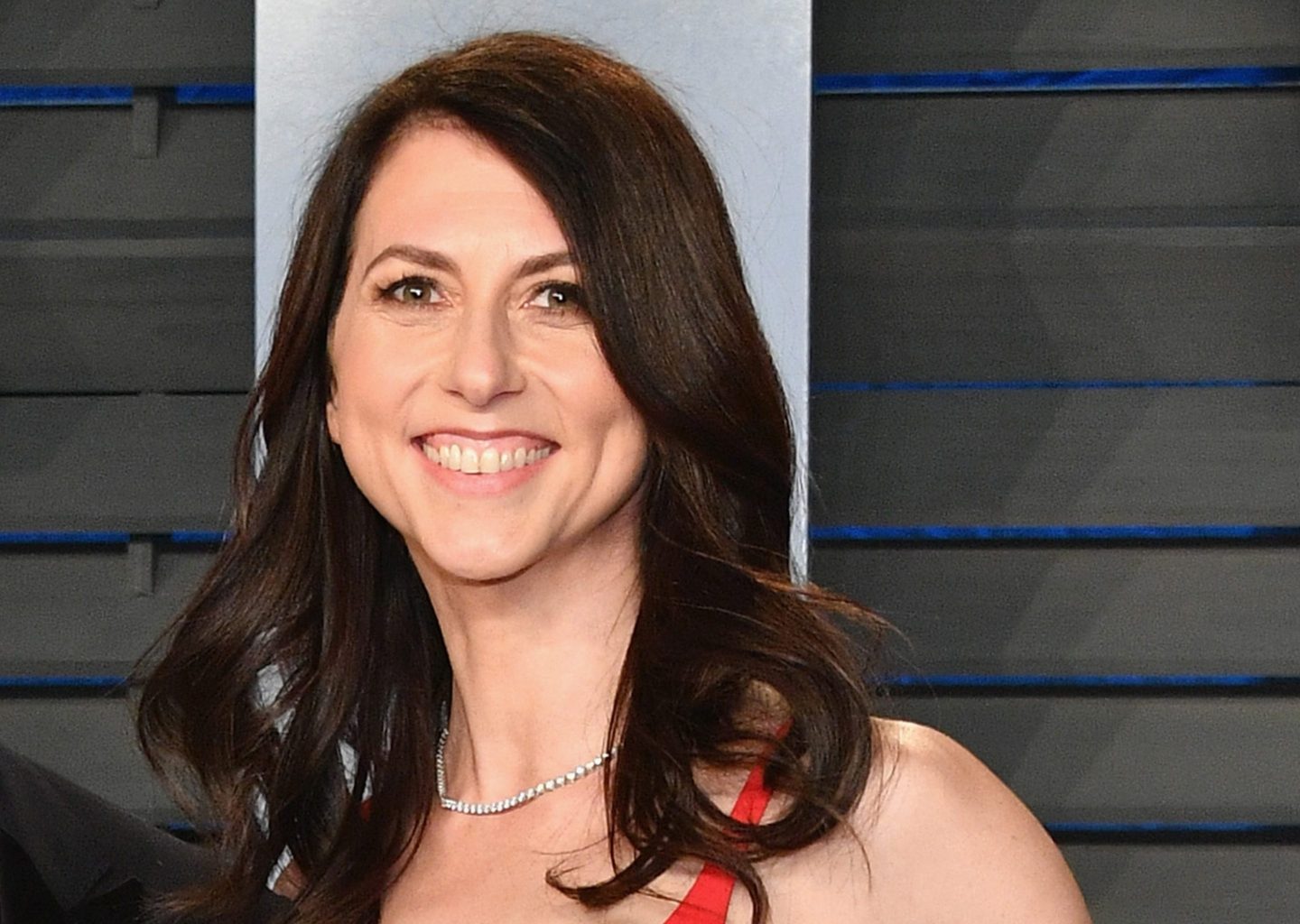
MacKenzie Scott, worth $35.8 billion, just donated a record-breaking gift to the U.S. nonprofit Active Minds to support a “new era of mental health.”Dia Dipasupil / Staff / Getty Images
Billionaire MacKenzie Scott has become one of the most prolific philanthropists of the modern era by writing massive, no-strings-attached checks to non-profits. And her giving spree shows no signs of slowing down anytime soon, despite having donated nearly half of her net worth. Now, the charitable trendsetter is giving millions to support the youth mental health crisis.
Recommended Video
Active Minds, a U.S. non-profit mobilizing youth and young adults to change the culture around mental health, just received a $20 million gift from the billionaire worth $35.8 billion.
It’s the largest donation in the organization’s history, and notably, was completely unrestricted; Scott famously allows organizations to spend the money as they see fit, allowing organizations like Active Minds to expand programming, invest in long-term growth, and respond to community needs without donor-imposed restrictions. Scott has previously donated to the non-profit, having gifted $4 million in 2021.
“MacKenzie Scott’s investment in Active Minds is transformative not just in its scale, but in its validation of young people as the primary drivers of change in mental health,” Alison Malmon, founder and executive director at Active Minds, tells Fortune. “Unrestricted support provides us with the flexibility to use resources where the need and opportunity are greatest, while simultaneously building our long-term capacity to meet this pivotal moment.”
And since receiving the gift, the non-profit says it’s strategized a multi-year plan to dole out the money in scaling national infrastructure that builds community, energizes young leadership, funds youth-led solutions, and “translates youth voices into system change.”Active Mind is also looking to funnel resources into its Mental Health Advocacy Academy for high schoolers, as well as its Mental Health Advocacy Institute for college students.
“While this gift secures a strong foundation and helps us navigate an uncertain philanthropic landscape, philanthropy alone cannot solve this crisis,” Malmon continues. “Lasting progress requires sustained, cross-sector investment.”
If you or someone you know is struggling or in crisis, help is available. You can call or text 998 to reach America’s free and confidential Suicide and Crisis Lifeline for support. Or, you can chat online at 988lifeline.org.
America’s youth is up against a mental health crisis
Around a fifth of American high schoolers have seriously considered attempting suicide, according to 2023 data from the Center for Disease Control (CDC), with 16% even creating a plan. During that same year, around 20% of U.S. adolescents, aged 12 to 17, reported facing feelings of anxiety within the last two weeks; another 18% reported symptoms of depression.
It’s an issue that’s worsening over time. The proportion of young people experiencing severe anxiety shot up by 86% in the U.S. since the mid-1990s, according to a 2025 study published by mental health researchers. Severe depression also skyrocketed by 145%.
And it’s no surprise that Gen Zers seem to be struggling the most. Last year, researchers at Harvard University and Baylor University discovered that, on average, young adults aged between 18 to 29are deeply unhappy. The young adults struggle with poor mental, physical health, negative judgments of their own personal character, finding meaning in life, financial security, and the quality of their relationships.
Gen Z is so dejected that they’re actively dismantling Harvard’s long-established Flourishing Measure. Now, the happiness curve is flat until around age 50, when life satisfaction begins to rise again.
Scott has been on a $26 billion giving spree since 2020
Scott’s $20 million donation is just a drop in the bucket of her $26 billion philanthropic streak since 2020, when she started steadily donating through her foundation, Yield Giving.
The philanthropist donated a whopping $7.2 billion in 2025 alone. She’s named the third most generous philanthropist in the world, having given away 46% of her net worth, according to an 2026 analysis from Forbes.In contrast, Forbes also estimated that Bezos and his wife, Lauren Sánchez Bezos, have donated only $4.7 billion throughout their entire lives.
And her philanthropic priorities often extend to causes and institutions that support vulnerable communities, like combating America’s youth mental health crisis.
Earlier this year, the early Amazon employee and ex-wife of Jeff Bezos gave a $70 million unrestricted donation to Meals on Wheels America: a leadership organization that supports nationwide charities in providing meals, social connection, and safety checks to more than two million U.S. seniors and homebound people every year. Her contribution came at a time when one in three local Meals on Wheels America providers have a wait-list, with elderly citizens having to wait an average of four months for meals and services.
Scott has also shelled out 10 figures to support education. Just a few months ago, she gifted $72 million to Minnesota tribal college Red Lake Nation College. And just weeks before that, it was revealed that the 56-year-old had donated $42 million to Elizabeth City State University—one of America’s historically Black colleges and universities. That contribution set her at a new milestone, pushing her total giving to HBCUs over the $1 billion mark.
Habitat for Humanity, a global nonprofit organization helping alleviate the housing crisis, also received $436 million in unrestricted giving from the mega philanthropist. Plus, Scott has invested in climate action, donating $90 million to the Forests, People, Climate (FPC) collaborative determined to end tropical deforestation. Even the Girl Scouts of the USA received about $84.5 million from Scott to support girls’ leadership and programming.
The Fortune 500 Innovation Forum will convene Fortune 500 executives, U.S. policy officials, top founders, and thought leaders to help define what’s next for the American economy, Nov. 16-17 in Detroit. Apply here.

 • After the Psychosis: When a Violent Patien…





 Pharma’s China tradeoff