
 Menu
Menu Search
Michael Sandel saw it coming
Philosophy helps us solve ‘big questions that matter,’ argues ‘Justice’ professor as he accepts Berggruen Prize
Samantha Laine Perfas
Harvard Staff Writer
April 15, 2026 4 min read
In 1996, political philosopher Michael Sandel predicted in “Democracy’s Discontent” that globalization would “banish ambiguity, shore up borders, harden the distinction between insiders and outsiders, and promise a politics to ‘take back our culture and take back our country,’ to ‘restore our sovereignty’ with a vengeance.”
Flashing forward to the extreme division we see today, these words have proven prophetic. What were the signs?
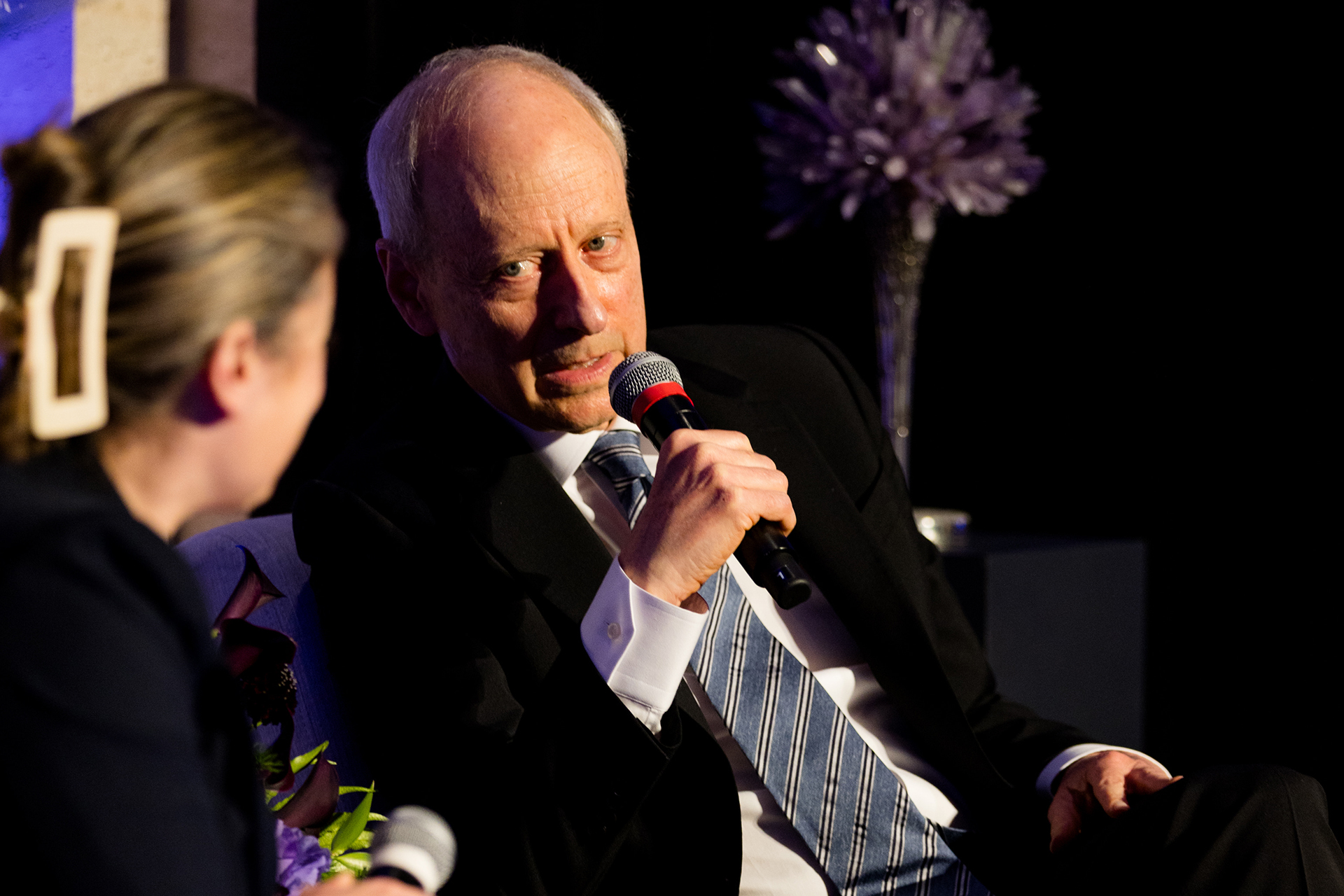
“At the time, I thought there was a lot of hubris,” and that legitimate concerns of community erosion were being ignored, Sandel said Monday as he received the Berggruen Prize for Philosophy & Culture, an annual award that recognizes top thinkers whose contributions have lasting intellectual and practical impact worldwide.
He was joined in conversation by Chrystia Freeland, the former deputy prime minister and minister of finance of Canada, who currently serves as economic adviser to the president of Ukraine and is the incoming chief executive officer of the Rhodes Trust.
Sandel, the Anne T. and Robert M. Bass Professor of Government, has written extensively on justice, democracy, bioethics, the moral limits of markets, and meritocracy. An online version of his popular Gen Ed “Justice” course has reached a global audience of tens of millions with lectures covering everything from taxation to free speech.
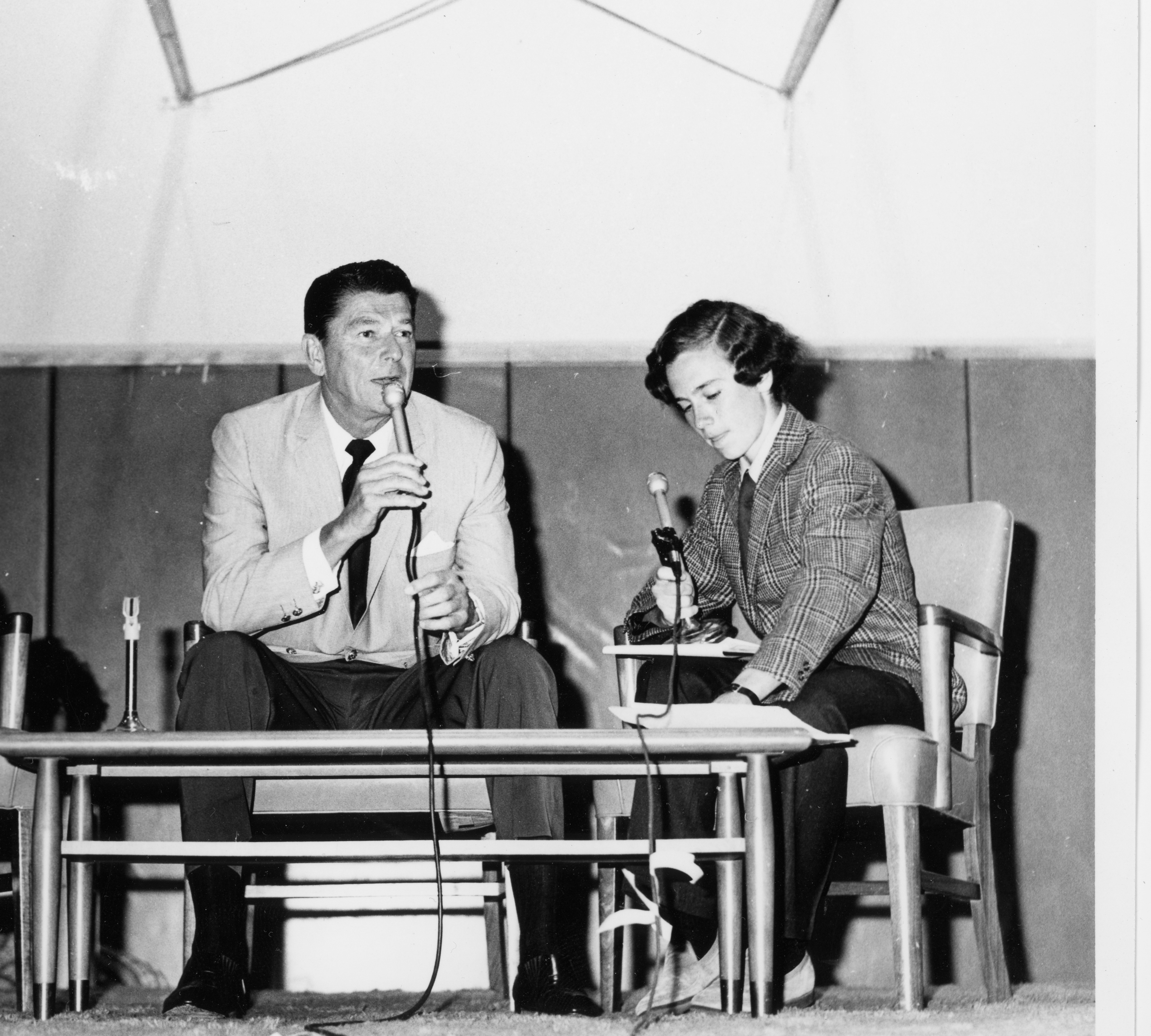
During the ceremony, Freeland and Sandel looked back on Sandel’s life and career, including his high school years in West Los Angeles. Even as a teenager, Sandel had a knack for challenging conventional wisdom. In 1971, he convinced Ronald Reagan, then governor of California, to debate him at his school — by strategically delivering six pounds of jellybeans to his home. He brought in a legal pad full of his toughest questions on the Vietnam War, the United Nations, and voting rights. Reagan responded respectfully and amiably.
At the end of the hour, Sandel wasn’t quite sure what had happened.
“He hadn’t persuaded us of his views, but he had somehow disarmed us, in part because he took us so seriously,” Sandel said of the experience. “And he listened, which is a lesson that I’ll always remember.”
His most recent book, “The Tyranny of Merit” argues that notions of personal success have led to a deeply polarized society.
“There’s an assumption that has tightened its hold on our public understanding of success, that those who’ve landed on top, that their success is their own doing,” Sandel said.
That’s simply not true, he said. Each of us is surrounded by teachers, family, peers, and environments that play a role in our success. Sandel said we should be cultivating in our youth two messages: work hard to develop talent but also acknowledge the luck you’ve received along the way.
This approach might offer a salve to current political fires, Sandel said. Often elites forget that most U.S. citizens do not have a college education, which many view as the ticket to “dignified work in a decent life.”
“That’s a recipe for anger and resentment, and the sense among many working people is that credentialed elites look down on them, and don’t respect their dignity or the work they do,” he said.
Capping the event, which took place at the Harvard Art Museums, Sandel said he is encouraged by the “hunger” of young people to engage in public debate and noted that philosophy plays a crucial role in our ability to solve problems.
“Many people think that philosophy resides in the heavens far beyond the world in which we live. I think that’s a mistake,” he said. “Philosophy belongs in the city where citizens gather and reason together and argue together about big questions that matter to their lives.”
The $1 million award given annually by the Los Angeles-based Berggruen Institute honors thinkers whose work has made a meaningful impact on a world rapidly transformed by social, technological, political, cultural, and economic change. Past laureates include Onora O’Neill, Martha Nussbaum, Ruth Bader Ginsburg, Paul Farmer, and Patricia Hill Collins.


