
Boston, 1712. The midwife hands a baby girl to her mother. Fifteenth child in the Franklin household. They name her Jane... Seven years later, another baby arrives. A boy. Benjamin. Number seventeen.
Same parents. Same cramped house. Same poverty. Two children who will share almost identical genetic potential. But their lives will split so completely that 250 years later, one name will be on currency and in every history textbook, while the other will be barely a whisper in footnotes.
Jane Franklin married at fifteen. Not for love. For subtraction. One less mouth for her parents to feed. Her husband Edward made saddles, which meant irregular income and a future of counting pennies until her fingers ached.
Her brother Benjamin left home around the same time. Learned printing. Moved to Philadelphia. Started climbing. Jane started something else. Pregnancy. Twelve times in twenty-two years. Her body became a factory of life that kept delivering heartbreak. The babies came, and then they left. Josiah at five years old. Sarah as a toddler. Benjamin at three. Another Jane at seven. The names blur together in colonial death records, assuming there were records at all. Eleven of her twelve children died before she did.
While Benjamin Franklin sat in London drawing rooms discussing natural philosophy, Jane sat in Boston doing arithmetic that meant survival. Three shillings for rent. Can we afford candles this week? How much soap can I make before my hands crack open? She wasn’t less intelligent than her famous brother. Her letters prove a mind just as sharp, just as curious. She read everything she could find. She understood politics deeply. She thought in complex, elegant sentences. But intelligence without access is just potential that evaporates.
Benjamin got apprenticeship and patronage. Jane got a husband whose mind deteriorated, leaving her as sole provider for a household that kept expanding and collapsing in cycles of birth and death. She made soap. Took in boarders. Sewed by candlelight until her vision blurred. Became the communication center for the entire Franklin family network, coordinating help and resources, invisible infrastructure that held everything together.
When Benjamin died in 1790, twenty thousand people attended his funeral. France mourned. He’d secured his legacy as a founder, inventor, diplomat. He left Jane a house and income. She was seventy-eight. For the first time in sixty-three years of marriage, she had financial security. She lived four more years before dying quietly in Boston. Same family. Same intelligence. Wildly different outcomes based entirely on which body they were born into.
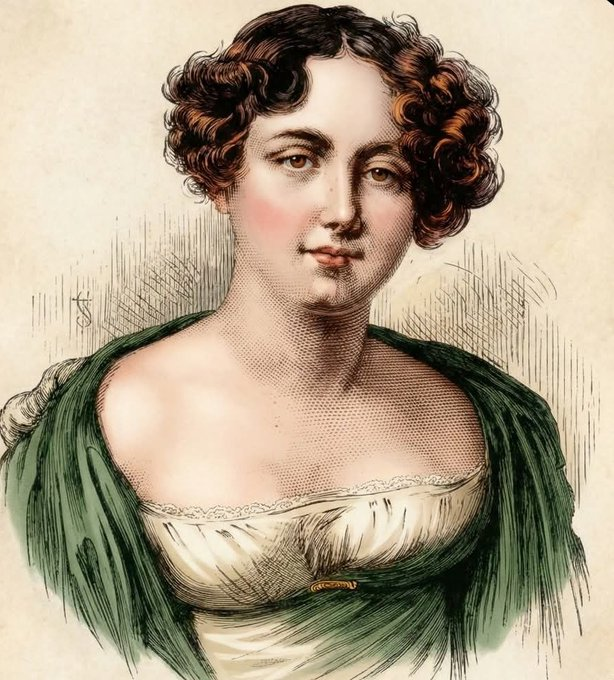
 © Bodoklecksel (Wikimedia Commons) / Die grossen Polarexpeditionen London 1978 (Restored & Colorized) © Daughters of Time #archaeohistories

 canisgallicus