
Baboon siblings get jealous just like human kids – scientists
Agence France-Presse / 10:22 AM February 11, 2026
Share:


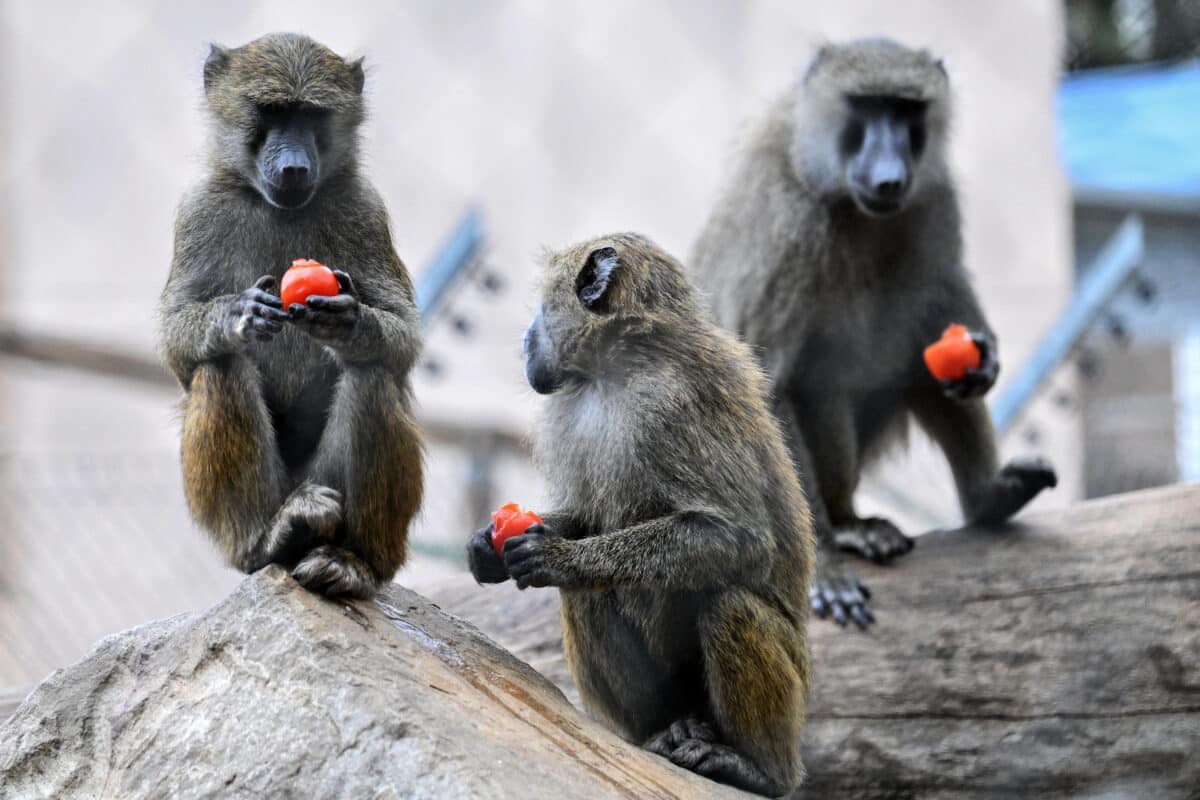
PARIS — Sibling rivalry isn’t just a problem for humans — young baboons also compete for their mother’s attention, scientists said on Wednesday.
The scenario is familiar for many parents: just when they finally get to share a special moment with one of their children, a little brother or sister pops up trying to get noticed.
Article continues after this advertisement
Axelle Delaunay, an evolutionary biologist at Finland’s University of Turku and lead author of a new study, told AFP that jealousy is a “very striking” emotion in humans.
READ: Baboons escape Texas biomedical research facility
However, it has been little studied among our fellow primates because jealousy is “very complicated to measure”, she said.
You May Like
Vet Warns: “If Your Dog Licks Its Paws, Stop Feeding Them These 3 Foods”Your Pet Nutrition
Female primates usually only have one baby at a time, so “it was generally thought there was no real competition between siblings, because brothers and sisters are different ages and do not necessarily need their mother and her resources at the same time”, Delaunay explained.
You May Like
Why Are Seniors in Ireland Snapping Up This 59€ WatchSmartTrack Watch
Mon Confiado sa retoke ni Ynez: Ang ganda mo na, bakit pinagalaw mo pa?NAGTAKA rin ang award-winning actor na si Mon Confiado kung bakit nagparetoke pa ang dating karelasyong aktres na si Ynez Veneracion.Inquirer.net
For the study, a team of researchers observed two troops of wild chacma baboons in Tsaobis Nature Park in central Namibia between August and December 2021.
Article continues after this advertisement
There were 16 families living in the troops, with a total of 49 young siblings.
READ: Troublesome South African baboon evicted for raiding homes
Article continues after this advertisement
Baboons live in societies ruled by women, with the position of power handed down from mother to daughter. Males, meanwhile, leave after puberty.
Like humans, baboon infants have a long developmental period during which they maintain strong bonds with their mother.
The mothers often groom their children — and have been known to play favourites.
So the scientists spent lots of time watching baboon mothers either resting or grooming their children.
They meticulously noted when another infant interfered with a mother’s grooming by biting, slapping, crying out or more gently asking for affection.
What they observed “strikingly mirrors patterns of sibling jealousy reported in humans”, according to the study published in Proceedings of the Royal Society B: Biological Sciences.
READ: 3 baboons still loose at Paris Zoo after 50 escaped
The young baboons were more likely to interrupt their mother when she was grooming one of their siblings than when she was just resting.
The scientists also developed an index to show how the mothers played favourites, choosing to groom some kids more than others.
Delaunay pointed out that the displays of sibling jealousy did not appear to offer “many immediate benefits”.
Subscribe to our daily newslette

 canisgallicus