
The Pursuit of Mastery
The timeless quest to go beyond competence and achieve excellence.
Big Think, Stephen Johnson, Rachel Barr, and Steven Ross Pomeroy
Jan 30, 2026
Big Thinkers,
Last Saturday, the American climber Alex Honnold successfully scaled the 1,667-foot Taipei 101 skyscraper in Taiwan with no ropes or safety nets.
I’m not sure why. I’m not being a smartass: The feat was wildly impressive and made for great TV. But to those of us who prefer the interiors of skyscrapers over the exteriors, it’s not immediately obvious what compels people like Honnold to risk everything, all for what turned out to be an “embarrassing” payday, as he told The New York Times.
Perhaps it’s pride, prestige, or an adrenaline addiction. Or maybe the reason is as simple as the one that British climber George Mallory offered in 1923 when a reporter asked him why he wanted to climb Mount Everest: “Because it’s there.”
We are drawn to mastery, whether it’s perfecting our own craft or watching other people push the limits of human potential.
Our latest special issue brings you a collection of stories about all things mastery. Inside, we explore the science behind the “quiet eye” of elite athletes, the systems that create star performers, actor Ethan Suplee’s quest to master himself, and much more. You can catch the full issue here.
Read on,
Stephen
THE BIG SECOND ACT
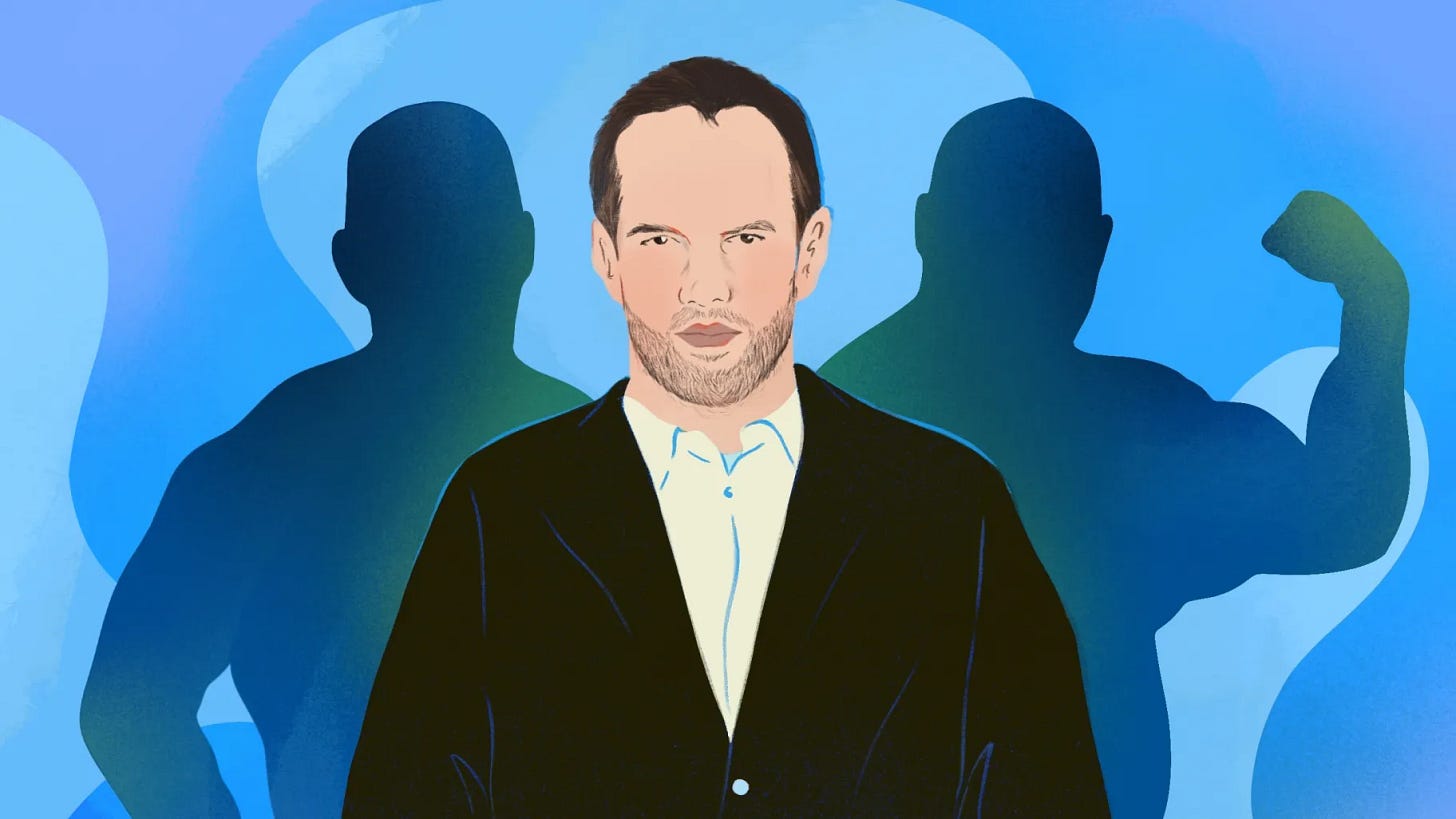
From self-erasure to self-mastery: Ethan Suplee’s second act
By Mike Wehner
You’d probably recognize actor Ethan Suplee as the chubby bully on Boy Meets World, lovable Louie in Remember the Titans, and the aptly named “Tuna” (Johnny Depp’s sidekick) in Blow. But you probably wouldn’t recognize Suplee if you saw him today in the gym. Once weighing in at 550 pounds, Suplee is now down to about 250, and he’s documented his efforts to master his food addiction in his new career as a fitness influencer. Big Think recently caught up with Suplee to discuss his Hollywood career, his second act, and why eating a piece of banana bread is not the end of the world.
THE BIG GAZE
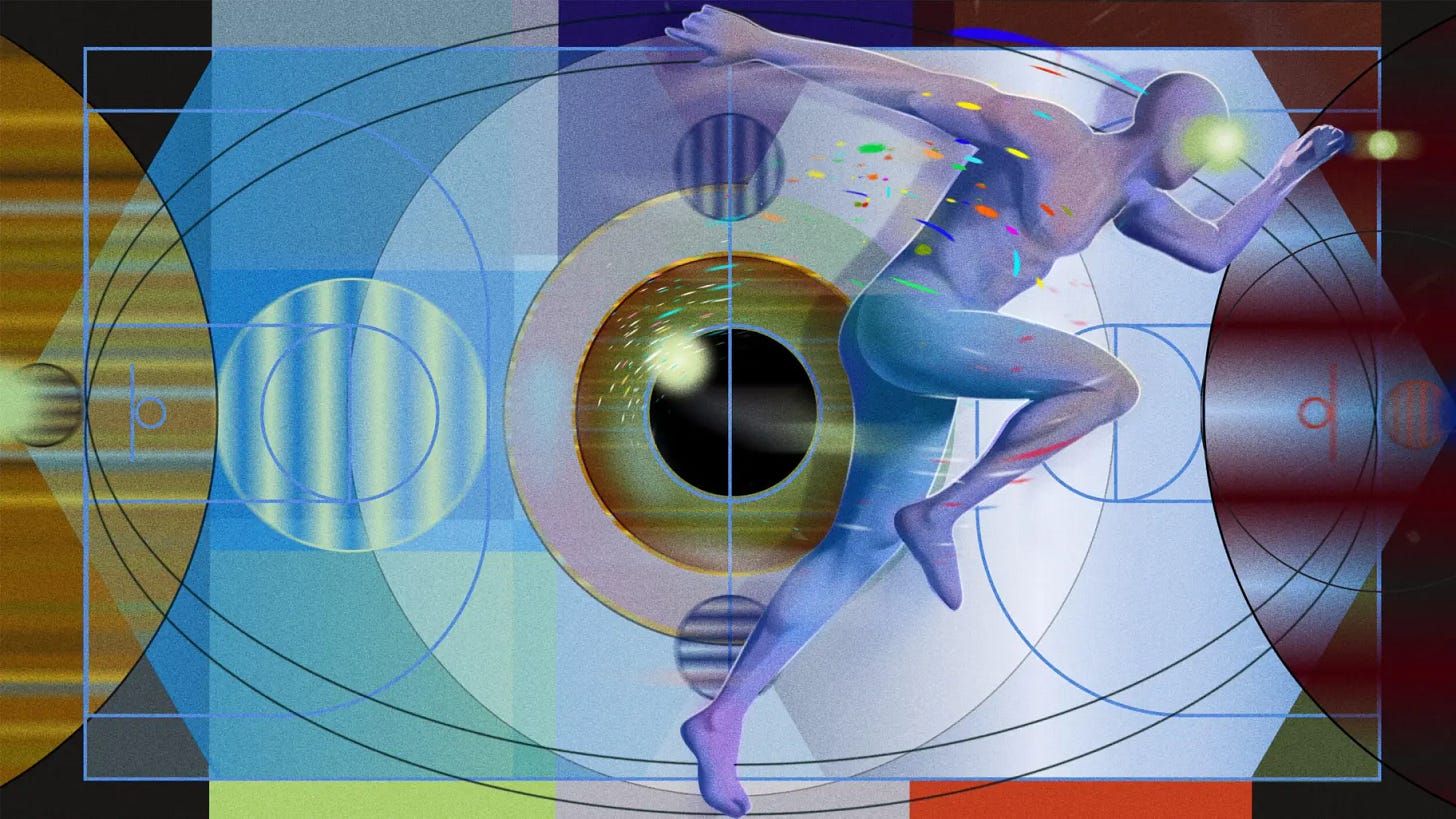
How training your gaze could help you master sports — and your own attention
By Ross Pomeroy
When thinking about what makes an athlete great, you might imagine Gretzky’s flick of the wrist, Serena Williams’ snap of the shoulder, or Messi’s blinding footwork. But the precision of these movements may be downstream from something far quieter: the movements of the eyes. In this piece, Ross Pomeroy looks at the science behind “quiet eye training,” a sustained gaze that helps the brain execute precise actions under pressure.
A new home for curious minds
Magazines, memberships, and meaning.
THE BIG RETHINK
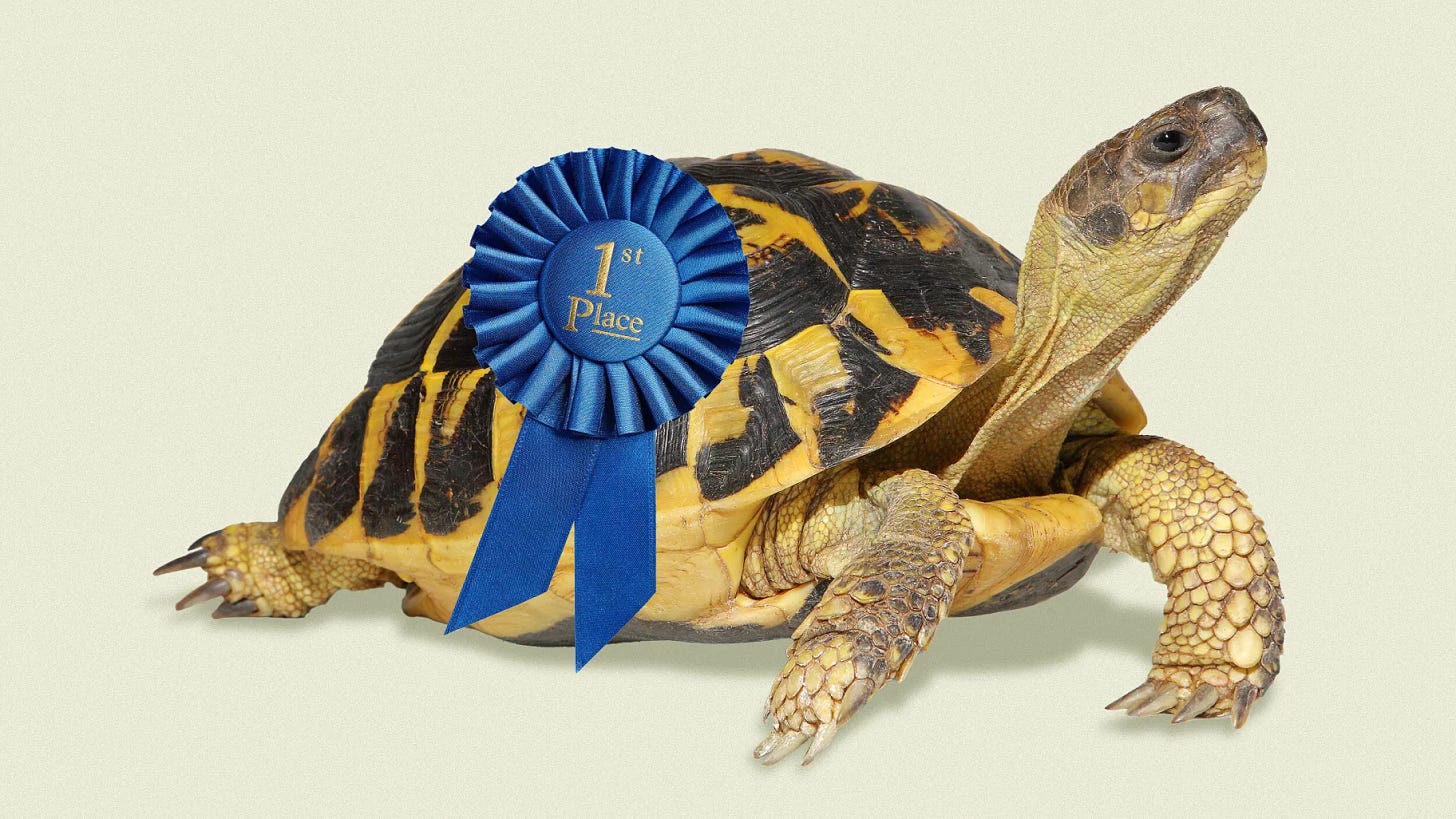
The systems that build star performers
By Rachel Barr
Excellence rarely follows a straight line. Many top performers begin as late bloomers, developing through trial, failure, and cross-domain exploration. As neuroscientist Rachel Barr details in this interview with author David Epstein, the systems that produce stars often aren’t optimized for speed or certainty, but for adaptability over time.
More Articles
- The last masters: The international effort to preserve an ancient craft
- How a Japanese philosophy helped me improve my life
- Mastering the edge: How success raises the stakes for elite adventurers
Stephen Johnson is the executive editor at Big Think.

 canisgallicus