
First US at-home depression kit on its way after trial shows relief in weeks
January 04, 2026
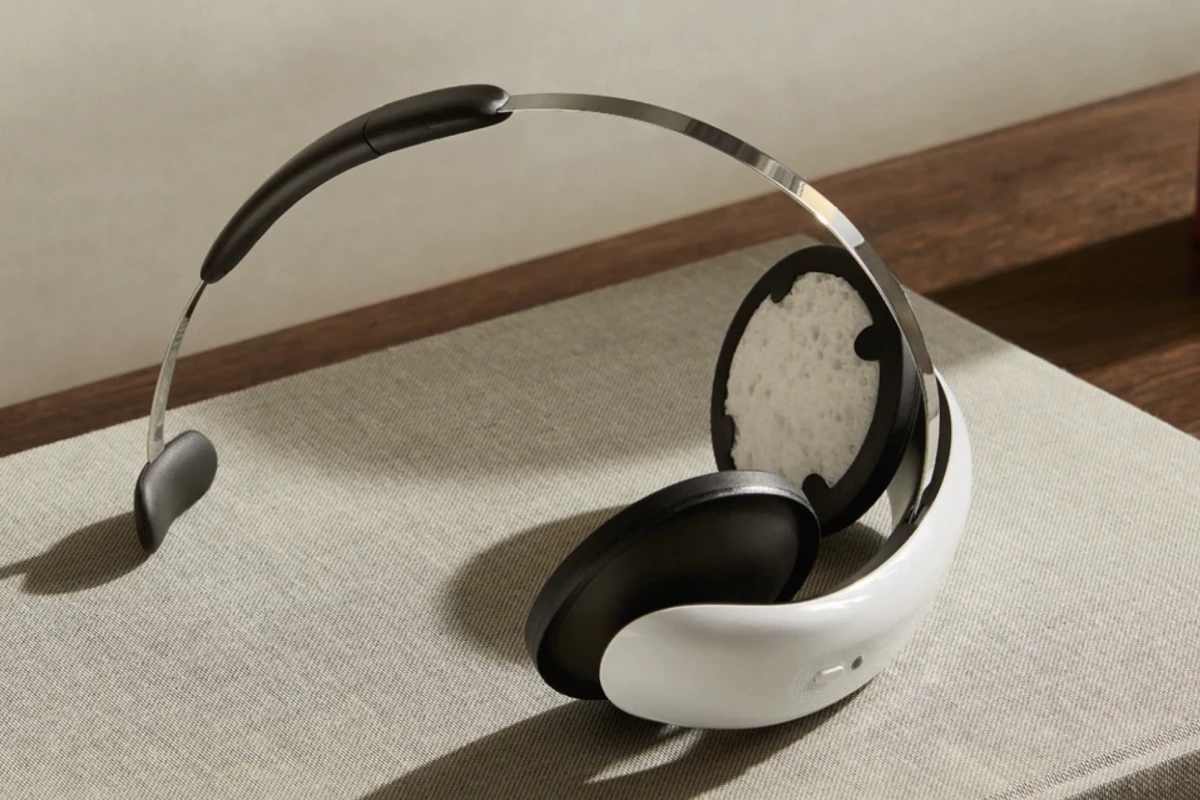
This is the first FDA-approved brain-stimulation device for depression
Flow Neuroscience
View 3 ImagesView gallery – 3 images
In a major shift for how mental health conditions might be treated, the US Food and Drug Administration (FDA) has approved the first at-home brain-stimulation device to treat moderate to severe major depressive disorder (MDD).
The device, the FL-100 from Flow Neuroscience, will be available via clinician for people aged 18 years and older with MDD, either as a standalone intervention or as an adjunct to existing therapies such as antidepressants. The system delivers low-intensity transcranial direct-current stimulation (tDCS) to the prefrontal cortex – a region of the brain that exhibits diminished activity in many people suffering from depression.
An estimated 21 million American adults are living with depression, a figure that has grown substantially over the past decade. What’s more, a significant portion of this population – around a third – don’t experience adequate symptom relief through antidepressants, or end up discontinuing medication due to unpleasant side-effects.
The FDA’s decision was made on the back of a randomized controlled trial that looked at the efficacy of the FL-100 device in a home setting under remote supervision. In the study, participants who received active tDCS, worn for around 30 minutes a day, experienced meaningful reductions in clinician-rated depression scales and patient-reported symptoms – an average of 58% improvement – compared to a control, after 10 weeks of treatment. Side effects were generally mild and short-term, but included skin irritations and headaches.
“For more than six years since the device’s launch in Europe, we’ve been building an evidence base globally with clinical trials, peer-reviewed research, and real-world case reports,” said Daniel Månsson, co-founder and Chief Scientific Officer of Flow Neuroscience. “The approval of FL-100 in the US will now offer millions of patients an accessible and effective non-drug treatment option.”

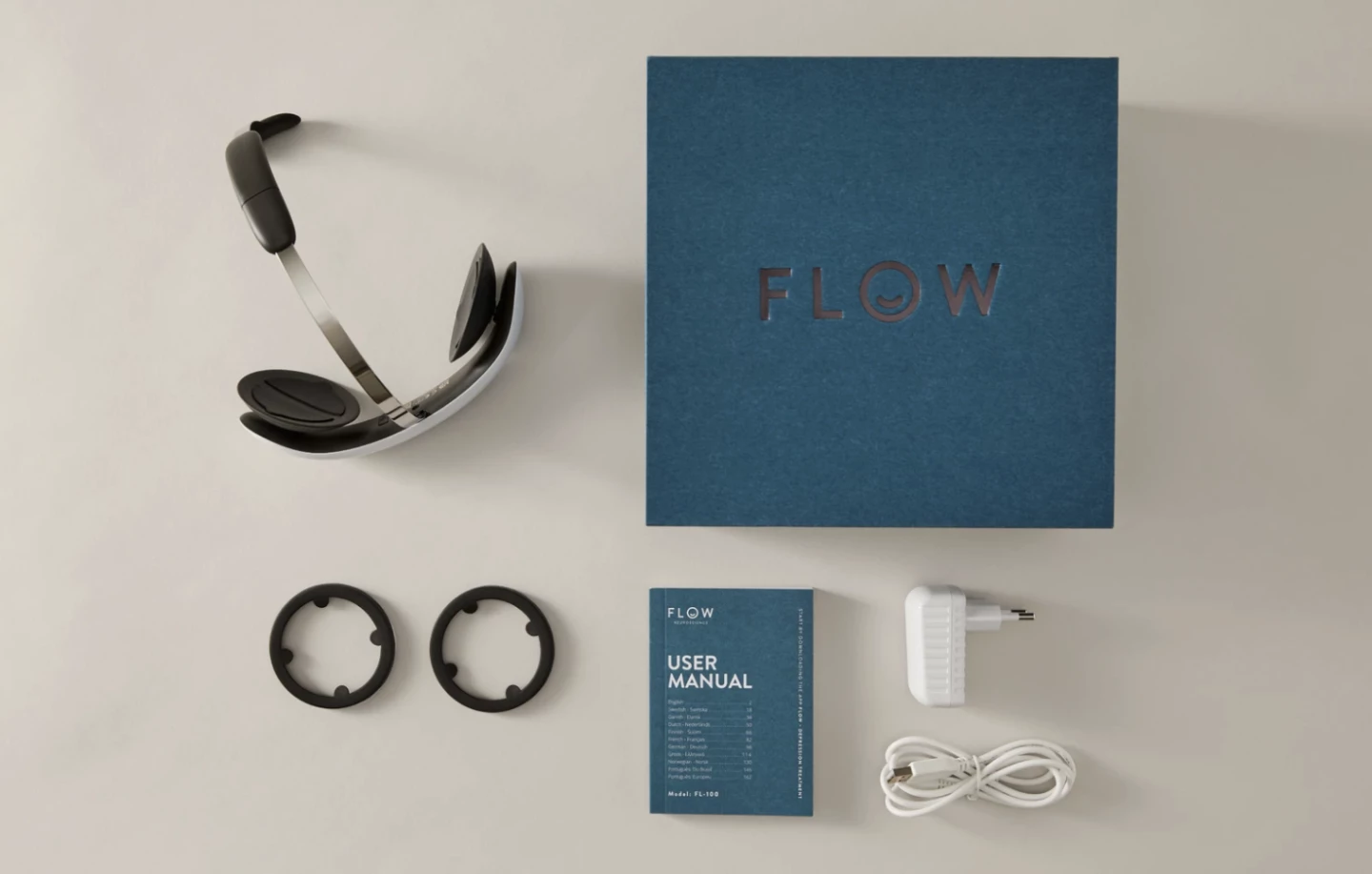
The device is the work of Sweden-based neurotechnology company Flow Neuroscience, which has designed it to be as user-friendly as possible. The FL-100 comes as a small headset that pairs with a mobile app for remote clinical guidance. It’s so far been used by an estimated 30,000 people across Europe – and, overall, 55,000 people in the EU, UK, Switzerland and Hong Kong – since it was earlier approved for treatment in 2019. The company’s data says that most individuals see results in as little as three weeks, with 77% seeing their depression score improve by at least three points on the clinical scale.
The FL-100 is expected to be available to US patients in the second quarter of 2026. It also paves the way for this kind of treatment, which has been considered experimental and fringe compared to medication and therapy. And it could be a game-changer for people who have struggled to find significant symptom relief through traditional medications.
“We’re on a mission to make effective, affordable non-drug treatment available to the millions of Americans suffering from depression,” said Erin Lee, CEO of Flow Neuroscience. “Flow’s FDA approval is a watershed moment for the treatment of depression: The first step in moving from pharmaceutical treatments to tech-based therapies with minimal side effects.”
In 2025, a US-based brain-stimulation device was developed by researchers at UCLA Health, indicating that this field of treatment is going to grow rapidly in the coming years.
The study was published in the journal Nature.
Source: Flow Neuroscience

 canisgallicus