
3D-printed cornea restores sight in a legally blind patient for the first time
December 02, 2025
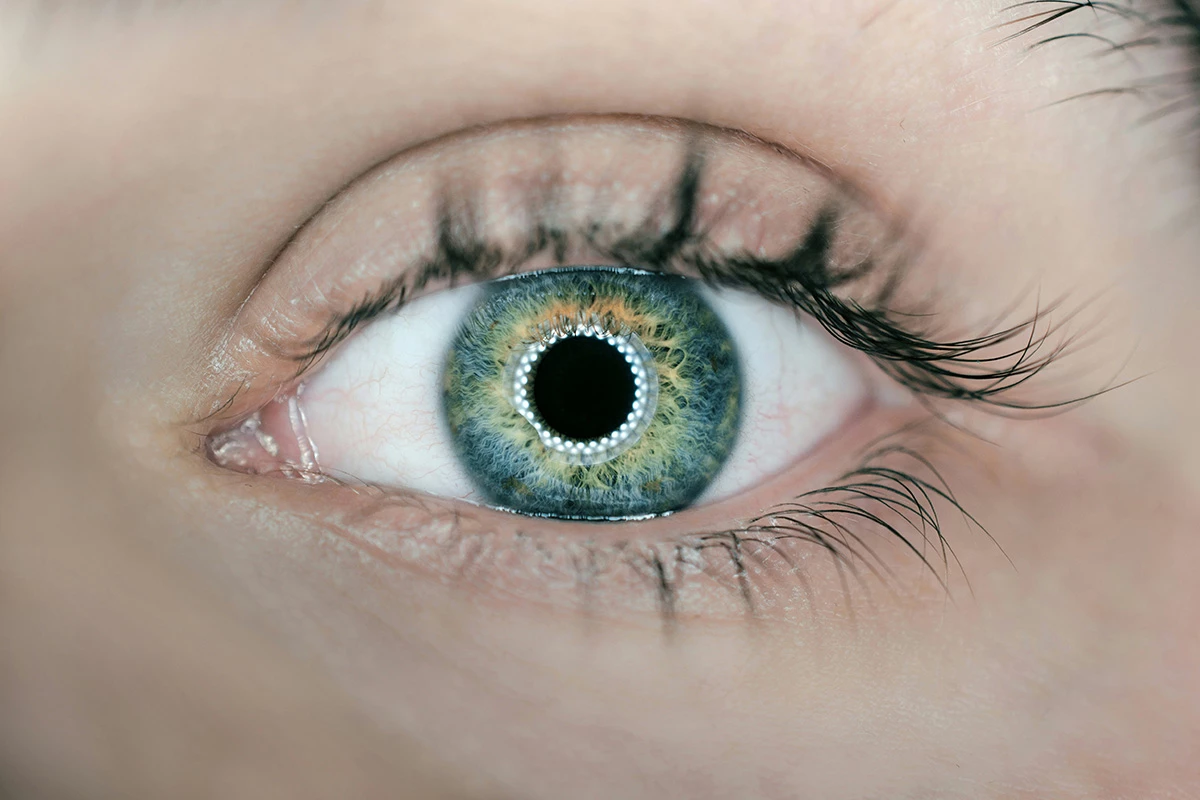
Damage to the cornea from infections, injury, or genetic disorders can lead to blindness – and often requires a transplant
View 2 Images
In a major breakthrough in human tissue replication, for the first time ever a 3D-printed cornea has been transplanted onto a legally blind patient’s eye, successfully restoring their sight.
That’s from Rambam Eye Institute in Haifa, Israel, which worked with a company called Precise Bio that specializes in regenerative tech and bio-fabricated tissues. This procedure, completed towards the end of October, involved a corneal implant grown entirely from cultured, living human corneal cells, rather than donor tissue.
This is a big deal because it could help millions of people around the world at risk of sight loss owing to corneal blindness. The cornea can be damaged from injury, infections, or genetic disorders. Corneal transplant surgeries have a high success rate (around 97%) and donor tissue is easily available in some developed countries like the US where you typically only need to wait a few days for a procedure – but it can take years in other countries that don’t have eye banks and centralized infrastructure to make tissue available on demand. https://www.youtube.com/embed/MQKCJB4j0TU?enablejsapi=1
World First: A Biologically Printed Cornea – Implanted in a Woman Suffering From Blindness
What’s interesting about the 3D-printing approach used here is that a single cornea from a healthy, deceased donor was cultured in the lab to create some 300 corneal implants – which means it can be deployed to tackle donor tissue shortages at scale in countries around the world.

It’s worth noting that the 3D-printed cornea was originally developed all the way back in 2018, at Newcastle University in the UK. Precise Bio, for its part, says it developed its 3D printing system in collaboration with clinicians over the last decade. That gives us a sense of how long it takes to go from breakthrough to application.
The company noted its technology could also be used to print cardiac tissue, and liver and kidney cells. Naturally, that’ll need to be validated and trialed extensively before it can be commercialized, but this could spell relief for so many patients who need organ transplants where supply is constrained, in the coming years.
Source: Rambam Health Care Campus
We recommend
- Simulated ventilation of two patients with a single ventilator in a pandemic settingSchepat, Pascal, Medical Gas Research, 2024
- Investigation on mechanical properties regulation of rock-like specimens based on 3D printing and similarity quantificationInternational Journal of Mining Science and Technology
- Animal HistoryA Brief Introduction to Its Past and FutureDan Vandersommers, Animal History
- Efficacy of ketamine, propofol, and dexmedetomidine for anesthesia in electroconvulsive therapy in treatment-resistant major depressive disorder patients: a do…Modir, Hesameddin, Medical Gas Research, 2023
- Tumor angiogenesis and anti-angiogenic therapyWest China Hospital, Sichuan University
- Streptococcus salivarius K12 Alleviates Oral Mucositis in Patients Undergoing Radiotherapy for Malignant Head and Neck Tumors: A Randomized Controlled TrialJournal of Clinical Oncology

 canisgallicus