
How Stress Types Differently Impact Brain and Behavior
Featured Neuroscience Psychology
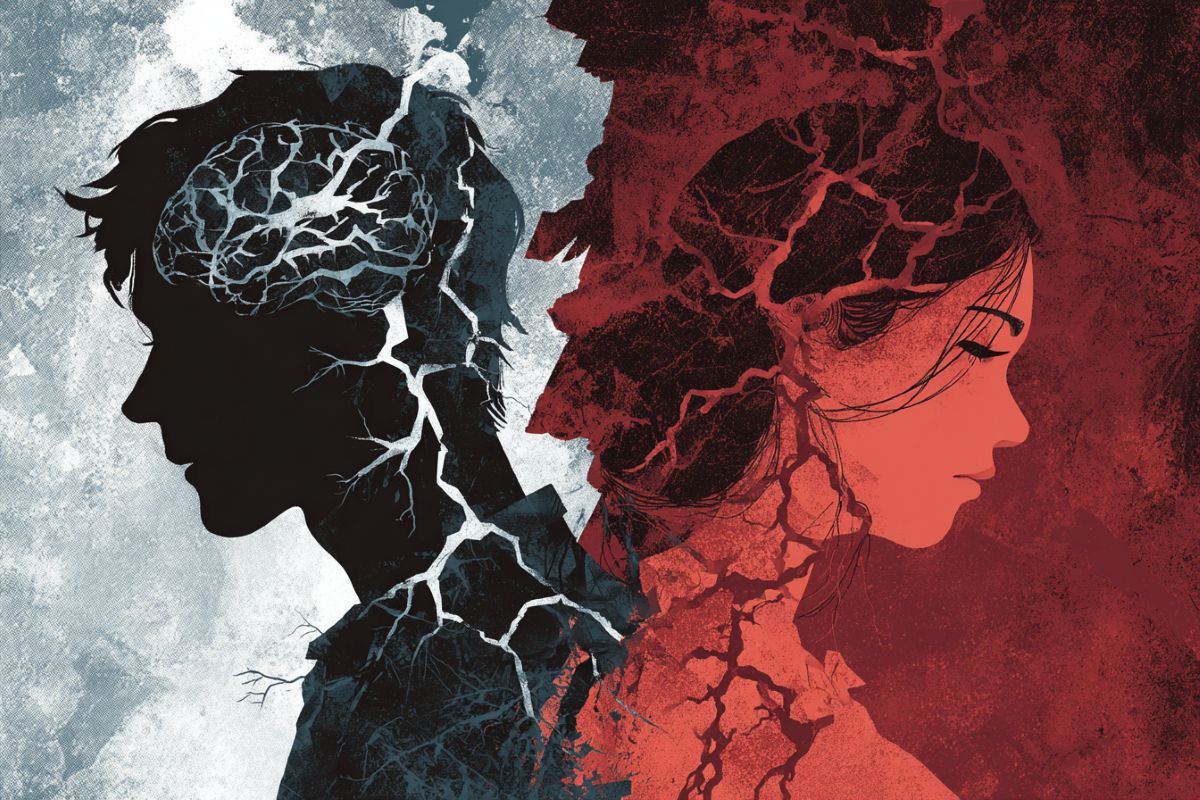
Additionally, changes were observed in key proteins of the blood-brain barrier, with significant sex differences. Credit: Neuroscience News
How Stress Types Differently Impact Brain and Behavior
FeaturedNeurosciencePsychology
·August 21, 2025
Summary: Stress is a universal experience, but not all stress affects the brain in the same way. A new study in rats reveals that acute stress provokes anxiety-like behaviors, especially in males, while chronic stress is more strongly tied to depressive symptoms.
Researchers also found changes in key blood-brain barrier proteins, showing that stress compromises brain defenses in different ways depending on duration and sex. These findings underline the importance of tailoring mental health prevention and treatment strategies to both stress type and biological differences.
Key Facts
- Acute Stress: Triggers anxiety-like behaviors, especially in males.
- Chronic Stress: More strongly linked to depressive symptoms and blood-brain barrier changes.
- Sex Differences: Stress impacts male and female brains differently, suggesting tailored interventions are needed.
Source: BIAL Foundation
A study analyses the negative effects of stress on the brains of male and female rats and concludes that acute stress induces anxiety-like behaviors, especially in males, while chronic stress is moreassociated with depressive symptoms.
Understanding these differences may help develop more effective approaches to preventing and treating mental disorders such as anxiety and depression.
It is well established that stress can increase susceptibility to various neuropsychiatric disorders, such as depression and anxiety, which are highly prevalent worldwide and represent a significant economic burden and public health issue in our society. The World Health Organization estimated that in 2019, around 970 million people globally – one in eight – suffered from a mental disorder.
Evidence also points to sex differences in the prevalence of and responses to stress. In fact, while women account for two-thirds of patients with stress-related disorders, another indicator shows that more than two-thirds of suicide victims are men.
Although stress is a part of life and, in small doses, can even be beneficial, excessive exposure, whether acute or chronic, can have profound negative effects, especially on the brain, potentially leading to cerebrovascular diseases.
One of the most sensitive targets of excessive stress is the blood-brain barrier, a structure that protects the brain from potentially harmful substances.
However, despite evidence suggesting that different types of stress can compromise its integrity and trigger neuroinflammatory responses associated with various neurological conditions, the cellular and molecular mechanisms underlying these effects remain poorly understood.
In the article “Distinct behavioural and neurovascular signatures induced by acute and chronic stress in rats”, published in September in the scientific journal Behavioural Brain Research, a research team from the University of Coimbra, led by Ana Paula Silva, sought to clarify this issue by analysing the effects of acute and chronic stress in rodents.
With support from the BIAL Foundation, the researchers used open field and forced swimming tests to assess locomotor activity and anxiety- and depression-like behaviors in male and female Wistar rats.
The results showed that acute stress induces anxiety-like behaviors, especially in males, while chronic stress is more associated with depressive symptoms. Additionally, changes were observed in key proteins of the blood-brain barrier, with significant sex differences.
The research confirmed that acute stress and so-called chronic mild unpredictable stress induce distinct behavioural and biochemical profiles, highlighting the importance of differentiating stress types and considering biological variables, such as sex, in neuroscience research.
“Our study shows how important it is to understand the differences between types of stress to better grasp the causes of mental disorders like anxiety and depression, and to find more effective ways to prevent and treat these issues”, explains Ana Paula Silva.
About this stress and mental health research news
Author: Sandra Pinto
Source: BIAL Foundation
Contact: Sandra Pinto – BIAL Foundation
Image: The image is credited to Neuroscience News

 canisgallicus