

Verbal abuse in childhood has devastating impact on adult brain
August 06, 2025
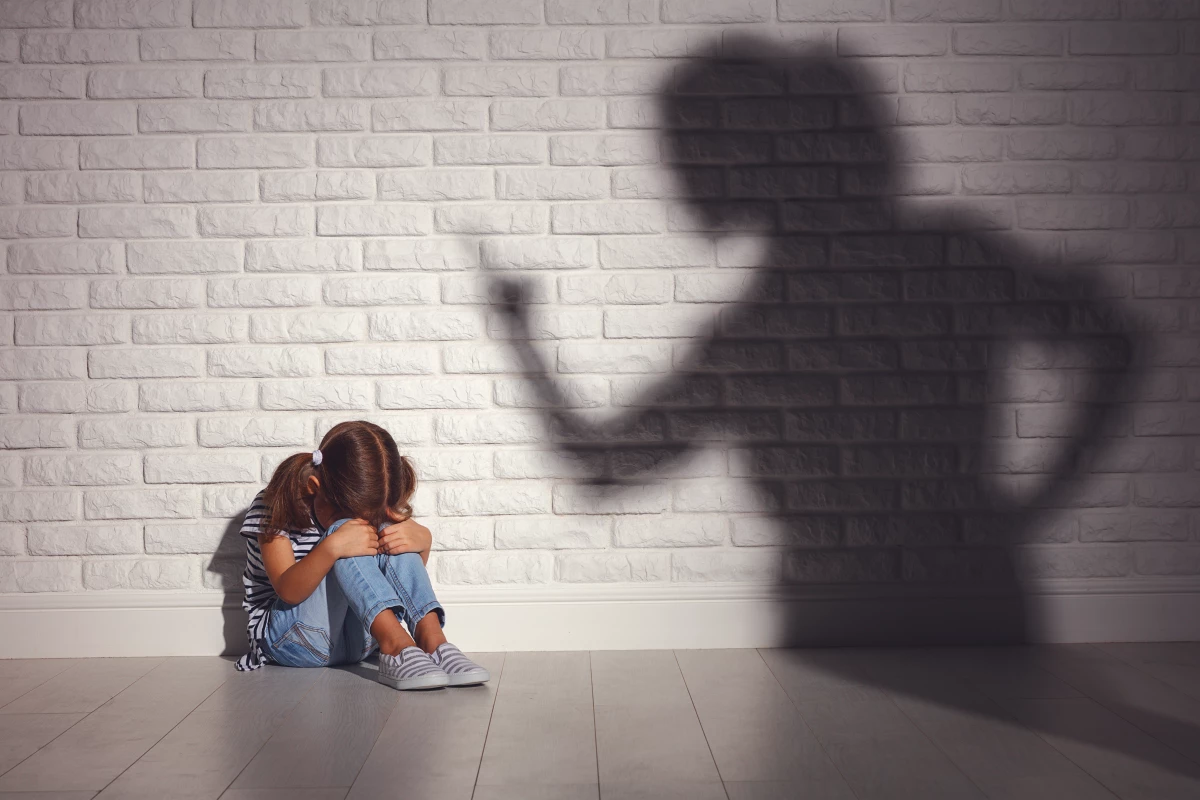
Words can cause significant harm, new study shows
A major new study has found that verbal abuse in childhood may be just as damaging to long-term mental well-being as physical abuse, if not more so. This groundbreaking research highlights the need to treat verbal abuse as a serious public health issue that comes with enduring psychological consequences.
Research led by Liverpool John Moores University (LJMU) has drawn on the data of 20,687 adults from England and Wales, collected between 2012 and 2024.
In the self-reported survey, participants were asked about their exposure to physical and/or verbal abuse before the age of 18 using clinically validated questions. Then current mental health markers were assessed using the Short Warwick-Edinburgh Mental Well-being Scale (SWEMWBS), which factors in optimism, relaxation, social connection and coping skills.
The survey asked participants how often they felt optimistic about the future, useful, relaxed, had dealt with problems well, had thought clearly, felt close to others and were able to make up their own minds when required.
What the researchers found was that those who experienced verbal abuse as children were 1.64 times more likely to report poor mental well-being as adults. Meanwhile, individuals exposed to physical abuse were 1.52 times more likely to have compromised mental health later in life, and those who experienced both verbal and physical maltreatment were 2.15 times more likely to have negative mental health outcomes.
There’s a growing body of evidence that demonstrates how verbal and emotional abuse in childhood has long-term impacts, even changing the brain as it’s developing. Nonetheless, it’s often viewed as less harmful than other forms of maltreatment. In this study, the researchers found that while physical abuse had decreased – from around 20.2% of children born in the 1970s to 10% of those born in 2000 or later – verbal abuse has steadily increased.
While self-reported, this study found that those who experienced this in their youth had nearly double the likelihood of social isolation (13.6%) compared to those who were exposed to no verbal abuse (7.7%).
Abuse can lead to lifelong effects on mental and physical health, such as elevated anxiety and depression, alcohol and drug use, risky behaviors and violence towards others.
“The immediate consequences of physical abuse of children are often shocking with immediate and life course impacts on the victims’ health,” the researchers noted. “There remains an urgent need for greater measures to prevent physical abuse and support those who have been affected by it. Verbal abuse may not immediately manifest in ways that catch the attention of bystanders, clinicians, or others in supporting services with a responsibility for safeguarding children. However, as suggested here, some impacts may be no less harmful or protracted.”
The researchers emphasize that this study doesn’t diminish the long-term harm of physical abuse, but it highlights the need to better consider emotional and verbal maltreatment when it comes to both child protection policies and mental health treatment in adults who have experienced this trauma.
“As a society, and indeed in many countries, legislation now prevents the physical abuse of children, which is a positive but it also leaves a potential void which should be filled with instructional advice and support on appropriate parenting,” said Mark Bellis, Professor of Public Health and Behavioral Sciences at LJMU.
“Without such support and in an absence of public knowledge of the damages caused by child verbal abuse, measures to reduce the physical punishment of children risk simply swapping one type of harmful abuse for another with equally long-term consequences,” the researchers concluded.
The study was published in the journal BMJ Open.

 canisgallicus