

Not all body fat is created equal when it comes to dementia risk
By Paul McClure
July 07, 2025
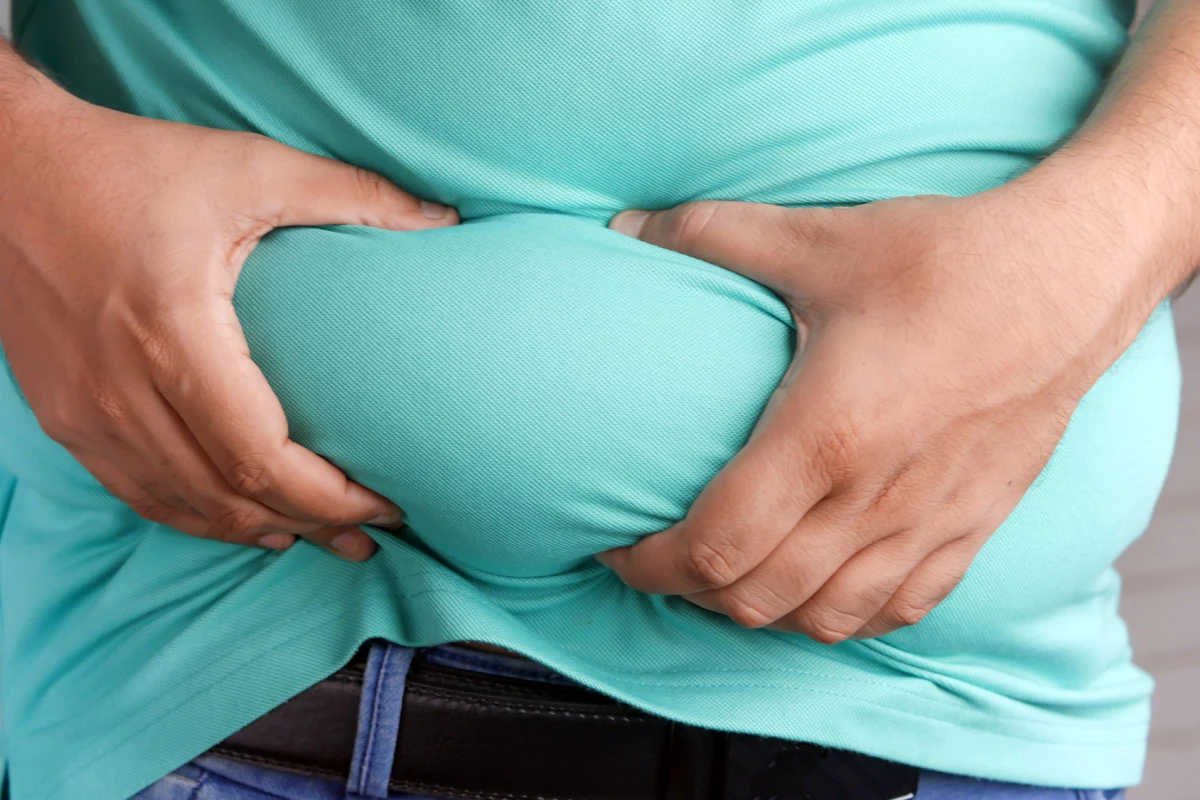
Where body fat is located, not the amount, may influence dementia risk
A new study has found that your belly might reveal more about your brain health than your bathroom scales do, especially if you’re an older man. When it comes to dementia risk, the location of body fat, not just the amount, appears to be what’s important.
Being overweight or obese is a known risk factor for many health conditions, including diabetes and heart disease, which, in turn, are risk factors for dementia. However, some studies have associated a higher body mass index (BMI) and waist circumference (WC) with a lower risk of dementia.
New research led by Monash University aims to clarify the mixed messages arising from previous studies on the relationship between body composition, specifically lean body mass, fat mass, and abdominal fat, and the risk of dementia and cognitive decline.
The large-scale study examined the relationship between body composition and the risk of dementia and cognitive decline in individuals aged 65 and older, utilizing data from over 17,000 adults from Australia and the US, collected from the ASPREE clinical trial and follow-up study. They looked at the WC-to-BMI ratio as a proxy for abdominal fat, lean body mass (the non-fat components of the body, such as muscle, bone, organs, and water) and fat body mass (the total weight of fat in the body). They examined the results of cognitive tests, including global cognition, memory, mental speed, and verbal fluency (the ability to retrieve and produce words). Any dementia diagnosis was made according to strict criteria set out in the DSM-IV, using medical records and cognitive assessments.
What they found was that a higher WC-to-BMI ratio was linked to a 29% higher risk of dementia overall. The 25% of male participants with the most abdominal fat had a 46% higher risk of developing dementia compared to the 25% with the least abdominal fat. Put simply, older men with the most abdominal fat had nearly 1.5 times the risk of dementia as men with the least abdominal fat. The 25% of men with the most abdominal fat also showed faster declines in memory, global thinking ability, and mental speed over the follow-up period. No significant link was found between abdominal fat and verbal fluency.
More lean body mass was consistently linked to a 15% to 38% lower risk of dementia and slower cognitive decline, especially in memory and processing speed. The researchers observed some benefits related to verbal fluency, particularly in men. Somewhat surprisingly, higher overall fat mass was also protective; it produced up to a 38% reduction in dementia risk and slower cognitive decline (except in relation to verbal fluency). Taken altogether, the findings suggest that not all body fat is bad, but that its distribution is what matters.


 canisgallicus