
Lonely Boomers Are Doomed Now That Scammers Are Using AI Filters to Make Themselves Look Like Beautiful Women
Who could’ve seen this coming?
/ Artificial Intelligence/ Deepfakes/ Fraud/ Scams
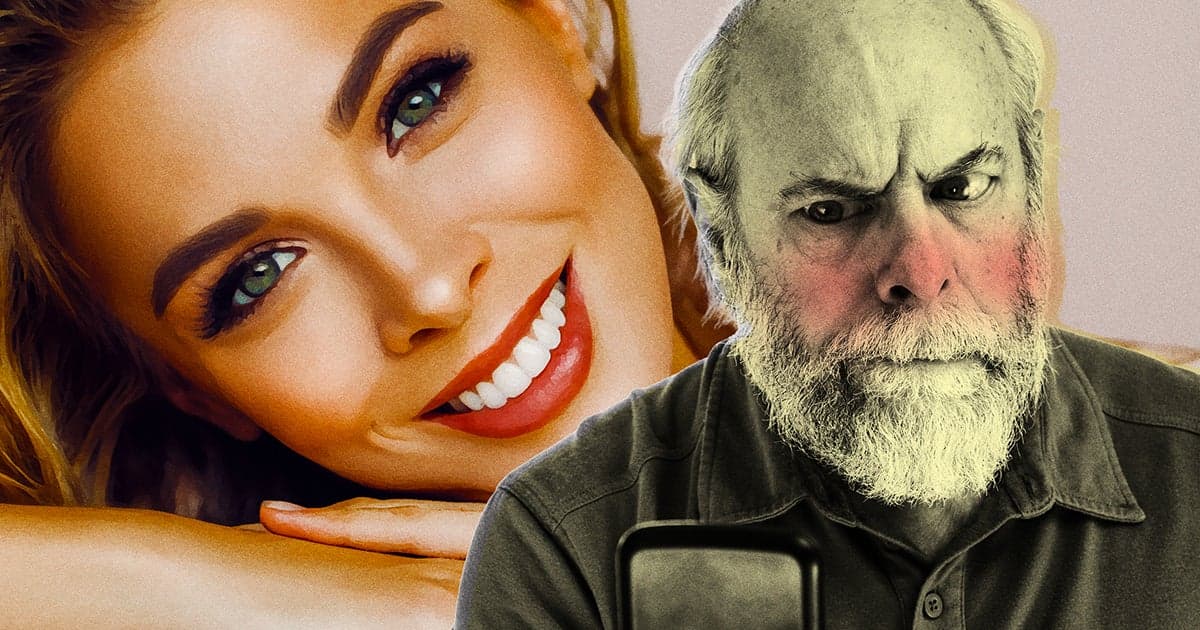
Image by Getty / Futurism
Let’s face it: it’s never been a particularly good time to be an elderly internet user. Folders can be tough to navigate, Facebook statuses are virtually indistinguishable from the Google search bar, and the mouse pointer is just so darn tiny.
Unfortunately, it’s not about to get any easier. Though fake profiles have long been used to scam undiscerning internet users, a growing trend of live-video fakes fueled by AI is targeting the young and old alike.
Called “realtime deepfakes” — deepfakes referring to spoofed images that are growing nearly impossible to distinguish from real life — scammers are now altering their appearance and voices in live videos. It’s all powered by generative AI, the same tech that’s stuffing the internet with reams of computer-generated slop.
A deep dive by 404 Media reveals the ways fraudsters are using the lifelike tech to fool users. One video they obtained showed a young Black man appearing as a white guy with a grey beard to a woman he was talking to over Facetime. Another showed a man appearing as a younger woman.
Once a scammer secures their target’s confidence through their lifelike voice and appearance, the actual fraud can begin. 404 notes the users of this tech typically deploy romance scams, Medicare fraud, and photo verification schemes.
Another horrifying example called the “grandparent scam” involves
It’s easy to rag on the elderly, but the growing sophistication of these tools means that young people, too, are highly susceptible. Research in 2021, for instance, found that the younger generations of gen Z, millennials and gen X were 34 percent more likely to have lost money to fraud than people over the age of 60, though they were more likely to have been conned by fake products and crypto schemes than romance scams.
The 2024 presidential election also caused mountains of deepfake slop to rain down on social media.
Used to spread memes and disinformation alike, deepfake tools allowed posters like Elon Musk to spoof figures such as Kamala Harris denigrating herself. The line with parody can be blurry; one viral example is the infamous Trump/Biden duet, in which the two political rivals sing a tender Mandarin love song to each other.

Advertisement

Other examples abound, like one audio deepfake that purported to show a Baltimore area principal making derogatory and racist comments, and a financial worker who forked out $25 million after scammers faked a multi-person Zoom call, including an AI fake of the company’s chief financial officer.
If celebrities, financial workers, and entire communities can find themselves at the mercy of unscrupulous deepfakers, what chances do our elderly have of resisting deepfake scams?
More on deepfakes: AI Startup Deletes Entire Website After Researcher Finds Something Disgusting There
Advertisement
Share This Article
Around the Web


Prices of Used Cars in Dublin Could Surprise You
Used Cars | Search Ads

The Affordable 3000w Solar Generator That Works for Any Home – Check Prices!
Solar Generator

Cost of Hair Transplant in the US May Surprise You
Hair Transplant | Search Ads

Doctors Baffled: Simple Tip Relieves Years of Joint Pain and Arthritis
Healthier Living Tips

Dublin Mattress Stores Could Offer Surprising Discounts (Take Note)
Mattress Deals | Search Ads

Prices for Prefabricated Homes Might Surprise You
Homes | Search Ads

Home Invasion Leads to Breakthrough Solar Discovery (12x Better Than Panels)
Solar Switch

 canisgallicus