

Breakthrough stroke drug heals the brain to restore movement
March 19, 2025
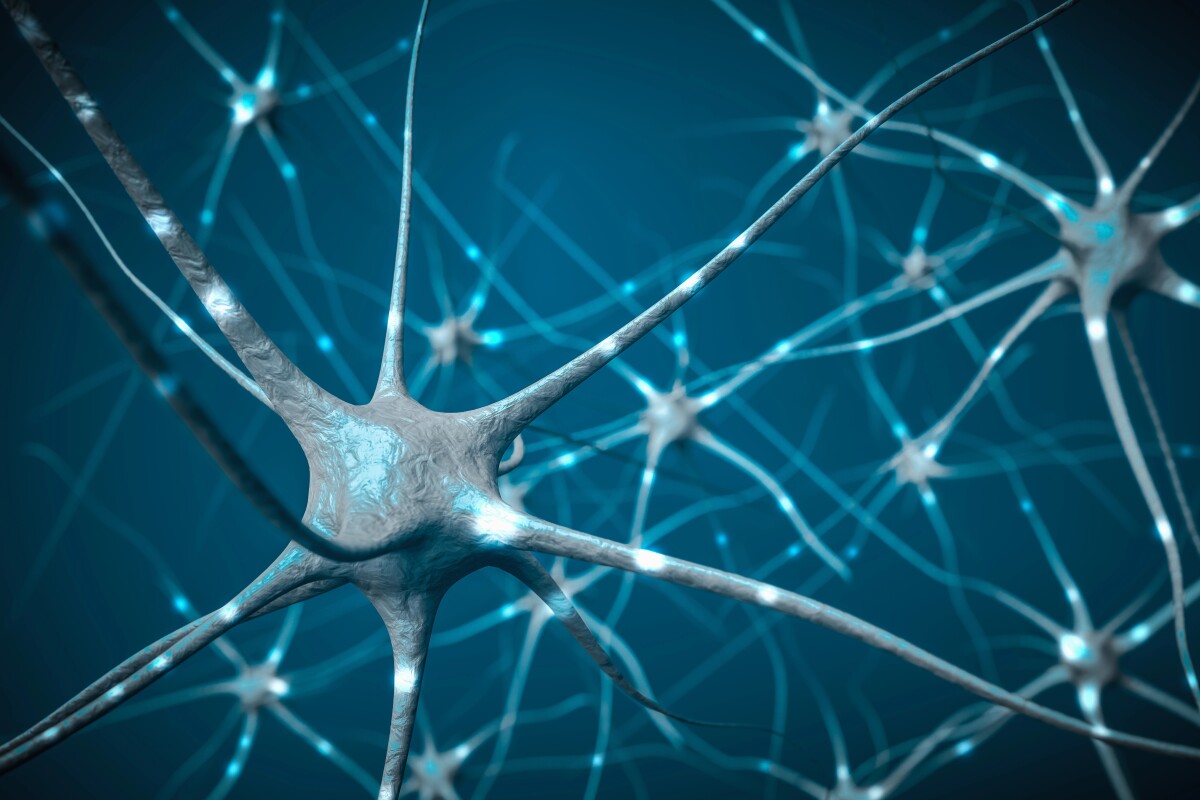
This drug discovery promises molecular rehabilitation for stroke patients
View 1 Images
There’s newfound hope for stroke patients in recovery, with what researchers believe is the very first drug that can comprehensively deliver rehabilitation without the need for challenging long-term physical therapy.
University of California, Los Angeles (UCLA) scientists made the breakthrough after narrowing down drug candidates to two viable compounds. Further research revealed that one of these drugs, DDL-920 – developed at UCLA, led to the complete recovery of movement control – something many stroke patients never regain.
It’s a milestone in medical research, largely because there’s no drug that has proven effective in rehabilitation, leaving patients with only physical therapy to help rebuild the brain’s signaling pathways in order to recover motor function.
“The goal is to have a medicine that stroke patients can take that produces the effects of rehabilitation,” said lead author Dr S. Thomas Carmichael, professor and chair of UCLA Neurology. “Rehabilitation after stroke is limited in its actual effects because most patients cannot sustain the rehab intensity needed for stroke recovery.
“Further, stroke recovery is not like most other fields of medicine, where drugs are available that treat the disease – such as cardiology, infectious disease or cancer,” he added. “Rehabilitation is a physical medicine approach that has been around for decades; we need to move rehabilitation into an era of molecular medicine.”
Using mice models, Carmichael and team first identified an area in the brain where communication had been fractured following a stroke. This area was distant from the brain’s central stroke site, meaning disconnected neurons were isolated and unable to rebuild that link on their own. And because of this, patients are left with a range of disabilities that inhibit movement and motor function.
The researchers found that stroke cut off communication with parvalbumin neuron cells, which play a vital role in brain function and an individual’s behavior – including movement. They’re also responsible for a certain brain rhythm known as gamma oscillation, which is lost when stroke occurs. The drug, tested on mice, restored these gamma oscillations, and in turn reconnected neurons to essentially heal the brain damage without arduous physical rehabilitation.
Of course, this is only the first step – DDL-920 will need to undergo extensive human trials for safety and efficacy – however, it’s a breakthrough in stroke treatment that could benefit millions. While recovering from stroke depends on where in the brain the trauma has occurred, it’s often a long and difficult road to regaining adequate movement and motor function. A drug that could help the brain reconnect those broken links would be game-changing for patients who have no other medical intervention besides physical therapy.
“Pharmacological enhancement of parvalbumin interneuron function improves motor recovery after stroke, reproducing rehabilitation recovery,” the researchers noted. “These findings identify brain circuits that mediate rehabilitation-recovery and the possibility for rational selection of pharmacological agents to deliver the first molecular-rehabilitation therapeutic.”
The study was published in the journal Nature Communications.
Source: UCLA

 canisgallicus