
02-26-2025 IMPACT
Mark’s Zuckerberg’s nonprofit is funding this experiment to build cheaper backyard homes
The Chan Zuckerberg Initiative is investing $750,000 in BuildCasa, which aims to add more affordable housing in residential areas.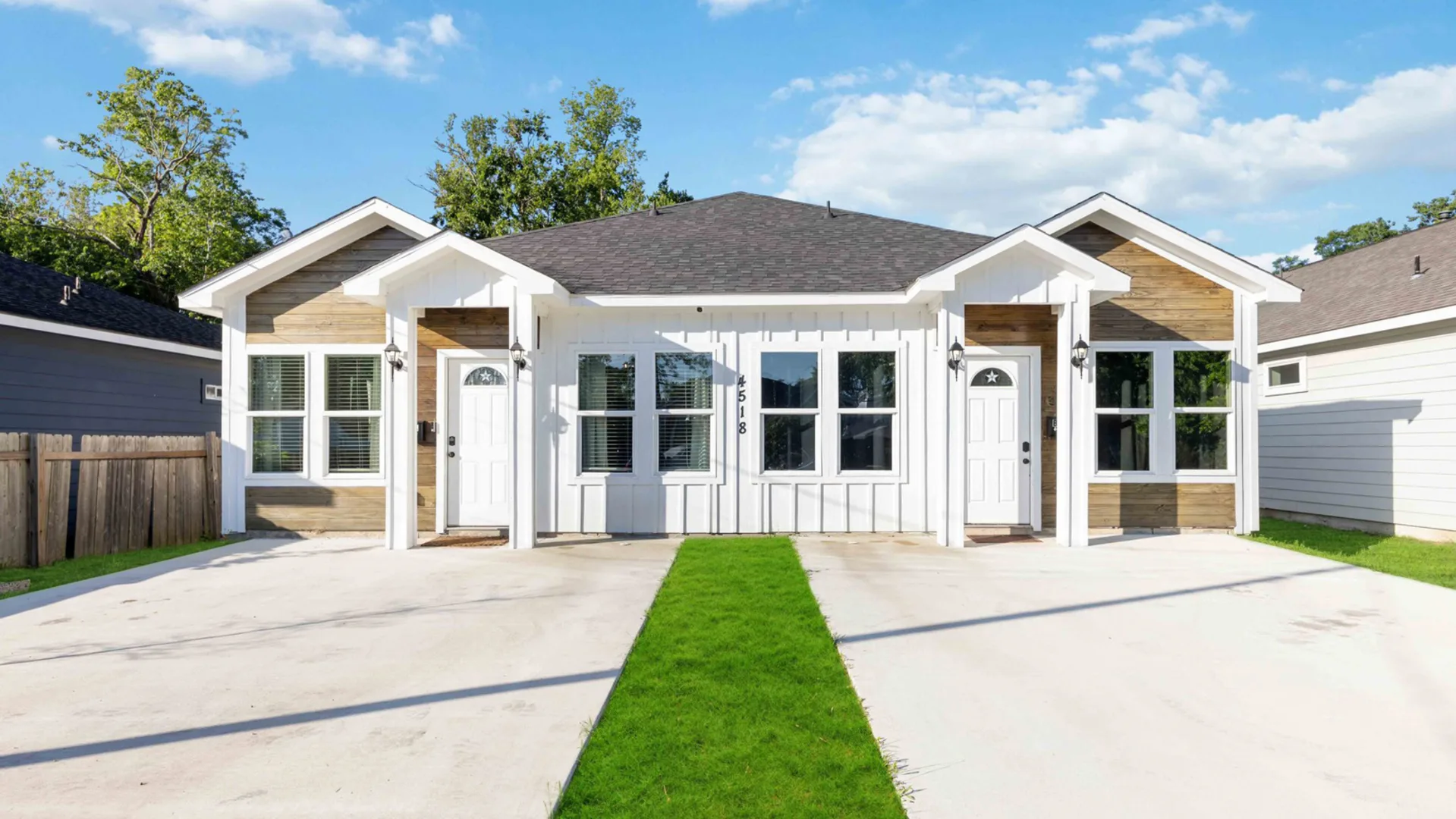
[Image: Donovan Adesoro/BuildCasa]
BY Patrick Sisson3 minute read Share
The latest Big Tech-funded effort to improve affordable housing sees the solution in people’s backyards. The Chan Zuckerberg Initiative announced today that it’s providing seed funding for a startup that helps turn backyard dwellings into new homeownership opportunities for Americans who are increasingly getting locked out.
The Chan Zuckerberg Initiative (CZI) announced a $725,000 investment in BuildCasa, a California-based startup seeking to increase the supply of ADUs, or accessory dwelling units. The funding is part of CZI’s Affordable Starter Home Initiative, which aims to provide funding for a number of pilot programs addressing housing accessibility and affordability.
“We’re excited about BuildCasa’s model because it is creating new homes within existing, high-opportunity communities that can be sold for less than typical market rate homes without utilizing public funding to subsidize the projects, which is extremely limited,” Amaya Bravo-France, a program officer at the CZI, told Fast Company.
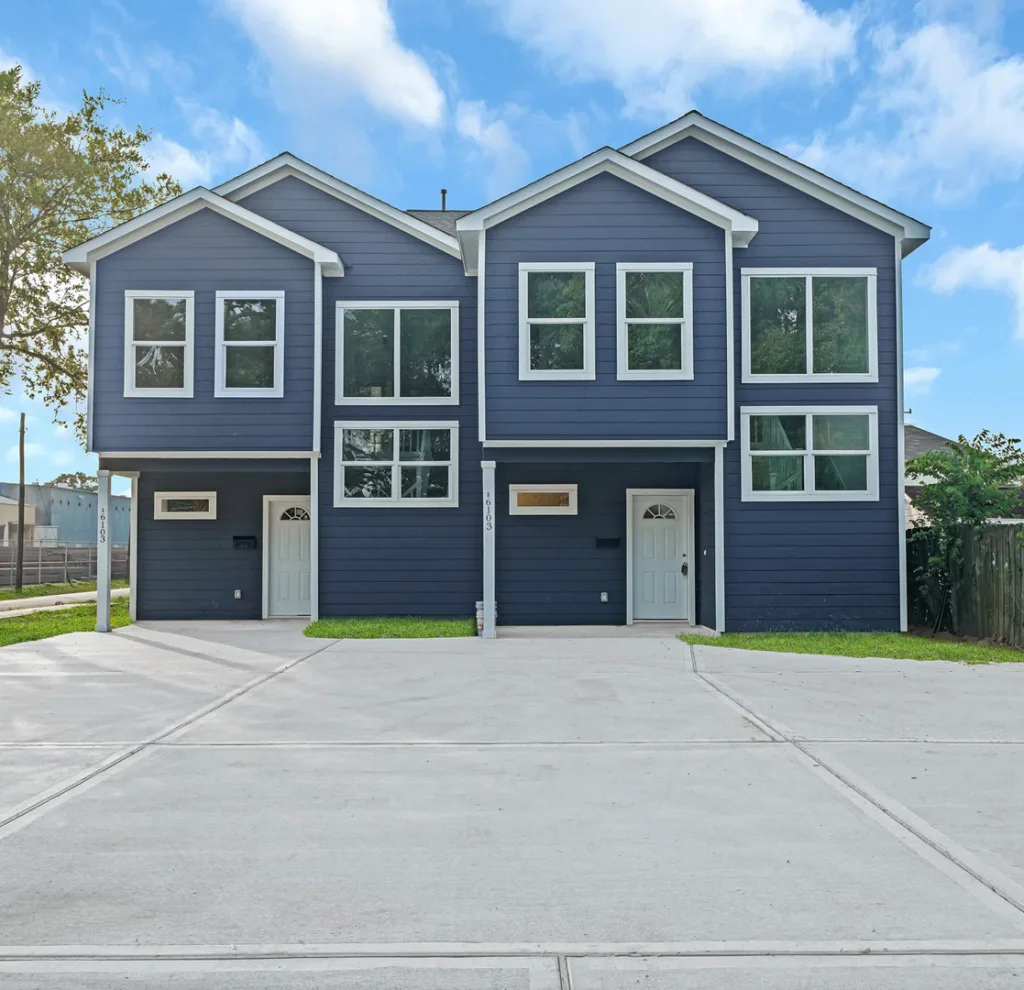
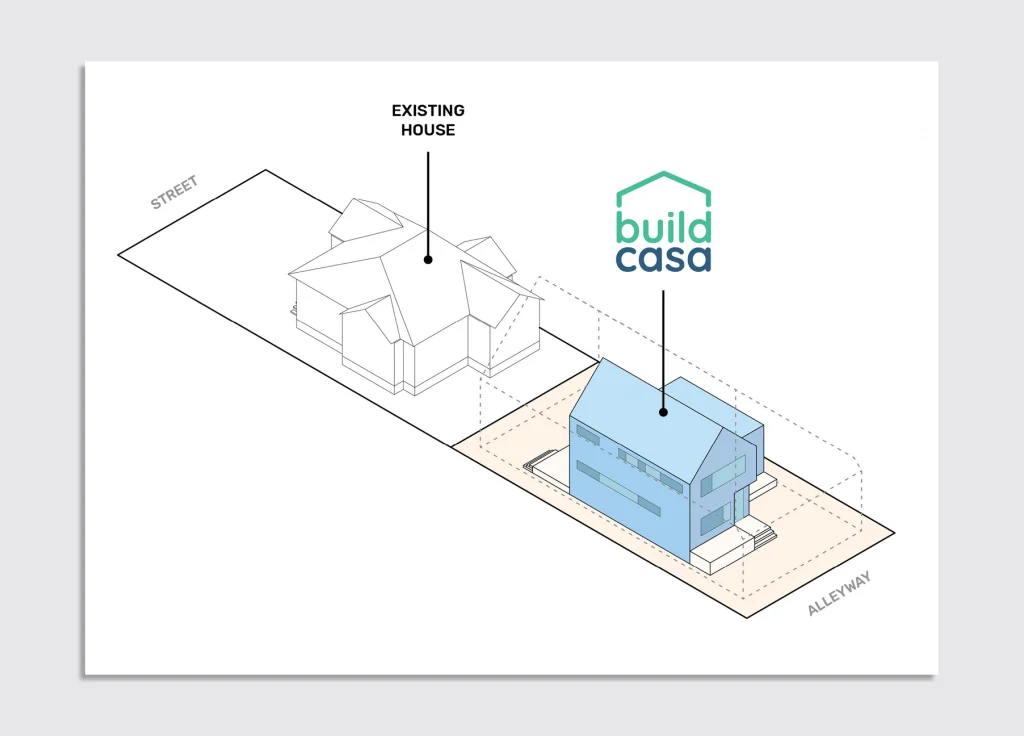
Founded in 2022 and named one of Fast Company‘s Most Innovative Companies last year, BuildCasa utilizes California law SB 9, which allows owners of large lots to split them up. The startup’s model, and its proprietary means of analyzing building opportunities, pairs landowners with developers, allowing a homeowner to sell part of their land to a developer, who can add one or two housing units and then sell them separately. The process creates additional density in existing residential areas, and adds much-needed supply to a state in the throes of a growing housing shortage.

Subscribe to the Compass newsletter.Fast Company’s trending stories delivered to you daily
SIGN UP
The grant will fund construction for eight housing units for those making 80% of AMI (area median income, a measure used to guarantee affordable housing goes to those in need). BuildCasa recently closed on a pair of properties in Sacramento using these grant funds, and the other six should be finished in the next two years. The Sacramento two-bedroom homes will be 650 square feet each and go for $325,000 (the area median price is $477,000). BuildCasa expects to break ground in the third quarter of this year. These kinds of lot split arrangements needs parcels that measure at least 2,400 square feet.
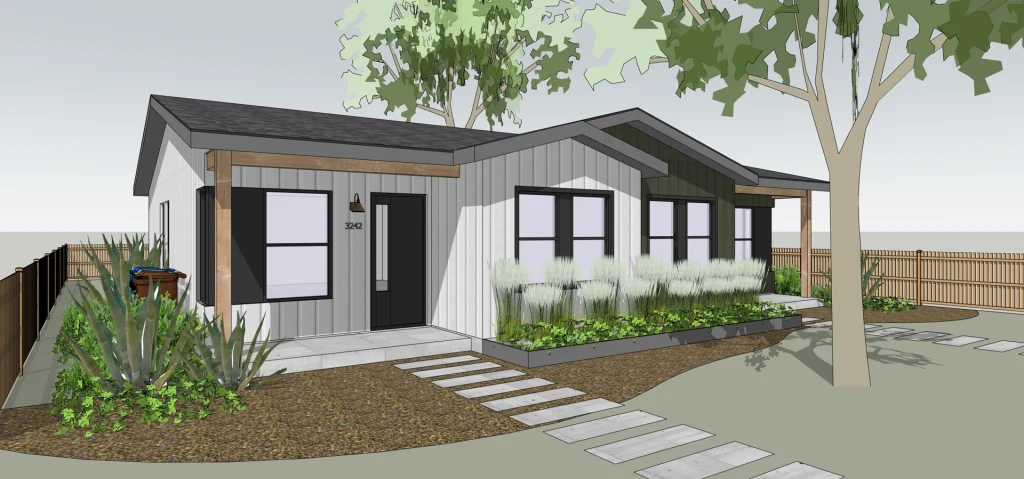
“Decades of regressive housing policy and NIMBY activism on the local level has blocked this crucial ‘missing middle’ development, leaving us with a catastrophic shortage of housing that young, lower, and middle-income families can afford to buy,” said Paul Steidl, BuildCasa’s cofounder and CPO, in a statement. “The only way out of this generational crisis is to build more housing.”
So far, BuildCasa has helped add nearly 100 units, which are either approved or under construction, across California, concentrated mostly in Sacramento and the Bay Area. One reason they haven’t finished any units yet is that under California’s new laws, subdividing a lot via this process can take 10 to 18 months alone.
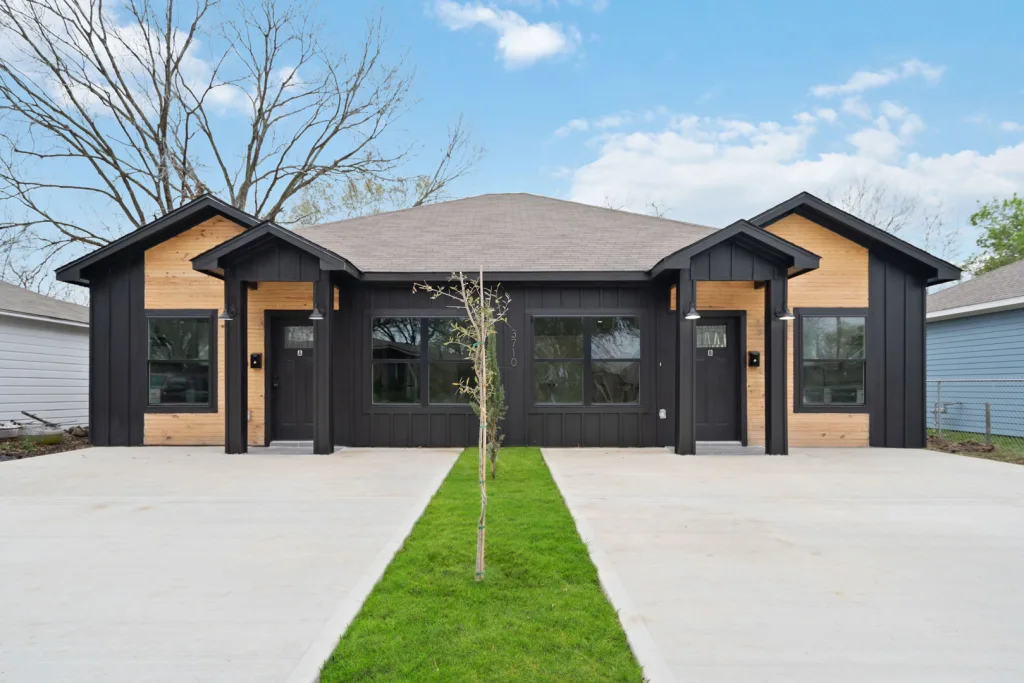
Can backyard building provide affordable housing at scale?
CZI says it chose BuildCasa because it believes the startup can help fill a gap in affordable housing production and provide more entry-level homeownership opportunities.
“BuildCasa’s model stuck out because they utilize private capital to build these homes, but are able to offer them for more affordable rates,” says Bravo-France. “They also partner with homeowners to leverage their excess land to build these new affordable homes, allowing homeowners to receive a financial benefit from their land value while also contributing to solving CA’s housing crisis.“
Part of the appeal of this model, says BuildCasa CEO Ben Bear, was the ease of land acquisition. Often, affordable housing, especially larger apartment projects, requires substantial land, which adds to the cost, and the dense collection of new units can trigger neighborhood and NIMBY pushback. By using surplus land in oversize lots, and spreading a handful of units across numerous sites, the new housing blends into the neighborhood, Bear says.
“It’s just there, coexisting side-by-side, which is really the way development used to be 100 years ago,” he says. “You have different types of units, apartments, and single family homes, all on the same street.”
BuildCasa believes there’s significant opportunity for more such units, both statewide and nationally, if laws can be amended to mirror those in California. The firm’s algorithm has identified 1 million parcels of land in California alone where a lot split and ADU development would be possible.
The super-early-rate deadline for Fast Company’s Innovation by Design Awards is Friday, February 28, at 11:59 p.m. PT. Apply today.
ABOUT THE AUTHOR
Patrick Sisson is a freelancer at Fast Company who focuses on urbanism, technology, real estate development, and the forces that shape our cities, covering everything from libraries as sustainability hubs to the future of office space. . His work has appeared in Bloomberg CityLab, the New York Times, the MIT Technology Review, Dwell, and the Baffler More

 canisgallicus