

01-22-2025TRUMP TRANSITION
Why Donald Trump hates wind power
It started with a feud at one of his golf courses.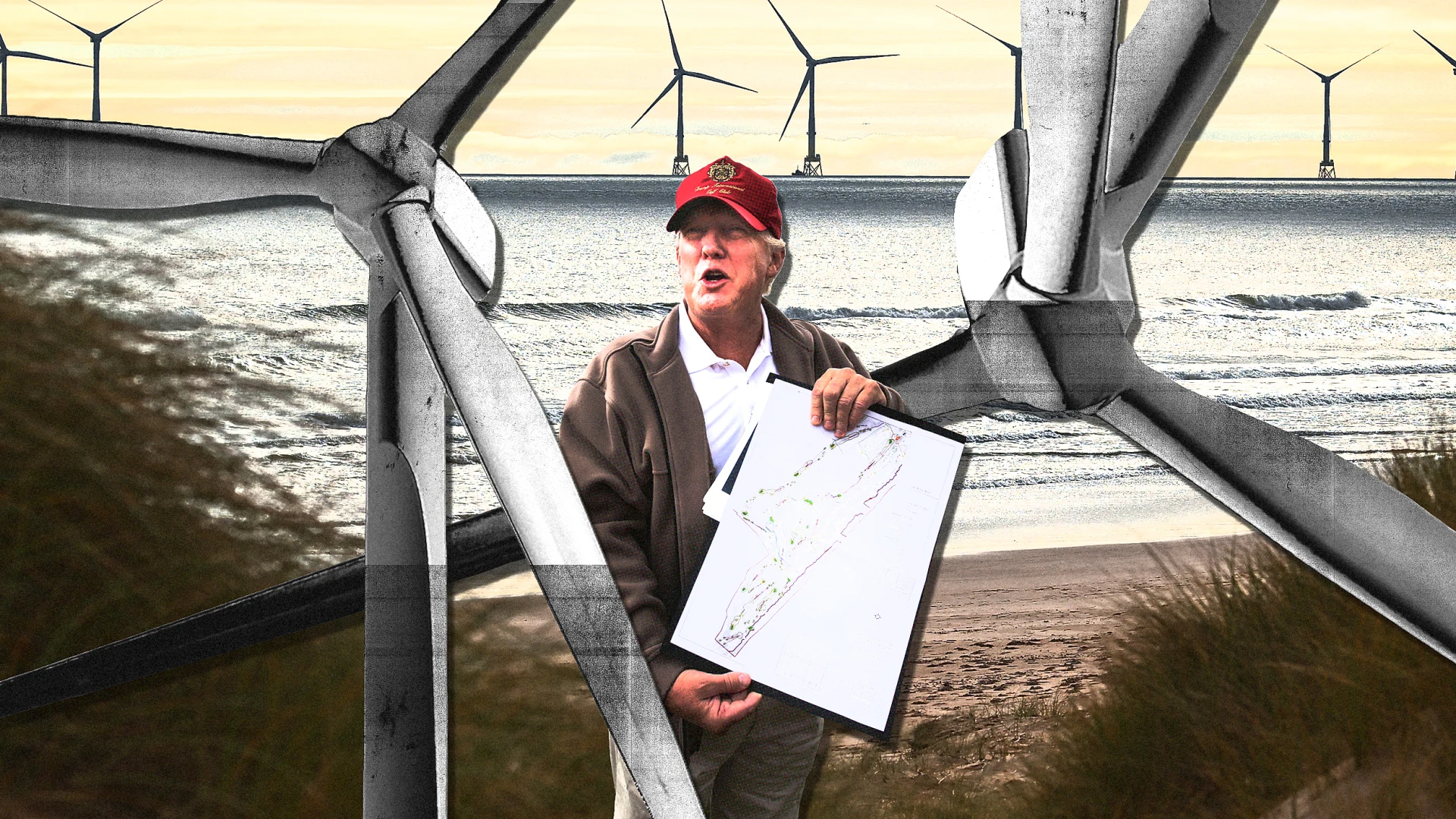
[Photo: Danny Lawson/PA Images/Getty Images, fhm/Getty Images, Andy Buchanan/AFP/Getty Images]
Wind energy is the cheapest source of new electricity in the U.S.—something that has been true for the past decade, according to annual energy reports from financial services company Lazard. When President Donald Trump issued an executive order on Monday to pause approvals for wind development, he said the opposite: that wind projects are “the most expensive form of energy that you can have, by far.”
Trump has claimed to be an expert on “windmills.” (It’s worth noting that windmill is an outdated term that originally referred to centuries-old tech that used wind power to turn stones to grind up grain; the modern tech designed for producing electricity is a wind turbine.)
But while actual experts say that wind is an important piece of meeting energy needs in the U.S., Trump has ignored the benefits to the grid, repeatedly claiming that the noise from wind turbines causes cancer (not true), that they “ruin the environment” (definitely not true), and that if the wind stops blowing, you won’t be able to watch Trump on TV (not true: renewable energy is part of a mix on the grid, and batteries can also store power for use when it’s needed).
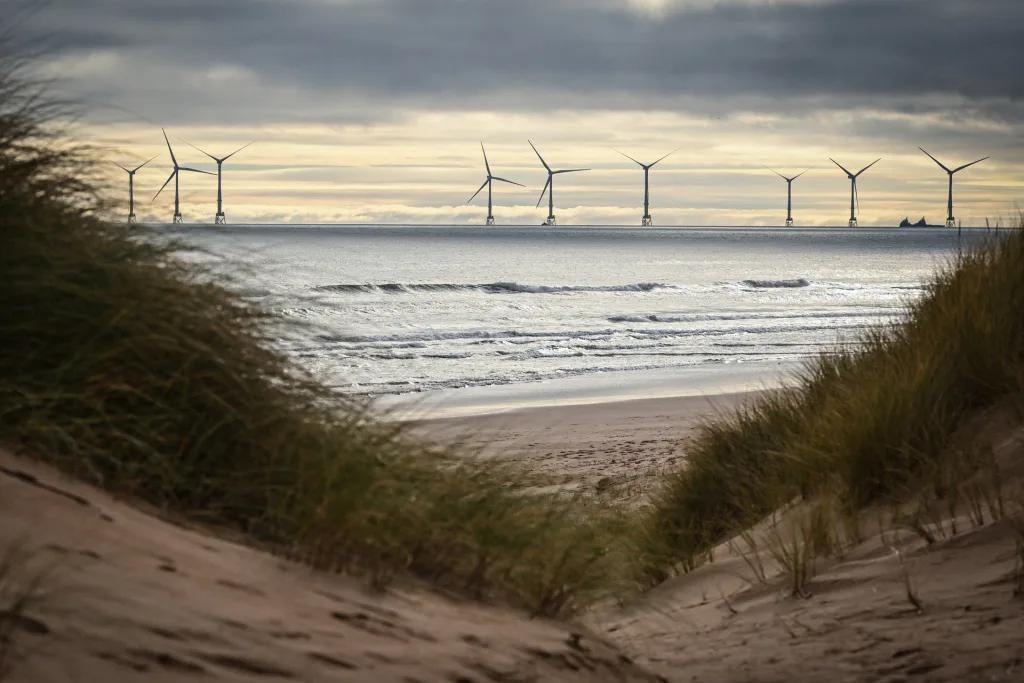
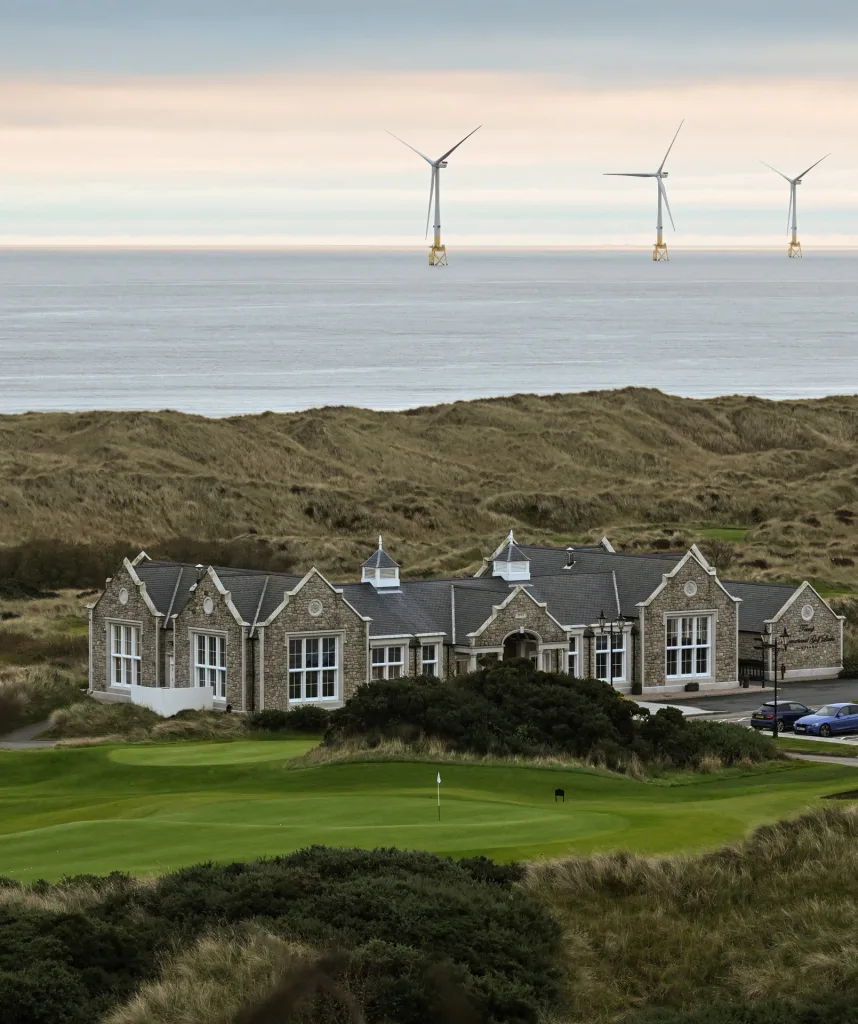
One of his most frequent arguments against wind power is that wind farms are ugly—and that’s where Trump’s own antipathy began. In 2006, he bought land along the coast in Scotland to build a golf course. Then he learned that an offshore wind farm was planned for the area. Worried about the view, he filed a complaint with the government, describing the wind farm as “an ugly cloud hanging over the future of the great Scottish coastline,” and arguing that the wind farm should be relocated or shouldn’t be built at all.

Subscribe to the Compass newsletter.Fast Company’s trending stories delivered to you daily
SIGN UP
At the time, Trump wasn’t yet a vocal opponent of climate science. In 2009, two years before he started fighting the wind farm, as the world gathered for climate talks in Copenhagen, Trump signed an open letter calling for climate action that ran as an ad in The New York Times. It said, “If we fail to act now, it is scientifically irrefutable that there will be catastrophic and irreversible consequences for humanity and our planet.”
It’s not clear that he ever understood what that meant, or the fact that wind turbines could help. But as his feud with the Scottish government grew, Trump ramped up his complaints about the energy source. In hundreds of tweets, he talked about how wind turbines are “bad for people’s health,” “ruining the beautiful parts of the country,” and “disgusting looking.” (By 2012, he was also claiming that climate change was a hoax created by China.)
Trump also talked about how wind farms harm migratory birds, which is true. But while estimates vary, the number is a fraction of the birds that are killed by house cats or tall buildings like Trump’s own. (Painting wind turbine blades differently can also reduce bird deaths.) The previous Trump administration, it should be noted, tried to gut a law that protects migratory birds. Trump has also repeated unproven claims spread by groups funded by the oil industry that wind turbines harm whales. Meanwhile, the new administration is pushing for more offshore drilling, which does harm whales.
In Scotland, the wind farm near Trump’s golf course was completed and started running in 2018, producing enough energy for 80,000 homes. The country now has so many wind farms that by 2022, it was generating more renewable electricity than it used.
Wind is already a meaningful source of energy in the United States. Eight of the ten states that rely most on wind power voted for Trump; Iowa, for example, gets around 60% of its electricity from wind. “Restricting wind development in these regions is certain to increase consumer energy bills,” the American Clean Power Association said in a statement after Trump issued the new executive orders.
ABOUT THE AUTHOR
Adele Peters is a senior writer at Fast Company who focuses on solutions to climate change and other global challenges, interviewing leaders from Al Gore and Bill Gates to emerging climate tech entrepreneurs like Mary Yap.. She contributed to the bestselling book Worldchanging: A User’s Guide for the 21st Century and a new book from Harvard’s Joint Center for Housing Studies called State of Housing Design 2023 More

 canisgallicus