
11-21-2024 IMPACT
Denmark is returning 15% of its farmland back to nature
The country plans to plant a billion trees as it transitions some farmland back to forests and peatlands.
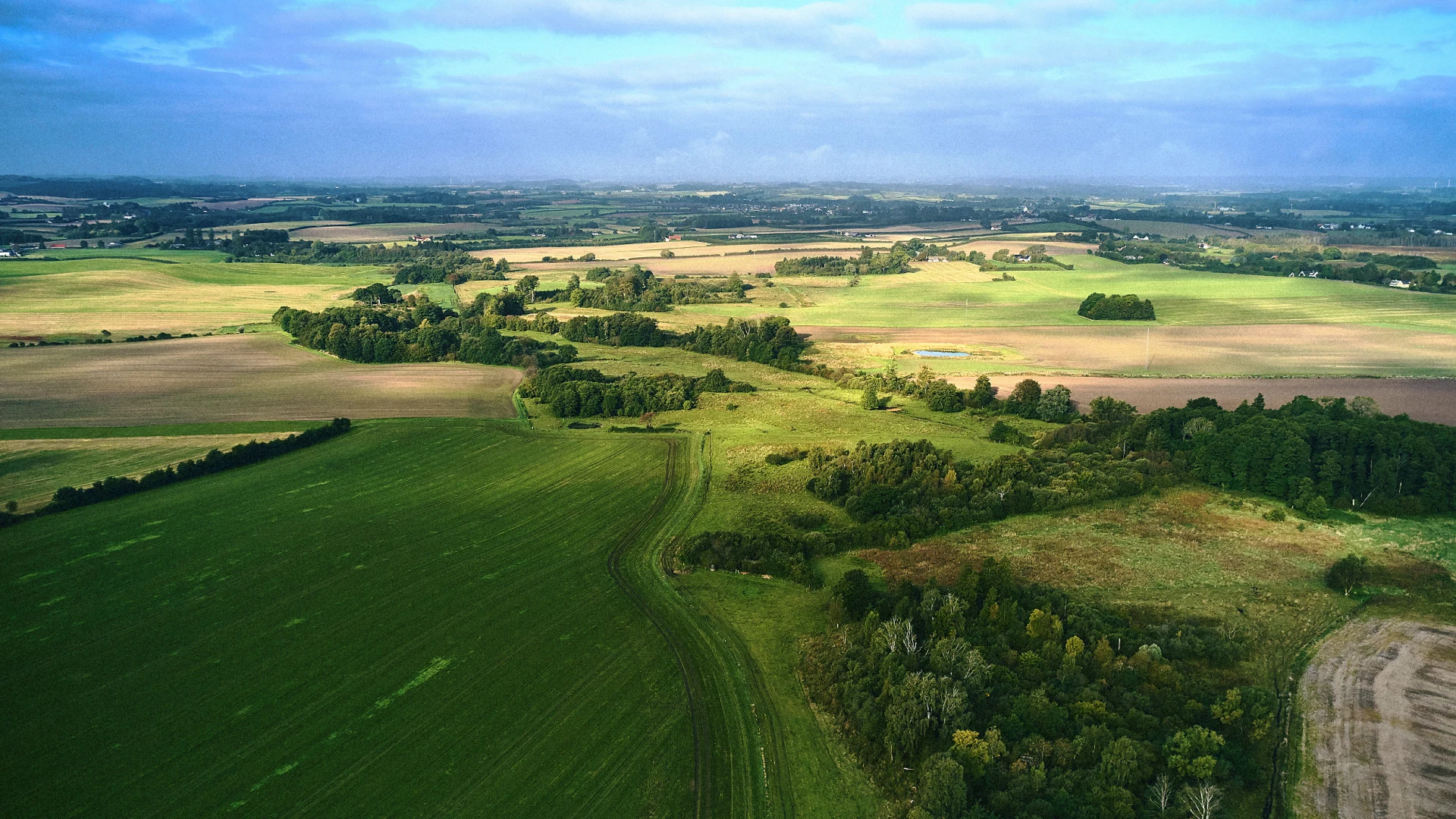
[Photo: Westersoe/Getty Images]
On farms in Denmark that grow crops like hay for animal feed, the government will soon pay farmers to turn some of their land into forests instead. In other areas, farm fields will revert to peatlands. In total, around 10% of the country will be restored to nature.
It’s one part of a plan to help steeply cut the country’s emissions from farming. Separately, a new tax on cows means that farmers also won’t produce as much meat and milk. And some farm subsidies will be redirected to help farmers use less nitrogen fertilizer.
The plan goes farther than any other country has so far to tackle emissions from the food chain, which is responsible for around a quarter of the world’s total carbon footprint. “This seems to be the first serious plan anyone has agreed to with real money and real teeth to reduce agricultural emissions,” says Tim Searchinger, a senior research scholar at Princeton and senior fellow and technical director for agriculture, forestry, and ecosystems at the nonprofit World Resources Institute.
Denmark has an ambitious goal to cut emissions 70% by 2030, compared to 1990 levels, and there’s strong political will to hit the target. “With Danish politics, when you make political agreements, parties tend to stick to them even across elections,” says Torsten Hasforth, chief economist at Concito, a Copenhagen-based green think tank. “There’s an ability to have some consistency and do some long-term planning. We’ve been taking one sector at a time and seeing how we can ensure that sector delivers enough to realize the goal of 70%.”

Subscribe to the Compass newsletter.Fast Company’s trending stories delivered to you daily
SIGN UP
Agriculture is especially challenging, he says, in part because solutions for farms haven’t gotten as much attention in the past and are less developed. For something like energy, there are obvious (and affordable) answers. Denmark has already embraced wind power, solar, and newer tech like the world’s largest heat pump. In Copenhagen, most people bike to work; a new tax on flights out of the country is designed to encourage more people to take the train for short trips and help shift domestic flights to sustainable aviation fuel. The country has done enough in other areas for climate that agriculture is responsible for a growing chunk of its overall carbon footprint.
“Agriculture is going to be 50%, 75% of the emissions in Denmark,” says Searchinger. “And it’s only about 1% of the GDP. Denmark is like Iowa plus San Francisco, plus a gigantic drug company and a gigantic shipping company. Basically, all this other stuff really generates all the economic output.”
The ag industry worked with environmental groups and the government to come to an agreement that could meet climate goals. The tax on livestock, which applies only to emissions above a certain level, helps encourage farmers to reduce emissions and produce meat and dairy more efficiently.
The price of products like milk will rise. While it’s possible that more milk could be imported from elsewhere, Hasforth argues that because Danish consumers prefer local milk, they’ll consume less, and potentially choose other alternatives like plant-based dairy. “Because the tax will affect carbon-intensive foods more, consumers can decide to look elsewhere for foods that are less heavily taxed,” he says. Milk that’s imported comes from countries nearby that also have climate targets, like Germany, and may eventually also have stricter laws regulating emissions from farming.
A large chunk of farmland in Denmark is used to grow crops to feed livestock, not people. Requiring a portion of the land to be returned to nature is also intended to help incentivize less animal farming, because importing cattle feed is more expensive. (Denmark has 2.6 million hectacres of farmland, which means about 15% will shift back to nature.) Restored peatlands and forests—most of which were deforested centuries or even millennia ago—can also help capture more carbon. Less farmland in operation also means less fertilizer, another major emissions source.
There’s still a risk that Denmark could end up importing more food—like soybeans grown in Brazil—and that could have a negative impact elsewhere. Searchinger argues the country should add more policies to tackle that. Still, he says, it’s a strong plan. It avoids controversial solutions like regenerative agriculture that may not store carbon long-term. “This is about getting more carbon in the landscape in ways that are real,” he says.
The application deadline for Fast Company’s World Changing Ideas Awards is Friday, December 6, at 11:59 p.m. PT. Apply today.
ABOUT THE AUTHOR
Adele Peters is a senior writer at Fast Company who focuses on solutions to climate change and other global challenges, interviewing leaders from Al Gore and Bill Gates to emerging climate tech entrepreneurs like Mary Yap.. She contributed to the bestselling book Worldchanging: A User’s Guide for the 21st Century and a new book from Harvard’s Joint Center for Housing Studies called State of Housing Design 2023 More

 canisgallicus