

Regular nut consumption after this age wards off dementia and disease
November 21, 2024
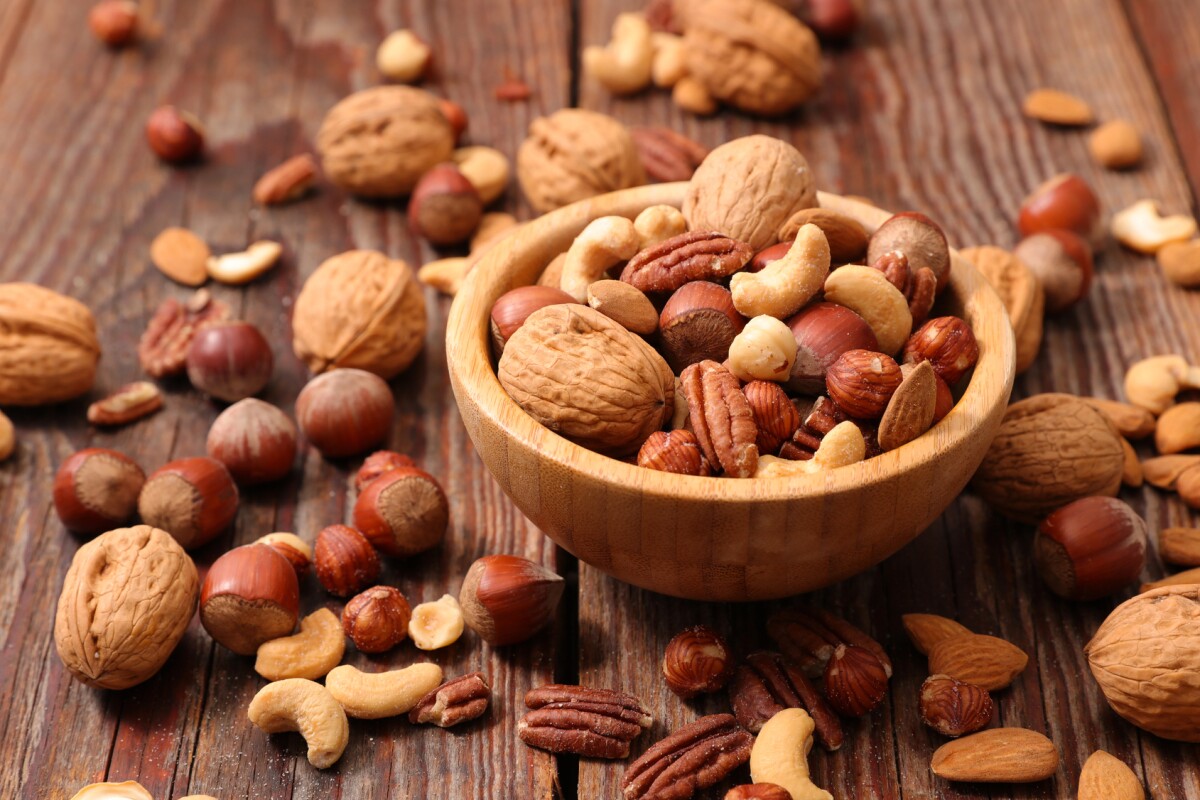
Nuts notch up another win a new study showing their power to keep people healthy after the age of 70
Adding another plus in the “nuts are good for you” column, new research shows that regular consumption of the superfood not only holds off death, but it also keeps the mind sharp and limits persistent disability. But age was a factor in the study.
In the world of nutrition, nuts are a bit of a show off. In addition to their well-known abilities to improve cardiovascular health, the tiny protein-packed snack has also been shown to improve sperm count and motility, and fight obesity, diabetes, and inflammation. Plus the magnesium they contain has been linked to warding off DNA damage, while their omega-3 and omega-6 fatty acids have been shown to reduce the risk of 19 types of cancer.
Now, a new study from Monash University has given nuts another public relations boost.
A team of researchers there looked at data from the ASPREE Longitudinal Study of Older Persons. While the ostensible purpose of the ASPREE study is to look at aspirin’s effects in older adults (the acronym stands for ASPirin in Reducing Events in the Elderly), the effort has produced an impressive database of multiple health markers across populations in Australia and the United States. Information from this database has previously been used in a study that showed the potential for “good” cholesterol to adversely affect dementia; one that found a relationship between having close family and friends and reducing heart disease risk by up to 30%; and another that highlighted which activities are best for warding off cognitive decline.
For the most recent study, the Monash researchers examined the records of 9,916 Australians over the age of 70 who had completed a 49-item food-frequency questionnaire. After screening out other factors, they found that those who reported eating a handful of nuts as part of their diet either once or twice per day had a better chance of enjoying disease-free survival than those who reported no or very little nut consumption.
“The endpoint of disability free survival is a composite measure that is recorded when participants in the … study report an event of dementia, persistent physical disability or all-cause mortality,” study first author Holly Wild told us. “In this study we established that daily nut consumers were 23% less likely to record these events compared to those that consumed nuts rarely or infrequently, and thus more likely to live longer free from dementia and persistent physical disability.”
Of note, the type of nuts people reported consuming wasn’t specific, so the study hints at the idea that any assortment of the snack would be a good addition to the diets of older people.
As far as what a handful of nuts looks like, Wild had this advice:
“What 30 grams of nuts looks like depends on the type of nut, but typically a ‘handful’ is equivalent to around 25 almonds, 10 walnuts or 40 peanuts. Choosing a mixture of nuts means you get the benefits of the varying amounts of nutrients found in different types of nuts. Nuts taste best and have the highest nutritional content when fresh, so store in an airtight container in a cool, dark place to maintain freshness.”
The study has been published in the journal Age and Ageing.
Source: Monash University

 canisgallicus