
11-18-2024 TECH
11-18-2024
How does Elon Musk define ‘efficiency’? We asked his former employees
The head of the new Department of Government Efficiency has been tasked with minimizing bureaucratic waste. Those who worked under Musk say his past efforts to micromanage in the private sector have yielded mixed results.
BY Chris Stokel-Walker 4 minute read
Elon Musk has big plans for his new Department of Government Efficiency (DOGE) once Donald Trump takes the White House in January. Prior to the election, the Tesla CEO said he would help cut $2 trillion from the federal budget. “This will send shockwaves through the system, and anyone involved in Government waste, which is a lot of people!” Musk said in a statement. (DOGE, which Musk will co-lead alongside former Republican presidential candidate Vivek Ramaswamy, will actually sit outside government and will only “provide advice and guidance from outside of government,” according to Trump.)
So, what does efficiency look like under the world’s richest man? And how exactly does he typically go about minimizing “waste”?
To find out, Fast Company asked some of his former employees.
“He’s very ruthless and very involved in understanding what you’re trying to do and how you’re doing it,” says Jim Cantrell, who worked at SpaceX in the early 2000s. “He has no fear of failure. It’s almost naïve in its lack of fear, but his performance has shown it’s anything but naïve.”
Musk’s unorthodox attitude can be costly, too. While he successfully defeated a legal challenge that would have cost him $500 million or more for unlawfully denying Twitter staff severance payments they thought they were owed, he did have to pay an Irish Twitter employee $580,000 for being fired for not replying to an email asking to remain with the company. More financial pain could be coming for Musk from his other companies, too. Former SpaceX employees are seeking financial redress for being fired after blowing the whistle on what they claim was bad behavior by employees within the company. The National Labor Relations Board is also investigating.
“Musk treated his employees and the work we’d done with open contempt,” says Melissa Ingle, who worked as a senior data scientist at Twitter when Musk took ownership of the social network. Ingle was among the 80% of staff laid off shortly after Musk’s $44 billion acquisition.“There was absolutely no wind down,” Ingle says. “One Thursday Musk came in and announced layoffs would be happening, and the next day half the permanent employees were gone. The next week almost all contract employees were fired.” (Neither Musk nor X responded to a request for comment.)
Ingle says Musk’s drive for cost-cutting came at the expense of operations. “These firings seem to have been undertaken with no regard to the actual work that needed to be done, since after the firing, there was mass chaos as the remaining managers still had to get their work done but had been forced to fire anyone with actual experience performing the work,” she says. The chaos that ensued after the mass firings because of short-staffing and the loss of institutional knowledge has been documented in a number of places, including by Walter Isaacson, who reported in his biography of Musk that the billionaire railed against the idea that Twitter staff should cherish “psychological safety.” Musk also had to be dissuaded from firing random engineers, according to Isaacson. “Any remaining employees will likely face tremendous pressure to perform to Musk’s extreme standards,” says Ingle, who now works as a chief data scientist at the firm Technology Partners.Expand to continue reading ↓

Sign up for our weekly tech digest.
SIGN UP
This site is protected by reCAPTCHA and the Google Privacy Policy and Terms of Service apply.
ABOUT THE AUTHOR
Chris Stokel-Walker is a contributing writer at Fast Company who focuses on the tech sector and its impact on our daily lives—online and offline. He has explored how the WordPress drama has implications for the wider web, how AI web crawlers are pushing sites offline, as well as stories about ordinary people doing incredible things, such as the German teen who set up a MySpace clone with more than a million users. More
The head of the new Department of Government Efficiency has been tasked with minimizing bureaucratic waste. Those who worked under Musk say his past efforts to micromanage in the private sector have yielded mixed results.
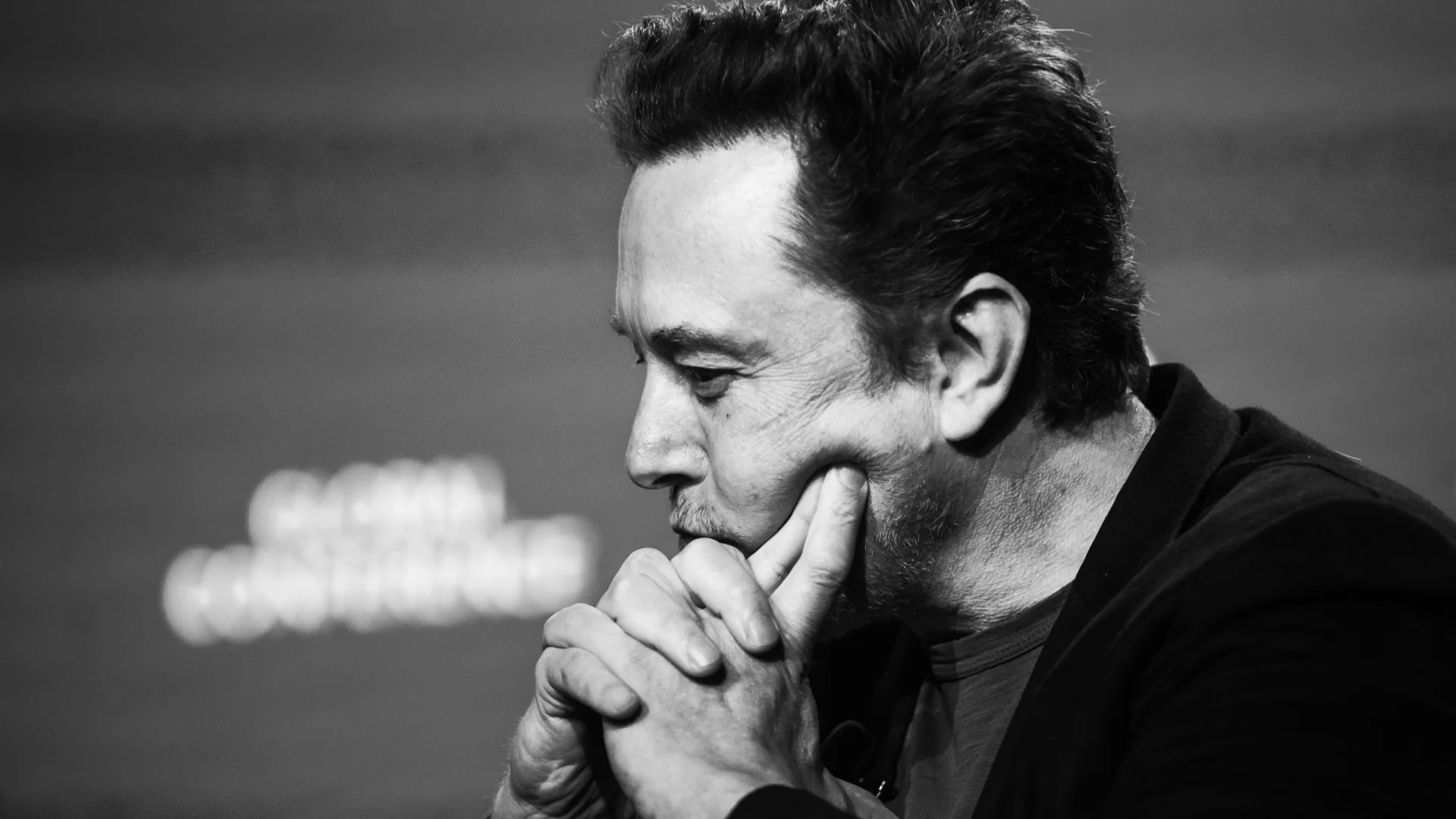
[Photo: Apu Gomes/Getty Images]
BY Chris Stokel-Walker4 minute read
Elon Musk has big plans for his new Department of Government Efficiency (DOGE) once Donald Trump takes the White House in January. Prior to the election, the Tesla CEO said he would help cut $2 trillion from the federal budget. “This will send shockwaves through the system, and anyone involved in Government waste, which is a lot of people!” Musk said in a statement. (DOGE, which Musk will co-lead alongside former Republican presidential candidate Vivek Ramaswamy, will actually sit outside government and will only “provide advice and guidance from outside of government,” according to Trump.)
So, what does efficiency look like under the world’s richest man? And how exactly does he typically go about minimizing “waste”?
To find out, Fast Company asked some of his former employees.
“He’s very ruthless and very involved in understanding what you’re trying to do and how you’re doing it,” says Jim Cantrell, who worked at SpaceX in the early 2000s. “He has no fear of failure. It’s almost naïve in its lack of fear, but his performance has shown it’s anything but naïve.”
Musk’s unorthodox attitude can be costly, too. While he successfully defeated a legal challenge that would have cost him $500 million or more for unlawfully denying Twitter staff severance payments they thought they were owed, he did have to pay an Irish Twitter employee $580,000 for being fired for not replying to an email asking to remain with the company. More financial pain could be coming for Musk from his other companies, too. Former SpaceX employees are seeking financial redress for being fired after blowing the whistle on what they claim was bad behavior by employees within the company. The National Labor Relations Board is also investigating.
“Musk treated his employees and the work we’d done with open contempt,” says Melissa Ingle, who worked as a senior data scientist at Twitter when Musk took ownership of the social network. Ingle was among the 80% of staff laid off shortly after Musk’s $44 billion acquisition.“There was absolutely no wind down,” Ingle says. “One Thursday Musk came in and announced layoffs would be happening, and the next day half the permanent employees were gone. The next week almost all contract employees were fired.” (Neither Musk nor X responded to a request for comment.)
Ingle says Musk’s drive for cost-cutting came at the expense of operations. “These firings seem to have been undertaken with no regard to the actual work that needed to be done, since after the firing, there was mass chaos as the remaining managers still had to get their work done but had been forced to fire anyone with actual experience performing the work,” she says. The chaos that ensued after the mass firings because of short-staffing and the loss of institutional knowledge has been documented in a number of places, including by Walter Isaacson, who reported in his biography of Musk that the billionaire railed against the idea that Twitter staff should cherish “psychological safety.” Musk also had to be dissuaded from firing random engineers, according to Isaacson. “Any remaining employees will likely face tremendous pressure to perform to Musk’s extreme standards,” says Ingle, who now works as a chief data scientist at the firm Technology Partners.Expand to continue reading ↓
Sign up for our weekly tech digest.
SIGN UP
This site is protected by reCAPTCHA and the Google Privacy Policy and Terms of Service apply.
ABOUT THE AUTHOR
Chris Stokel-Walker is a contributing writer at Fast Company who focuses on the tech sector and its impact on our daily lives—online and offline. He has explored how the WordPress drama has implications for the wider web, how AI web crawlers are pushing sites offline, as well as stories about ordinary people doing incredible things, such as the German teen who set up a MySpace clone with more than a million users. More

 canisgallicus