
10-15-2024TECH
The WordPress drama could have major implications for the internet
Critics fear Matt Mullenweg’s feud with WP Engine could severely hinder a platform that supports nearly half the web.
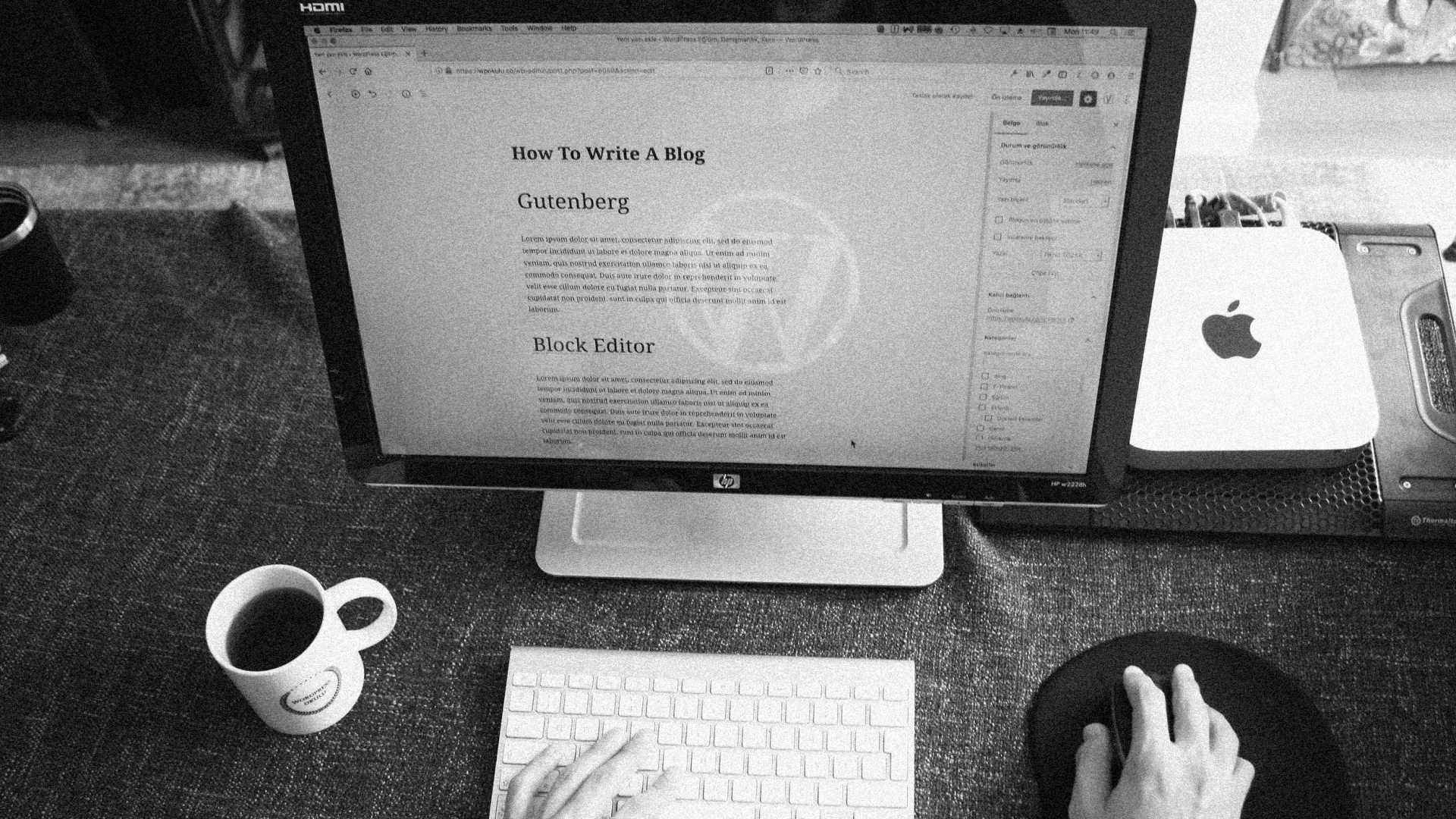
[Photo: Fikret tozak/Unsplash]
BY Chris Stokel-Walker4 minute read
The WordPress situation has soured in the past several weeks, as a dispute spirals out of control between founder Matt Mullenweg and WP Engine, a platform that many users deploy in order to host their WordPress sites.
In late September, Mullenweg shut off access to WP Engine, alleging the company had extracted value from WordPress (which was created as an open source project) to the tune of hundreds of millions of dollars in investment—all without giving back to the community, and creating confusion by what Mullenweg alleges was breaching WordPress’s trademarks. The WordPress trademark is held by the WordPress Foundation, which Mullenweg is a board member of but doesn’t entirely control. Automattic is a for-profit WordPress host of similar scale as WP Engine, and the two are in fact direct competitors. (Full disclosure: WordPress hosts Fast Company’s website.)
Last month, WP Engine sent a cease-and-desist letter to Automattic alleging Mullenweg had “threatened” that WP Engine must pay Automattic a “very large sum of money” or face his “scorched earth nuclear approach” to WP Engine. Automattic followed up with their own cease-and-desist letter that same day, demanding that WP Engine stop violating their trademark and IP.
While some have sympathy with Mullenweg’s initial claim that WP Engine has built a fortune off the back of an open source project, many have taken umbrage with the way Mullenweg has gone about arguing his case, including snowballing the dispute into a broader one that could have huge implications. After all, WordPress powers around 43.5% of all websites online, according to W3techs.
Now, more than 150 employees have left WordPress’s parent company Automattic (nearly 10% of the workforce) after Mullenweg offered buyouts to anyone who disagreed with his approach with WP Engine. Meanwhile, anyone logging into WordPress.org, Automattic’s commercial hosting service, must now state whether they are affiliated with WP Engine, and Mullenweg has assumed control of the WordPress plugin directory’s presence for a popular plugin under the ownership of WP Engine since June 2022 without the original developers’ permission. (Mullenweg has cited guidelines that plugin makers agreed to as justification for why he “forked” the plugin, or chose to create a separate version for further development independent of the original.)
As a result, some are questioning whether WordPress can survive in its current form. “Matt’s recent actions have unequivocally harmed WordPress, as well as the broader open-source ecosystem,” says Jono Alderson, an independent technical SEO consultant. Alderson was banned from the WordPress community Slack for questioning why the company added a checkbox to WordPress.org’s login page requiring people to say they had no affiliation with WP Engine. Some users were concerned about why the checkbox had been added, and whether their responses could be used in legal action against them—something Mullenweg has not clearly answered. In messages on the WordPress Slack that were then shared on social media, Mullenweg says “It’s up to you whether to check the box or not.” In later posts, he advises people asking for clarity to “Please consult an attorney.”
The situation highlights the risk of allowing one individual total control over something as vital as WordPress is to modern digital life. “It’s hard to believe that one man’s crusade—justified or otherwise—might threaten the stability of nearly half the internet,” says Alderson. Expand to continue reading ↓

Sign up for our weekly tech digest.
SIGN UP
This site is protected by reCAPTCHA and the Google Privacy Policy and Terms of Service apply.
ABOUT THE AUTHOR
Chris Stokel-Walker is a freelance journalist and Fast Company contributor. He is the author of YouTubers: How YouTube Shook up TV and Created a New Generation of Stars, and TikTok Boom: China’s Dynamite App and the Superpower Race for Social Media. More

 canisgallicus