

AI-Enhanced MRIs Show Potential for Brain Abnormality Detection
October 15, 2024
Summary: Researchers have developed a machine learning model that upgrades 3T MRI images to mimic the higher-resolution 7T MRI, providing enhanced detail for detecting brain abnormalities. The synthetic 7T images reveal finer features, such as white matter lesions and subcortical microbleeds, which are often difficult to see with standard MRI systems.
This AI-driven approach could improve diagnostic accuracy for conditions like traumatic brain injury (TBI) and multiple sclerosis (MS), though clinical validation is needed before wider use. The new model may ultimately expand access to high-quality imaging insights without needing specialized equipment. This advancement marks a promising intersection of AI and medical imaging technology.
Key Facts
- AI model enhances 3T MRIs to closely approximate the detail of 7T MRIs.
- Synthetic 7T images showed sharper brain lesion boundaries, aiding diagnosis.
- Model could benefit TBI and MS patients by improving visualization of brain abnormalities.
Source: UCSF
At the intersection of AI and medical science, there is growing interest in using machine learning to enhance imaging data captured by magnetic resonance imaging (MRI) technology.
Recent studies show that ultra-high-field MRI at 7 Tesla (7T) could have far greater resolution and clinical advantages over high-field MRI at 3T in delineating anatomical structures that are important for identifying and monitoring pathological tissue, particularly in the brain.
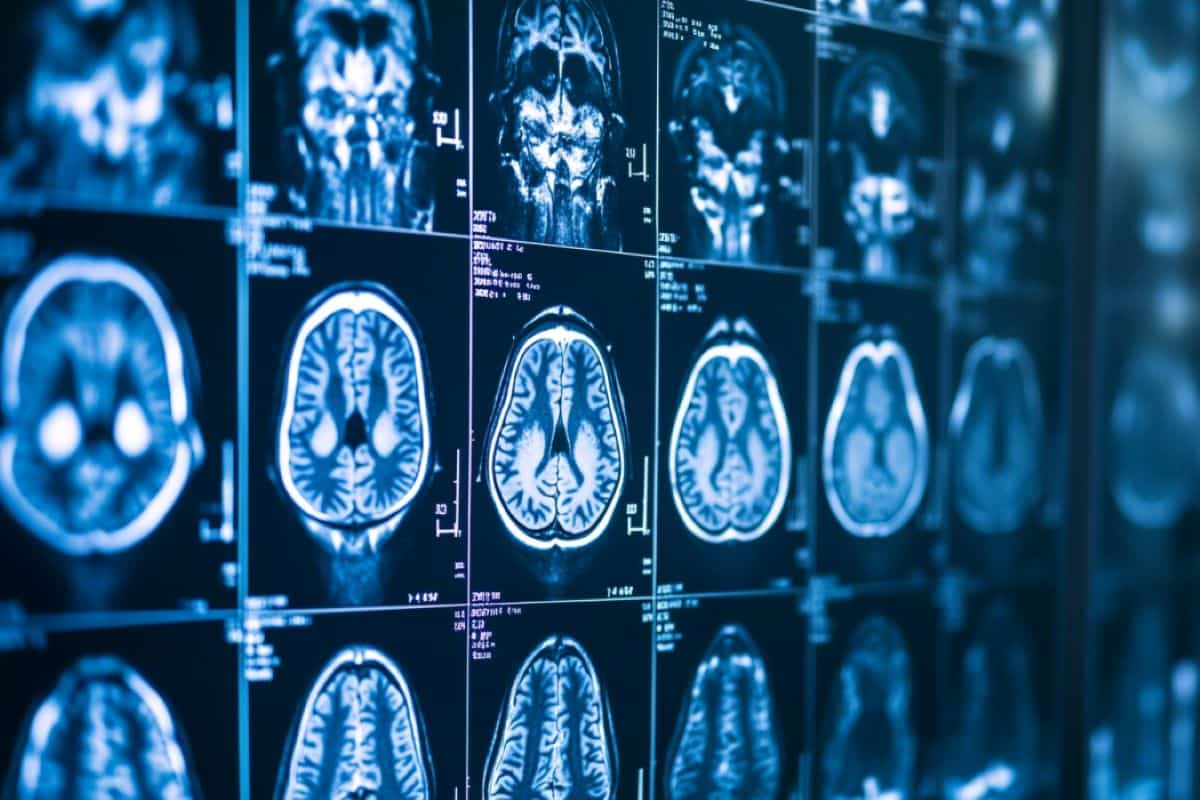
Most clinical MRI exams in the U.S. are performed with 1.5T or 3T MRI systems. As recently as 2022, the National Institutes of Health documented only about 100 7T MRI machines being used for diagnostic imaging worldwide.
Researchers from UC San Francisco developed a machine learning algorithm to enhance 3T MRIs by synthesizing 7T-like images that approximate real 7T MRIs.
Their model enhanced pathological tissue with more fidelity for clinical insights and represents a new step toward evaluating clinical applications of synthetic 7T MRI models.
The study was presented Oct. 7 at the 27th International Conference on Medical Image Computing and Computer Assisted Intervention (MICCAI).
“Our paper introduces a machine-learning model to synthesize high-quality MRIs from lower-quality images. We demonstrate how this AI system improves the visualization and identification of brain abnormalities captured by MRIs in Traumatic Brain Injury,” said senior study author Reza Abbasi-Asl, Ph.D., UCSF Assistant Professor of Neurology.
“Our findings highlight the promise of AI and machine learning to improve the quality of medical images captured by less advanced imaging systems.”
Better to see TBI and multiple sclerosis with
UCSF researchers collected imaging data from patients diagnosed with mild traumatic brain injury (TBI) at UCSF. They designed and trained three neural network models to perform image enhancement and 3D image segmentation using the generated synthetic-7T MRIs from the standard 3T MRIs.
The images generated with the new models provided enhanced pathological tissue for patients with mild TBI. They selected an example region with white matter lesions and microbleeds in subcortical areas to use for comparison.
They found pathological tissue was easier to see in synthesized 7T images. This was evident in the separation of adjacent lesions and the sharper contours of subcortical microbleeds.
Additionally, the synthesized 7T images better captured the diverse features within white matter lesions. These observations also highlight the promise of using this technology to improve diagnostic accuracy in neurodegenerative disorders such as multiple sclerosis.
While synthetization techniques based on machine learning frameworks demonstrate remarkable performance, their application in clinical settings will require extensive validation.
The researchers believe that future work should include extensive clinical assessment of the model findings, clinical rating of model-generated images, and quantification of uncertainties in the model.
About this AI and neuroimaging research news
Author: Reza Abbasi-Asl
Source: UCSF
Contact: Reza Abbasi-Asl – UCSF
Image: The image is credited to Neuroscience News

 canisgallicus