
The Ezra Live video call platform is available on desktop and mobile devices (Depositphotos)
Many Israelis have been struggling with their mental health since October 7, when the Hamas terror group sent thousands of rockets into Israel from Gaza and embarked on a rampage of murder, rape and mutilation that triggered a months-long war.
Israel’s state and non-governmental mental health organizations are cognizant of the issue, and campaigns and programs for mental health awareness have been prominently featured in the media.
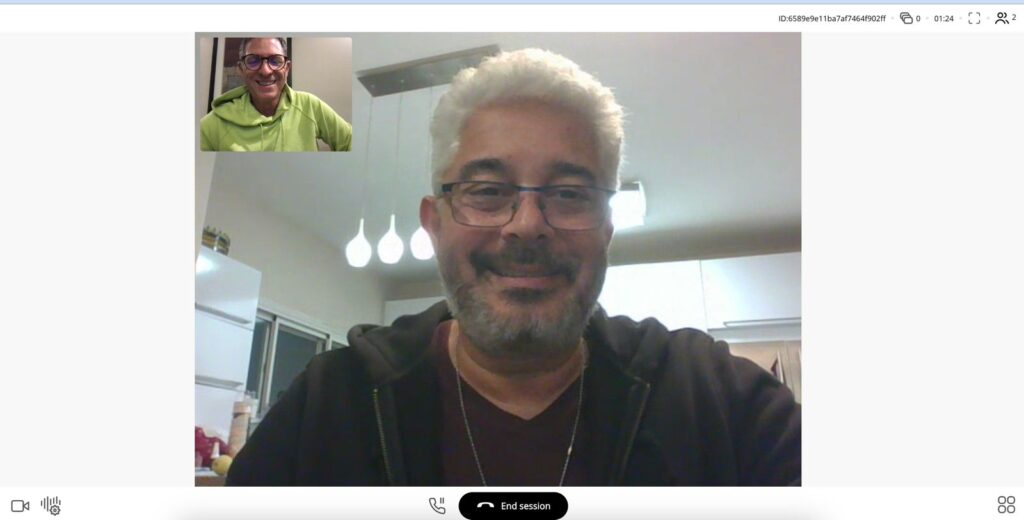
One of those non-governmental projects is Ezra Live, a digital platform created post-October 7, which connects people wishing to talk by video or audio to someone wishing to listen.
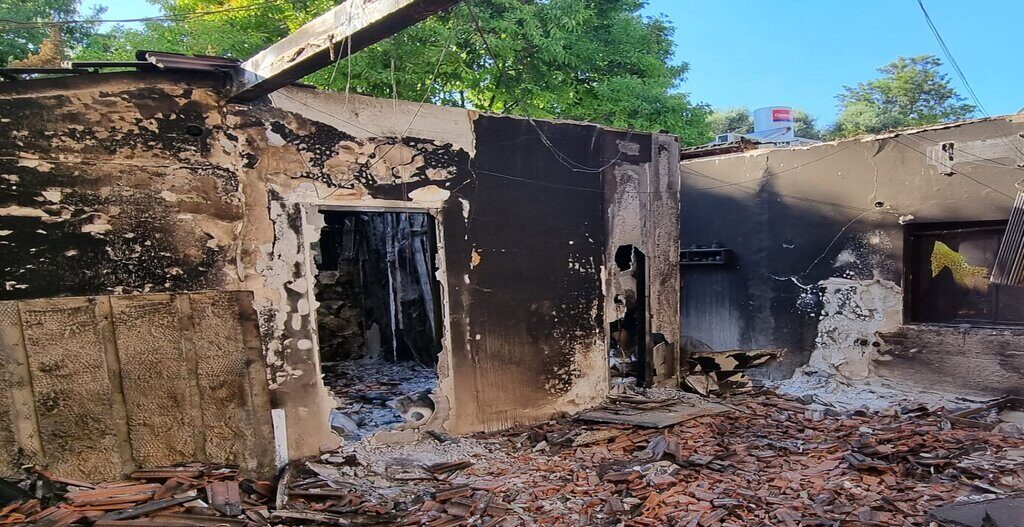
The past three months have been a massive challenge for Israelis. Hamas has kept up the rocket fire on the civilian population, which is still coming to terms with the attack on the Jewish holiday of Simchat Torah that left 1,200 people dead, thousands wounded and hundreds more taken hostage in Gaza.
Hundreds of thousands of Israeli reservist soldiers have also been called to service under emergency Order 8, many to fight inside Gaza where their families at home cannot contact them for long periods at a time.
And the toll on the emotional well being of the population is marked. A recent study by Israeli and American researchers found that the number of adults in the country – both Jewish and Arab – suffering from PTSD almost doubled following the attack to 29.8 percent. It also found that 42.7 percent of Israelis were experiencing generalized anxiety disorder (GAD) and 44.8 percent were suffering from depression.
In comparison, 7.5 percent of New Yorkers experienced symptoms of PTSD following the September 11, 2001 attacks on the World Trade Center.
Ezra Live is the brainchild of Israeli entrepreneur Yuval Moed, CEO of the Tel Aviv and Michigan-based Eazyshow company that created an AI-integrated video chat platform for the financial sector.
After the terrible events of October 7, he realized that the video chat capabilities could be used to help alleviate some of the symptoms of the trauma experienced by Israelis.
Moed tells NoCamels that his first instinct on October 7 was to try to help in the best way he could. Indeed, Ezra is the Hebrew word for “help.”
Through talking to experts in the field of emotional support, he understood that sometimes people undergoing trauma simply need someone to listen – and that his own company, with its basis in human engagement, could be jury-rigged to become a solution.
“We came up with a bunch of guys in the industry who understand [engagement] and said let’s try to take the infrastructure, the video engagement infrastructure that we have and create a solution where we could help people with their emotional needs,” he says.
Moed and his group of high-tech experts then created the Ezra Live website, where those seeking solace simply click a button labeled “Yes, I wanna talk” and are connected to a volunteer waiting to listen and offer comfort.
“What happened on October 7 generated a huge trauma that I don’t think has been experienced within our country and the Western world since the Holocaust,” Moed says. “Such atrocities.”

 canisgallicus
